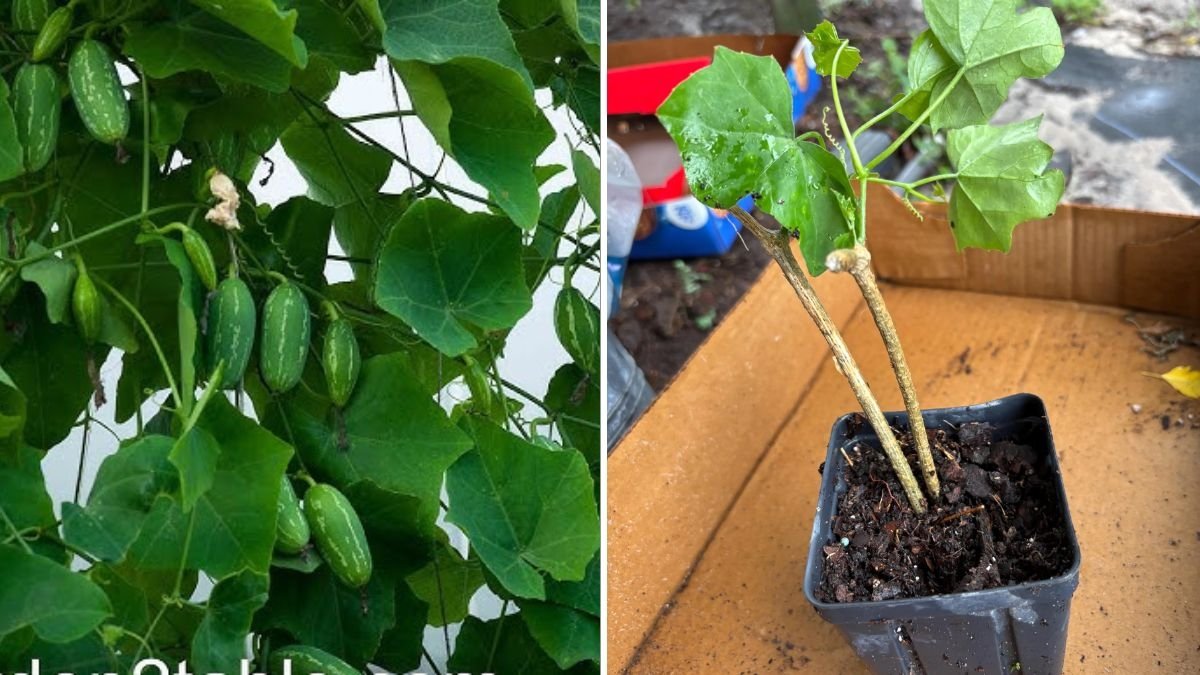
In recent years, Americans have become more curious about global superfoods—fresh produce packed with nutrients and rich cultural histories. One such hidden gem making its way into American kitchens is Tindora, also known as Ivy Gourd or Scarlet Gourd. Popular across India and Southeast Asia, this small green vegetable is gradually gaining recognition in the U.S. for its exceptional health benefits, low calorie count, and culinary versatility.
If you’ve ever walked through an Asian grocery store and spotted small, cucumber-like vegetables labeled as “Ivy Gourd” or “Tindora”, you’ve encountered one of nature’s best-kept secrets. This tropical vine vegetable, scientifically known as Coccinia grandis, is not only delicious but also loaded with vitamins, minerals, and antioxidants that promote overall well-being.
Let’s explore why Tindora deserves a prime spot in your American diet—and how you can grow, cook, and benefit from this underrated superfood.
What Is Tindora (Ivy Gourd)?
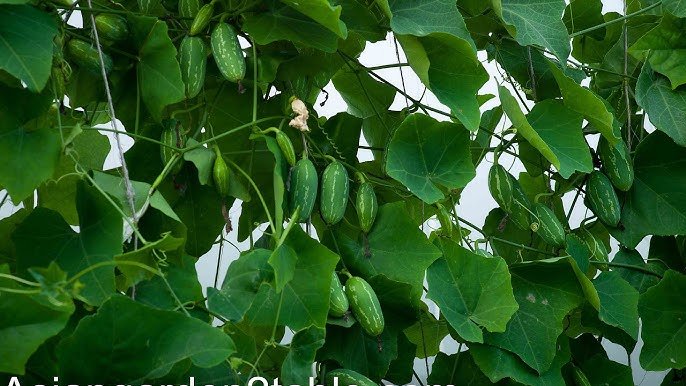
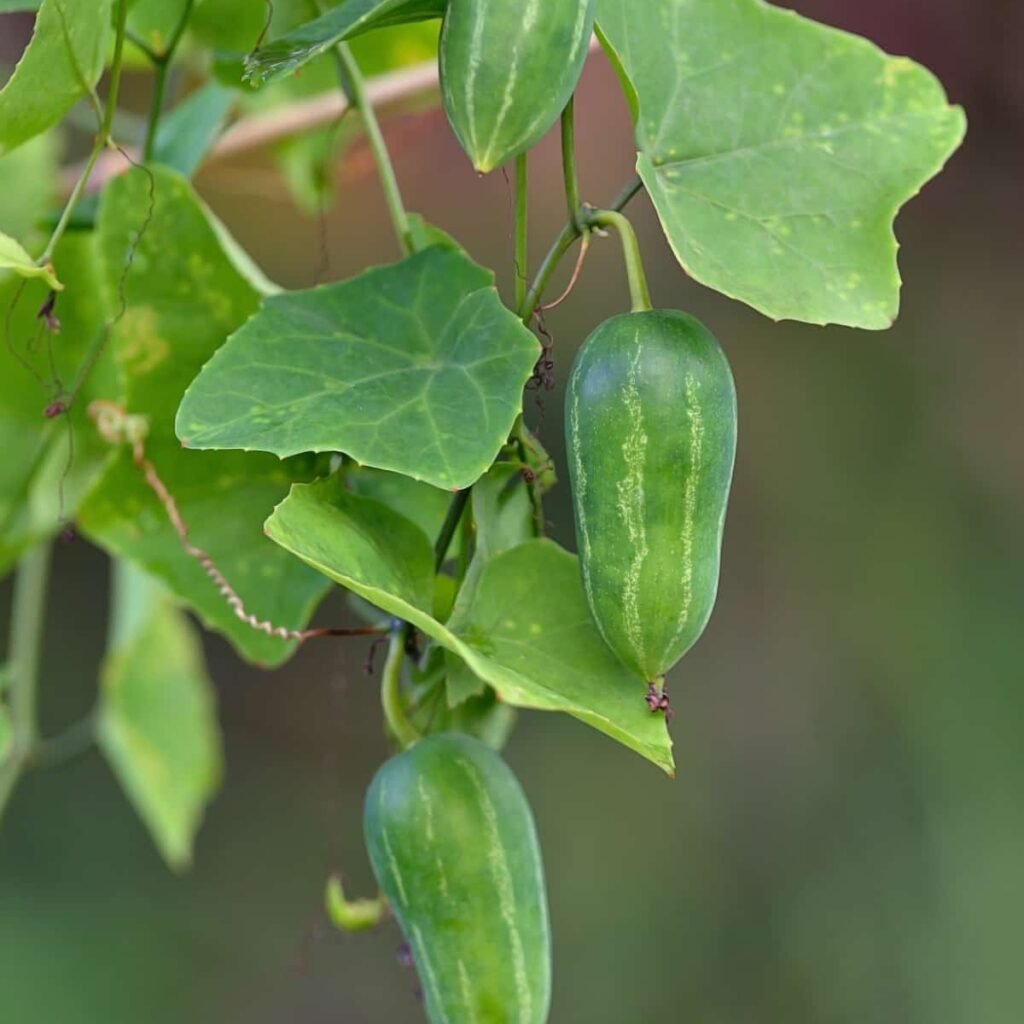
Tindora is a fast-growing tropical vine native to India, belonging to the cucumber family (Cucurbitaceae). The fruit resembles a small baby cucumber, typically 2–3 inches long, with a crisp texture and mild flavor when young.
When tender and green, Tindora is cooked as a vegetable; when ripe, it turns bright red and sweet. In Indian cuisine, it’s commonly stir-fried, sautéed with spices, or added to curries. Beyond its taste, it’s valued for its nutritional density and medicinal properties.
In recent years, American nutritionists and plant-based food enthusiasts have started embracing Tindora as a new addition to healthy meal plans—especially for those looking for low-carb, high-fiber vegetables.

Nutritional Value of Tindora (Per 100g Serving)
| Nutrient | Amount |
|---|---|
| Calories | 20–25 kcal |
| Carbohydrates | 4 g |
| Fiber | 2 g |
| Protein | 1.5 g |
| Vitamin C | 25 mg |
| Vitamin A | 30 µg |
| Calcium | 40 mg |
| Iron | 1.2 mg |
| Potassium | 200 mg |
| Magnesium | 25 mg |
Tindora is low in calories and rich in fiber, making it an excellent choice for weight management, digestion, and blood sugar control.
Health Benefits of Tindora (Ivy Gourd)
1. Supports Healthy Blood Sugar Levels
Tindora has long been used in Ayurvedic medicine to help manage diabetes. It contains compounds that mimic insulin activity, reducing blood sugar spikes and improving glucose metabolism. Several studies suggest that consuming Tindora regularly may help maintain stable blood sugar levels—making it beneficial for prediabetic and diabetic individuals.
2. Promotes Digestive Health
The fiber in Tindora supports gut health by promoting regular bowel movements and preventing constipation. Its natural enzymes also help improve nutrient absorption and reduce bloating, making it gentle on the digestive system.
3. Rich in Antioxidants
Tindora is a powerhouse of antioxidants like beta-carotene, flavonoids, and vitamin C, which combat oxidative stress and protect the body from free radical damage. These compounds also help reduce inflammation and slow the aging process.
4. Boosts Heart Health
Thanks to its fiber and potassium content, Tindora helps regulate cholesterol and blood pressure levels, reducing the risk of cardiovascular diseases. Regular consumption supports better circulation and a healthier heart.
5. Aids in Weight Management
With its low calorie and high fiber profile, Tindora helps you stay fuller longer, reducing unnecessary snacking and supporting healthy weight loss. It’s also ideal for keto or low-carb diets popular across the U.S.

6. Strengthens Immunity
Vitamin C and other antioxidants in Tindora help strengthen the immune system, fight infections, and promote faster healing.
7. Improves Skin and Hair Health
The antioxidants and vitamins found in Tindora promote collagen formation, fight acne, and contribute to a healthy, youthful glow. Its iron content also helps maintain strong, shiny hair.
Culinary Uses: How to Cook with Tindora
One of the best things about Tindora is its culinary versatility. Whether you’re preparing a quick side dish, a healthy stir-fry, or an experimental fusion meal, Tindora adapts beautifully to American and Asian-inspired recipes.
Here are some delicious ways to enjoy it:
1. Tindora Stir-Fry (Indian Style)
Slice Tindora into thin strips and sauté with olive oil, onions, garlic, turmeric, and cumin. Add salt and pepper to taste. Serve it warm as a side with rice or flatbread.
2. Tindora with Quinoa or Brown Rice
Add stir-fried Tindora to a bowl of cooked quinoa, brown rice, or couscous for a healthy, fiber-rich lunch.

3. Roasted Tindora
Toss sliced Tindora in olive oil, garlic powder, salt, and black pepper. Roast in the oven until crispy—perfect as a guilt-free snack or side dish.
4. Ivy Gourd Salad
Mix blanched Tindora slices with cherry tomatoes, cucumbers, lemon juice, and olive oil for a refreshing salad.
5. Tindora Curry
For a comforting dinner, simmer chopped Tindora in a coconut milk-based curry sauce with curry powder, garlic, and ginger. Serve it with steamed rice.
6. Fusion Wraps or Tacos
Add grilled Tindora to wraps or tacos with avocado, lettuce, and a drizzle of yogurt sauce for a creative fusion twist.
How to Grow Tindora at Home in the U.S.
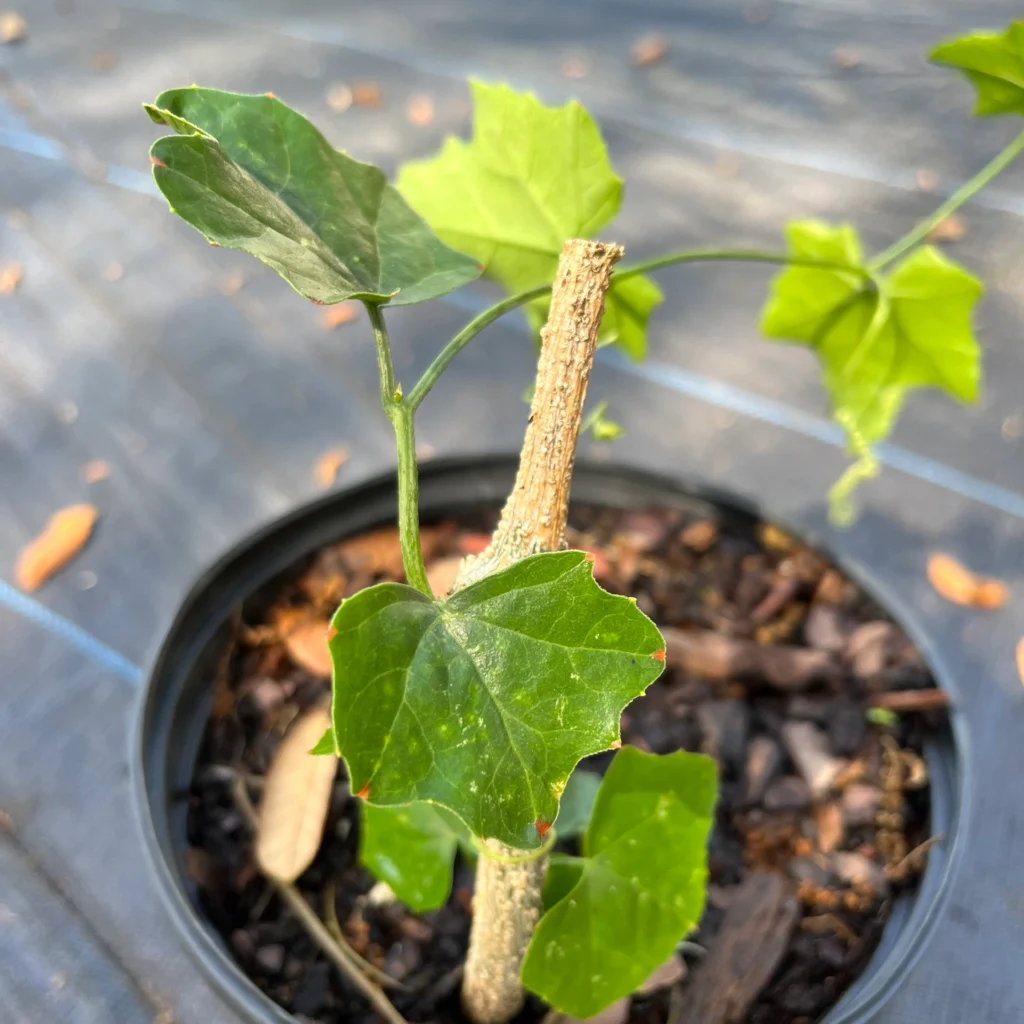
If you love home gardening, you’ll be happy to know that Tindora can be grown right in your backyard or greenhouse—especially in warm regions like Florida, Texas, or California.
1. Climate and Soil
Tindora thrives in warm, tropical climates. It prefers well-drained, loamy soil with plenty of sunlight. If you live in a cooler region, grow it indoors or in a greenhouse.

2. Propagation
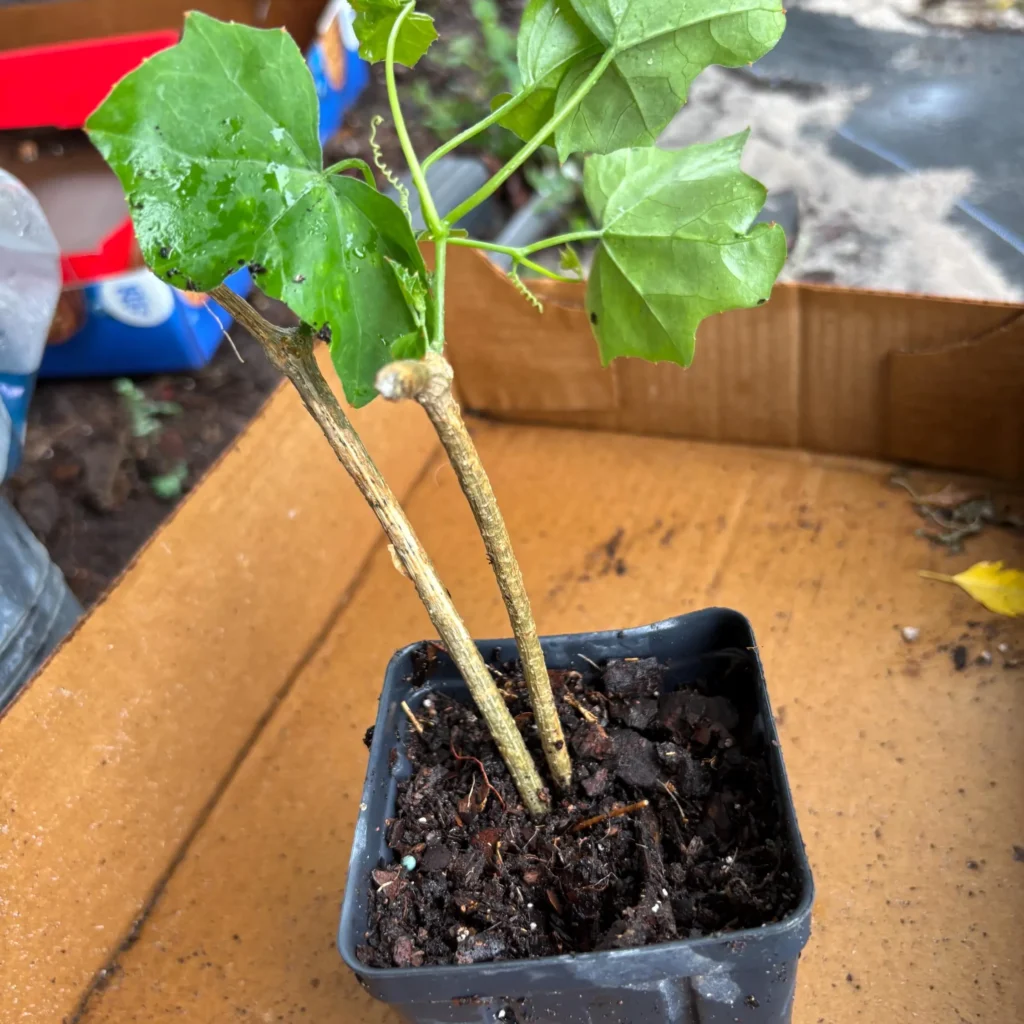
Unlike most vegetables, Tindora is typically propagated from stem cuttings rather than seeds. Take a 6–8 inch cutting from a healthy plant and plant it in moist soil. Roots usually develop in 2–3 weeks.
3. Watering
Water regularly but avoid waterlogging. Keep the soil moist during the growing season.
4. Support System
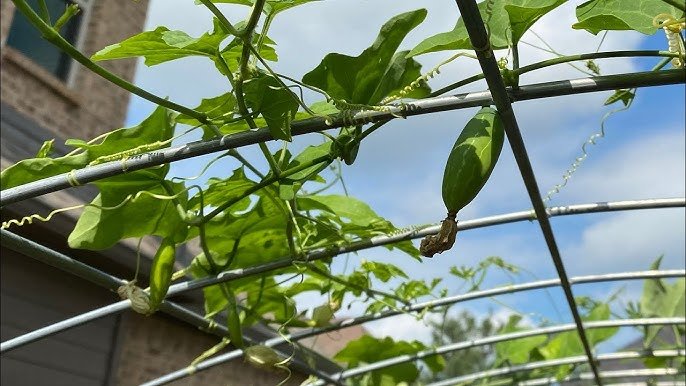
Since Tindora is a vine, provide a trellis or fence for support. It grows quickly and can spread widely if not pruned.
5. Harvesting
Fruits are ready to harvest about 2–3 months after planting. Pick them while they’re still green and tender for the best flavor and texture.
Buying and Storing Tips
You can find fresh Tindora in Asian or Indian grocery stores across the U.S., often labeled as Ivy Gourd or Scarlet Gourd. Choose firm, bright green pods without soft spots.
- Storage: Keep them in a perforated plastic bag in the refrigerator for up to one week.
- Freezing: Blanch and freeze for longer storage while maintaining texture.
Fun Facts About Tindora
- Tindora is sometimes called “baby watermelon” because of its appearance.
- In traditional Indian medicine, it’s used to cool the body and treat fever or inflammation.
- Tindora leaves and roots are also used in herbal remedies for various ailments.
- The plant’s vines can grow up to 20 feet long under optimal conditions.
Why Americans Are Loving Tindora
With the growing trend toward plant-based diets, organic produce, and global flavors, Tindora is becoming a favorite among health-conscious Americans. Its mild flavor makes it easy to incorporate into everyday meals, and its health benefits rival those of popular superfoods like kale or spinach.
For vegans, vegetarians, and low-carb eaters, Ivy Gourd offers the perfect mix of flavor, fiber, and nutrients—without any of the guilt. It’s also affordable, sustainable, and easy to grow, aligning with the American trend toward home gardening and clean eating.
Final Thoughts
Tindora (Ivy Gourd) may still be new to many American kitchens, but its nutritional richness, culinary versatility, and easy cultivation make it a superfood worth embracing. Whether you’re looking to diversify your diet, manage blood sugar levels, or simply enjoy a fresh, healthy vegetable, Tindora delivers on every front.
Add it to your next grocery list, experiment with global recipes, or even grow your own vine at home—the benefits of Tindora are too good to miss.
So, the next time you spot these tiny green gourds at your local market, remember: you’re not just buying a vegetable—you’re bringing home one of nature’s most powerful superfoods.

Leave A Comment