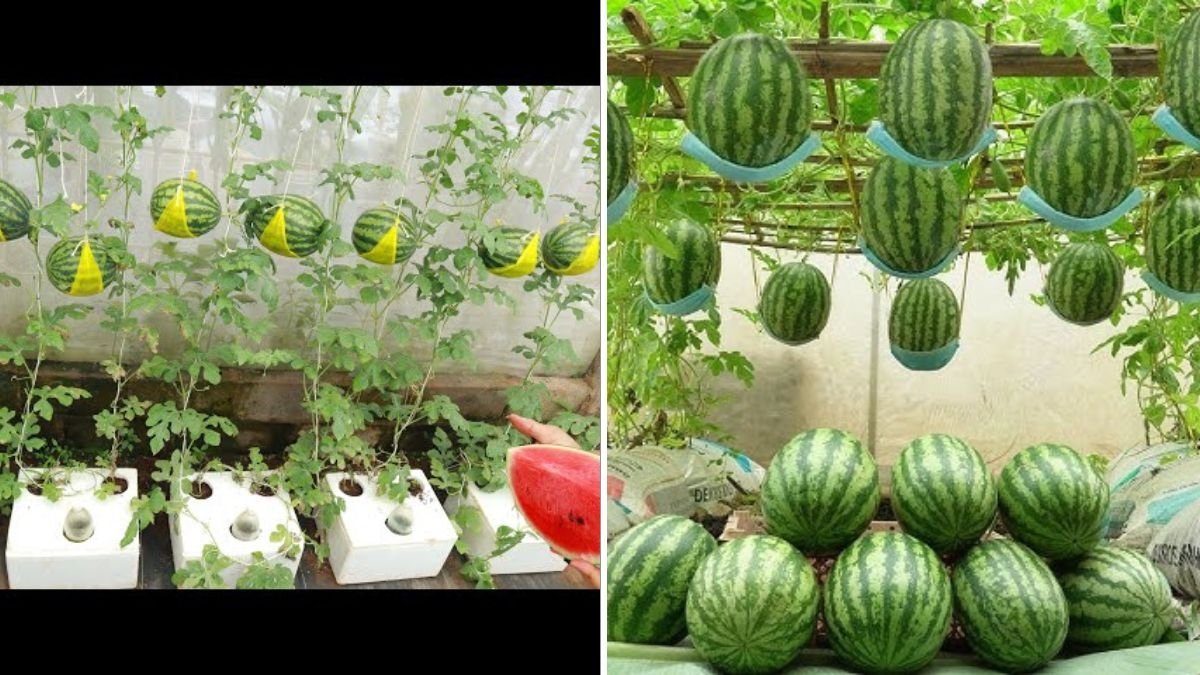
Nothing says summer and fall like the sight of lush pumpkins, sweet melons, and juicy watermelons in your backyard. These fruits are staples in American gardens and kitchens, perfect for everything from pies and salads to refreshing summer snacks. But growing them successfully requires more than just planting seeds. With the right techniques, you can maximize yield, improve sweetness, and enjoy a bountiful harvest. Here’s a detailed guide to the secrets of growing pumpkins, melons, and watermelons for American gardeners, whether you have a large backyard, raised beds, or even containers.
Why Growing Pumpkins, Melons, and Watermelons at Home Is Worth It
- Unmatched Freshness and Flavor: Homegrown fruits are sweeter, juicier, and more flavorful than store-bought varieties.
- Cost Savings: Purchasing these fruits in season can be expensive. Growing your own reduces grocery bills.
- Health Benefits: Rich in vitamins, minerals, antioxidants, and fiber.
- Sustainable Gardening: Reduce packaging and carbon footprint by growing your own produce.
Homegrown fruits also give you the satisfaction of watching seeds transform into vibrant, edible plants.
Step 1: Choosing the Right Varieties for American Gardens
Selecting varieties suited to your climate and space is crucial:
- Pumpkins: ‘Sugar Pie’ (small, sweet), ‘Cinderella’ (medium, decorative), ‘Atlantic Giant’ (large, record-breaking).
- Melons: ‘Cantaloupe,’ ‘Honeydew,’ or ‘Charentais’ are ideal for moderate climates.
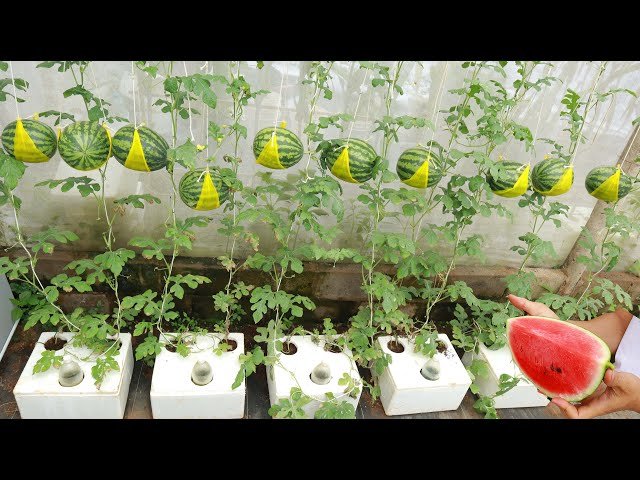
- Watermelons: ‘Sugar Baby’ (compact, early), ‘Crimson Sweet’ (classic, sweet), ‘Jubilee’ (large, high yield).
Pro Tip: Choose disease-resistant varieties if you live in humid areas or regions prone to pests.

Step 2: Preparing Your Garden or Containers
Whether you have a backyard garden, raised beds, or containers, preparation is key:
- Soil: Loose, fertile, well-draining soil is ideal. Add compost or aged manure to enrich nutrients.
- pH Level: Slightly acidic to neutral (6.0–7.0) for optimal growth.
- Space Requirements:
- Pumpkins: 3–5 feet between plants.
- Melons: 2–3 feet for bush varieties; more for sprawling vines.
- Watermelons: 4–6 feet for large varieties; compact types require less.
- Containers: Use large pots or fabric grow bags (at least 18–24 inches deep) for vine crops if space is limited.
Pro Tip: Raised beds improve drainage and make watering easier for sprawling fruits.
Step 3: Planting Techniques
Proper planting sets the stage for a successful harvest:
- Timing: Plant after the last frost when soil warms above 60°F (16°C).
- Seed Preparation: Soak seeds overnight to improve germination.
- Planting Depth: Sow seeds 1–2 inches deep for melons and watermelons, slightly deeper for pumpkins.
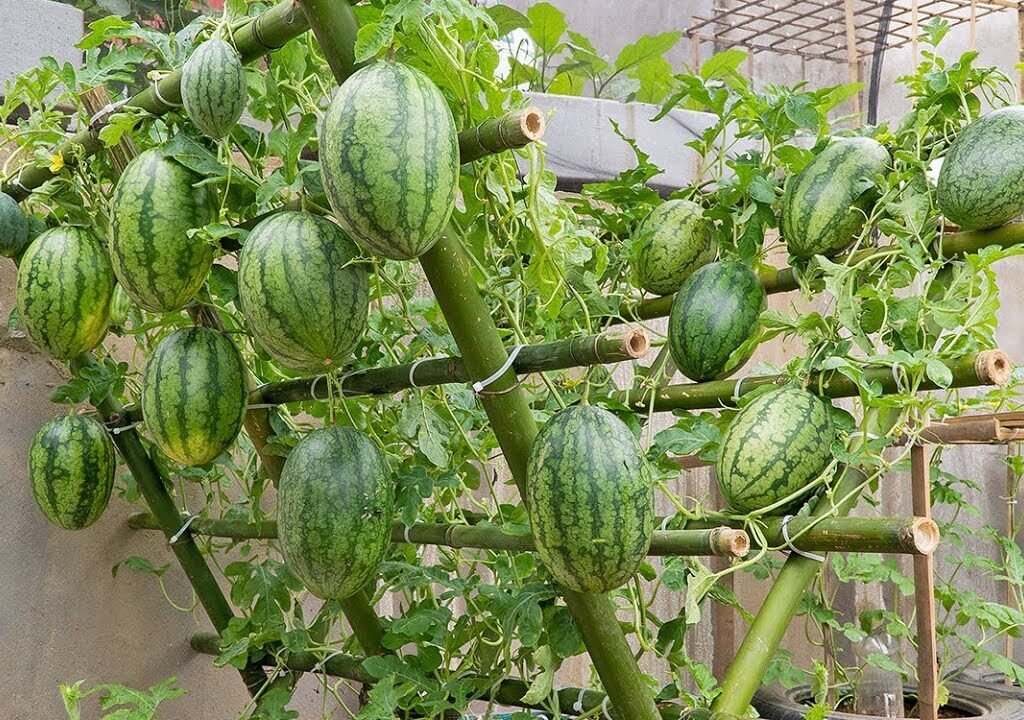
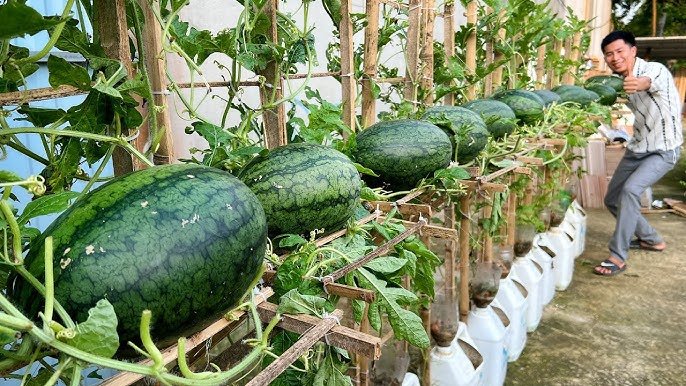
- Spacing: Allow room for vines to spread or plan vertical growth with trellises for smaller spaces.
Pro Tip: In cooler climates, start seeds indoors 3–4 weeks before transplanting outdoors.

Step 4: Providing Sunlight and Temperature
All three crops thrive in full sun and warm temperatures:
- Sunlight: At least 6–8 hours of direct sunlight daily.
- Temperature: Ideal growth occurs at 70–85°F (21–29°C). Cooler nights may slow growth.
- Microclimate: Mulch around the base to regulate soil temperature and conserve moisture.
Pro Tip: In northern U.S. states, consider using row covers or black plastic mulch to warm the soil faster in spring.
Step 5: Watering and Fertilizing Secrets
Consistent watering and proper nutrition are crucial:
- Watering: Keep soil evenly moist but not soggy. Deep watering once or twice a week encourages strong roots. Avoid wetting leaves to prevent fungal diseases.
- Fertilizing:
- Early stage: Use nitrogen-rich fertilizer for strong vine and leaf growth.
- Flowering and fruiting: Switch to phosphorus and potassium-rich fertilizers to promote blossoms and sweeter fruits.
- Organic Options: Compost tea, worm castings, and fish emulsion work beautifully for home gardens.
Pro Tip: Drip irrigation systems help maintain consistent moisture and prevent water-related diseases.

Step 6: Training and Supporting Vines
For maximum yield and space efficiency:
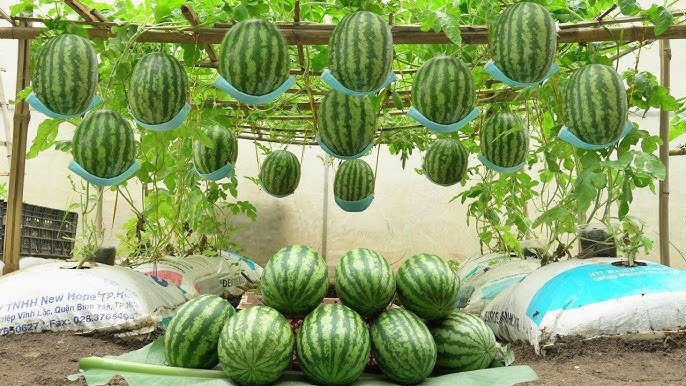
- Trellising: Ideal for smaller pumpkins and melons. Use netting or slings to support fruits.
- Pruning: Remove excessive lateral shoots or leaves that block sunlight to fruits.
- Spacing Control: Train vines along paths or fences to reduce sprawling and make harvesting easier.
Pro Tip: Vertical growth improves airflow, reduces fungal problems, and keeps fruits cleaner.
Step 7: Pollination Tips
Pumpkins, melons, and watermelons require pollination to set fruit:
- Natural Pollinators: Bees are the best. Encourage them with flowers nearby.
- Hand Pollination: In areas with few pollinators, use a soft brush to transfer pollen from male to female flowers.
- Flower Identification: Male flowers appear first and have a thin stem; female flowers have a small swelling (future fruit) at the base.
Pro Tip: Morning pollination yields the best results, as flowers are fresh and fully open.

Step 8: Pest and Disease Management
Even home gardens face pests and diseases:
- Common Pests: Squash bugs, cucumber beetles, aphids, spider mites. Hand-picking or neem oil sprays work well.
- Diseases: Powdery mildew, downy mildew, and fusarium wilt can occur in humid climates. Ensure good airflow, avoid overhead watering, and rotate crops annually.
Pro Tip: Mulching and trellising reduce soil contact and prevent fungal infections.
Step 9: Harvesting Secrets
Knowing the signs of maturity ensures maximum sweetness and quality:
- Pumpkins: Harvest when the skin is hard, color is deep, and the stem starts to dry.
- Melons: ‘Slip’ method: cantaloupes naturally detach from the vine when ripe.
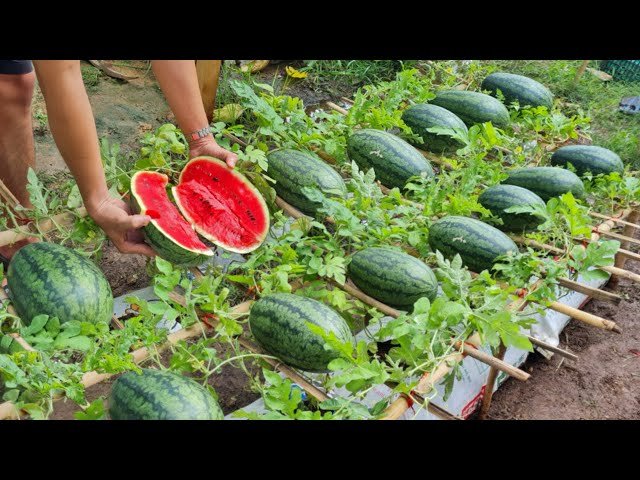
- Watermelons: Look for a yellowish ground spot, dull rind, and a hollow sound when tapped.
Pro Tip: Use garden shears to cut fruits instead of pulling to avoid damaging vines.
Step 10: Post-Harvest Handling
Proper handling extends shelf life and preserves sweetness:
- Curing: Store pumpkins, melons, and watermelons in a warm, dry place for several days.
- Storage: Pumpkins store well in a cool, dry area for months; melons and watermelons should be refrigerated once ripe.
- Consumption: Enjoy fresh, roasted, in smoothies, or in classic American desserts like pumpkin pie or fruit salads.
Pro Tips for Sweeter Fruits
- Full Sun: Maximum sunlight promotes sugar accumulation.
- Moderate Stress: Slightly less water during fruiting can enhance sweetness.
- Fertilizer Balance: Potassium-rich fertilizers support fruit flavor and size.
- Pruning: Focus energy on fewer, well-developed fruits rather than too many small ones.
Advantages of Growing These Fruits at Home
- Fresh, Juicy Fruits: Taste and nutrition far exceed store-bought produce.
- High Yield: Proper care produces abundant fruits.
- Health and Sustainability: Organic practices reduce chemicals and support the environment.
- Educational and Fun: Perfect for family gardening projects.
Final Thoughts
Growing pumpkins, melons, and watermelons at home doesn’t require a huge garden, just the right techniques, space management, and care. By selecting suitable varieties, providing full sun, supporting vines, and ensuring proper pollination and nutrition, American gardeners can enjoy high yields of sweet, juicy fruits.
Start with one plant of each type and gradually expand your home garden. Watch your backyard or balcony transform into a productive, fruit-filled oasis, perfect for family meals, desserts, and fall decorations.

Leave A Comment