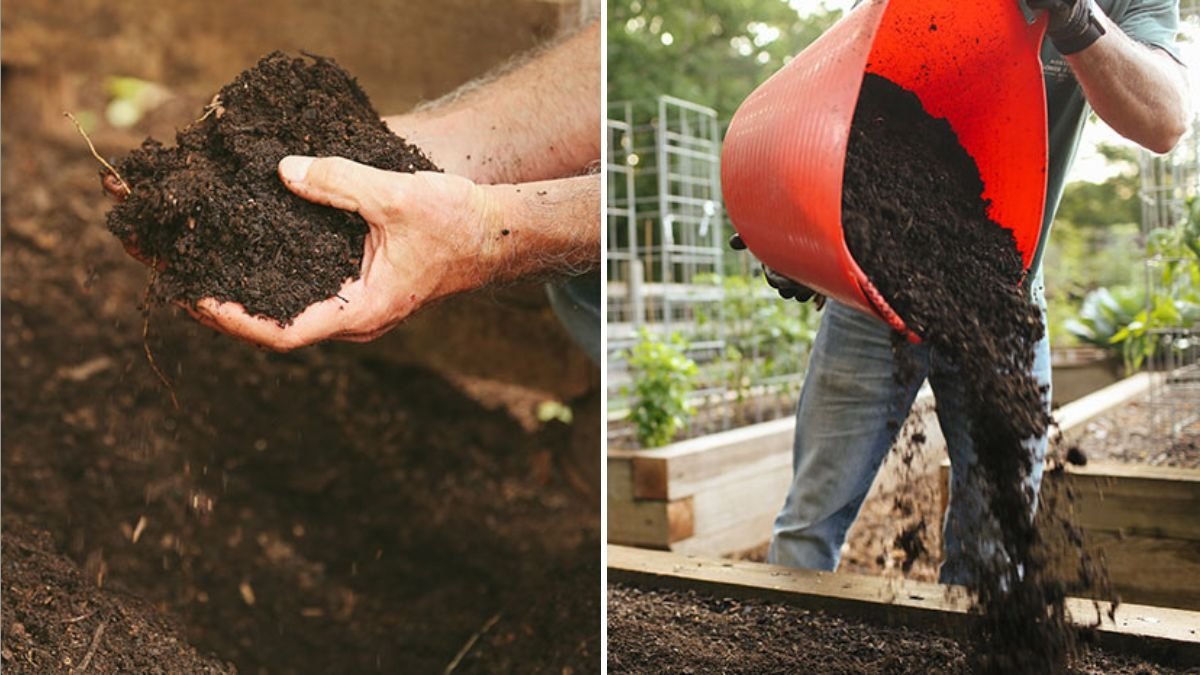
Healthy soil is the foundation of a thriving garden. Plants rely on soil not just for physical support but also for nutrients, water retention, and a thriving microbial ecosystem. While chemical fertilizers can provide a short-term boost, natural soil improvement techniques enhance fertility sustainably, increase biodiversity, and create long-term benefits for your garden.
This comprehensive guide will show you how to improve garden soil naturally, covering soil assessment, amendments, mulching, composting, crop rotation, and ongoing maintenance to ensure your plants flourish year after year.
Step 1: Assess Your Soil
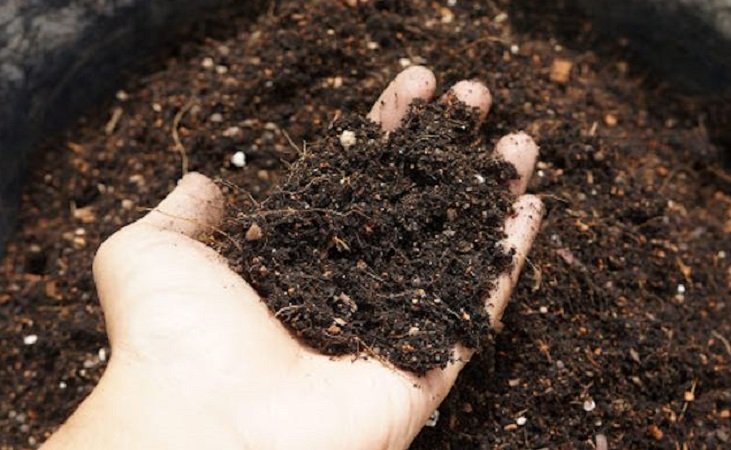
Before making any changes, it’s important to understand your soil’s current condition:
Check Soil Texture
- Sandy Soil: Drains quickly but doesn’t hold nutrients well.
- Clay Soil: Holds water but can be compacted, limiting root growth.
- Loamy Soil: Ideal for gardening; balanced texture with good drainage and nutrient retention.
Test Soil pH
- Most plants thrive in slightly acidic to neutral soil (pH 6–7).
- Use a home soil test kit or send a sample to a lab.
- Adjust pH naturally using:
- Lime to raise pH (for acidic soils)
- Sulfur to lower pH (for alkaline soils)
Check Nutrient Levels
- Nitrogen, phosphorus, and potassium are essential.
- Observe plant growth: yellow leaves may indicate nitrogen deficiency, while poor flowering could suggest phosphorus deficiency.
Tip: Knowing your soil’s strengths and weaknesses allows you to choose the right natural amendments.
Step 2: Add Organic Matter
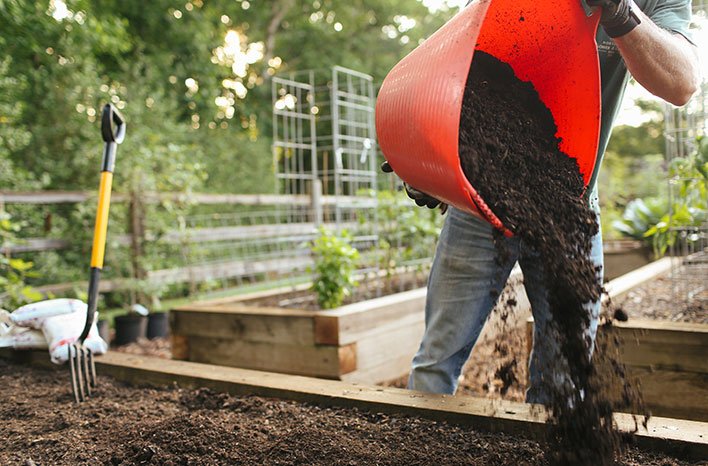
Organic matter improves soil structure, water retention, and nutrient content.

Compost
- Decomposed plant material, kitchen scraps, and garden waste.
- Adds essential nutrients and supports beneficial microbes.
- Apply 2–3 inches of compost on top of the soil or mix it into the top 6–12 inches.
Manure
- Well-aged animal manure enriches soil with nitrogen, phosphorus, and potassium.
- Avoid fresh manure as it may burn plants or introduce pathogens.
- Incorporate into soil before planting.
Leaf Mold
- Decomposed leaves improve soil structure and water retention.
- Collect leaves in a pile or bag, moisten, and let them decompose over months.
Tip: Adding organic matter gradually improves soil fertility and microbial activity over time.
Step 3: Use Natural Fertilizers
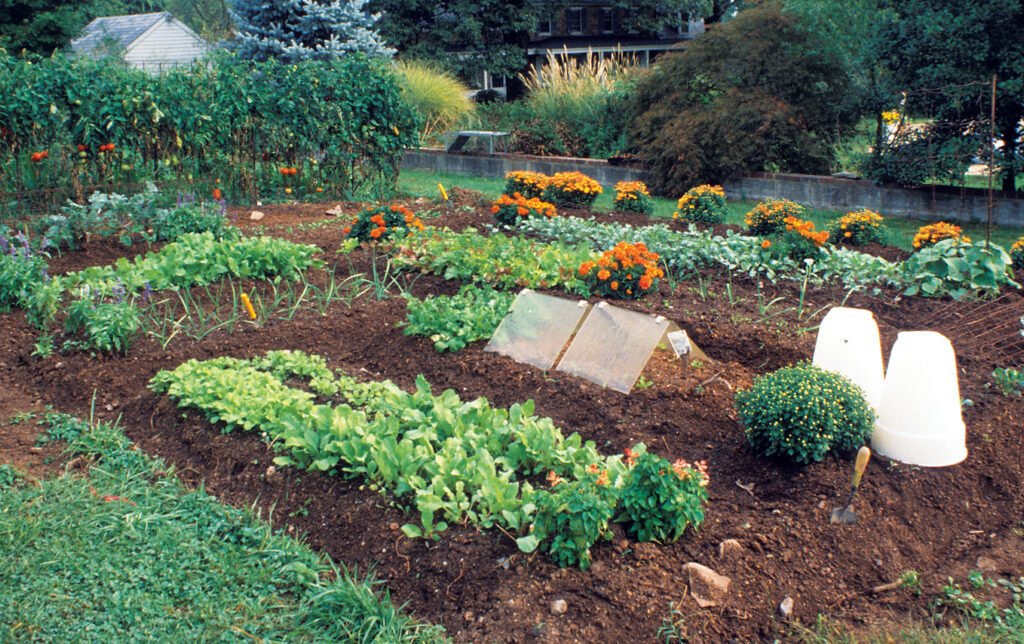
Natural fertilizers provide nutrients without harming the ecosystem:
- Bone Meal: Rich in phosphorus for strong root development.
- Blood Meal: High nitrogen content for leafy growth.
- Wood Ash: Adds potassium and raises soil pH.
- Seaweed or Kelp: Contains trace minerals, growth hormones, and improves plant resilience.
- Banana Peels: High in potassium and calcium; can be buried or turned into a liquid fertilizer.
Tip: Combine different natural fertilizers to achieve balanced nutrition for your plants.
Step 4: Practice Mulching
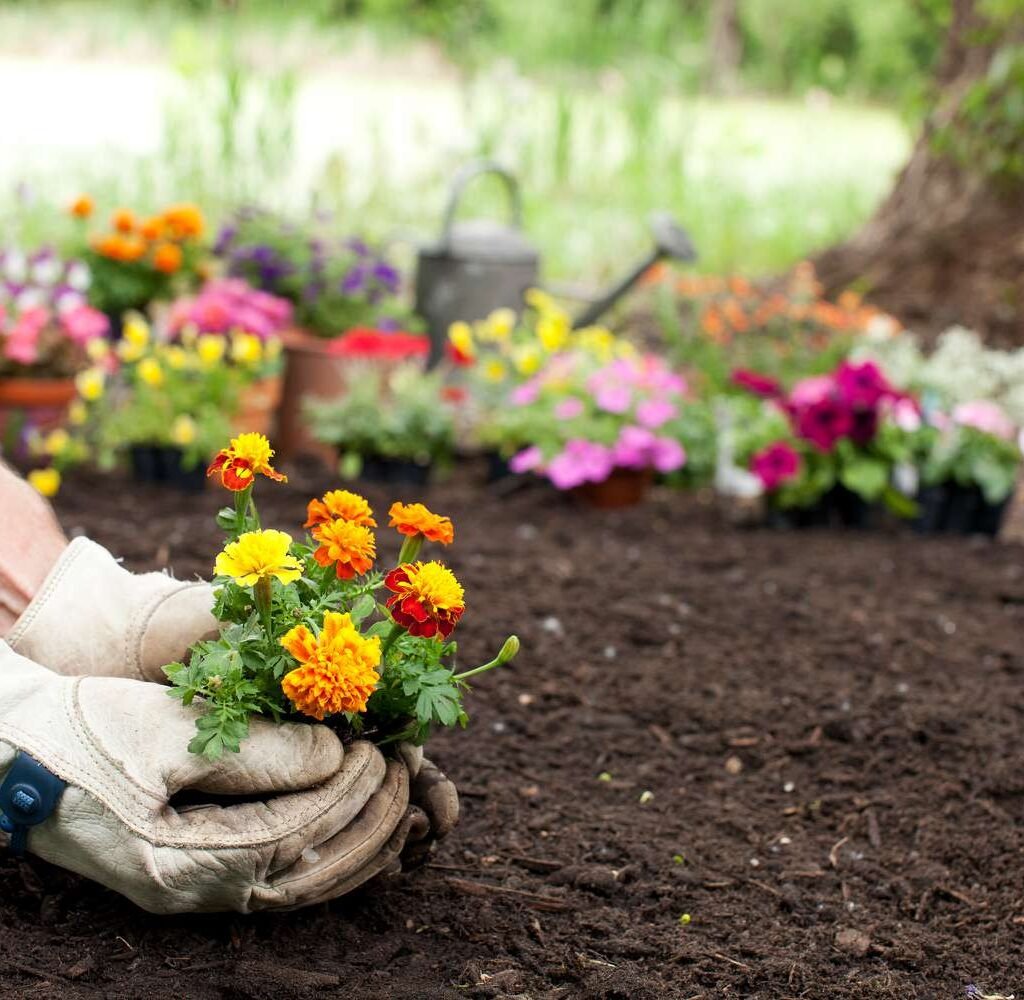
Mulching protects soil and enhances fertility naturally:
- Use straw, shredded leaves, grass clippings, or wood chips.
- Benefits:
- Reduces soil erosion
- Retains moisture
- Suppresses weeds
- Adds organic matter as it decomposes
Tip: Keep mulch 2–3 inches thick and avoid piling directly against plant stems to prevent rot.

Step 5: Encourage Soil Microbes
Beneficial microorganisms break down organic matter and make nutrients available to plants.
- Add compost and organic fertilizers to support microbial life.
- Avoid chemical pesticides that disrupt microbial ecosystems.
- Introduce mycorrhizal fungi to enhance root absorption of water and nutrients.
Tip: Healthy soil teems with life, including earthworms, bacteria, and fungi, all of which improve fertility naturally.
Step 6: Use Cover Crops and Green Manure
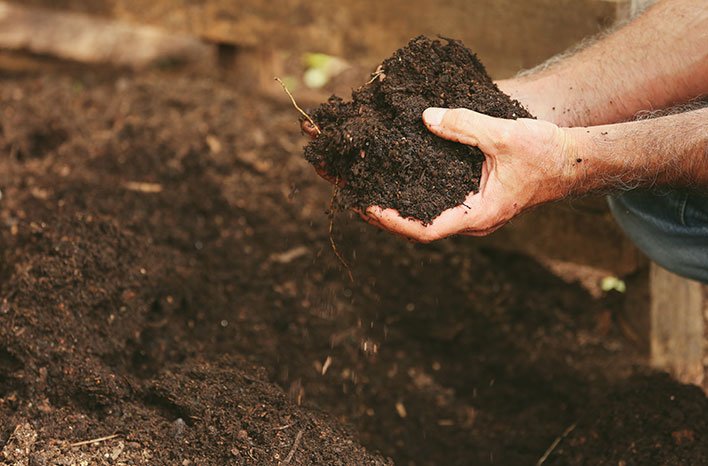
Cover crops protect soil and improve nutrient content:
- Legumes (clover, beans, peas): Fix nitrogen in the soil naturally.
- Rye, Oats, or Barley: Suppress weeds, prevent erosion, and add organic matter when tilled back into the soil.
- Buckwheat: Grows quickly, attracts pollinators, and can be composted for soil enrichment.
Tip: Plant cover crops during off-seasons to keep soil active and fertile year-round.
Step 7: Rotate Crops
Crop rotation prevents nutrient depletion and reduces disease pressure:

- Avoid planting the same plant family in the same location each year.
- Rotate heavy feeders like tomatoes and corn with legumes that add nitrogen.
- Rotate root crops with leafy crops for balanced nutrient use.
Tip: Rotating crops naturally improves soil fertility and discourages pests and diseases.
Step 8: Improve Soil Aeration
Aeration helps roots access oxygen and nutrients:
- Double Digging: Loosen soil to allow deep root penetration.
- Aerating Tools: Use a garden fork or mechanical aerator in compacted areas.
- Avoid Over-Tilling: Excessive tilling can damage soil structure and microbes.
Tip: Aerated soil encourages healthy root systems and better water infiltration.
Step 9: Retain Moisture Naturally
Healthy soil retains water effectively:
- Organic Mulches: Reduce evaporation and maintain consistent moisture.
- Compost and Organic Matter: Improves water-holding capacity of sandy soils.
- Swales or Rain Gardens: Collect rainwater and allow slow infiltration to nourish the soil.
Tip: Even moisture promotes nutrient uptake and prevents stress that can weaken plants.

Step 10: Avoid Harmful Chemicals
Chemical fertilizers and pesticides can disrupt soil life:
- Harm beneficial microbes and insects
- Cause nutrient imbalances
- Lead to runoff and environmental pollution
Tip: Stick to natural fertilizers, organic amendments, and physical pest control for a thriving, balanced garden ecosystem.
Step 11: Monitor and Adjust
Regular observation helps maintain healthy soil:
- Conduct seasonal soil tests for pH and nutrient levels.
- Observe plant growth for signs of nutrient deficiency.
- Adjust organic amendments as needed.
- Keep a gardening journal to track improvements and outcomes.
Tip: Healthy soil is dynamic; small, consistent improvements over time yield the best results.
Benefits of Improving Soil Naturally
- Increased Fertility: Supports healthy, productive plants.
- Better Structure: Loamy, aerated soil encourages root growth.
- Water Retention: Reduces watering needs and drought stress.
- Pest and Disease Resistance: Healthy soil fosters resilient plants.
- Environmental Sustainability: Reduces chemical use and promotes biodiversity.
Tip: Healthy soil improves yields and plant quality without harming the environment.

Step 12: Sustainable Practices for Long-Term Soil Health
- Compost kitchen and garden waste regularly.
- Use natural fertilizers instead of synthetic chemicals.
- Plant diverse species to maintain balanced nutrient use.
- Introduce cover crops and rotate plant families.
- Encourage beneficial insects and earthworms for natural soil enrichment.
Tip: Over time, these practices build a thriving, self-sustaining soil ecosystem.
Final Thoughts
Improving garden soil naturally is a long-term investment in plant health, sustainability, and productivity. By assessing your soil, adding organic matter, using natural fertilizers, mulching, promoting microbes, practicing crop rotation, and avoiding harmful chemicals, you can create fertile, resilient soil that supports plants year-round.
Natural soil improvement benefits both your garden and the environment. Your plants will thrive, water use will be optimized, and you’ll enjoy a vibrant, healthy garden that flourishes season after season.
Remember: healthy soil is the secret to a thriving garden. With patience, consistent care, and natural techniques, you can transform your garden into a lush, productive oasis without relying on chemicals.

Leave A Comment