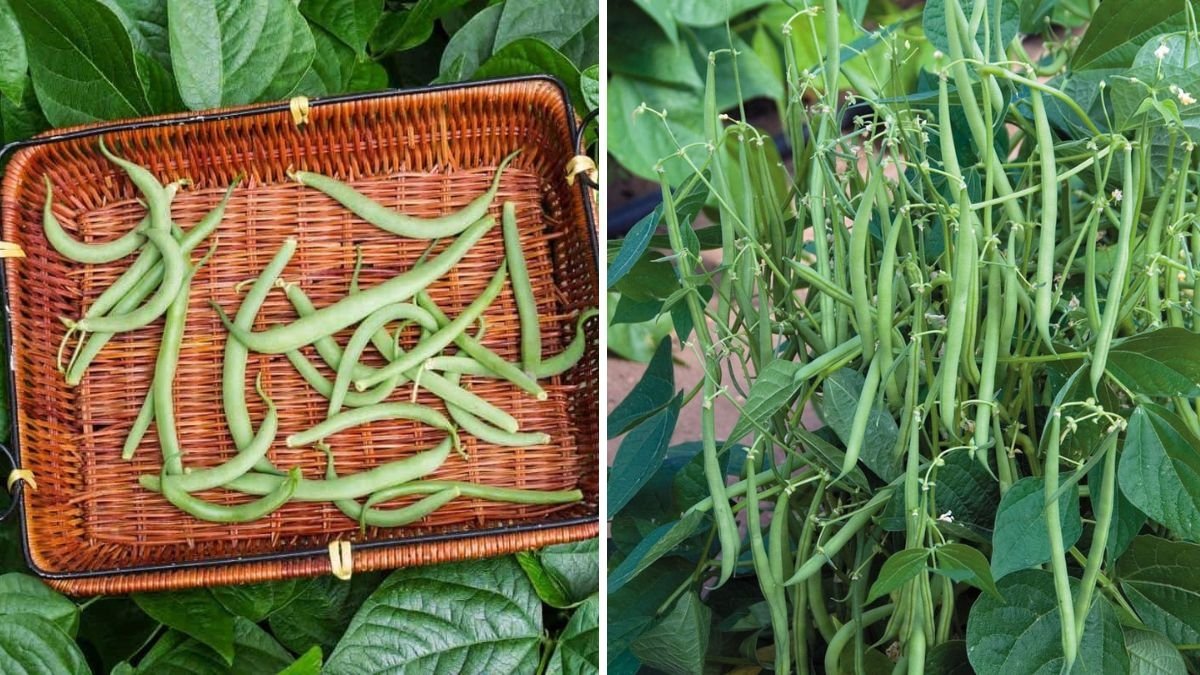
If you’re looking for a vegetable that thrives in the summer heat, produces abundantly, and adds an exotic flair to your garden, yardlong beans are your perfect match. Also known as asparagus beans, Chinese long beans, or snake beans, these tropical vines are loved for their remarkable length — pods that can stretch up to three feet long!
Native to Southeast Asia, yardlong beans (Vigna unguiculata subsp. sesquipedalis) are heat-loving legumes that grow vigorously in warm American climates. Their tender, flavorful pods are packed with vitamins A and C, fiber, and plant protein, making them a favorite among home gardeners and chefs alike.
This comprehensive guide will teach you how to grow, care for, and harvest yardlong beans successfully in the U.S., along with the best planting tips, pest control strategies, and delicious ways to enjoy your harvest.
1. What Are Yardlong Beans?
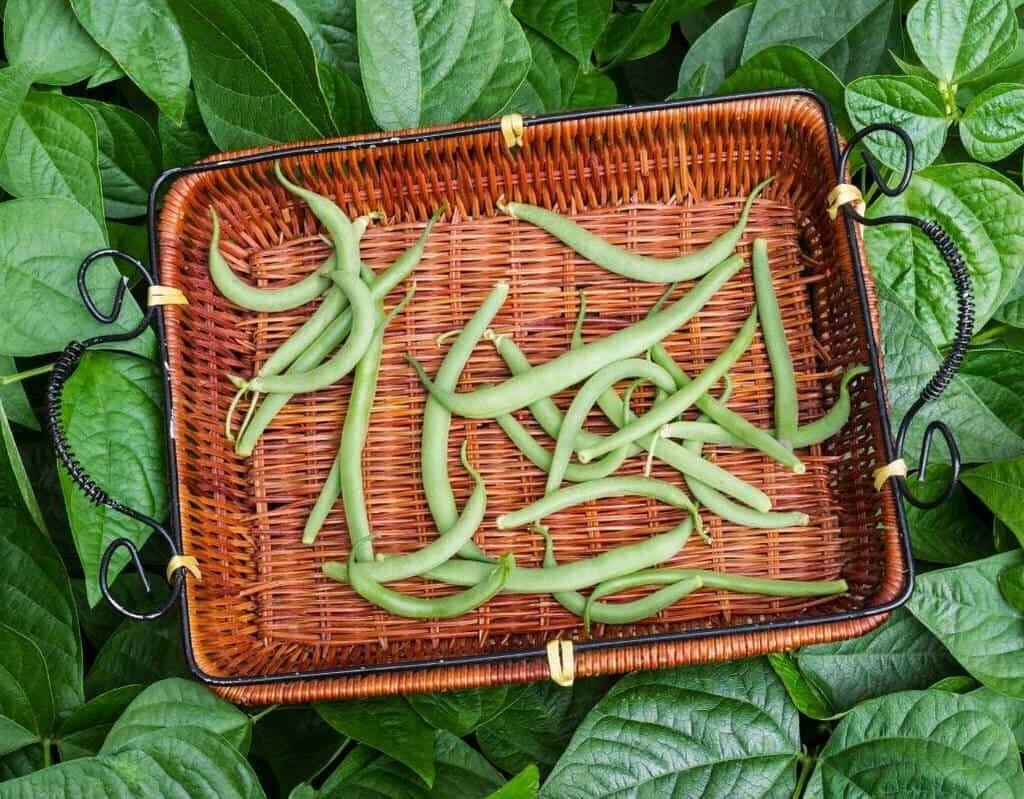
Despite their name, yardlong beans rarely reach a full yard in length — but their pods regularly grow 18–30 inches, which is still impressive!
They belong to the cowpea family, making them close relatives of black-eyed peas. The plants are vigorous climbers, producing clusters of slender green (or sometimes purple) pods that grow in pairs.
Common names:
- Chinese long beans
- Asparagus beans
- Snake beans
- Bora (in Caribbean regions)
These beans have a crisp, nutty flavor when lightly cooked and stay tender even when long, unlike regular green beans that become tough with maturity.

2. Ideal Climate and Growing Zones in the USA
Yardlong beans love heat and humidity, making them an excellent choice for American gardeners in southern and coastal regions.
Best USDA Zones:
- Zones 8–11: Grow year-round or as summer crops.
- Zones 6–7: Grow as annuals during the warmest months.
- Northern states: Start seeds indoors or in greenhouses and transplant after frost.
Best growing regions:
- Florida, Texas, Louisiana, Alabama, Georgia, South Carolina, southern California, and Arizona.
Yardlong beans require warm soil (at least 70°F) and daytime temperatures between 80°F–95°F for optimal growth.
3. How to Plant Yardlong Beans
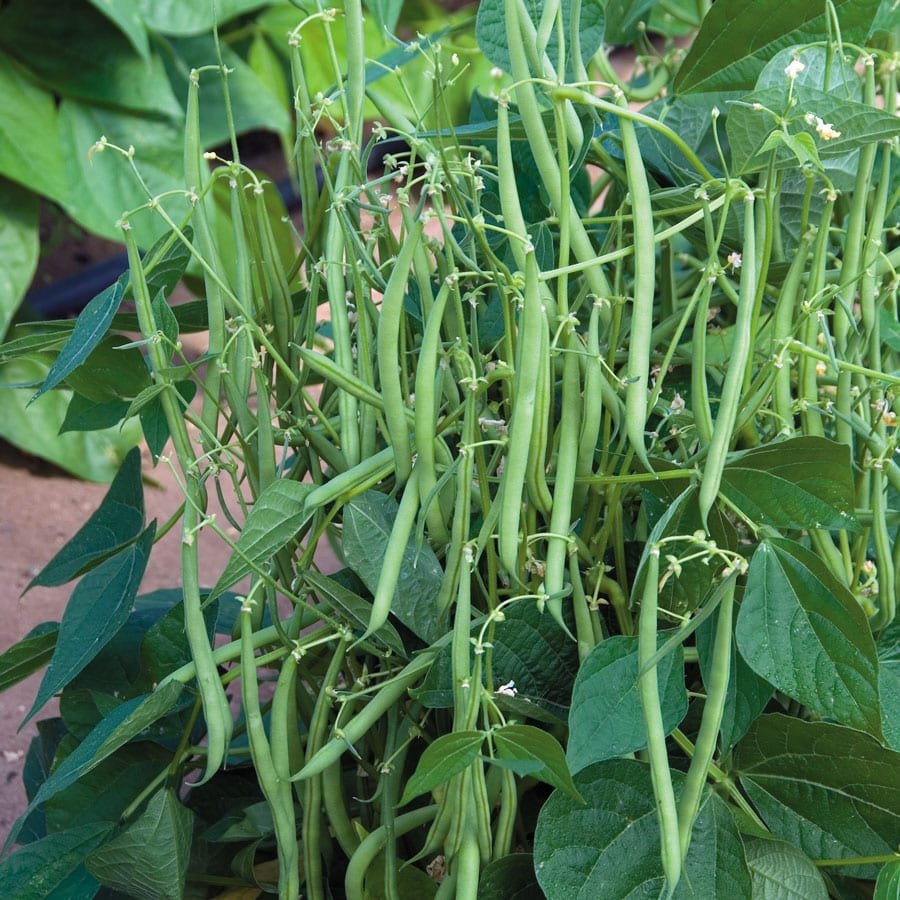
Planting yardlong beans is simple and rewarding. Once established, they grow quickly and produce heavily until frost.
a. Choosing the Right Variety
Popular U.S. varieties include:
- Red Noodle: Deep red-purple pods, tender and sweet.
- Gita: Long green pods, crisp texture, early-maturing.
- Orient Wonder: Heat-tolerant, prolific producer, great for small gardens.
b. Soil Preparation
Yardlong beans thrive in well-draining, fertile soil rich in organic matter.
Ideal soil conditions:
- pH: 6.0–7.5
- Add compost or aged manure before planting.
- Avoid excessive nitrogen — it promotes leaf growth but reduces pod production.
c. Planting Seeds
- Wait until 2–3 weeks after the last frost, when the soil has warmed.
- Sow seeds directly outdoors 1 inch deep and 3–4 inches apart.
- Space rows 3 feet apart for climbing varieties.
- Keep the soil evenly moist during germination (7–10 days).
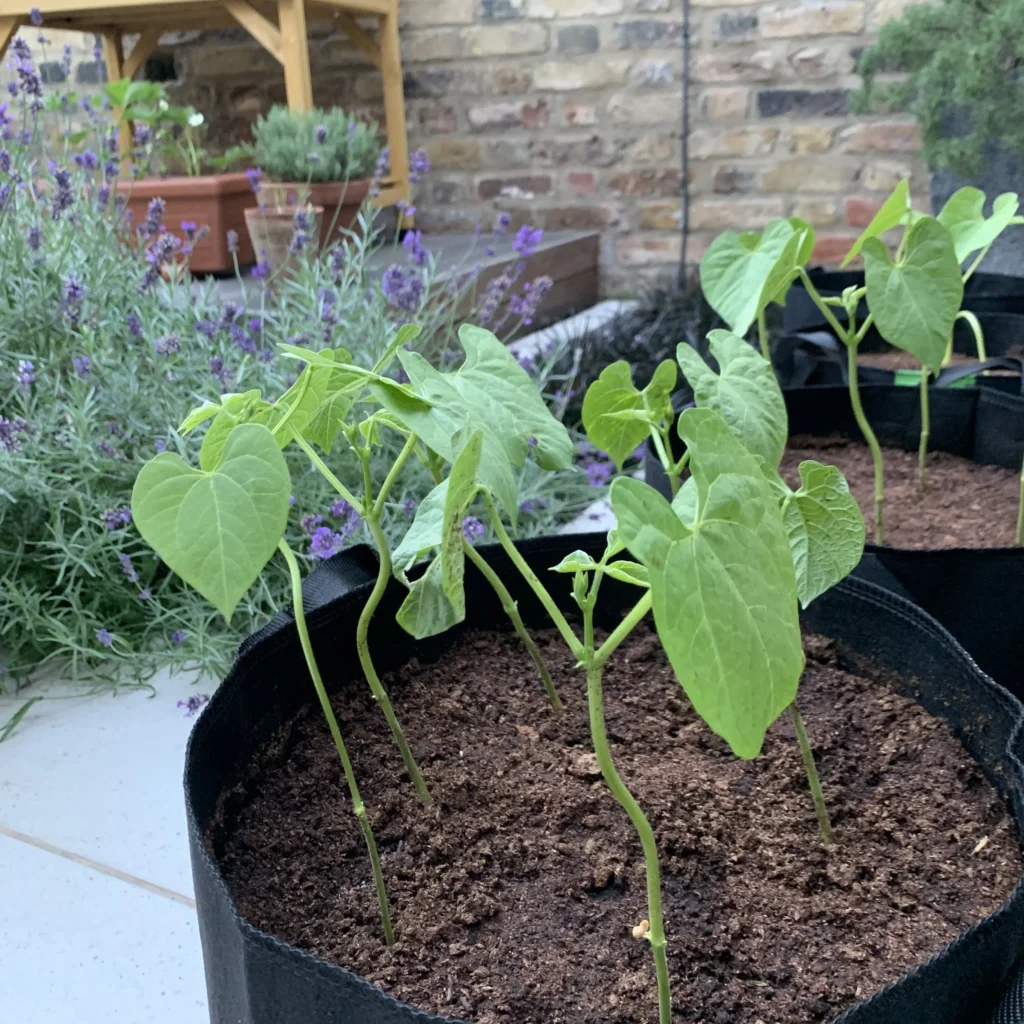
For northern climates, start seeds indoors in biodegradable pots and transplant when seedlings are 4–6 inches tall.
4. Sunlight, Water, and Feeding
a. Sunlight
Yardlong beans require full sun (at least 6–8 hours daily) to produce abundant pods. They will not thrive in partial shade.
b. Watering
Beans need consistent moisture, especially during flowering and pod formation.
- Water deeply once or twice per week.
- Avoid overwatering to prevent root rot.
- Mulch around the plants to conserve moisture and suppress weeds.
c. Fertilization
Yardlong beans are nitrogen-fixers, meaning they naturally enrich the soil. Therefore, they don’t need heavy feeding.
- Apply compost or a balanced organic fertilizer (5-5-5) before planting.
- Side-dress with compost mid-season if growth slows.
5. Supporting the Vines
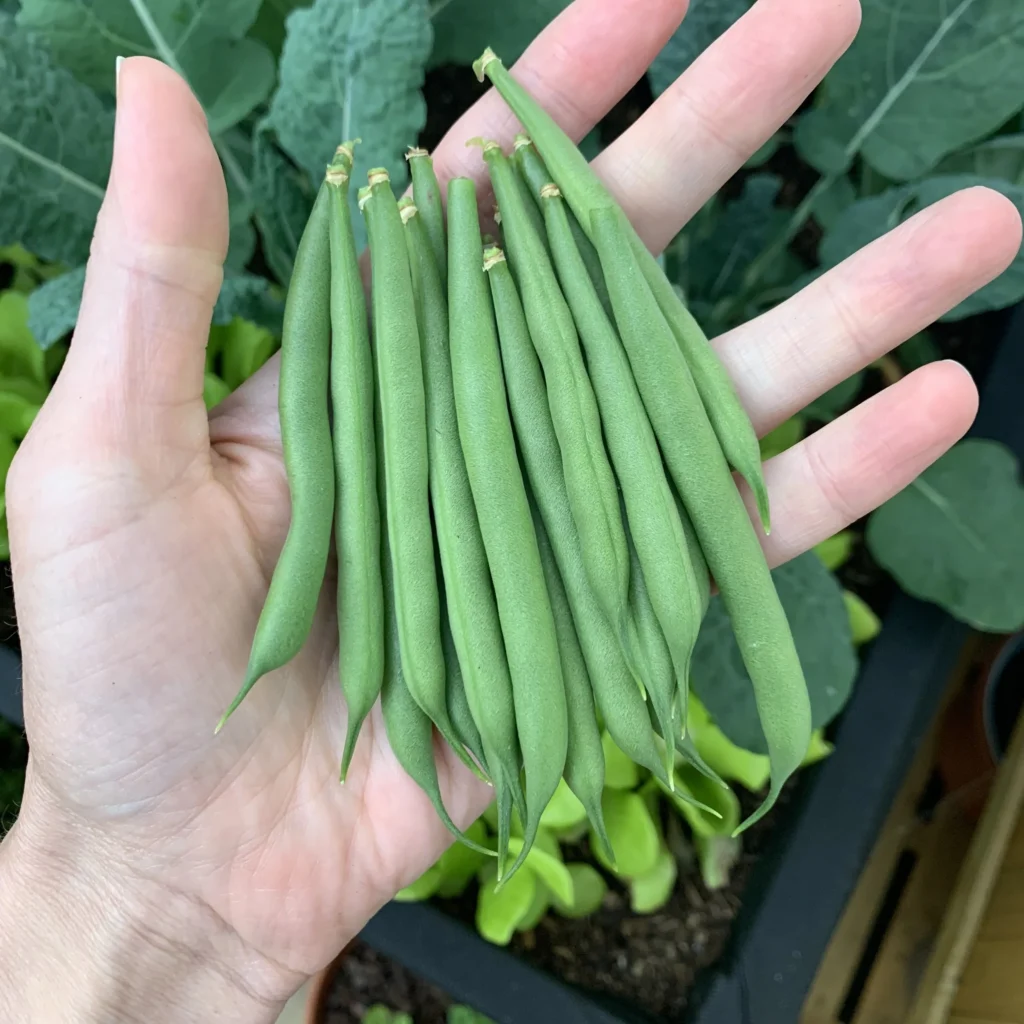
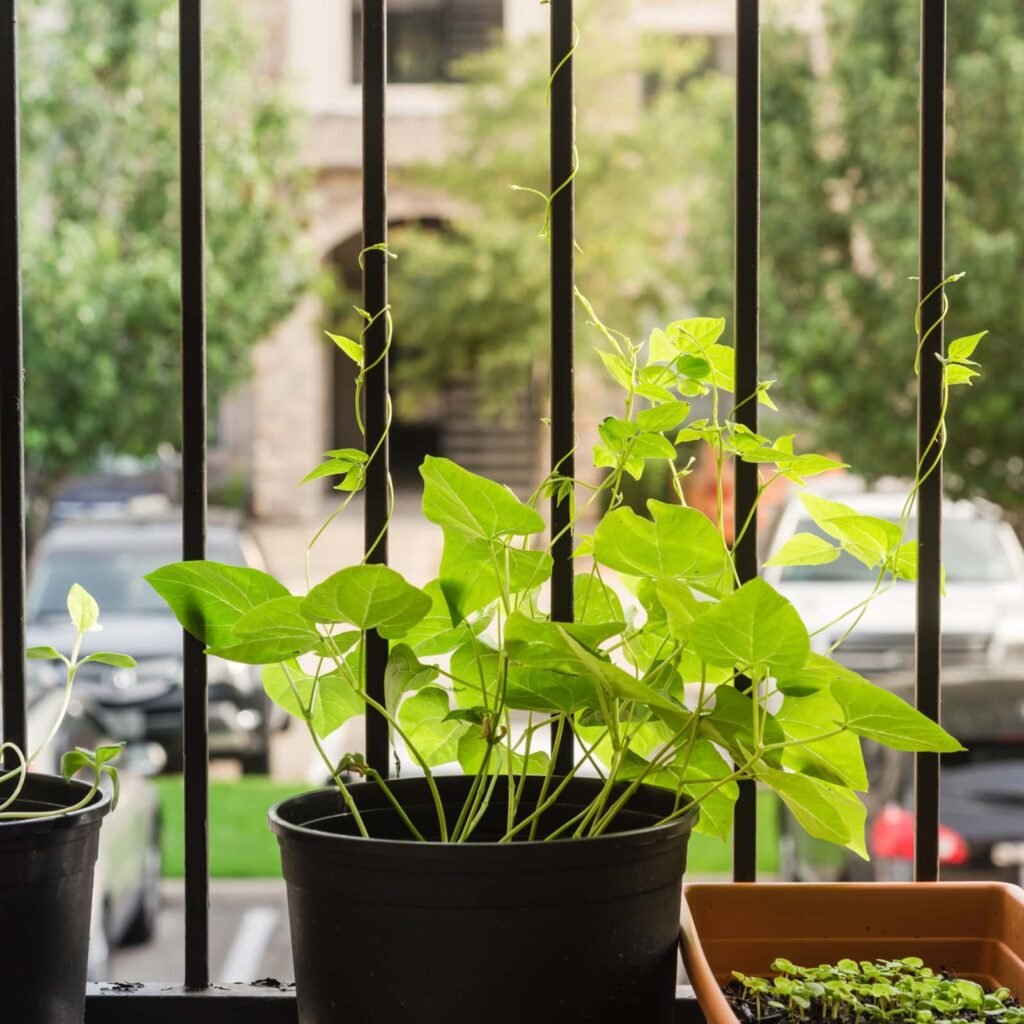
Yardlong beans are vigorous climbers, and providing strong support is crucial.
Use:
- Tall trellises (6–8 feet high)
- Bamboo poles or teepees
- Sturdy fences or arbors
Train young vines to climb by gently wrapping tendrils around the support. Vertical growth keeps pods clean, straight, and easy to harvest.
6. Pollination and Flowering
Yardlong beans produce beautiful pale pink or lavender flowers that develop into long pods.
Pollination is usually handled by bees and other pollinators, but high humidity or excessive rain can reduce flower fertility. If yields are low, hand-pollinate by gently brushing pollen from one flower to another.
7. Common Pests and Diseases
Though hardy, yardlong beans can face some pest and disease challenges, especially in humid areas.
Common Pests:
- Aphids
- Spider mites
- Bean beetles
- Whiteflies
Solutions:
- Spray neem oil or insecticidal soap weekly.
- Introduce beneficial insects like ladybugs.
- Avoid planting near other legumes to reduce pest buildup.
Diseases:
- Powdery mildew
- Anthracnose
- Root rot (from overwatering)
Prevention tips:
- Ensure good air circulation.
- Water at the base — avoid wetting leaves.
- Rotate crops each season.
8. Harvesting Yardlong Beans
Yardlong beans mature 60–90 days after planting, depending on the variety and climate.
When to Harvest:
- Harvest pods when they are 12–18 inches long, before seeds inside swell.
- The pods should be firm, smooth, and flexible.
- Pick every 2–3 days to encourage continuous production.
How to Harvest:
- Cut or gently twist pods from the vine to avoid damaging new flowers.
- Frequent harvesting ensures steady yields for weeks.
Tip: The more you pick, the more the plant produces!
9. Post-Harvest Handling and Storage
Freshly picked yardlong beans can be stored in the refrigerator for up to 5–7 days.
- Place them in a perforated plastic or paper bag.
- Avoid washing until ready to use to extend shelf life.
For longer preservation:
- Blanch and freeze beans for up to 8 months.
- Dry the seeds if you want to use them as cowpeas or for next season’s planting.
10. Cooking and Nutritional Benefits
Yardlong beans are not just impressive to grow — they’re also nutritionally rich and incredibly versatile in the kitchen.
Nutritional Highlights (per 100g):
- Calories: 47
- Fiber: 2.8g
- Protein: 3g
- Vitamin A: 15% DV
- Vitamin C: 30% DV
Health Benefits:
- Supports heart health and digestion
- Boosts immunity and eye health
- Low in calories and carbs — great for weight management
Popular Cooking Ideas:
- Stir-fried yardlong beans with garlic and soy sauce (Asian-style)
- Sautéed with bacon or ham, Southern-style
- Added to curries, soups, and stews
- Grilled or roasted for a smoky flavor
- Mixed into salads for crunch and nutrition
Yardlong beans retain their crunch even when cooked, making them perfect for quick stir-fries and sautés.
11. Saving Seeds for the Next Season
To save seeds:
- Leave a few pods on the vine to mature and dry fully.
- Harvest when they turn brown and brittle.
- Shell the beans, dry them for 2–3 days, and store them in an airtight container.
Stored in a cool, dry place, yardlong bean seeds remain viable for up to 3 years.
12. Benefits of Growing Yardlong Beans
✅ Heat tolerance: Perfect for American summers.
✅ High yield: One vine can produce dozens of pods weekly.
✅ Low maintenance: Minimal fertilizer and pest control needed.
✅ Soil improvement: Natural nitrogen fixation enriches the soil.
✅ Versatile use: Great in global cuisines and local American recipes.
Their adaptability makes them ideal for both urban gardeners and homesteaders seeking productive, sustainable crops.
13. Companion Planting Tips
Yardlong beans grow well alongside:
- Corn (for natural trellising)
- Okra
- Eggplant
- Tomatoes
- Marigolds (for pest control)
Avoid planting near onions or garlic, which can stunt their growth.
Conclusion: Bring Exotic Flavor and Productivity to Your Backyard
Growing yardlong beans in the USA is an exciting way to expand your home garden with a unique, high-yielding, and heat-tolerant crop. Their vigorous vines, fast growth, and delicious pods make them one of the easiest and most rewarding vegetables for American gardeners.
Whether you’re in sunny Texas or humid Florida, these tropical beans will flourish under your care — offering a taste of Asia and a bounty of nutrition straight from your backyard.
So, grab some seeds, build a sturdy trellis, and get ready to enjoy yards of fresh, tender beans all summer long!

Leave A Comment