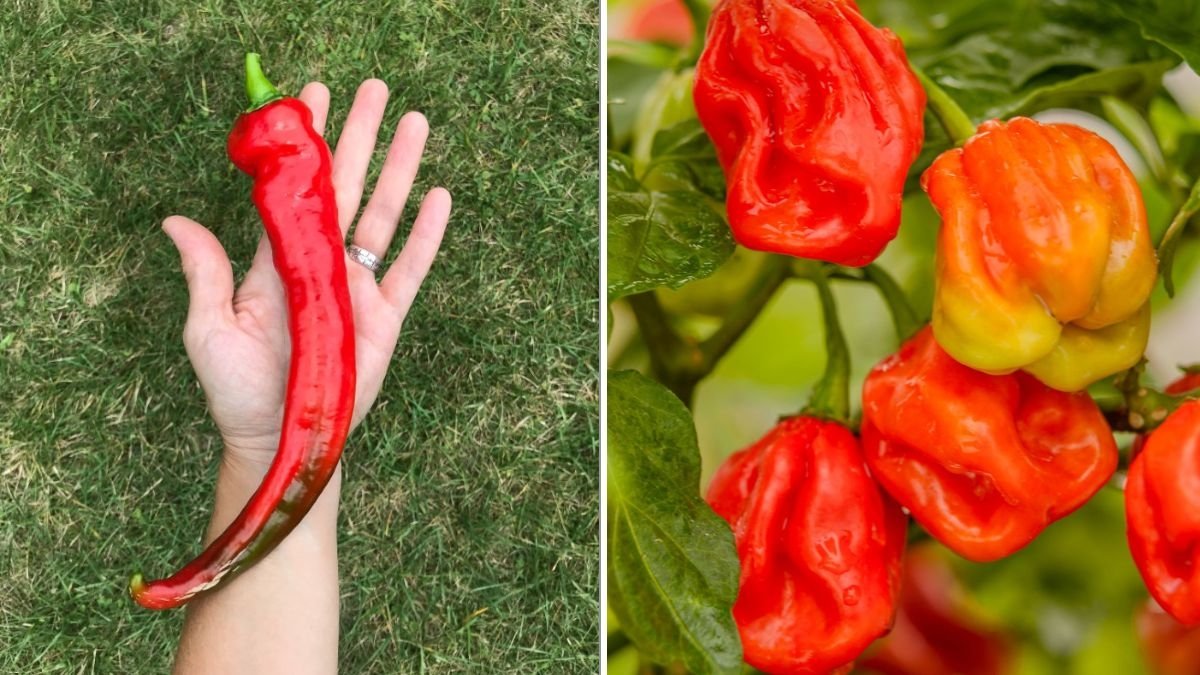
If there’s one crop that brings fire, flavor, and fun to your garden, it’s the hot pepper. Whether you love the smoky heat of jalapeños, the citrusy punch of habaneros, or the tongue-tingling power of ghost peppers, growing them yourself is a truly rewarding experience. But if you’ve ever tasted a bland or underwhelming pepper from your garden, you know that not all heat is created equal.
The secret to growing hot peppers bursting with bold flavor lies in the right combination of soil, sunlight, water, and stress (yes—just the right amount of stress). With the right approach, you can boost both the heat and the taste of your peppers.
Here’s a detailed guide on how to grow hot peppers that deliver the boldest, most vibrant flavors from seed to harvest.
1. Start With the Right Varieties
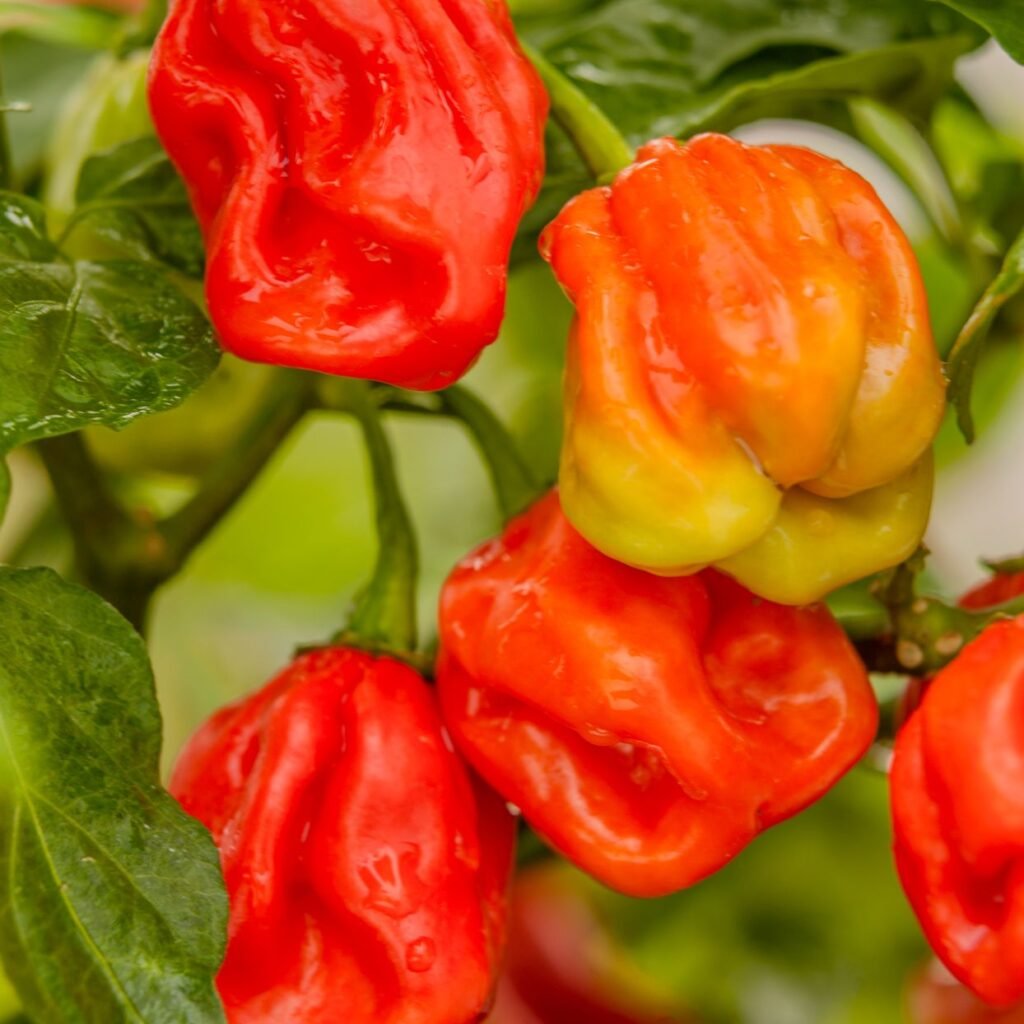
Not all hot peppers are created equal. Some are designed for fiery heat, while others balance flavor and spice. Before you plant, decide what kind of heat you crave — from mild to mouth-scorching.
Popular Hot Pepper Varieties
- Jalapeño: Medium heat (2,500–8,000 Scoville units); earthy and slightly smoky flavor.
- Cayenne: Hot (30,000–50,000 units); ideal for drying or powdering.
- Serrano: Slightly hotter than jalapeños (10,000–25,000 units); crisp and bright.
- Thai Chili: Small, fiery peppers (50,000–100,000 units); perfect for Asian cuisine.
- Habanero: Very hot (100,000–350,000 units); fruity, tropical taste.
- Ghost Pepper (Bhut Jolokia): Extremely hot (1,000,000+ units); smoky and intense.
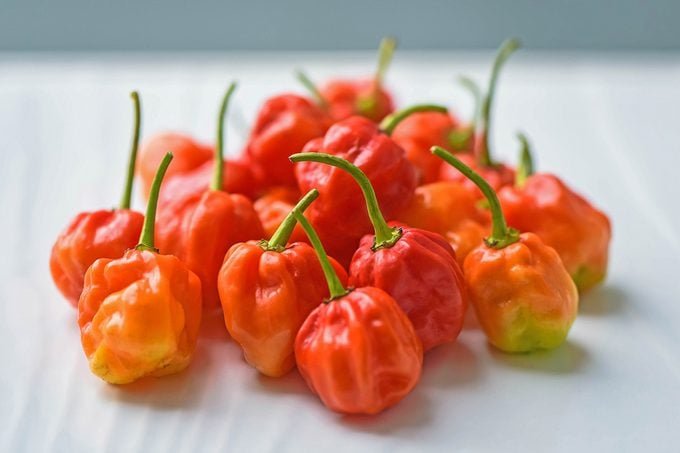
- Scotch Bonnet: Caribbean favorite (100,000–350,000 units); fruity and flavorful.
Pro Tip: Choose varieties suited to your local climate. Some hot peppers—like habaneros and ghost peppers—require long, hot growing seasons.
2. Pick the Perfect Growing Spot
Hot peppers need plenty of sunshine to develop their best flavor. These heat-loving plants thrive in full sun and warm conditions.
Ideal Conditions:
- Sunlight: 6–8 hours of direct sunlight daily.
- Temperature: 70–90°F (21–32°C) during the day and above 60°F (15°C) at night.
If you’re growing in a cooler region, use:
- Raised beds to warm soil faster.
- Black mulch or plastic sheeting to retain heat.
- Row covers or greenhouses for protection during cool nights.
Sunlight helps peppers produce capsaicin, the compound responsible for heat. The more consistent warmth and sun your plants receive, the bolder their flavor will be.
3. Prepare the Ideal Soil Mix
Hot peppers thrive in well-draining, nutrient-rich soil with slightly acidic to neutral pH levels.
Best Soil Composition:
- Loamy soil rich in organic matter.
- pH range: 6.0–6.8.
- Amendments: Mix compost, aged manure, or coco coir for better texture and nutrients.
If you’re planting in containers, use a premium potting mix blended with:
- 40% compost
- 40% potting soil
- 20% perlite or coarse sand
Good drainage is crucial. Pepper roots dislike “wet feet” and will rot if soil remains soggy.
Flavor Tip: Add a tablespoon of bone meal and a bit of wood ash at planting time — they promote strong roots and richer flavor.
4. Start Seeds Indoors Early
Hot peppers grow slowly, especially the super-hot varieties. Start seeds indoors 8–10 weeks before the last frost date in your area.
Germination Tips:
- Temperature: 80–90°F (27–32°C) is ideal for fast sprouting.
- Use a seed heat mat to maintain warmth.
- Keep the soil moist but not wet — cover trays with plastic domes to retain humidity.
- Expect germination to take 10–21 days, depending on the variety.
Once seedlings sprout, give them 12–14 hours of light daily using grow lights or a sunny window.
When the seedlings have 2–3 true leaves, transplant them into larger pots until outdoor conditions are warm enough.
5. Harden Off Before Transplanting
Before moving your peppers outdoors, gradually acclimate them to outdoor conditions over 7–10 days.
Each day, place them outside in a sheltered spot for a few hours, increasing the time daily. This prevents transplant shock and strengthens stems.
When nighttime temperatures consistently stay above 55°F (13°C), it’s safe to transplant them into the garden.
Spacing:
- Standard peppers: 18–24 inches apart.
- Super-hot varieties: at least 24 inches apart for good airflow.
6. Master the Watering Routine
Watering is one of the biggest factors that affects pepper flavor.
Too much water = diluted flavor and reduced heat.
Too little water = stunted growth and blossom drop.
The goal is consistent, moderate moisture.
Watering Tips:
- Water deeply 1–2 times per week rather than shallow watering daily.
- Allow the top inch of soil to dry before watering again.
- Use mulch (like straw or compost) to lock in soil moisture and prevent temperature swings.
- Avoid overhead watering — water at the base to prevent disease.
Flavor Tip: Toward the end of the growing season, reduce watering slightly. Mild stress encourages the plant to produce more capsaicin, intensifying heat and flavor.
7. Fertilize for Flavor, Not Just Growth
Hot peppers don’t need heavy feeding. Over-fertilizing — especially with nitrogen — results in lush green leaves but fewer fruits and weaker heat.
Feeding Schedule:
- At planting: Mix in compost or a slow-release organic fertilizer (5-10-10 NPK).
- Mid-season: Feed every 2–3 weeks with a liquid fertilizer rich in phosphorus and potassium.
- During fruiting: Switch to a low-nitrogen formula to enhance flavor and fruit production.
Organic options like fish emulsion, kelp meal, or compost tea provide balanced nutrition and improve soil health.
8. Encourage Pollination
Without pollination, your pepper flowers will fall off before setting fruit.
Boost Pollination Naturally:
- Attract bees with nearby flowers like marigolds, basil, or zinnias.
- Gently shake flowering branches to distribute pollen.
- If necessary, hand-pollinate with a soft brush or cotton swab.
Good pollination leads to fuller pods and richer flavor.
9. Use Heat and Stress to Intensify Flavor
This might sound counterintuitive, but controlled stress can actually make peppers hotter and tastier.
When plants experience mild stress — like brief dryness or higher temperatures — they produce more capsaicin, the compound responsible for both heat and complex flavor.
Flavor-Boosting Stress Tips:
- Once fruits start forming, allow soil to dry slightly between waterings.
- Limit nitrogen fertilizer late in the season.
- Give plants full sunlight exposure.
Don’t overdo it — too much stress can stunt growth or cause blossom drop. But a little challenge goes a long way in flavor enhancement.
10. Prune and Support Plants for Better Airflow
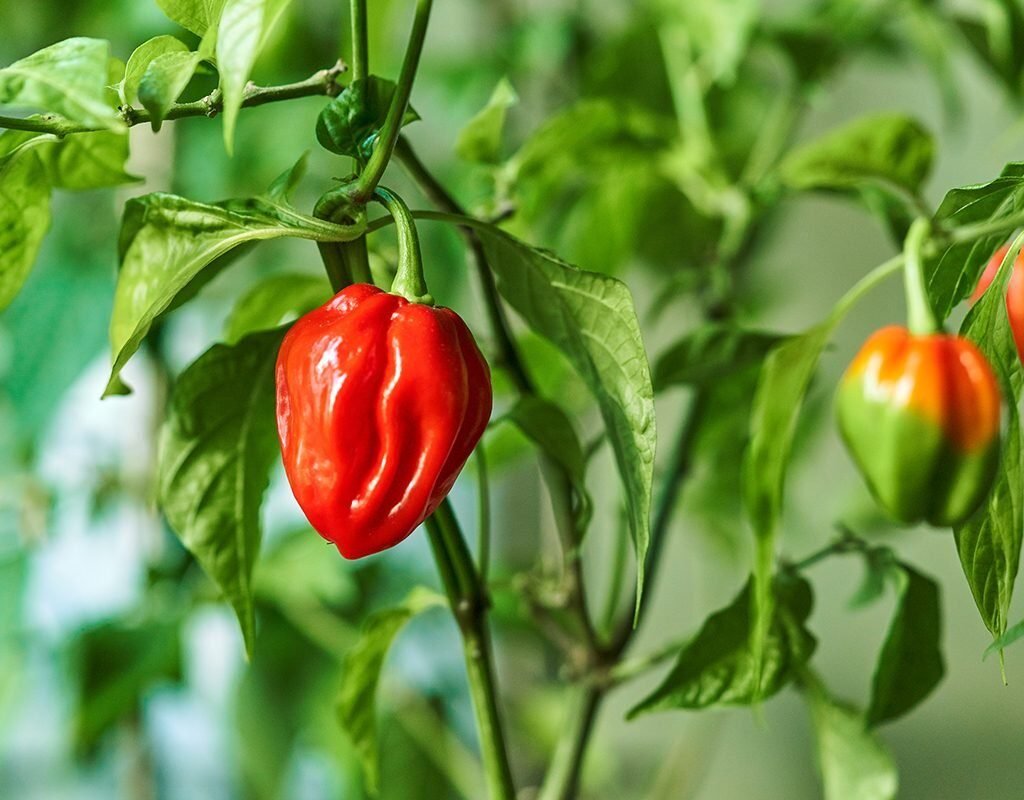
Pruning pepper plants helps them focus energy on fruit development.
Pruning Steps:
- Pinch off early flowers on small plants to encourage root and leaf growth.
- Remove any yellowing or lower leaves that touch the soil.
- Thin out dense foliage to improve airflow and sunlight penetration.
Use small stakes or tomato cages to support tall varieties like cayenne or habanero peppers — this prevents breakage under heavy fruit loads.
11. Harvesting for Peak Flavor
Timing is everything. Hot peppers can be harvested green for mild heat or fully ripe for bolder, richer flavor.
As peppers ripen, they develop more sugar, color, and capsaicin — meaning hotter, sweeter, and more complex flavor.
Harvest Tips:
- Use pruning shears to avoid damaging the plant.
- Don’t pull or twist fruits off by hand.
- Wear gloves when handling hot varieties to prevent skin irritation.
Storage Tip:
Drying or fermenting ripe peppers intensifies their flavor even more — perfect for homemade chili powder or hot sauce.
12. Common Problems (And How to Avoid Them)
- Blossom Drop: Usually from temperature extremes — keep plants between 70–90°F.
- Aphids or Spider Mites: Spray with neem oil or insecticidal soap weekly.
- Yellow Leaves: Often a sign of overwatering or nitrogen deficiency.
- Small, Mild Peppers: Reduce watering and nitrogen; increase sunlight and potassium.
Healthy, happy plants produce hotter, more flavorful fruit.
Final Thoughts: Turning Up the Flavor
Growing hot peppers isn’t just about chasing heat — it’s about cultivating boldness, aroma, and complexity in every bite. With rich soil, steady sunlight, thoughtful watering, and a dash of stress, your peppers will develop that perfect balance of fire and flavor that store-bought ones can’t match.
From mild jalapeños to blistering ghost peppers, the secret lies in consistent care and a bit of experimentation. So go ahead — plant a few varieties, play with your watering schedule, and let nature work its spicy magic.
When harvest time comes, you’ll taste the reward in every fiery, flavorful bite.

Leave A Comment