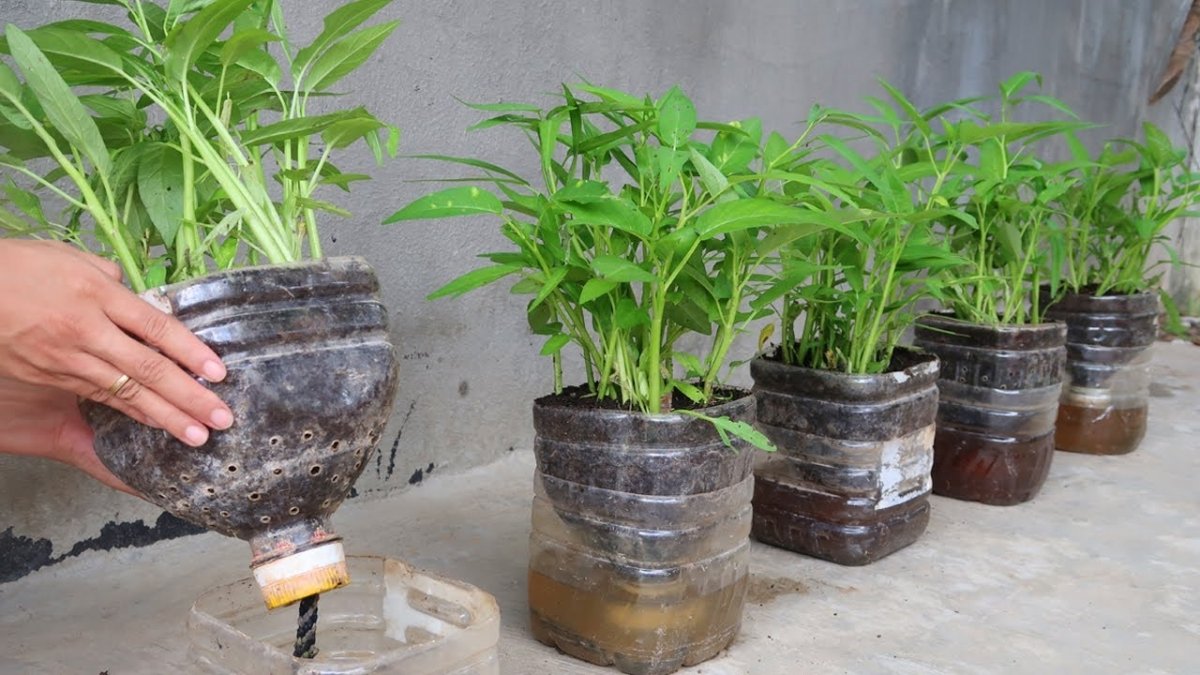
If you love the thrill of spicy food and dream of growing your own fiery peppers, the Habanero deserves a special spot in your backyard or patio garden. Known for its intense heat and fruity, citrus-like flavor, this iconic pepper adds boldness to salsas, hot sauces, marinades, and spicy dishes. Native to the Amazon region and popular across the Caribbean and southern United States, the Habanero pepper is one of the hottest and most rewarding crops for American gardeners who crave a little heat.
In this detailed growing guide, we’ll explore everything you need to know about how to grow Habanero peppers successfully—from soil prep and seed starting to harvest and storage—plus tips on handling the spice safely and making your own homemade hot sauce.
What Makes Habanero Peppers Special?
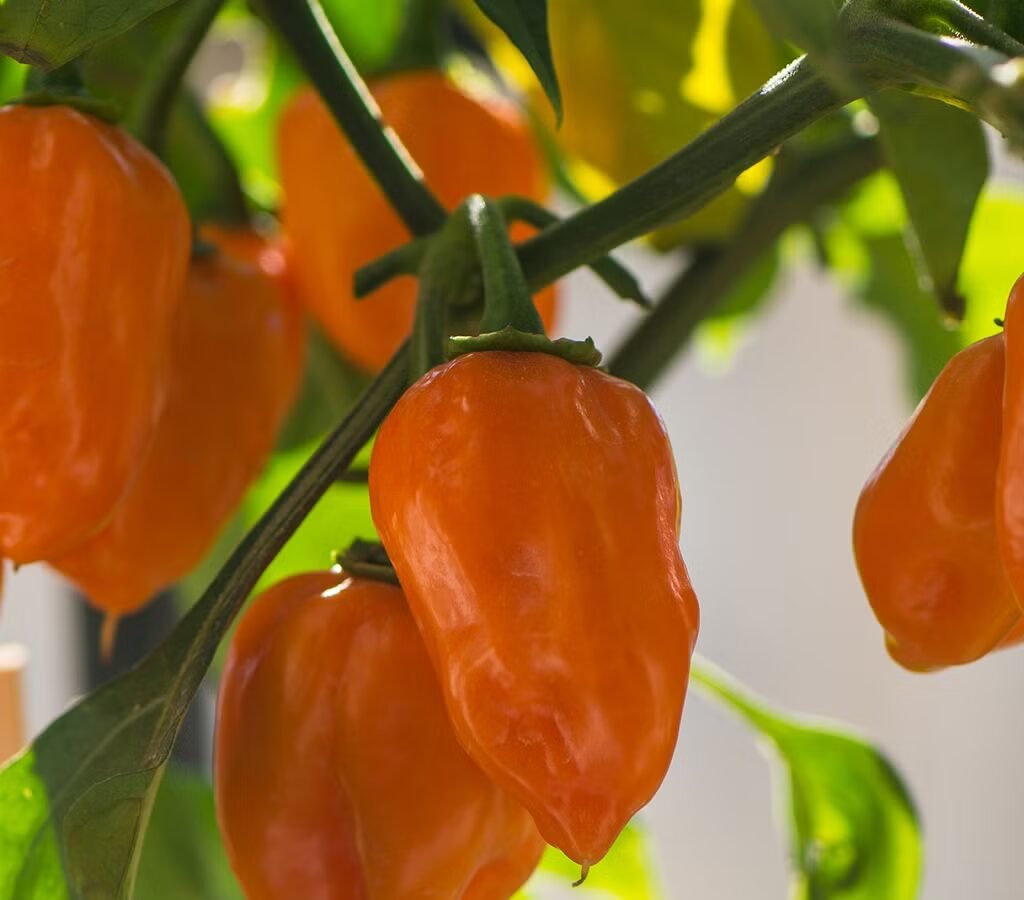
The Habanero (Capsicum chinense) is famous for its fiery heat level, ranging from 100,000 to 350,000 Scoville Heat Units (SHU)—that’s 70 times hotter than a jalapeño! Yet beneath the heat lies a delightful fruity flavor with hints of citrus and apricot, making it a favorite for hot sauces and Caribbean cuisine.
Common varieties include:
- Orange Habanero: Classic, bright orange, with intense heat and a fruity punch.
- Red Habanero: Slightly sweeter but just as hot.
- Chocolate Habanero: Dark brown pods with a smoky, rich flavor.
- White Habanero: Smaller and milder, with a tangy, tropical taste.
These peppers thrive in warm, sunny climates and are perfect for regions across the southern U.S., though gardeners in cooler areas can grow them easily in containers or greenhouses.
The Ideal Growing Conditions for Habanero Peppers
1. Temperature:
Habaneros are tropical plants that love heat. The ideal growing temperature is 75°F to 90°F (24°C to 32°C). Avoid planting until nighttime temperatures stay above 60°F (16°C).
2. Sunlight:
Full sun is crucial—your plants need at least 6 to 8 hours of direct sunlight daily. If you’re growing indoors, use grow lights to provide consistent illumination.
3. Soil Requirements:
Habaneros prefer well-drained, loamy soil rich in organic matter.
- pH range: 6.0 to 6.8
- Mix in compost or aged manure to boost fertility.
- Avoid soggy soil—root rot can occur if drainage is poor.
4. Spacing:
When transplanting outdoors, space plants 18 to 24 inches apart with 2 to 3 feet between rows. Good airflow helps prevent fungal diseases.
Starting Habanero Peppers from Seed
Because Habaneros take a long time to mature—often 90 to 120 days from transplanting—start seeds indoors 8–10 weeks before your last frost date.
Steps for seed starting:
- Use quality seeds: Purchase from reputable seed companies for better germination.
- Planting depth: Sow seeds about ¼ inch deep in seed trays filled with light seed-starting mix.
- Temperature: Maintain 80°F to 85°F (27°C to 29°C) for best germination. Using a heat mat can help.
- Moisture: Keep the soil consistently moist but not waterlogged.
- Germination time: Expect sprouts in 10–21 days, depending on conditions.
Once seedlings develop 2–3 sets of true leaves, transplant them into 3-inch pots until outdoor temperatures are suitable.
Transplanting and Outdoor Care
1. Hardening Off:
Before transplanting outdoors, gradually acclimate seedlings to sunlight and outdoor conditions over 7–10 days.
2. Planting:
Transplant in late spring once soil is warm (above 70°F). Add compost or slow-release fertilizer at planting time.
3. Watering:
Keep the soil evenly moist—about 1 inch of water per week. Avoid overwatering; soggy roots can lead to diseases. Mulch around plants to retain moisture and suppress weeds.
4. Fertilizing:
Feed your Habaneros every 2–3 weeks with a balanced fertilizer (10-10-10) during the early growth phase.
Once plants begin to flower, switch to a phosphorus-rich fertilizer (5-10-10) to encourage fruiting.
Flowering and Pollination Tips
Habaneros self-pollinate, but pollinators like bees can improve yield. If you’re growing indoors or in a greenhouse, gently shake the flowers or use a small brush to transfer pollen manually.
Avoid using pesticides that can harm pollinators—opt for organic pest management instead.
Pest and Disease Management
Common pests include:
- Aphids: Control with neem oil or insecticidal soap.
- Spider Mites: Keep humidity high and spray leaves with water regularly.
- Whiteflies: Use yellow sticky traps and neem-based sprays.
Diseases like bacterial leaf spot and powdery mildew can affect Habaneros. Ensure proper spacing, avoid overhead watering, and remove infected leaves promptly. Crop rotation also helps prevent soil-borne diseases.
Harvesting Your Habanero Peppers
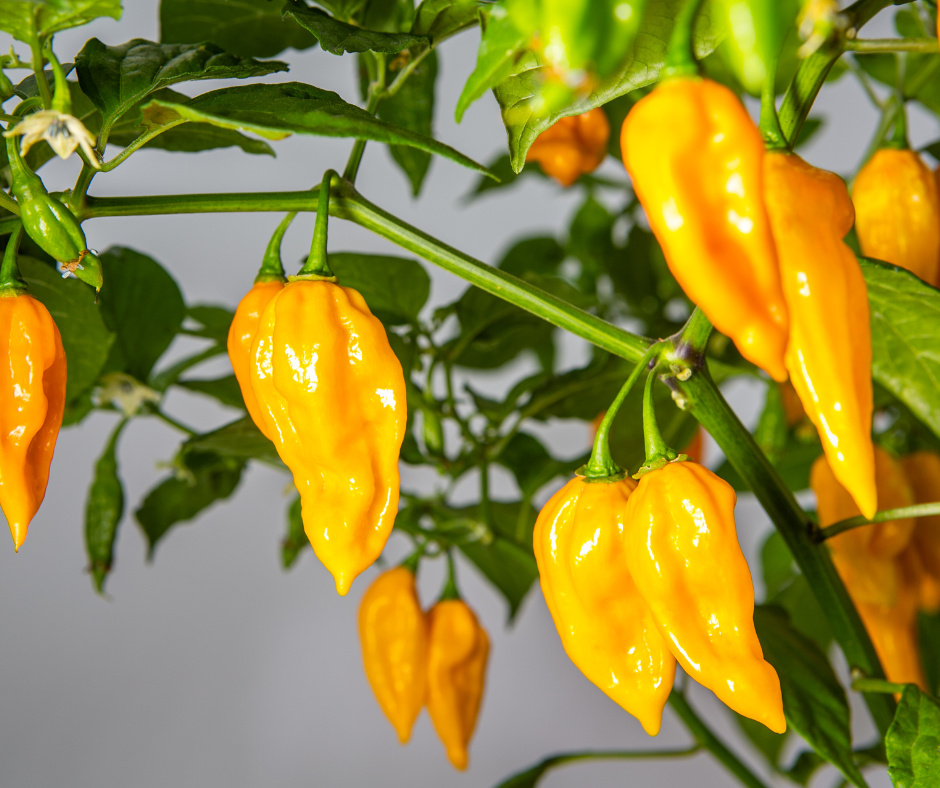
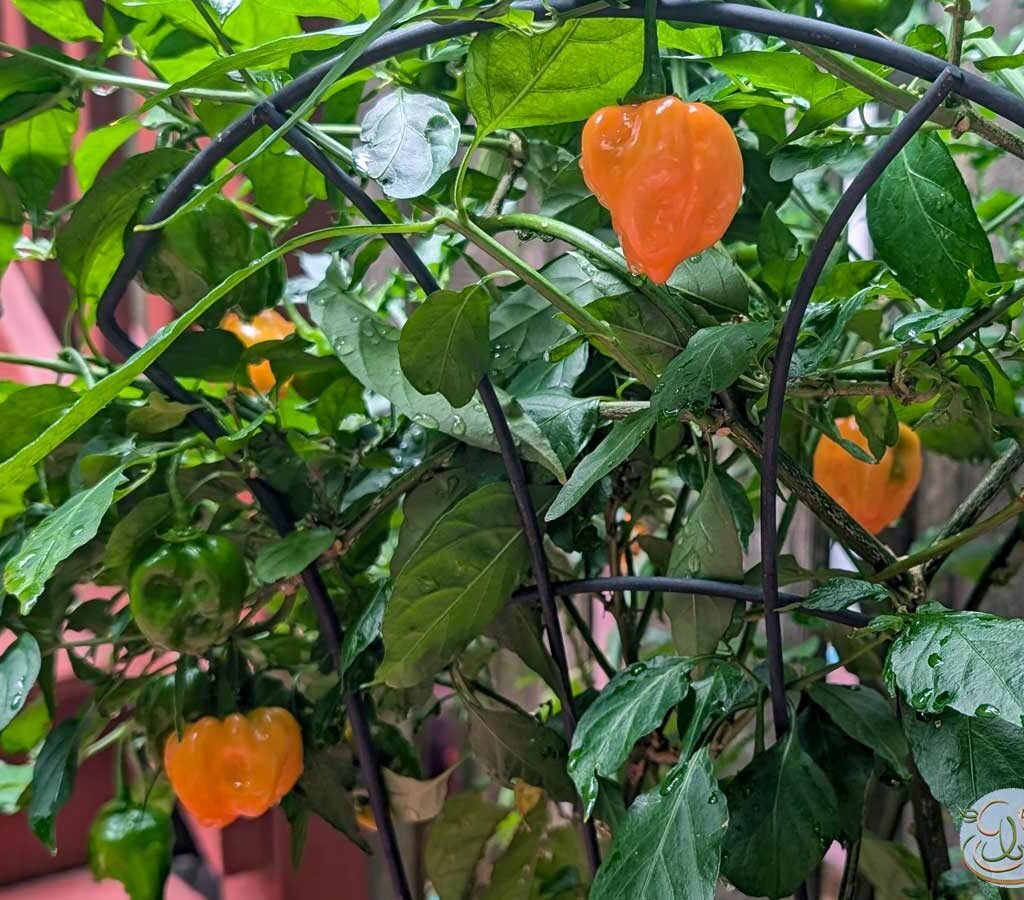
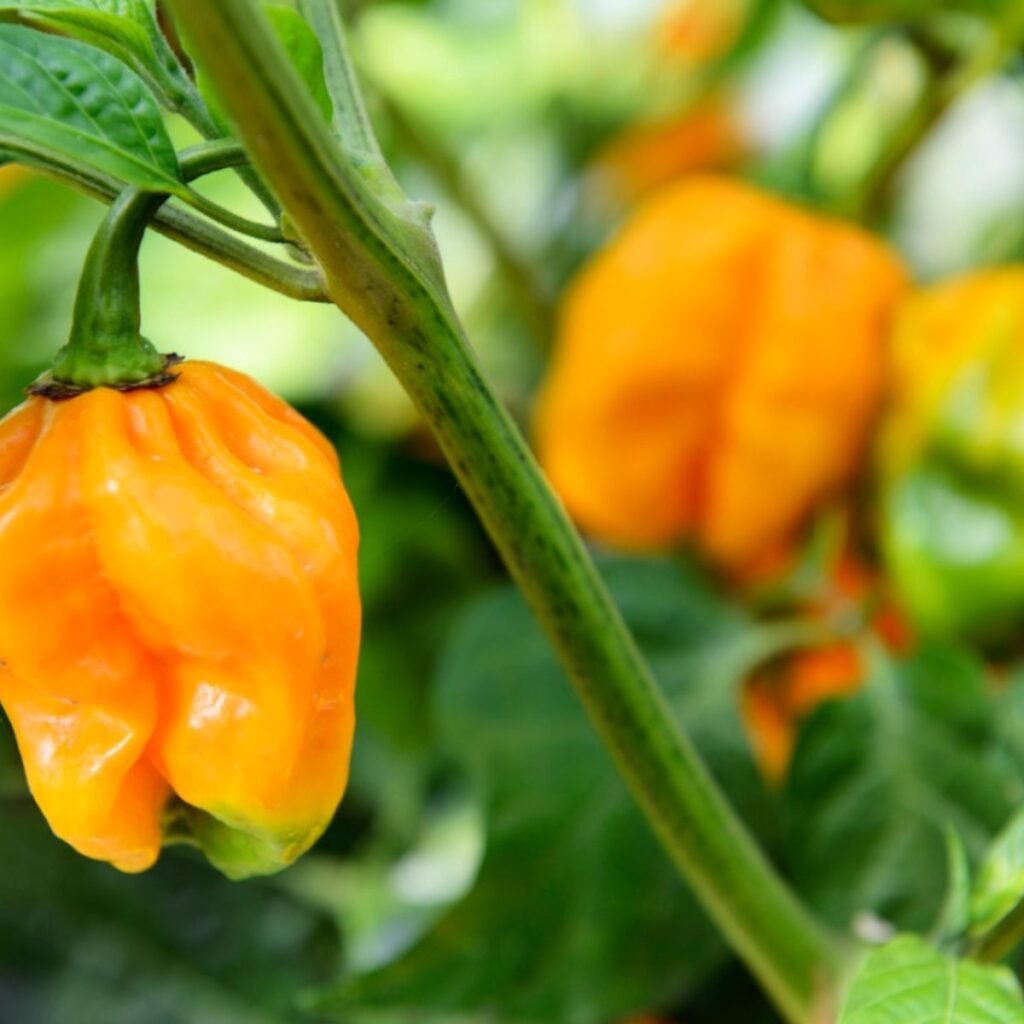
Habaneros are ready for harvest when they turn bright orange, red, or chocolate brown, depending on the variety. The fruits are typically 1–2 inches long with a waxy, glossy skin.
Harvesting tips:
- Use pruning shears to snip peppers—pulling by hand can damage the plant.
- Harvest regularly to encourage more fruiting.
- For maximum heat, let the peppers stay on the plant until fully mature.
Safety Tips When Handling Habaneros
Habaneros pack a serious punch! Their capsaicin can irritate skin and eyes.
Always:
- Wear gloves when harvesting or cutting peppers.
- Avoid touching your face, especially your eyes.
- Wash hands thoroughly with soap after handling.
How to Store and Preserve Habanero Peppers
You can store fresh Habaneros in the refrigerator for up to two weeks. For long-term preservation:
- Freeze: Wash, dry, and freeze whole or sliced peppers.
- Dry: Use a dehydrator or oven to make dried flakes or powder.
- Pickle: Slice peppers and store in vinegar brine with garlic and herbs.
- Hot sauce: Blend fresh peppers with vinegar, garlic, salt, and fruit for a homemade fiery condiment.
Creative Culinary Uses for Habaneros
Habaneros bring bold flavor to countless dishes. Some tasty ideas include:
- Mango Habanero Salsa: Sweet and spicy perfection for tacos or chips.
- Habanero Hot Sauce: Blend with carrots, onions, garlic, and vinegar.
- Spicy BBQ Marinade: Add a smoky kick to grilled meats or veggies.
- Habanero Honey Glaze: A sweet-heat twist for wings or roasted vegetables.
Remember: a little goes a long way! Start with small amounts and adjust to taste.
Growing Habaneros in Containers
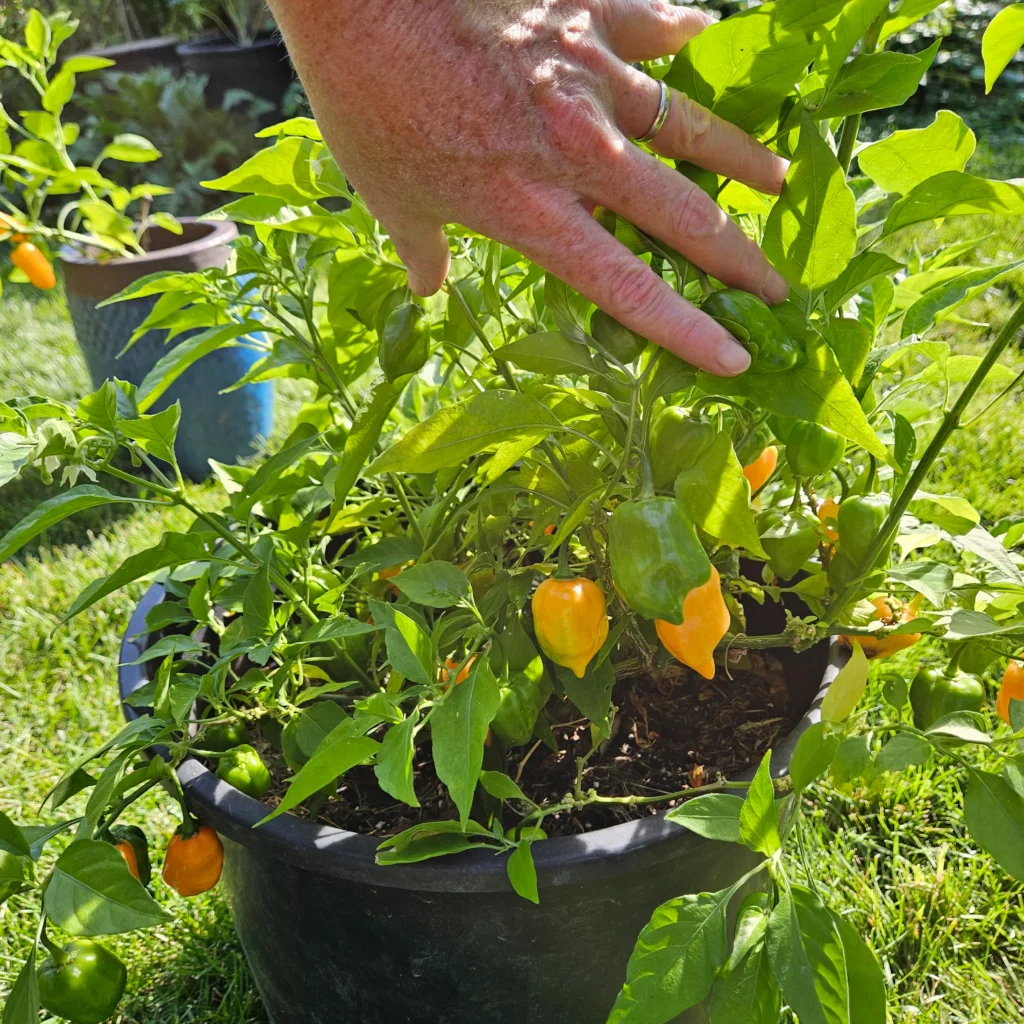
Urban gardeners can easily grow Habaneros in pots or grow bags. Choose containers at least 12–14 inches wide and deep.
- Use well-draining potting soil.
- Place pots in full sun (balcony, patio, or windowsill).
- Fertilize monthly and prune lightly for bushier growth.
Container-grown Habaneros can even be overwintered indoors, allowing you to enjoy peppers year after year.
Sustainability Tip: Save Your Habanero Seeds
After harvest, save seeds from the healthiest fruits.
- Cut open ripe peppers and remove seeds.
- Rinse and dry them for 7–10 days.
- Store in a cool, dry place in labeled envelopes.
You’ll be ready for next year’s planting season without buying new seeds!
Final Thoughts: Bringing the Heat Home
Growing Habanero peppers isn’t just about spice—it’s about cultivating a rewarding, flavor-packed plant that adds excitement to your garden and kitchen. With a bit of warmth, patience, and care, you can harvest vibrant peppers bursting with fiery intensity and tropical aroma.
Whether you’re crafting homemade hot sauce, sprinkling dried flakes over pizza, or experimenting with spicy salsas, your homegrown Habaneros will deliver unbeatable freshness and flavor straight from the garden to your table.

Leave A Comment