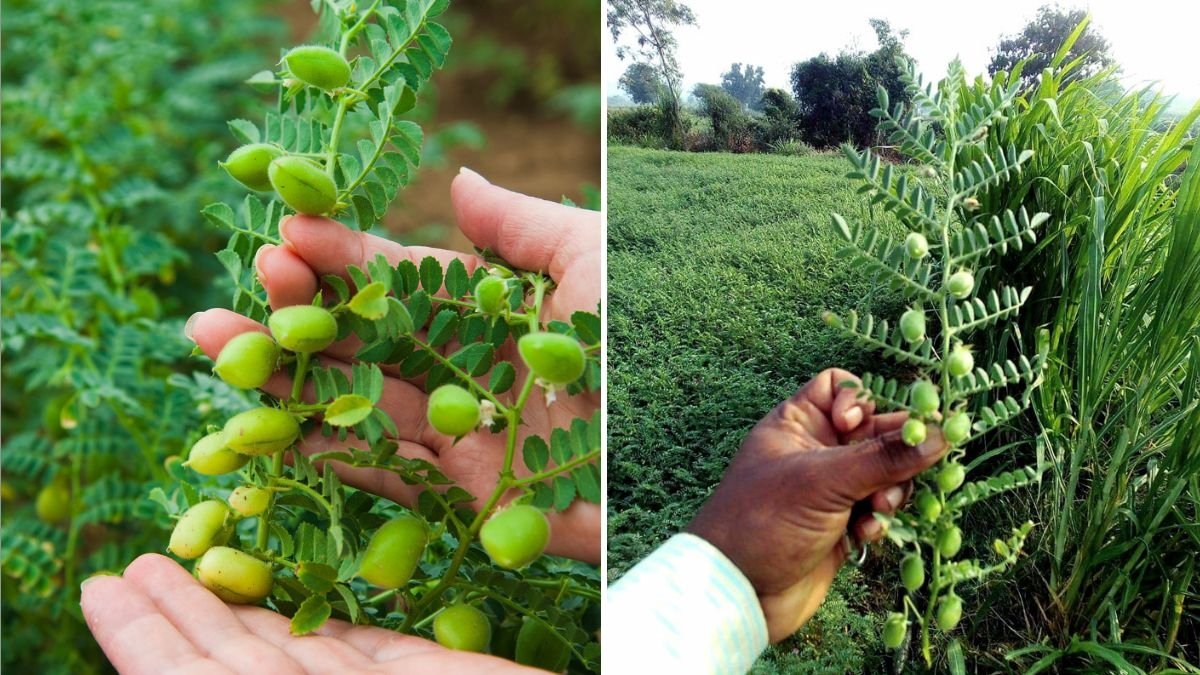
In the evolving world of American nutrition, one ingredient has quietly made its way from ancient Middle Eastern kitchens to salad bars, snack aisles, and gourmet menus across the U.S. — chickpeas, also known as garbanzo beans. Whether blended into creamy hummus, roasted into crunchy snacks, or tossed into a hearty salad, chickpeas have become a staple for anyone seeking balanced, plant-powered meals.
This tiny beige legume has earned superstar status for good reason: it’s affordable, versatile, and brimming with nutrition. Below, we’ll explore why chickpeas are one of the best ingredients to include in your diet, how to use them in everyday American meals, and what makes them the ultimate food for modern healthy living.
What Are Chickpeas?
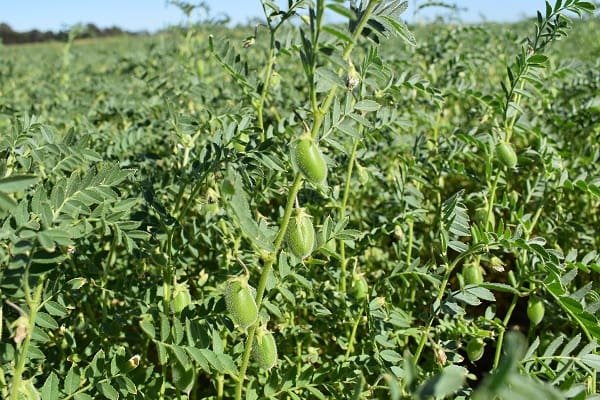
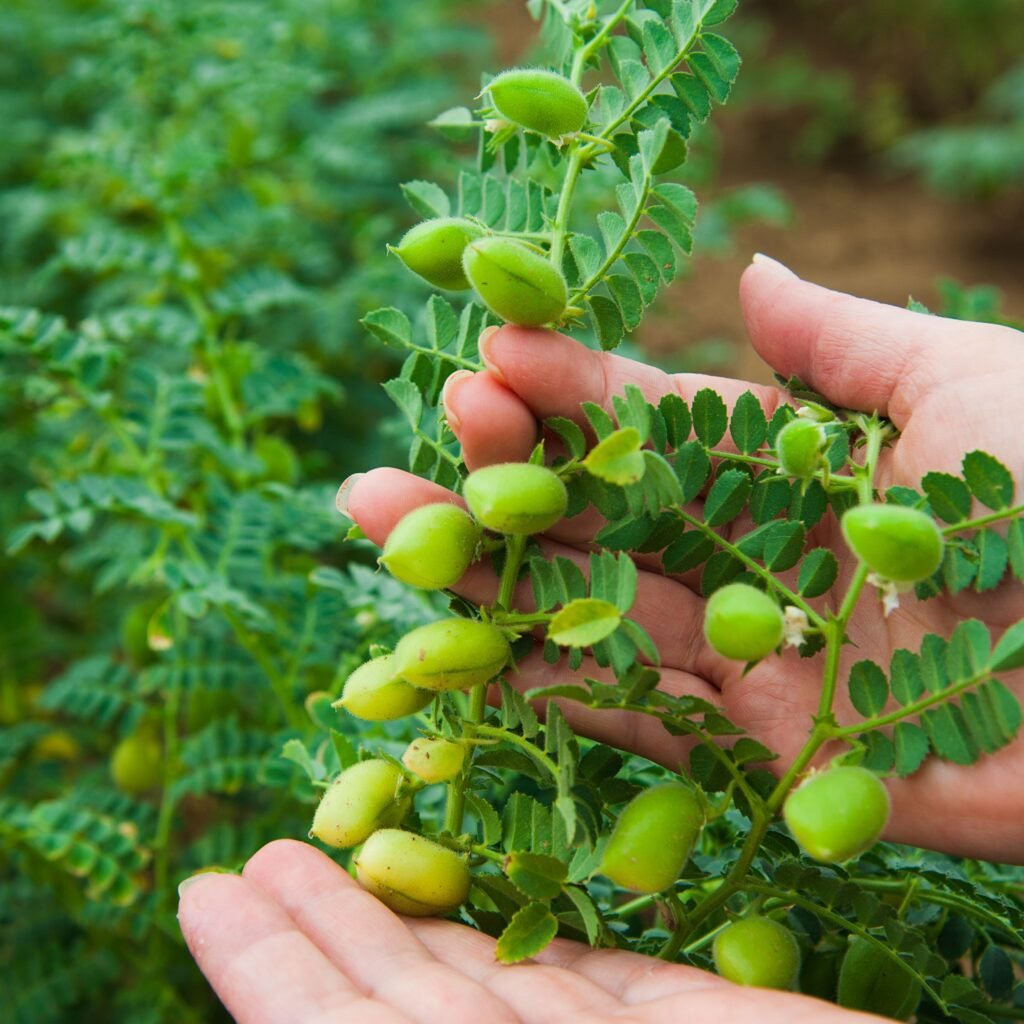
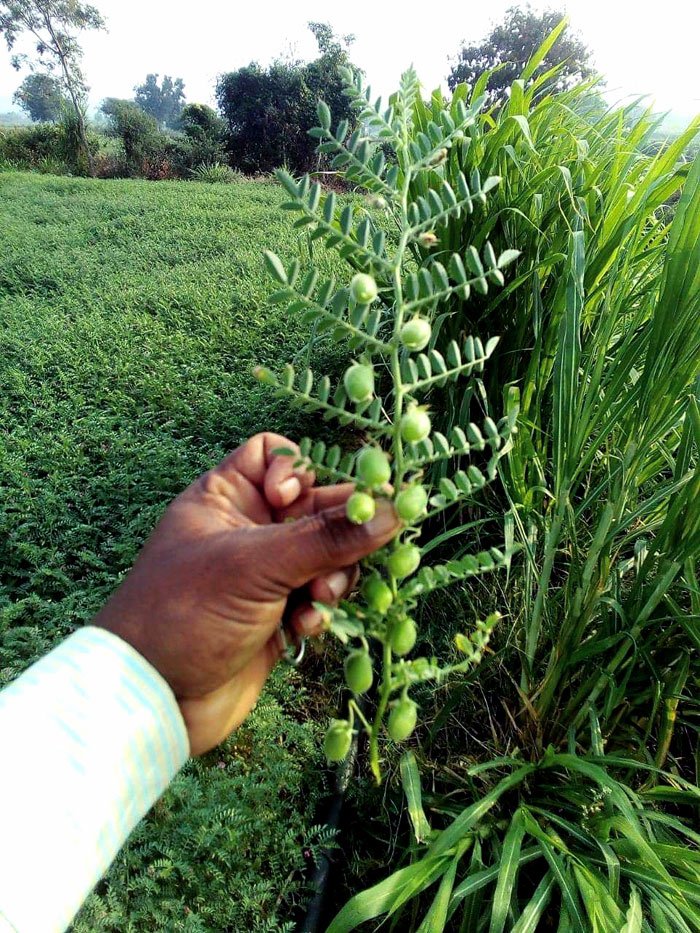
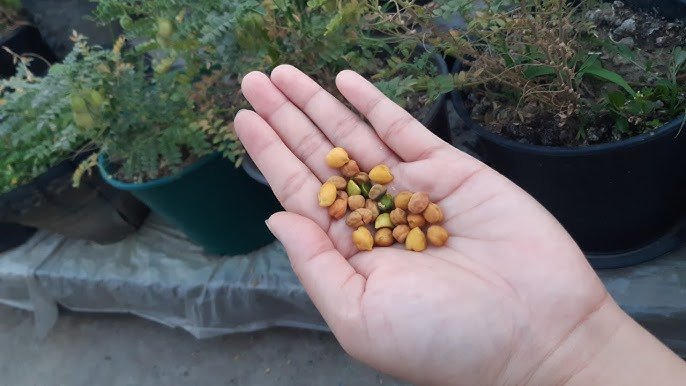
Chickpeas (scientifically known as Cicer arietinum) are part of the legume family, the same group that includes lentils, peas, and beans. Originating from the Middle East thousands of years ago, they’ve become a global food phenomenon. In the U.S., chickpeas are now widely grown — especially in states like Washington, Idaho, and Montana — to meet the booming demand for plant-based protein and vegan-friendly foods.
There are two main varieties of chickpeas:
- Kabuli chickpeas – The larger, cream-colored type you’ll find in most American grocery stores and in classic hummus recipes.
- Desi chickpeas – Smaller, darker, and more common in Indian and Middle Eastern cuisines.
The Nutritional Benefits of Chickpeas
1. A Complete Plant-Based Protein
For those looking to cut back on meat, chickpeas are a perfect protein source. One cooked cup delivers about 15 grams of protein, making it ideal for vegans, vegetarians, and flexitarians. Pairing chickpeas with whole grains (like brown rice or quinoa) provides all nine essential amino acids, forming a complete protein — the same kind found in animal sources.

2. High in Fiber for Gut and Heart Health
A single serving of chickpeas provides 12–13 grams of dietary fiber, which supports healthy digestion, stabilizes blood sugar, and helps lower LDL cholesterol. Regularly eating fiber-rich foods like chickpeas has been linked to reduced risks of heart disease, diabetes, and obesity — three major health concerns in the American diet.
3. Packed with Vitamins and Minerals
Chickpeas are loaded with important micronutrients such as iron, magnesium, potassium, zinc, folate, and vitamin B6. These nutrients play key roles in energy metabolism, muscle recovery, and red blood cell production — all crucial for maintaining long-term wellness.
4. Great for Weight Management
Because they’re rich in both protein and fiber, chickpeas help you feel full longer, reducing cravings between meals. Studies show that people who eat legumes regularly tend to maintain a healthier weight and make better overall food choices.
5. Naturally Gluten-Free and Low-Fat
Chickpeas are naturally gluten-free and very low in saturated fat, making them suitable for a variety of modern diets — including Mediterranean, plant-based, heart-healthy, and gluten-free plans.
Health Benefits That Make Chickpeas a Superfood
Supports Blood Sugar Control
Thanks to their low glycemic index (GI) and high fiber content, chickpeas help slow sugar absorption, preventing sudden spikes and crashes. This makes them a smart choice for people with type 2 diabetes or anyone aiming to maintain steady energy throughout the day.

Promotes Heart Health
The combination of potassium, magnesium, and soluble fiber supports cardiovascular health by helping lower cholesterol and improve blood vessel function. Replacing animal protein with chickpeas a few times a week is a simple way to improve heart health.
Boosts Gut Health
Chickpeas contain prebiotic fibers that feed the healthy bacteria in your gut, supporting digestion and overall immune function. A happy gut often translates into better mood, energy, and metabolism.
How to Buy and Prepare Chickpeas
In the U.S., chickpeas are easy to find in three main forms: canned, dried, and roasted.
1. Canned Chickpeas
These are pre-cooked and ready to use, making them perfect for busy families or quick meals. Simply drain and rinse them to remove excess sodium. They’re ideal for salads, soups, stews, and dips like hummus.
2. Dried Chickpeas
Dried chickpeas are budget-friendly and easy to cook with a bit of planning. Soak them overnight in water, then simmer for 45–60 minutes until tender. The flavor is richer and nuttier than the canned version — great for homemade soups, curries, and falafel.

3. Roasted Chickpeas
A growing trend in the U.S. snack market, roasted chickpeas are crunchy, satisfying, and available in dozens of flavors. You can also make them at home — just toss cooked chickpeas in olive oil and spices, then bake until golden and crisp.
Creative Ways to Use Chickpeas in American Meals
1. The Classic Hummus Spread
Blend cooked chickpeas with tahini, lemon juice, olive oil, garlic, and a pinch of salt for creamy, protein-packed hummus. Serve it as a dip with veggies or spread it on sandwiches instead of mayonnaise.
2. Chickpea Salads
Toss chickpeas with diced cucumbers, tomatoes, red onion, feta, and parsley for a quick Mediterranean salad. Or try a Southwest-inspired version with corn, avocado, black beans, and lime dressing.
3. Plant-Based Burgers
Mash chickpeas with breadcrumbs, garlic, onions, and spices to create your own veggie burgers. They’re hearty, satisfying, and grill beautifully — perfect for a summer barbecue.
4. Chickpea Curry or Stew
Simmer chickpeas in coconut milk with curry powder, garlic, and spinach for a cozy, comforting meal. It’s rich in flavor and nutrients without relying on meat.

5. Roasted Chickpea Snack
Roast chickpeas with olive oil, sea salt, paprika, or chili powder for a crispy, high-protein snack. They make a fantastic substitute for chips or croutons.
6. Chickpea Flour Baking
Chickpea flour (also called besan or gram flour) is gluten-free and high in protein. Use it to make pancakes, fritters, or as a thickener in soups and sauces. It’s gaining popularity among American bakers for its nutrition and versatility.
Chickpeas and Modern American Diet Trends
From meal-prep bowls to vegan desserts, chickpeas have found their place in nearly every corner of the American food scene. Here’s why they’re not just a trend — they’re the future of healthy eating:
- Perfect for Plant-Based Diets: As more Americans embrace flexitarian and vegan lifestyles, chickpeas offer a nutrient-rich replacement for animal protein.
- Sustainably Grown: Chickpeas enrich the soil by fixing nitrogen, making them an eco-friendly crop that supports sustainable agriculture.
- Affordable Nutrition: At a time when grocery prices are rising, chickpeas offer one of the most budget-friendly sources of protein, fiber, and nutrients.
- Versatile for Any Cuisine: From tacos and Buddha bowls to soups and snacks, chickpeas adapt easily to American cooking styles.
Quick Recipe: Mediterranean Chickpea Power Bowl
Ingredients:
- 1 can chickpeas, drained and rinsed
- 1 cup cooked quinoa or brown rice
- ½ cup diced cucumber
- ½ cup cherry tomatoes, halved
- ¼ cup red onion, finely chopped
- 2 tablespoons olive oil
- Juice of 1 lemon
- 1 tablespoon tahini or Greek yogurt
- Salt, pepper, and a pinch of cumin
Instructions:
- In a large bowl, combine quinoa, chickpeas, cucumber, tomatoes, and red onion.
- In a small bowl, whisk together olive oil, lemon juice, tahini, and spices.
- Pour dressing over the salad and toss until well coated.
- Top with feta cheese or avocado (optional) and enjoy!
This protein-packed bowl is perfect for meal prep, lunch on the go, or a quick post-workout meal.
Final Thoughts
Chickpeas are more than just a humble legume — they’re a nutrition-packed, eco-friendly, and affordable superfood that fits perfectly into the modern American lifestyle. From supporting heart and gut health to fueling your day with clean energy, chickpeas check every box for balanced eating.
Whether you blend them into smooth hummus, roast them for snacks, or cook them into a warm stew, chickpeas prove that eating healthy doesn’t have to be boring or complicated.
So next time you’re planning your weekly grocery run, grab a few cans or a bag of dried chickpeas. Experiment, mix, and create — because when it comes to wholesome, flavorful, and sustainable food, chickpeas truly are America’s plant-based powerhouse.

Leave A Comment