Parsnips: The Sweet, Nutritious Root Vegetable Every American Garden Should Grow

Parsnips: The Sweet, Nutritious Root Vegetable Every American Garden Should Grow

If you’re looking for a sweet, versatile, and nutrient-packed root vegetable, look no further than the humble parsnip. Similar in appearance to a pale carrot, parsnips (Pastinaca sativa) are prized for their creamy texture, earthy sweetness, and culinary versatility. From soups and stews to roasting and purees, parsnips add a distinct flavor and depth to American dishes, especially during fall and winter months.

Beyond flavor, parsnips are rich in vitamins, minerals, and antioxidants, making them an ideal addition to a healthy American diet. They are also easy to grow in home gardens, tolerating cold temperatures and providing a reliable harvest. This article explores everything about parsnips—from planting tips and care to nutritional benefits and delicious culinary uses—so you can enjoy this versatile root straight from your garden.


1. What Are Parsnips? A Sweet, Winter-Friendly Root Vegetable

Parsnips are a cool-season root vegetable closely related to carrots and parsley. Originally native to Europe and Asia, they have been cultivated for centuries and are valued in the United States for their natural sweetness and heartiness.

Botanical profile:

  • Scientific name: Pastinaca sativa
  • Family: Apiaceae
  • Type: Biennial root vegetable (grown as an annual)
  • Color: Creamy white to pale yellow
  • USDA Zones: 3–9

Parsnip roots are the main edible part, but the leaves can also be used sparingly in soups or as herb flavoring. They thrive in cool climates and are often sweeter after exposure to a light frost, which converts starches to natural sugars.


2. Nutritional Value of Parsnips

Parsnips are low in calories but high in essential nutrients, making them an ideal choice for health-conscious Americans.

Nutritional highlights (per 100g):

  • Calories: 75
  • Carbohydrates: 18g
  • Fiber: 4.9g
  • Vitamin C: 17% of Daily Value
  • Vitamin K: 22% of Daily Value
  • Folate: 11% of Daily Value
  • Potassium: 12% of Daily Value
  • Manganese: Supports bone and metabolic health
  • Antioxidants: Polyacetylenes and flavonoids

Health benefits include:

  • Digestive health: High fiber promotes regularity and gut microbiome balance.
  • Heart health: Potassium helps regulate blood pressure and supports cardiovascular function.
  • Immune support: Vitamin C strengthens immunity.
  • Bone health: Vitamin K and manganese support strong bones.
  • Anti-inflammatory properties: Antioxidants help reduce inflammation.

Parsnips are a nutrient-dense root vegetable, making them a smart addition to American diets focused on wellness and longevity.


3. Why Parsnips Are Ideal for American Gardens
Parsnips are cold-hardy, easy-to-grow vegetables that perform well in home gardens and raised beds. Gardeners across the U.S. favor parsnips for several reasons:

  • Cool-season crop: Tolerates frost and improves flavor after cold exposure.
  • Long storage life: Roots can be stored for months in root cellars or refrigerators.
  • Low-maintenance growth: Minimal fertilizer and pest management required.
  • Nutrient-dense yield: Provides both a hearty root crop and edible leaves.
  • Versatile harvesting: Can be eaten young or mature depending on preference.

With patience, parsnips reward gardeners with sweet, flavorful roots that are ideal for winter cooking.


4. How to Grow Parsnips in the U.S.

Parsnips are easy to cultivate if you follow proper planting and care techniques. Here’s a step-by-step guide for successful American parsnip gardens:

a. Planting Season

  • Spring: Sow seeds 2–3 weeks before the last frost.
  • Fall: In mild climates, plant for winter harvest.

Parsnips grow best in cool weather (50–70°F) and should be planted in well-prepared soil.

b. Soil and Sunlight Requirements

  • Soil: Loose, deep, well-draining soil is essential to prevent forked roots. Sandy loam works best.
  • pH: Slightly acidic to neutral (6.0–7.0).
  • Sunlight: Full sun for optimal root development, partial shade in hot regions.

Enrich the soil with compost or well-rotted manure to encourage straight, sweet roots.

c. Sowing Seeds

  • Seed depth: ½ inch
  • Spacing: Thin seedlings to 3–4 inches apart once established.
  • Rows: 12–18 inches apart
  • Watering: Keep soil consistently moist for germination, which may take 2–3 weeks.

Patience is key—parsnips are slow to germinate, but the resulting harvest is worth the wait.


5. Caring for Parsnips
While parsnips are hardy, these care tips help maximize root quality and yield:

  • Water regularly: Even moisture prevents woody or bitter roots.
  • Mulch: Retains soil moisture and suppresses weeds.
  • Fertilize lightly: Avoid excess nitrogen, which can encourage leafy growth over root development.
  • Pest management: Keep an eye out for carrot rust flies or aphids; organic solutions like neem oil or row covers work well.

Parsnips thrive with minimal maintenance, making them a rewarding root vegetable for home gardeners.


6. Harvesting Parsnips

Parsnips are generally ready for harvest in 100–120 days, depending on variety and growing conditions.

Harvesting tips:

  • Loosen soil gently with a fork to avoid breaking the roots.
  • Harvest after a light frost to enhance natural sweetness.
  • Young parsnips are tender and mild; mature roots have a stronger, sweeter flavor.

Pro Tip: Parsnips can be left in the ground during winter in mild climates and harvested as needed.


7. Storing and Preserving Parsnips

Parsnips have excellent storage capabilities, making them ideal for long-term use:

  • Refrigeration: Store roots in a perforated plastic bag in the crisper for 2–3 weeks.
  • Root cellar: Keep in damp sand for months.
  • Freezing: Blanch and freeze for long-term preservation.
  • Pickling: Preserves flavor and adds variety to dishes.

Proper storage retains both flavor and nutrients, ensuring a fresh taste all winter.


8. Culinary Uses of Parsnips

Parsnips are extremely versatile and can enhance a variety of American dishes:

a. Roasted

  • Toss with olive oil, herbs, and spices for caramelized flavor.
  • Combine with potatoes and carrots for a hearty roasted root medley.

b. Soups and Stews

  • Puree into creamy soups or add chunks to vegetable stews for natural sweetness.

c. Mashed

  • Substitute parsnips for potatoes in mashed dishes for a lower-calorie, flavorful alternative.

d. Baking

  • Grate into breads, muffins, or cakes for moisture and natural sweetness.

e. Greens

  • Sauté or add raw to salads for a nutrient boost.

Parsnips pair beautifully with rosemary, garlic, thyme, apples, and winter squash, adding flavor and nutrition to every meal.


9. Popular Parsnip Varieties for American Gardens

Several parsnip varieties thrive in U.S. climates:

  • ‘Hollow Crown’: Classic variety, sweet and smooth roots.
  • ‘Gladiator’: Long, tender, and frost-hardy.
  • ‘All-American’: Uniform roots with excellent flavor.
  • ‘Javelin’: Fast-growing with straight, long roots.
  • ‘Student’: Small, tender roots, ideal for early harvest.

Mixing varieties can provide continuous harvest and flavor diversity for your garden.


10. Health Benefits of Parsnips

Parsnips are a superfood root vegetable packed with vitamins, minerals, and antioxidants:

  • Digestive support: Fiber aids bowel regularity and gut health.
  • Heart health: Potassium helps regulate blood pressure.
  • Immune support: Vitamin C strengthens defenses.
  • Bone health: Vitamin K and manganese support strong bones.
  • Antioxidant protection: Polyacetylenes help reduce inflammation and oxidative stress.

Including parsnips in your diet promotes overall health, energy, and wellness.


11. Sustainability and Gardening Benefits

Parsnips are an eco-friendly, low-maintenance crop:

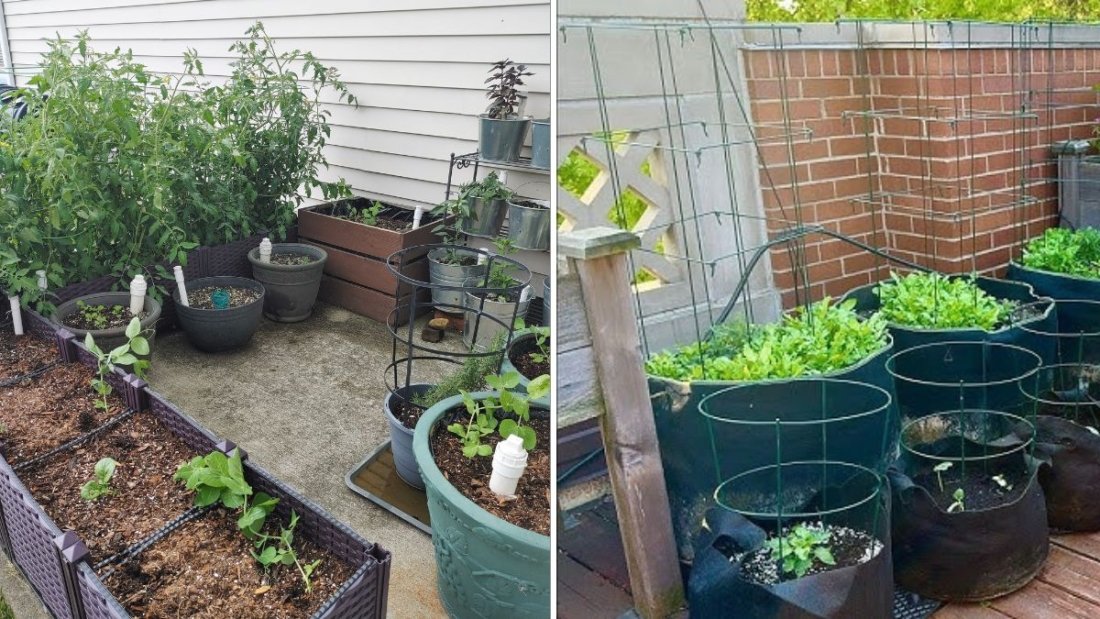
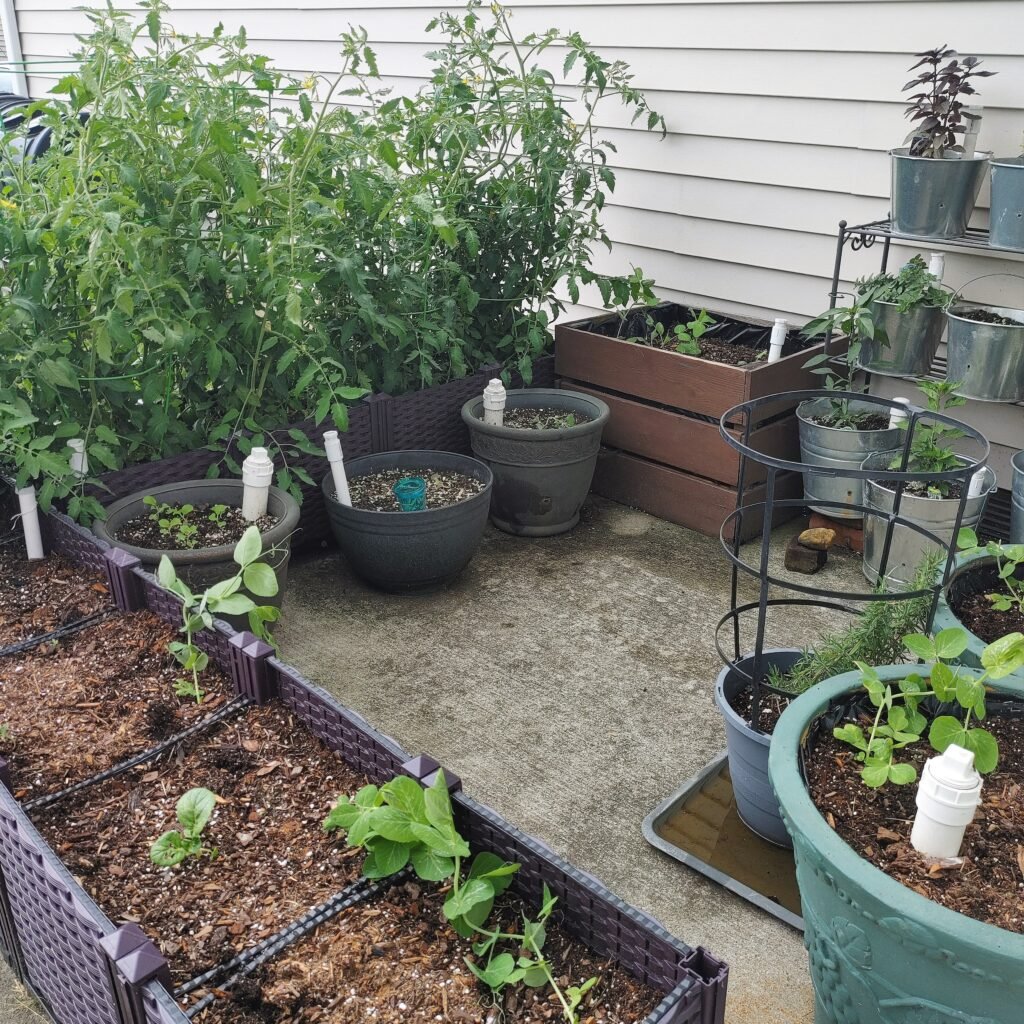
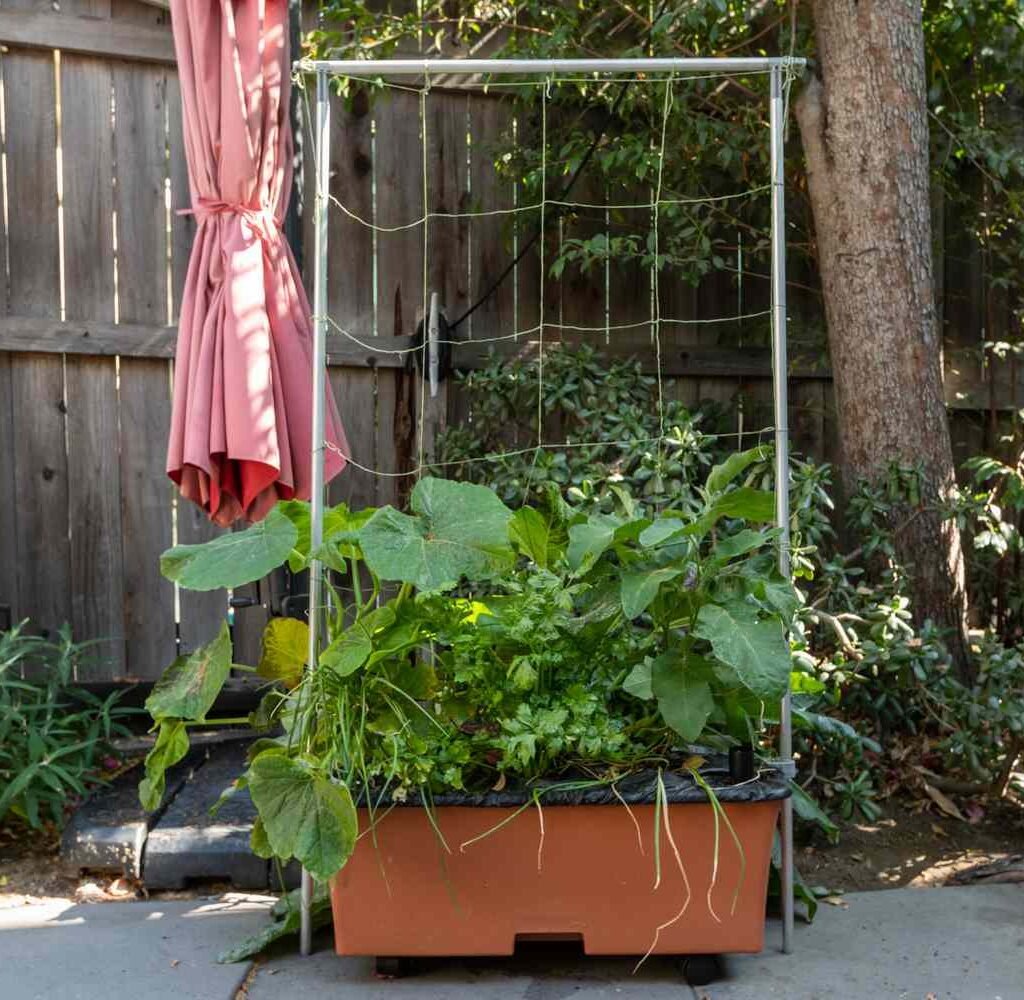
  • Space-efficient: Grows well in raised beds or containers.
  • Long-term harvest: Roots can be left in the soil for winter.
  • Low-input crop: Minimal fertilizer and pesticide needs.
  • Dual-purpose: Roots and greens both edible, reducing waste.

Homegrown parsnips ensure fresh, nutritious, and sustainable produce year-round.


12. Why Every American Should Grow and Eat Parsnips

Parsnips are more than just a root—they are nutritious, versatile, and easy to grow, making them ideal for American home gardens and kitchens. Their sweet flavor, creamy texture, and health benefits make them a standout in soups, roasts, and purees.

By growing parsnips, you gain fresh, organic, and nutrient-dense vegetables, while also embracing sustainable gardening practices. Whether roasted, mashed, baked, or pureed, parsnips are a delicious and healthful addition to any meal..
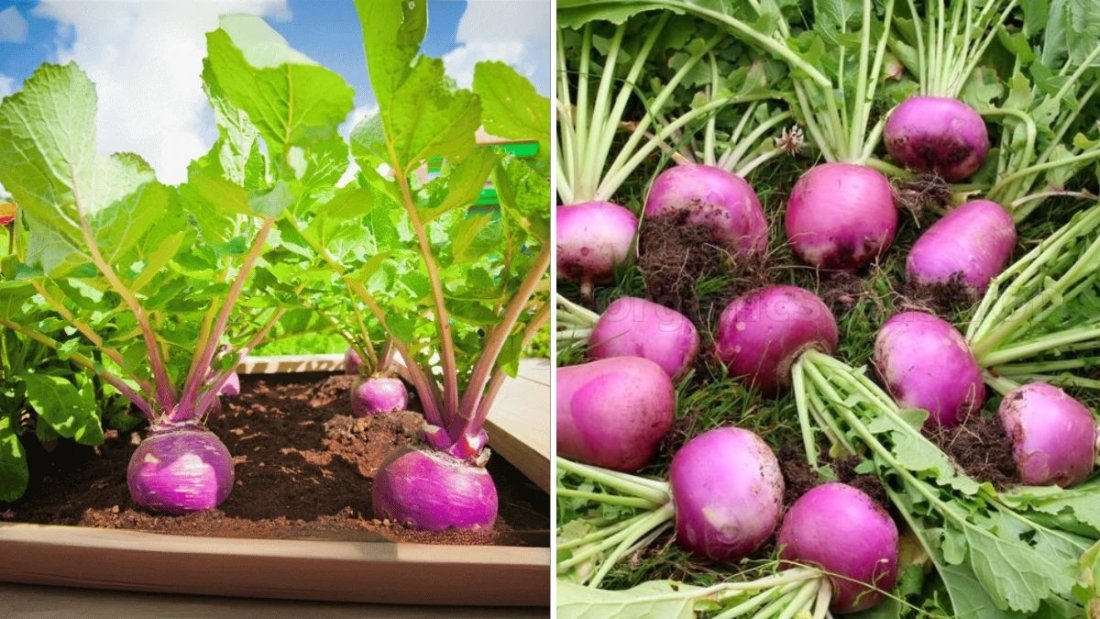
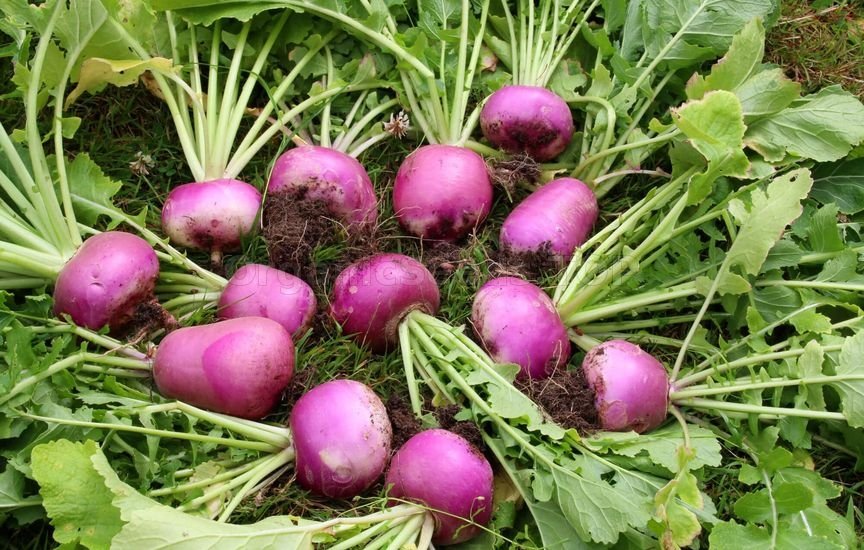
Turnips The Nutritious, Versatile Root Every American Garden Should Grow

Turnips The Nutritious, Versatile Root Every American Garden Should Grow

Few vegetables combine nutrition, versatility, and ease of growth like the humble turnip. Known for their crisp texture and slightly sweet, earthy flavor, turnips have been a staple in American diets for centuries. From hearty soups and stews to roasted sides and pickles, this root vegetable adds flavor, nutrients, and color to any meal.

Turnips are not only edible roots—they also provide edible greens, making them a dual-purpose crop. Easy to grow in backyard gardens, raised beds, or containers, turnips are perfect for American gardeners looking for a fast-growing, low-maintenance, and nutrient-dense vegetable.

In this article, we’ll explore everything about turnips—from planting and care to health benefits and culinary uses—so you can bring this ancient yet modern vegetable into your home garden and kitchen.


1. What Is a Turnip? A Classic Root Vegetable

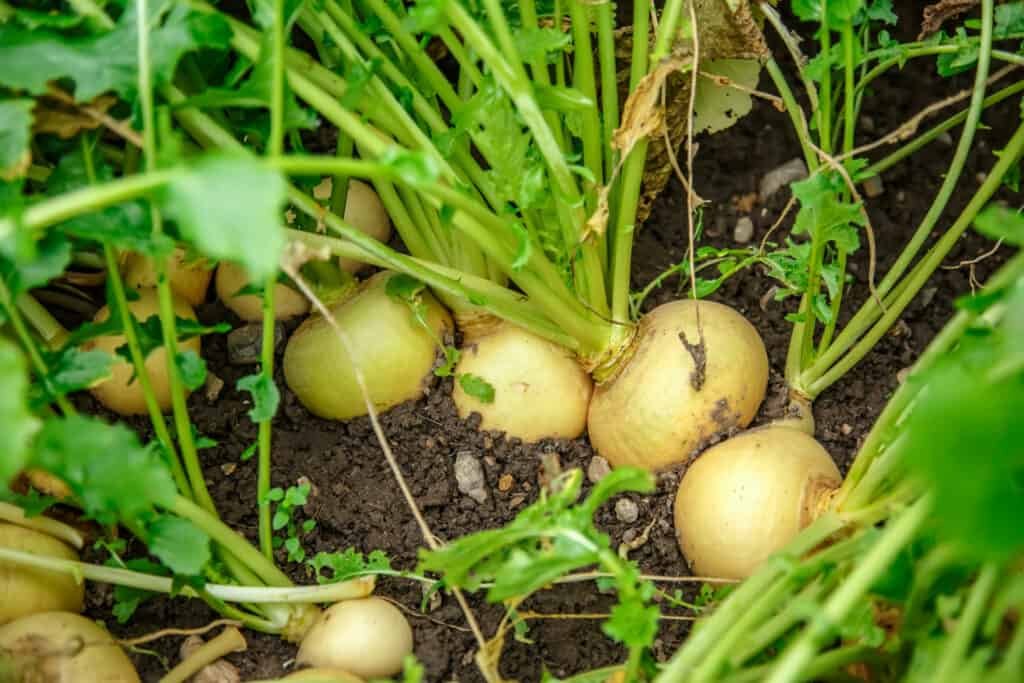
Turnip (Brassica rapa subsp. rapa) is a cool-season root vegetable prized for its crisp, slightly sweet root and tender greens. Turnips originated in Europe and Asia and have been cultivated for thousands of years. Today, they remain popular in American gardens and kitchens due to their versatility and nutritional benefits.

Botanical profile:

  • Scientific name: Brassica rapa subsp. rapa
  • Family: Brassicaceae
  • Type: Biennial root vegetable
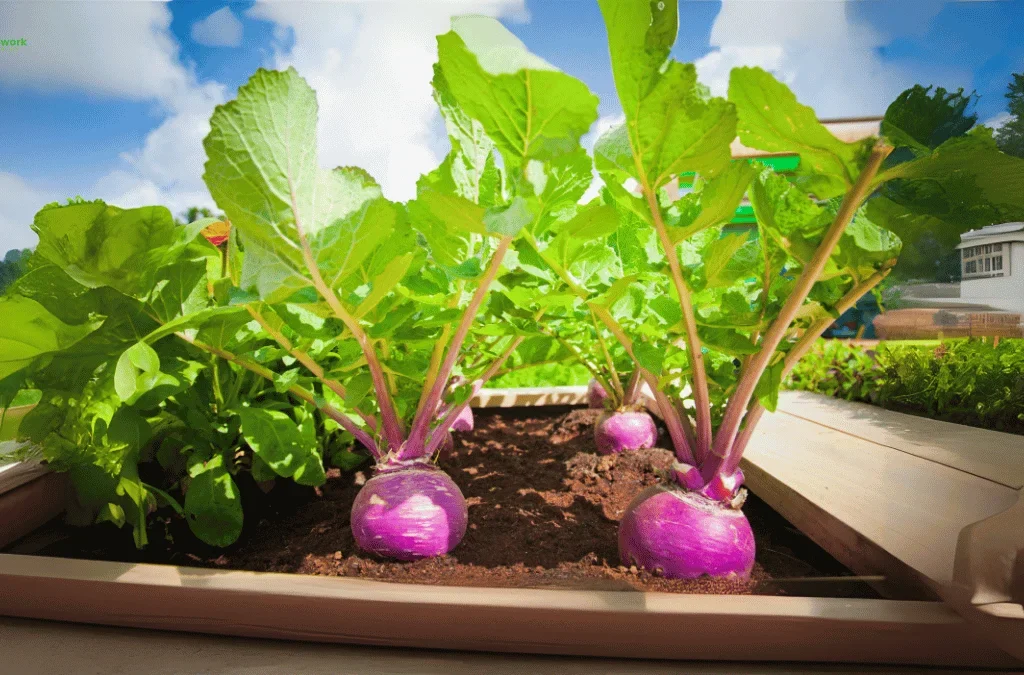
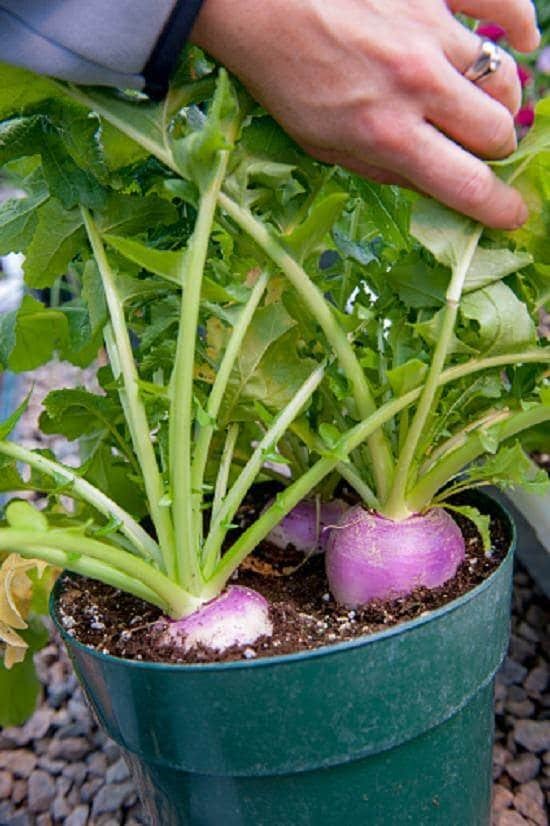
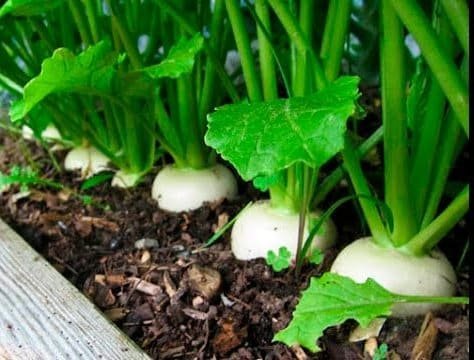
  • Color: White with purple top, golden, or all-white varieties
  • USDA Zones: 2–10

Turnip greens are nutrient-dense and flavorful, often compared to kale or mustard greens, adding another layer of versatility to your meal planning.


2. Nutritional Power of Turnips

Turnips are low in calories but high in essential vitamins and minerals, making them a great addition to American diets.

Nutritional highlights (per 100g):

  • Calories: 28
  • Carbohydrates: 6.4g
  • Fiber: 1.8g
  • Vitamin C: 21% of Daily Value (supports immunity)
  • Vitamin K: 0.1 mcg (supports bone health)
  • Potassium: 6% of Daily Value (supports heart function)
  • Calcium and Magnesium: Supports strong bones
  • Antioxidants: Glucosinolates and flavonoids

Health benefits include:

  • Immune support: High vitamin C content strengthens immunity.
  • Heart health: Potassium helps regulate blood pressure.
  • Digestive health: Fiber promotes healthy digestion.
  • Bone health: Calcium and magnesium support bone strength.
  • Anti-inflammatory: Antioxidants help reduce inflammation.

Turnips are nutrient-packed, low-calorie, and ideal for weight management, making them perfect for modern American diets focused on wellness.


3. Why Turnips Are Perfect for American Gardens

Turnips are a beginner-friendly crop that is fast-growing, hardy, and visually appealing. Here’s why gardeners across the U.S. love turnips:

  • Quick harvest: Many varieties mature in 40–60 days.
  • Dual-purpose: Both roots and greens are edible.
  • Cold-tolerant: Grows well in spring and fall; withstands light frost.
  • Compact growth: Ideal for raised beds, container gardens, or small spaces.
  • Variety: Purple-topped, golden, and white varieties add color to your garden.

Turnips are also great for succession planting, providing multiple harvests throughout the season.


4. How to Grow Turnips in the U.S.

Turnips thrive in cool, well-drained soil and are one of the easiest vegetables to grow for both beginners and seasoned gardeners.

a. Planting Season

  • Spring: Sow 2–4 weeks before the last frost.
  • Fall: Plant 8–10 weeks before the first frost for late-season harvest.

Turnips grow best at temperatures between 50°F–70°F, avoiding hot summer months that may cause bolting.

b. Soil and Sunlight Requirements

  • Soil: Loose, fertile, well-draining soil.
  • pH: Slightly acidic to neutral (6.0–7.5).
  • Sunlight: Full sun for best flavor, partial shade in hot climates.

Adding compost or organic fertilizer encourages sweet, tender roots and nutrient-dense greens.

c. Sowing Seeds

  • Seed depth: ½ inch
  • Spacing: 2–4 inches apart
  • Rows: 12–18 inches apart
  • Watering: Keep soil evenly moist for optimal germination.

Thinning seedlings ensures proper root development and prevents overcrowding.


5. Caring for Turnips

Turnips are low-maintenance, but these tips ensure a healthy harvest:

  • Water consistently: Avoid drought stress to prevent tough, woody roots.
  • Mulch: Helps retain soil moisture and reduces weeds.
  • Fertilize lightly: Avoid excess nitrogen to focus growth on roots rather than leaves.
  • Pest management: Monitor for root maggots, flea beetles, and aphids; row covers or organic solutions work well.

Proper care maximizes root size, flavor, and green quality.


6. Harvesting Turnips

Turnips are ready to harvest in 40–60 days, depending on the variety.

Harvesting tips:

  • Loosen soil gently with a fork to avoid damaging the roots.
  • Pull roots by the base.
  • Baby turnips are tender and mildly sweet; larger roots have a stronger, earthier flavor.

Pro Tip: A light frost enhances sweetness by converting starches into natural sugars.


7. Storing and Preserving Turnips

Turnips are versatile and store well for weeks if handled properly:

  • Refrigeration: Remove greens and store roots in a plastic bag in the crisper for up to 2–3 weeks.
  • Root cellar: Store in damp sand for long-term preservation.
  • Pickling: Preserves flavor and adds tang to meals.
  • Greens: Sauté or use raw in salads.

Proper storage ensures nutrients, flavor, and texture remain intact.


8. Culinary Uses of Turnips

Turnips are highly versatile, fitting into a wide range of American recipes:

a. Raw

  • Slice or julienne for salads and slaws.
  • Serve with dips as a crunchy snack.

b. Roasted

  • Toss with olive oil, garlic, and herbs for a caramelized, flavorful side.

c. Soups and Stews

  • Add diced turnips to hearty stews or creamy soups for natural sweetness and texture.

d. Pickled

  • Quick-pickle for sandwiches, tacos, or snacks.

e. Greens

  • Sauté or stir-fry for a nutrient-rich side dish.

Turnips pair well with potatoes, carrots, onions, garlic, and fresh herbs, making them a versatile ingredient for any meal.


9. Popular Turnip Varieties for American Gardens

Several turnip varieties thrive across U.S. gardens, offering different flavors, colors, and growth habits:

  • ‘Purple Top White Globe’: Classic, round turnip with mild flavor.
  • ‘Golden Ball’: Sweet, golden flesh perfect for roasting.
  • ‘Tokyo Cross’: Fast-growing, mild flavor, ideal for baby turnips.
  • ‘Scarlet Queen’: Red-skinned, tender, and crisp.
  • ‘Hakurei’ (Salad Turnip): Sweet, smooth, and great for raw eating.

Mixing varieties adds visual appeal and flavor diversity to meals and gardens.


10. Health Benefits of Turnips

Turnips offer numerous health advantages:

  • Immune support: High vitamin C strengthens immunity.
  • Digestive health: Fiber promotes regularity and gut health.
  • Heart health: Potassium helps regulate blood pressure.
  • Bone health: Calcium and magnesium strengthen bones.
  • Anti-inflammatory: Antioxidants reduce inflammation and oxidative stress.

Including turnips in your diet is a simple way to boost nutrition and wellness.


11. Sustainability and Home Gardening Benefits

Turnips are eco-friendly and sustainable:

  • Compact growth: Perfect for small gardens and container planting.
  • Fast-growing: Multiple harvests possible each season.
  • Dual-purpose: Edible roots and greens reduce waste.
  • Low input: Minimal fertilizer and pesticide needs.

Homegrown turnips provide fresh, nutrient-rich, and sustainable produce for your family.


12. Why Every American Should Grow and Eat Turnips

Turnips are nutritious, versatile, and easy to grow, making them a must-have for American gardeners and kitchens. Their roots and greens provide flavor, color, and essential nutrients for salads, soups, roasted sides, and pickled dishes.

Growing turnips at home ensures fresh, organic produce, reduces grocery costs, and supports sustainable gardening practices. Whether raw, roasted, or pickled, turnips are a tasty, healthful addition to any meal.

Radish The Crisp, Nutrient-Packed Root Every American Garden Should Grow

Radish The Crisp, Nutrient-Packed Root Every American Garden Should Grow

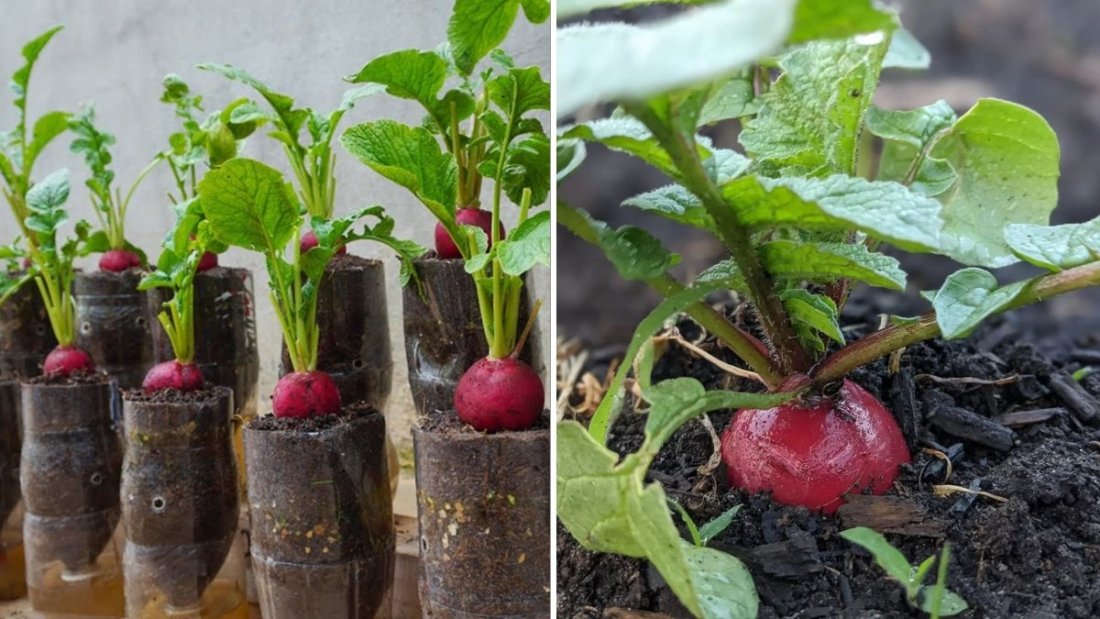
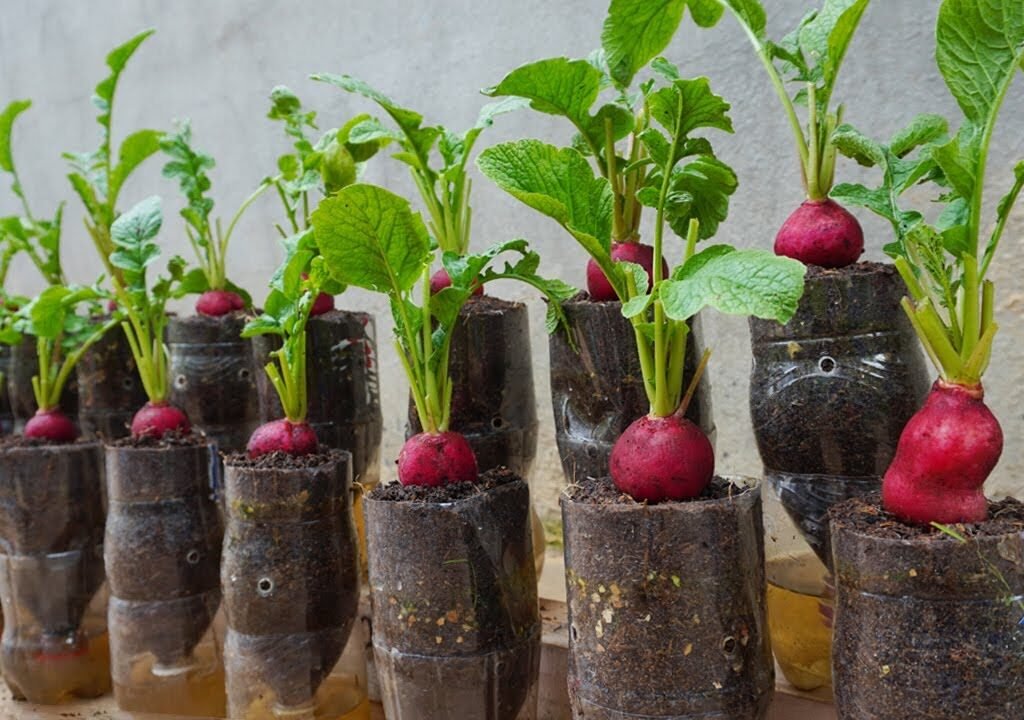
Small, crunchy, and full of flavor, radishes are one of the most versatile root vegetables in American kitchens. Known for their peppery taste, crisp texture, and vibrant colors, radishes are perfect for adding a punch to salads, sandwiches, and garnishes. But they’re more than just a flavorful snack—they are also packed with nutrients, low in calories, and quick-growing, making them ideal for home gardeners across the United States.

Radishes are easy to grow in backyard gardens, raised beds, or containers, providing a satisfying harvest even for beginner gardeners. In this article, we’ll explore everything you need to know about radishes—from planting and care to nutrition, health benefits, and creative ways to use them in American cuisine.


1. What Is a Radish? A Tiny Root with Big Flavor

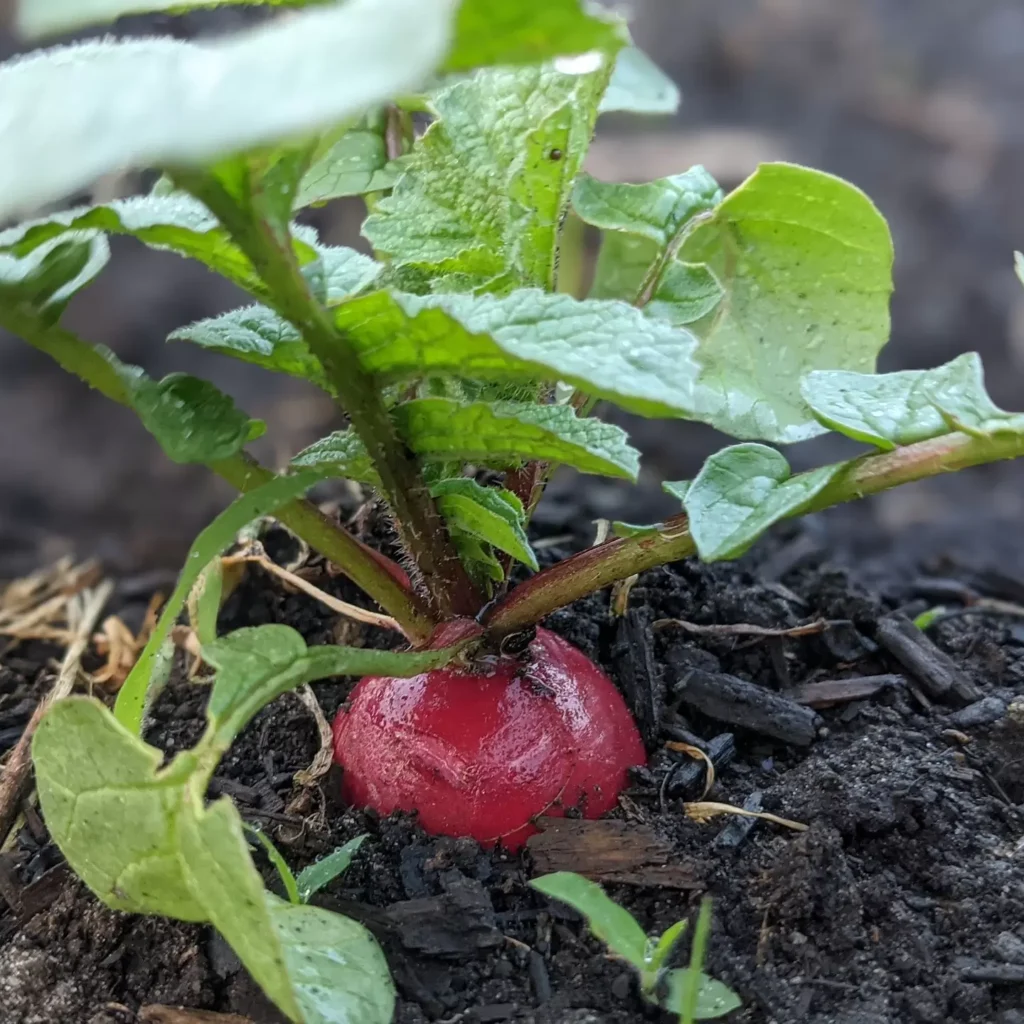
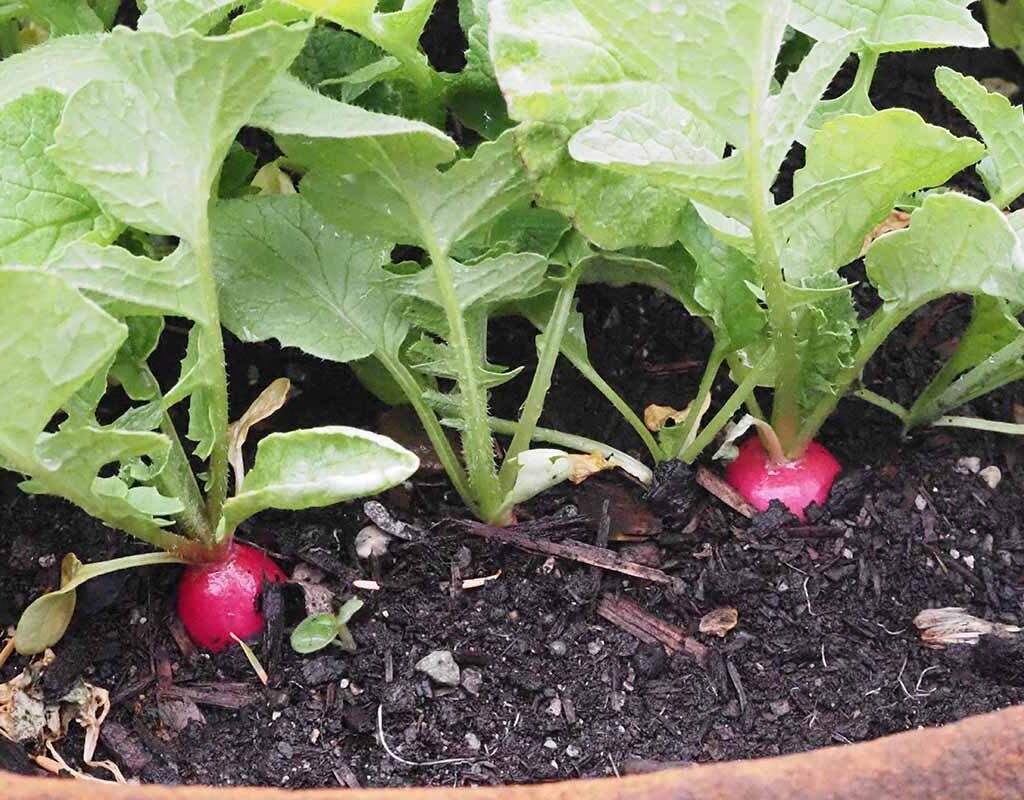
Radishes (Raphanus sativus) are fast-growing, cool-season root vegetables. Originating in Asia, they have been cultivated for thousands of years and have since become a staple in Western diets, especially in the United States.

Botanical profile:

  • Scientific name: Raphanus sativus
  • Family: Brassicaceae
  • Type: Annual root vegetable
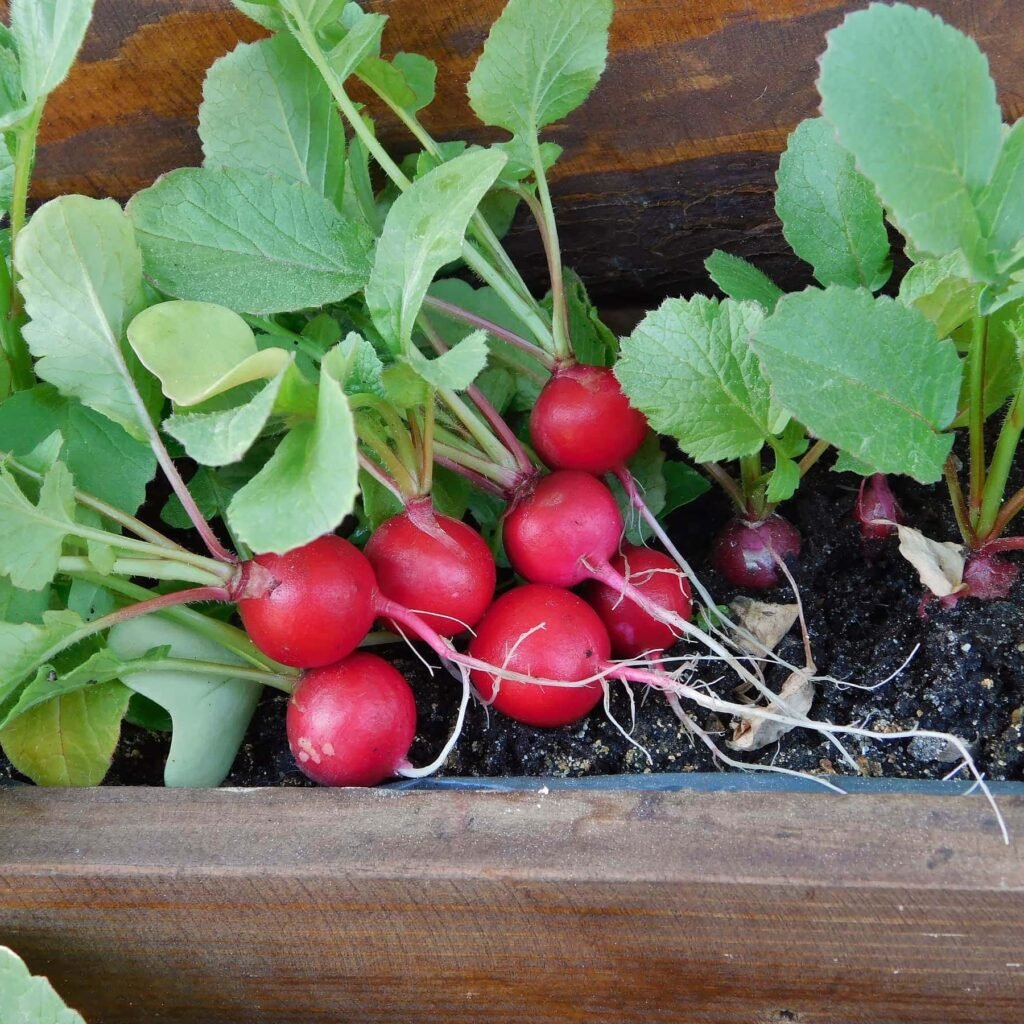
  • Color: Red, white, pink, purple, or black
  • USDA Zones: 2–10
  • Growth cycle: 20–60 days, depending on variety

Radishes are unique because both the root and the greens are edible. Their crisp, peppery flavor can vary from mild to strong depending on the variety and growing conditions.


2. Nutritional Power of Radishes

Despite their small size, radishes are nutrient-dense and health-supportive. They are low in calories but high in vitamins, minerals, and antioxidants.

Nutritional highlights (per 100g):

  • Calories: 16
  • Carbohydrates: 3.4g
  • Fiber: 1.6g
  • Vitamin C: 18% of Daily Value (immune support)
  • Potassium: 5% of Daily Value (supports heart and muscle function)
  • Folate: 2% of Daily Value
  • Calcium and Magnesium: Supports bone health
  • Antioxidants: Glucosinolates and anthocyanins

Health benefits include:

  • Immune support: Vitamin C helps fight infections.
  • Digestive health: Fiber promotes healthy digestion.
  • Heart health: Potassium helps regulate blood pressure.
  • Detoxification: Antioxidants support liver and kidney function.

Radishes are a low-calorie, high-nutrient food that fits perfectly into American diets focused on health and wellness.


3. Why Radishes Are Perfect for American Gardens

Radishes are a beginner-friendly, fast-growing crop that works well in home gardens and urban spaces. Here’s why American gardeners love them:

  • Quick harvest: Many varieties mature in just 3–4 weeks.
  • Compact size: Ideal for small gardens, raised beds, and containers.
  • Cool-season crop: Grows in spring and fall, complementing other garden crops.
  • Variety: Red, white, pink, purple, and even black radishes add color to the garden and plate.
  • Dual-purpose: Both roots and greens are edible.

Radishes are also excellent for succession planting, allowing multiple harvests throughout the season.


4. How to Grow Radishes in the U.S.

Radishes thrive in cool, well-drained soil and are one of the easiest vegetables to grow in American gardens.

a. Planting Season

  • Spring: 2–4 weeks before the last frost.
  • Fall: 6–8 weeks before the first frost.

Radishes prefer temperatures between 50°F–70°F. Hot weather can cause them to bolt and become spicy.

b. Soil and Sunlight Requirements

  • Soil: Loose, sandy loam rich in organic matter.
  • pH: 6.0–7.0 (slightly acidic to neutral).
  • Sunlight: Full sun for optimal growth, partial shade in hot climates.

c. Sowing Seeds

  • Seed depth: ½ inch
  • Spacing: 1–2 inches apart
  • Rows: 12–18 inches apart
  • Watering: Keep soil evenly moist for quick germination.

Thinning seedlings is important to prevent overcrowding and ensure crisp, round roots.


5. Caring for Radishes

Radishes are low-maintenance, but these tips help maximize yield and quality:

  • Water regularly: Even moisture prevents woody, spicy roots.
  • Mulch: Helps retain soil moisture and suppress weeds.
  • Fertilize lightly: Avoid high-nitrogen fertilizers, which encourage leafy growth over root development.
  • Pest control: Watch for aphids, flea beetles, and root maggots; row covers or neem oil can help.

Radishes are forgiving, making them a great first crop for beginner gardeners.


6. Harvesting Radishes

Radishes grow fast, making them a rewarding crop for impatient gardeners.

Harvesting tips:

  • Most varieties are ready in 20–60 days depending on type.
  • Pull roots gently from the soil to avoid breaking.
  • Baby radishes are sweeter and milder, while larger roots can become spicier.

Pro Tip: Regular harvesting encourages continued growth, especially for cut-and-come-again varieties.


7. Storing and Preserving Radishes

Radishes are easy to store and versatile for long-term use:

  • Refrigeration: Remove leaves, store roots in a plastic bag in the crisper for 1–2 weeks.
  • Pickling: Slice and pickle for salads, sandwiches, or snacks.
  • Freezing: Blanching is possible, though texture may soften.
  • Greens: Sauté or use fresh in salads for added nutrients.

Proper storage ensures crisp, peppery radishes for weeks.


8. Culinary Uses of Radishes

Radishes are highly versatile in American cuisine, offering crunch, spice, and color.

a. Raw

  • Slice for salads or garnish tacos, burgers, and sandwiches.
  • Serve with hummus or dips as a healthy snack.

b. Roasted

  • Roast with olive oil and herbs for a sweet, earthy flavor.

c. Pickled

  • Quick-pickle with vinegar, sugar, and spices for tangy, crunchy radishes.

d. Soups and Stews

  • Add thin slices to broths or vegetable soups for subtle flavor.

e. Greens

  • Sauté, stir-fry, or add raw to salads for extra vitamins.

Radishes pair well with butter, garlic, herbs, and citrus, making them adaptable to countless American dishes.


9. Popular Radish Varieties for American Gardens

Home gardeners have many radish options:

  • ‘Cherry Belle’: Round, bright red, classic salad radish.
  • ‘French Breakfast’: Oblong, red with white tip, mild flavor.
  • ‘White Icicle’: Crisp, white, elongated radish.
  • ‘Watermelon’: Pink interior, white tip, sweet flavor.
  • ‘Black Spanish’: Winter radish with bold flavor, ideal for storage.

Mixing varieties creates visual appeal and diverse flavors in salads and dishes.


10. Health Benefits of Radishes

Radishes provide numerous health advantages, making them a staple for wellness-focused diets:

  • Digestive health: High fiber promotes gut health.
  • Heart health: Potassium helps regulate blood pressure.
  • Immune support: Vitamin C strengthens immunity.
  • Detoxification: Sulfur compounds support liver function.
  • Weight management: Low in calories but high in fiber for fullness.

Radishes are a nutrient-rich, low-calorie addition to American meals.


11. Sustainability and Home Gardening Benefits

Radishes are an eco-friendly, fast-growing crop for sustainable gardening:

  • Compact growth: Suitable for small gardens, raised beds, and containers.
  • Succession planting: Allows multiple harvests throughout the season.
  • Dual-purpose: Roots and greens both edible.
  • Low input: Minimal fertilizer and pesticide requirements.

Growing radishes at home provides fresh, healthy, and sustainable produce for your family.


12. Why Every American Should Grow and Eat Radishes

Radishes are more than just a crunchy snack—they are versatile, nutritious, and easy to grow, making them a must-have for American gardens. Their quick growth, colorful roots, and peppery flavor make them perfect for salads, side dishes, snacks, and garnishes.

By planting radishes, you gain fresh, nutrient-dense vegetables, reduce grocery costs, and embrace a sustainable and rewarding gardening experience.


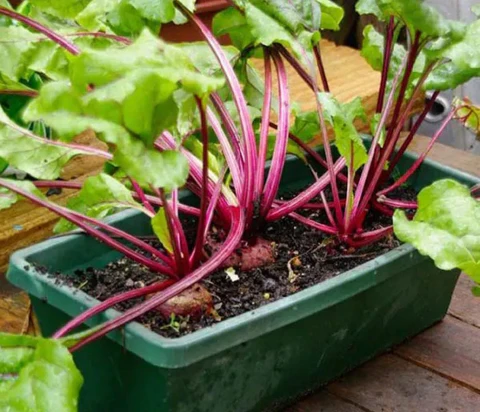
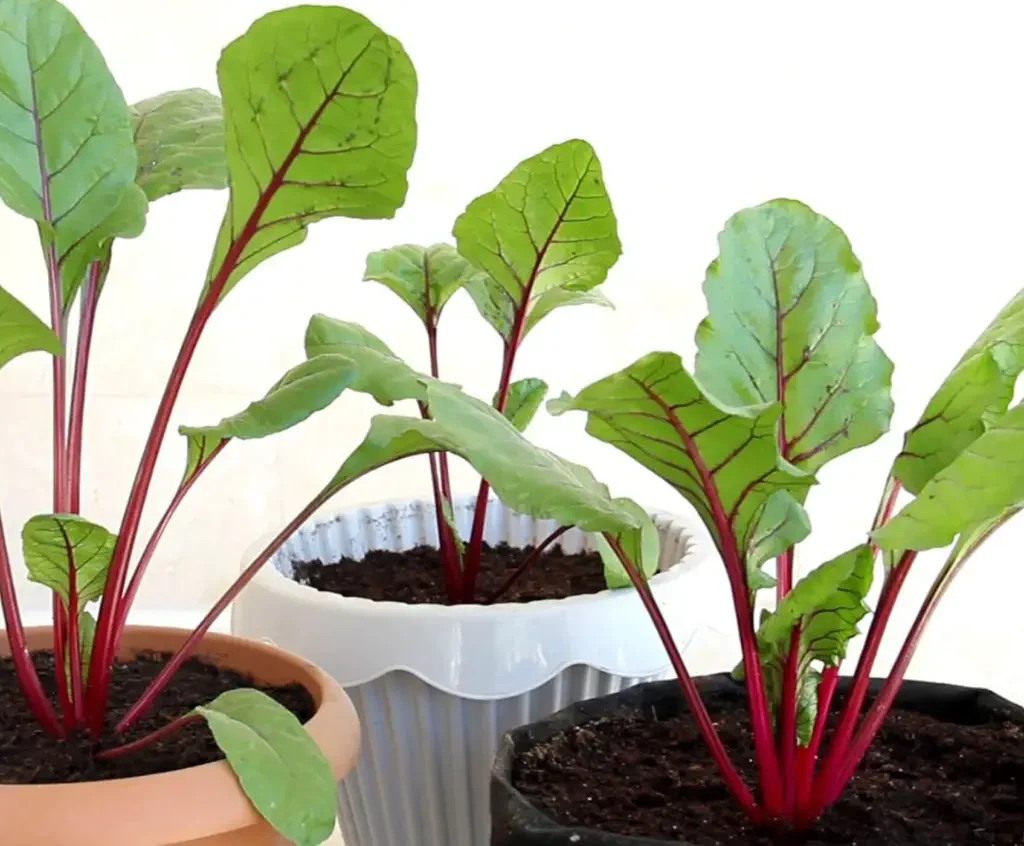
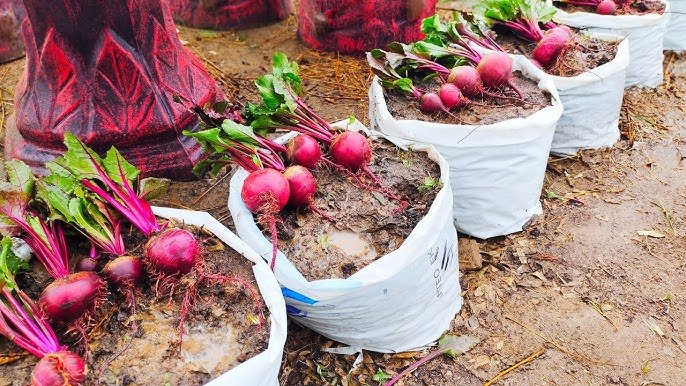
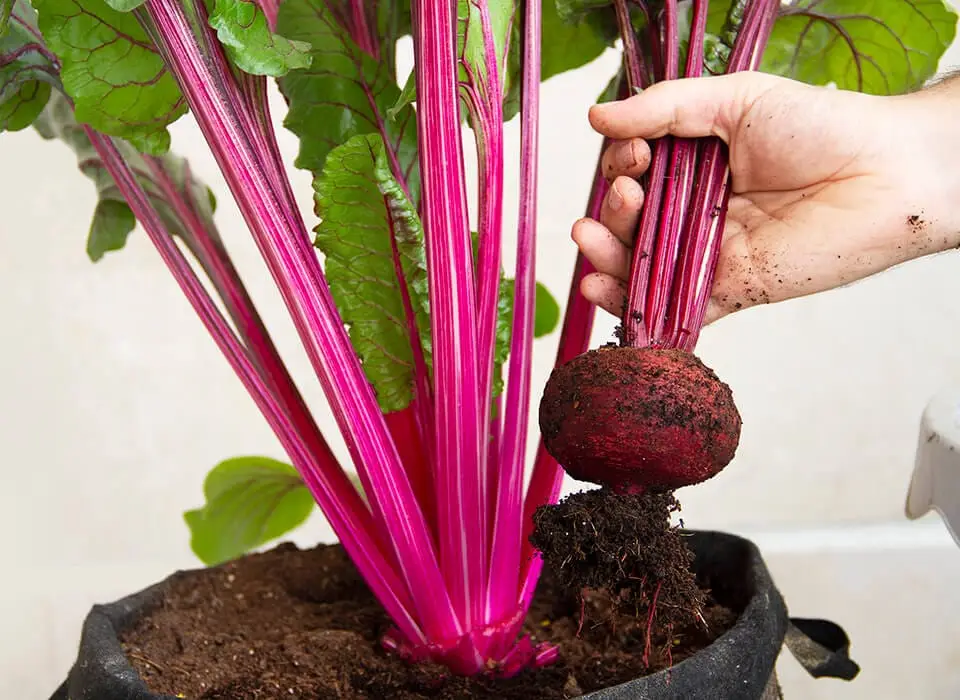
Beetroot The Vibrant, Nutrient-Packed Superfood Every American Garden Should Grow

Beetroot The Vibrant, Nutrient-Packed Superfood Every American Garden Should Grow

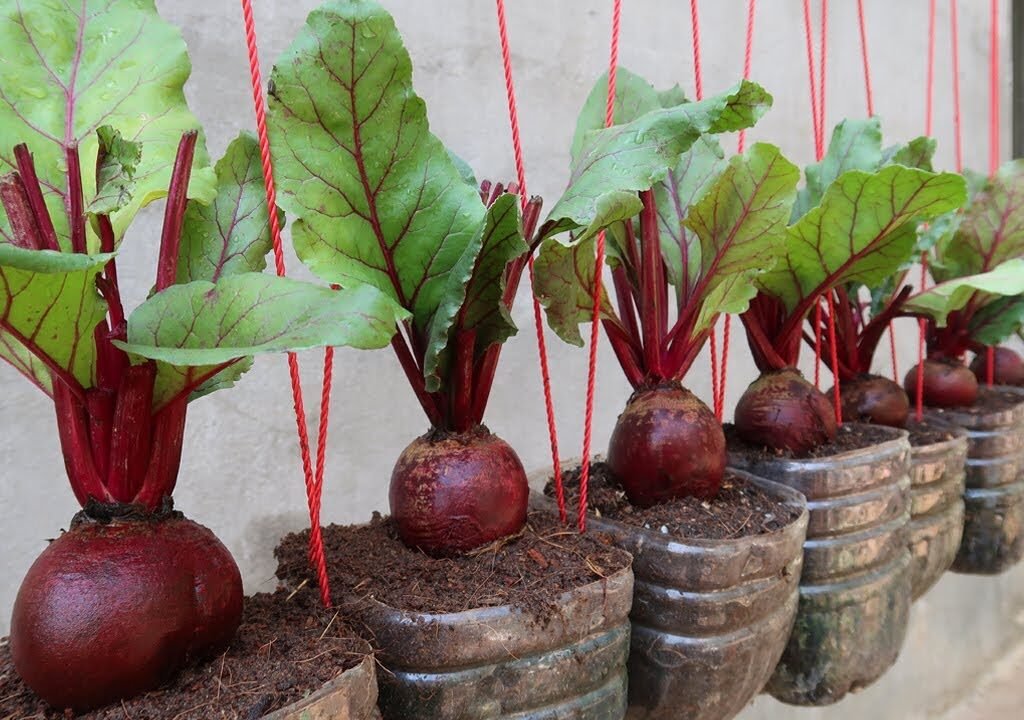
If there’s a vegetable that combines striking color, rich flavor, and remarkable health benefits, it’s the humble beetroot. Known for its deep red-purple hue and earthy sweetness, beetroot has become a superfood favorite in American diets. From smoothies and salads to roasted sides and juices, this versatile root vegetable offers both culinary creativity and nutritional power.

Beyond its flavor, beetroot is packed with vitamins, minerals, and antioxidants that support heart health, digestion, immunity, and athletic performance. It’s easy to grow at home, making it perfect for American gardeners who want fresh, organic produce at their fingertips. In this article, we’ll explore everything you need to know about beetroot, from growing tips and health benefits to delicious recipes and storage advice.


1. What Is Beetroot? A Colorful Root with Ancient Origins

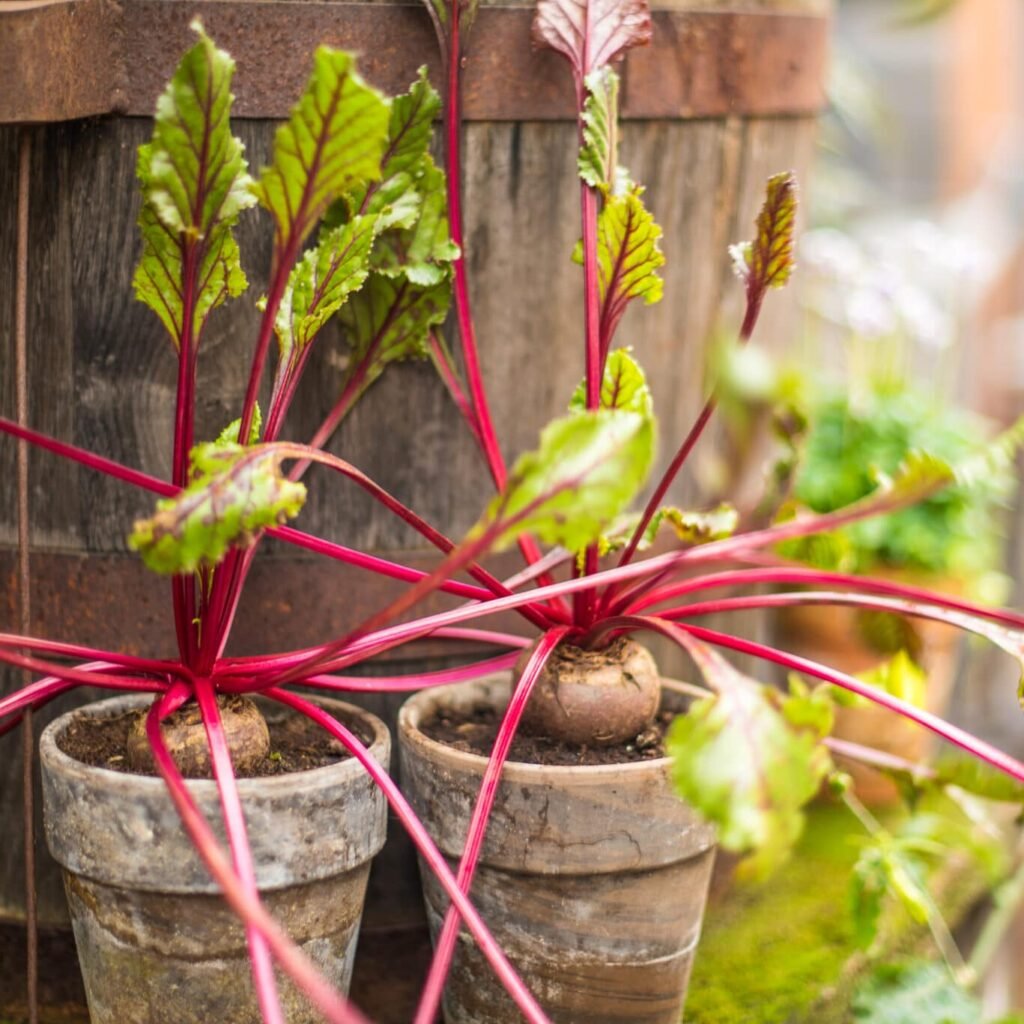
Beetroot (Beta vulgaris) is a biennial root vegetable grown primarily for its edible taproot and tender leaves. Originally cultivated in the Mediterranean region, beets have a long history of use for food and medicine. Today, they’re enjoyed worldwide and are gaining popularity in American kitchens for their earthy flavor, versatility, and superfood qualities.

Botanical profile:

  • Scientific name: Beta vulgaris
  • Family: Amaranthaceae
  • Type: Biennial root vegetable
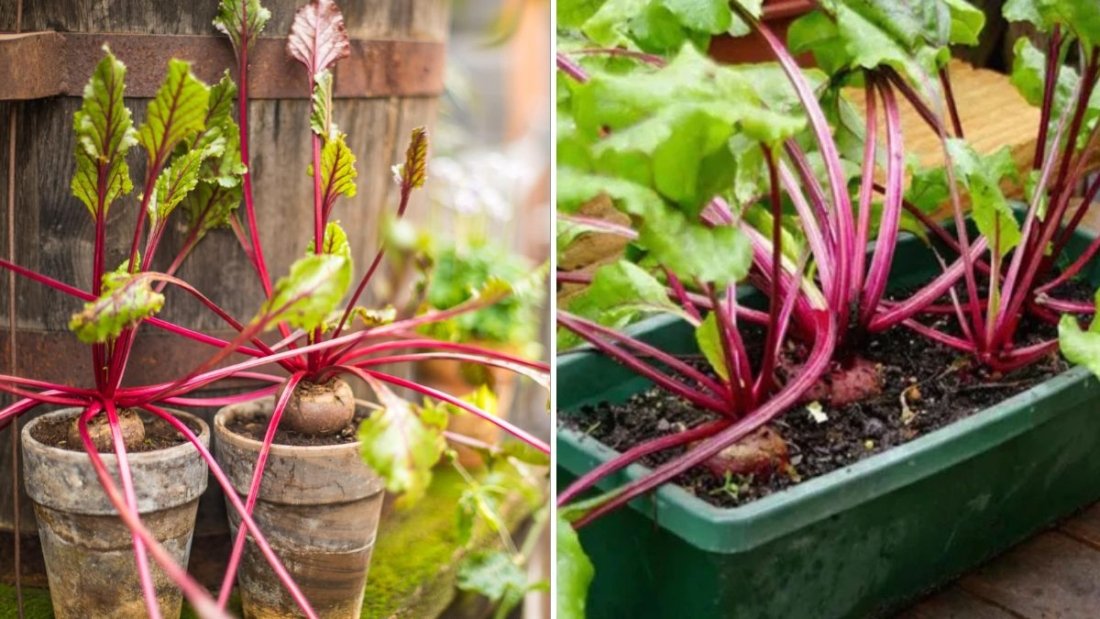
  • Color: Red, golden, and striped (Chioggia)
  • USDA Zones: 2–10

Beetroot leaves, or beet greens, are also edible and highly nutritious, often compared to spinach or Swiss chard in flavor and texture.


2. Nutritional Power of Beetroot

Beetroot is low in calories but high in essential nutrients, making it ideal for health-conscious Americans. Its rich color comes from betalains, potent antioxidants that promote overall wellness.

Nutritional highlights (per 100g):

  • Calories: 43
  • Carbohydrates: 10g
  • Fiber: 2.8g
  • Vitamin C: 8% of Daily Value (immune support)
  • Folate: 20% of Daily Value (DNA synthesis and cell repair)
  • Potassium: 9% of Daily Value (supports heart and muscle function)
  • Iron: 4% of Daily Value
  • Antioxidants: Betalains and nitrates for blood pressure regulation

Health benefits include:

  • Heart health: Dietary nitrates improve blood flow and reduce blood pressure.
  • Athletic performance: Nitrates can enhance stamina and endurance.
  • Detoxification: Betalains support liver function and cellular detox.
  • Digestive support: Fiber promotes healthy digestion and gut microbiota.

With such a nutrient profile, beetroot is a superfood worthy of daily consumption.


3. Why Beetroot Is Perfect for American Gardens

Beetroot is an excellent choice for home gardens due to its adaptability, fast growth, and dual-purpose use (roots and greens). Gardeners across the U.S. love beets because they:

  • Grow well in various climates: Cool-season vegetable that tolerates frost.
  • Are space-efficient: Can be planted densely in raised beds or containers.
  • Have a quick harvest: Baby beets can be ready in just 30–40 days.
  • Provide dual crops: Both roots and greens are edible.
  • Add vibrant color: Bright red, golden, or striped roots enhance garden aesthetics.

Whether you’re a backyard gardener or an urban container grower, beetroot delivers high yield and visual appeal.


4. How to Grow Beetroot in the U.S.

Beetroot is easy to grow for beginners and rewarding for experienced gardeners. Here’s a step-by-step guide for American gardens:

a. Planting Season

  • Spring: 2–4 weeks before the last frost.
  • Fall: 8–10 weeks before the first frost for a late-season harvest.

Beets prefer cool temperatures (50–70°F) and may bolt in hot summer months.

b. Soil and Sunlight Requirements

  • Soil: Loose, well-drained, rich in organic matter. Avoid heavy clay to prevent deformed roots.
  • pH: 6.0–7.5 (slightly acidic to neutral).
  • Sunlight: Full sun for optimal growth, partial shade in hotter regions.

Adding compost or organic fertilizer promotes sweet, tender roots.

c. Sowing Seeds

  • Seed depth: ½ inch
  • Spacing: 2–3 inches apart, rows 12–18 inches apart
  • Watering: Keep soil consistently moist until seedlings emerge.

Thinning seedlings is essential to allow roots to develop properly.


5. Caring for Beetroot

Beetroot requires minimal maintenance, but these tips help ensure a robust harvest:

  • Water regularly: Even moisture prevents splitting and bitterness.
  • Mulch: Helps retain soil moisture and reduce weeds.
  • Fertilize lightly: Avoid excess nitrogen, which encourages leaf growth at the expense of roots.
  • Pest management: Watch for leaf miners and aphids; neem oil or row covers are effective.

With proper care, beetroot is resilient and high-yielding, making it ideal for home gardeners.


6. Harvesting Beetroot

Beetroot is ready to harvest when roots reach 1.5–3 inches in diameter, typically 50–70 days after sowing.

Harvesting tips:

  • Gently loosen the soil with a fork to avoid damaging the roots.
  • Pull roots carefully by the base.
  • Harvest baby beets earlier for tender, sweet roots.

Pro Tip: Beetroot roots become sweeter after a light frost, as natural sugars concentrate.


7. Storing and Preserving Beetroot

Beetroot is highly storable, which makes it ideal for long-term use:

  • Refrigeration: Store roots in perforated plastic bags for up to 3–4 weeks.
  • Root cellar: Keep in damp sand or sawdust for several months.
  • Freezing: Blanch roots before freezing for long-term storage.
  • Pickling: A popular American method to extend shelf life and add flavor.

Proper storage preserves flavor, texture, and nutrients.


8. Culinary Uses of Beetroot

Beetroot is extremely versatile in American kitchens. Its earthy sweetness pairs well with a wide range of dishes:

a. Raw

  • Grate into salads for color and crunch.
  • Juice with apples, ginger, or carrots for nutrient-rich beverages.

b. Roasted

  • Roast with olive oil, garlic, and herbs for a natural sweetness.
  • Combine with potatoes, carrots, and parsnips for a colorful side.

c. Pickled

  • Slice and pickle for sandwiches, burgers, and snacks.

d. Soups

  • Classic borscht or modern beet soups showcase vibrant color and flavor.

e. Greens

  • Sauté beet greens with olive oil and garlic or add to smoothies for added nutrients.

9. Popular Beetroot Varieties for American Gardens

Several varieties of beetroot thrive in U.S. climates, offering different flavors and colors:

  • ‘Detroit Dark Red’: Classic deep red, tender, and sweet.
  • ‘Golden Beet’: Mild, sweet, and less earthy flavor.
  • ‘Chioggia’ (Candy Stripe): Unique red-and-white striped roots.
  • ‘Baby Beet Mix’: Fast-growing, colorful mix ideal for salads.
  • ‘Albino’ or White Beet: Sweet, mild flavor with striking color contrast.

Planting a mix of colors makes both your garden and your dishes visually stunning.


10. Health Benefits of Beetroot

Beetroot is considered a superfood due to its extensive health benefits:

  • Supports heart health: Nitrates improve blood flow and reduce blood pressure.
  • Boosts stamina: Nitrates enhance athletic performance and oxygen efficiency.
  • Detoxification: Betalains support liver detox and cellular health.
  • Digestive health: Fiber promotes regularity and gut microbiome health.
  • Anti-inflammatory: Antioxidants help reduce inflammation.

Including beetroot in your diet is a simple, flavorful way to support overall wellness.


11. Sustainability and Home Gardening Benefits

Beetroot is an eco-friendly, sustainable crop:

  • Compact growth: Fits well in small gardens, raised beds, and containers.
  • Fast-growing: Multiple plantings per season increase yield.
  • Dual-purpose: Roots and greens both edible, minimizing waste.
  • Low chemical input: Can be grown organically with minimal pesticides.

Homegrown beetroot ensures fresh, nutrient-rich, and sustainable produce for your family.


12. Why Every American Should Grow and Eat Beetroot

Beetroot combines vibrant color, sweet earthy flavor, and exceptional nutrition in one small root. Its versatility, ease of cultivation, and health benefits make it ideal for American home gardens and kitchens.

From juices and salads to roasted dishes and soups, beetroot enhances every meal with flavor, texture, and nutrients. Growing your own beets ensures freshness, sustainability, and unmatched taste, making it a must-have vegetable for modern American lifestyles.

Carrots The Crunchy, Nutrient-Packed Root Every American Garden Should Grow

Carrots The Crunchy, Nutrient-Packed Root Every American Garden Should Grow

Few vegetables are as universally loved as carrots. Known for their crisp texture, natural sweetness, and vibrant color, carrots have become a staple in American kitchens and gardens alike. From classic carrot sticks in lunchboxes to roasted or glazed carrots on holiday tables, this versatile root vegetable is both delicious and nutritious.

Carrots are not just a tasty snack—they are a powerhouse of nutrients that support vision, heart health, digestion, and immunity. Easy to grow in a backyard garden or even in containers, carrots are perfect for American home gardeners who want fresh, organic produce at their fingertips.

In this article, we’ll explore everything you need to know about carrots, including growing tips, nutritional benefits, culinary uses, and why they’re a must-have for American households.


1. What Is a Carrot? A Root Vegetable with a Rich History

Carrots (Daucus carota subsp. sativus) are biennial root vegetables cultivated for their edible taproots. Originally domesticated in the Middle East and Central Asia, they have been cultivated for thousands of years and adapted into many varieties. Today, carrots are a staple in American diets, eaten raw, cooked, or juiced.

Botanical profile:

  • Scientific name: Daucus carota subsp. sativus
  • Family: Apiaceae
  • Type: Biennial root vegetable
  • Color: Orange (most common), purple, yellow, red, and white
  • USDA zones: Grows well in zones 3–10

The modern orange carrot was selectively bred in the Netherlands in the 17th century, prized for its sweetness and vibrant hue. Today, Americans consume carrots in a wide range of dishes, from raw salads to roasted sides.


2. Nutritional Power of Carrots

Carrots are often celebrated for their beta-carotene content, a precursor to vitamin A, which is essential for eye health. But carrots also deliver a wealth of other nutrients.

Nutritional highlights (per 100g):

  • Calories: 41
  • Carbohydrates: 9.6g
  • Fiber: 2.8g
  • Vitamin A: 334% of the Daily Value
  • Vitamin K: 13% of the Daily Value
  • Vitamin C: 9% of the Daily Value
  • Potassium: Supports heart and muscle function
  • Antioxidants: Beta-carotene, lutein, and anthocyanins (in purple varieties)

Because of their low calorie count and high fiber content, carrots are perfect for weight management and digestive health. The beta-carotene also supports skin health and immune function, making carrots a nutritional powerhouse in American diets.


3. Why Carrots Are Perfect for American Gardens

Carrots are a favorite among home gardeners for several reasons:

  • Adaptable to many climates: Can grow in cool or temperate regions.
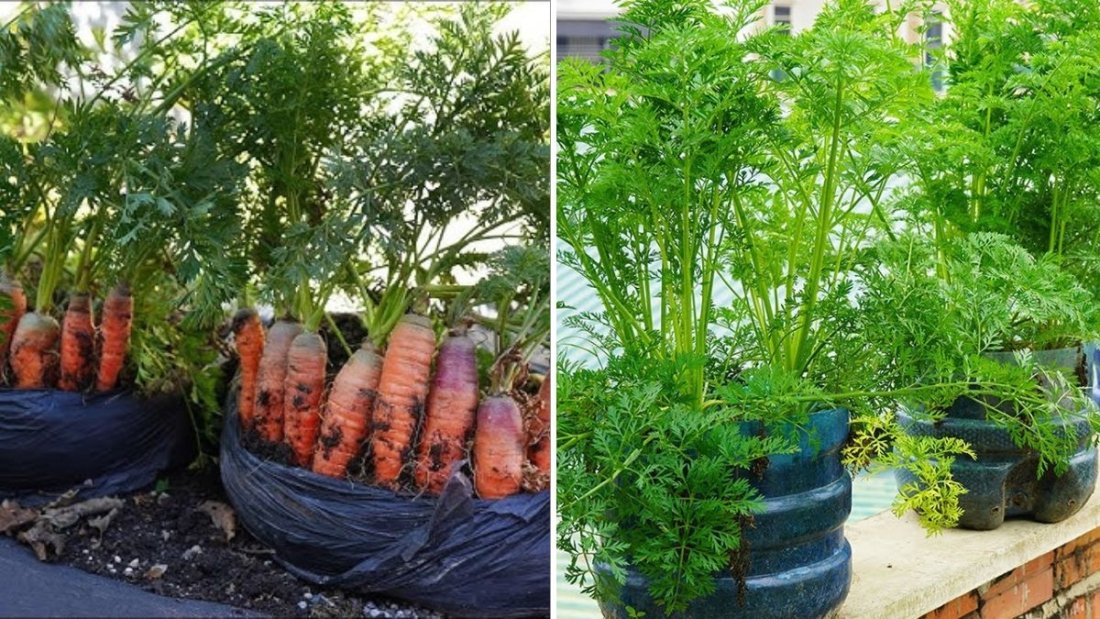
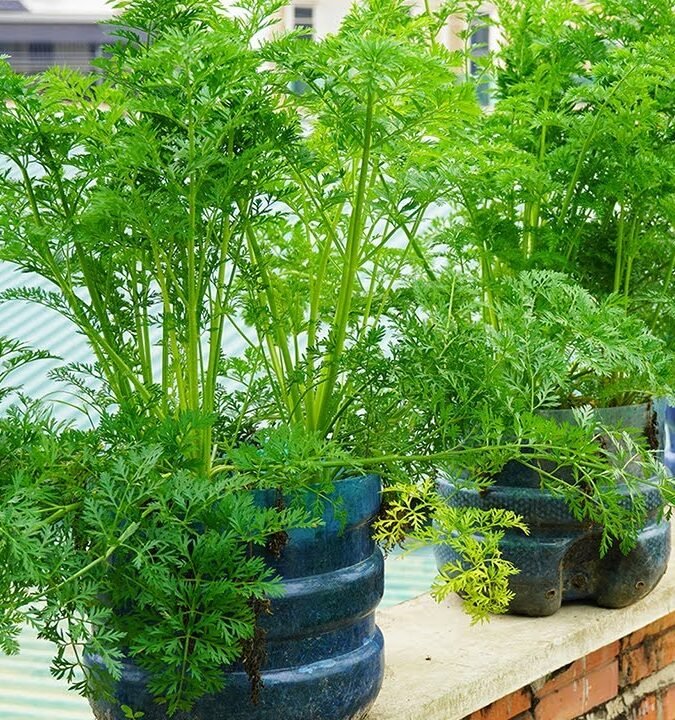
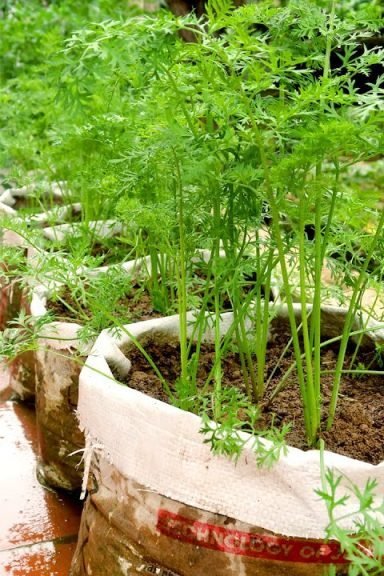
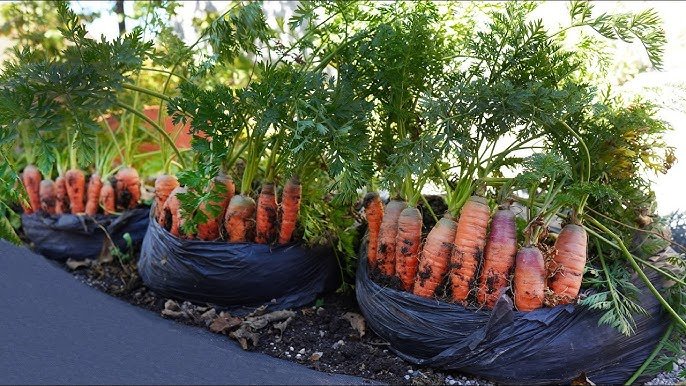
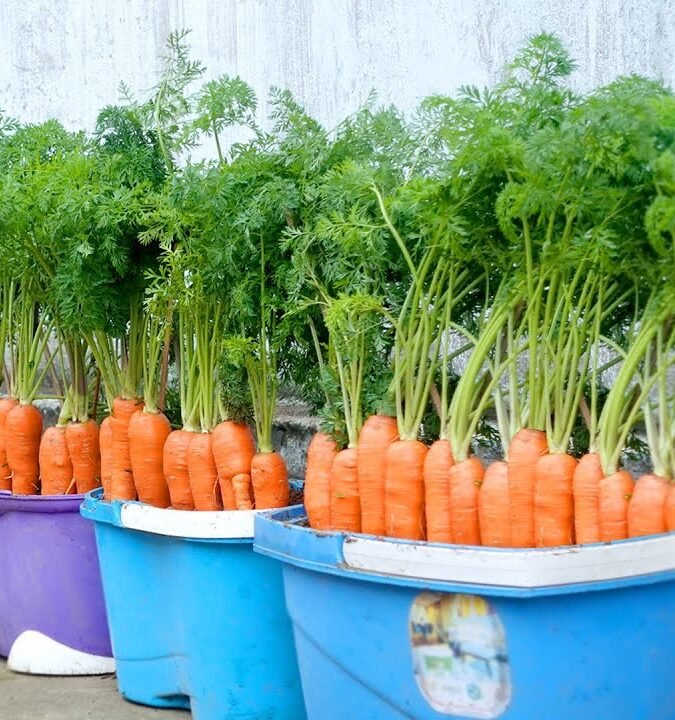
  • Easy to grow in beds or containers: Ideal for small urban gardens.
  • Long shelf-life: Roots store well in the refrigerator for weeks.
  • Fast-growing: Depending on variety, they can mature in 60–80 days.
  • Variety of colors and flavors: Adds visual appeal and taste variety to meals.

Whether you’re a novice gardener or an experienced grower, carrots are a rewarding vegetable with minimal maintenance and maximum culinary payoff.


4. How to Grow Carrots in the U.S.

Carrots thrive in loose, well-drained soil free of rocks, which allows roots to grow straight and smooth. Here’s a step-by-step guide for successful American carrot cultivation:

a. Planting Season

  • Spring: 2–3 weeks before the last frost.
  • Fall: 10–12 weeks before the first frost for a fall harvest.

Carrots prefer cool weather (55–75°F). In hotter regions, plant in partial shade to prevent bolting and bitterness.

b. Soil and Sun Requirements

  • Soil: Loose, sandy loam or fertile garden soil.
  • pH: Slightly acidic to neutral (6.0–6.8).
  • Sunlight: Full sun for best flavor and growth.

Add compost or well-rotted manure to enrich the soil and encourage sweet, tender roots.

c. Sowing Seeds

  • Seed depth: ¼ to ½ inch
  • Spacing: 1–2 inches apart
  • Rows: 12–18 inches apart

Carrot seeds are small and slow to germinate. Keep the soil consistently moist for 1–3 weeks until sprouts appear. Thinning seedlings is essential to prevent crowding.

d. Care and Maintenance

  • Watering: 1 inch per week; keep soil evenly moist.
  • Mulching: Helps retain moisture and reduce weeds.
  • Fertilizing: Side-dress with a low-nitrogen fertilizer to encourage root development.

Avoid over-fertilizing with nitrogen, as it encourages leafy growth rather than sweet, crunchy roots.


5. Harvesting Carrots

Carrots are ready to harvest when they reach the desired size, typically 60–80 days after sowing, depending on variety.

Tips for harvesting:

  • Gently loosen the soil with a fork to avoid breaking the root.
  • Pull carrots straight out by the base.
  • Harvest smaller carrots early for tender “baby carrots.”

Pro Tip: Carrots become sweeter after a light frost, as cold converts starches into sugars.


6. Storing and Preserving Carrots

Carrots are highly storable, which makes them perfect for Americans looking to stock up from their gardens.

  • Refrigeration: Remove tops and store in perforated plastic bags for up to 4 weeks.
  • Root cellar: Store in slightly damp sand or sawdust for several months.
  • Freezing: Blanch and freeze for long-term use.

Proper storage preserves the sweet flavor and nutritional content for months.


7. Culinary Uses of Carrots

Carrots are incredibly versatile in American cooking, appealing to both traditional and modern tastes.

a. Raw Snacks

  • Cut into sticks for lunchboxes or party platters.
  • Shred for coleslaw or salads.

b. Roasted or Glazed

  • Toss with olive oil, honey, or maple syrup for oven-roasted carrots.
  • Glazed carrots are a holiday favorite.

c. Soups and Stews

  • Adds sweetness, color, and texture to classic chicken noodle soup or beef stew.

d. Juices and Smoothies

  • Combine with apple, ginger, or orange for a nutrient-packed beverage.

e. Baking

  • Grated into cakes, muffins, and breads for natural sweetness and moisture.

Carrots pair well with herbs, spices, and proteins, making them one of the most versatile vegetables in American kitchens.


8. Varieties of Carrots for American Gardens

Home gardeners have many carrot varieties to choose from:

  • ‘Nantes’: Sweet, cylindrical, and ideal for fresh eating.
  • ‘Danvers’: Classic American variety, excellent for roasting.
  • ‘Imperator’: Long, slender, and great for juicing.
  • ‘Chantenay’: Short and stubby, perfect for shallow or container gardens.
  • ‘Purple Haze’ or ‘Atomic Red’: Colorful varieties rich in antioxidants.

Planting a mix of colors creates an attractive garden and adds visual flair to meals.


9. Health Benefits of Carrots

Incorporating carrots into your diet provides multiple health benefits:

  • Vision support: Beta-carotene promotes healthy eyes and night vision.
  • Immune support: Rich in vitamin C and antioxidants.
  • Heart health: Potassium and fiber reduce blood pressure and cholesterol.
  • Digestive health: Fiber aids bowel regularity.
  • Skin health: Vitamin A supports a glowing complexion.

Whether eaten raw, cooked, or juiced, carrots contribute to a balanced and nutrient-rich American diet.


10. Sustainability and Growing Carrots at Home

Carrots are eco-friendly and sustainable. Growing your own reduces grocery costs, packaging waste, and carbon footprint.

  • Small space-friendly: Suitable for raised beds, container gardens, and vertical planters.
  • Low maintenance: Minimal fertilizer and pesticide requirements.
  • Continuous harvest: Succession planting allows for year-round availability.

Homegrown carrots mean fresher, sweeter, and more nutritious roots than store-bought alternatives.


11. Why Every American Should Grow and Eat Carrots

Carrots are more than just a classic vegetable—they are versatile, nutritious, and easy to grow, making them a must-have for American gardens and kitchens. Their vibrant colors, natural sweetness, and health benefits make them appealing to adults and children alike.

Whether you enjoy them raw, roasted, or in smoothies, carrots bring crunch, flavor, and nutrients to any meal. By planting carrots in your garden, you not only enhance your diet but also embrace a sustainable and rewarding gardening experience.

Pak Choi Power The Nutrient-Packed Green Every American Kitchen Needs

Pak Choi Power The Nutrient-Packed Green Every American Kitchen Needs

If you’re looking for a leafy green that is versatile, nutritious, and easy to cook, look no further than pak choi. Also known as bok choy or Chinese cabbage, pak choi has a crisp texture, mild flavor, and impressive health benefits, making it a staple in both Asian cuisine and modern American kitchens.

From salads to stir-fries and soups, pak choi offers delicious flavor, essential nutrients, and quick-cooking convenience, making it perfect for busy Americans seeking healthier meals. In this article, we’ll explore the nutritional profile, health benefits, cooking methods, and gardening tips for pak choi.


What Is Pak Choi?

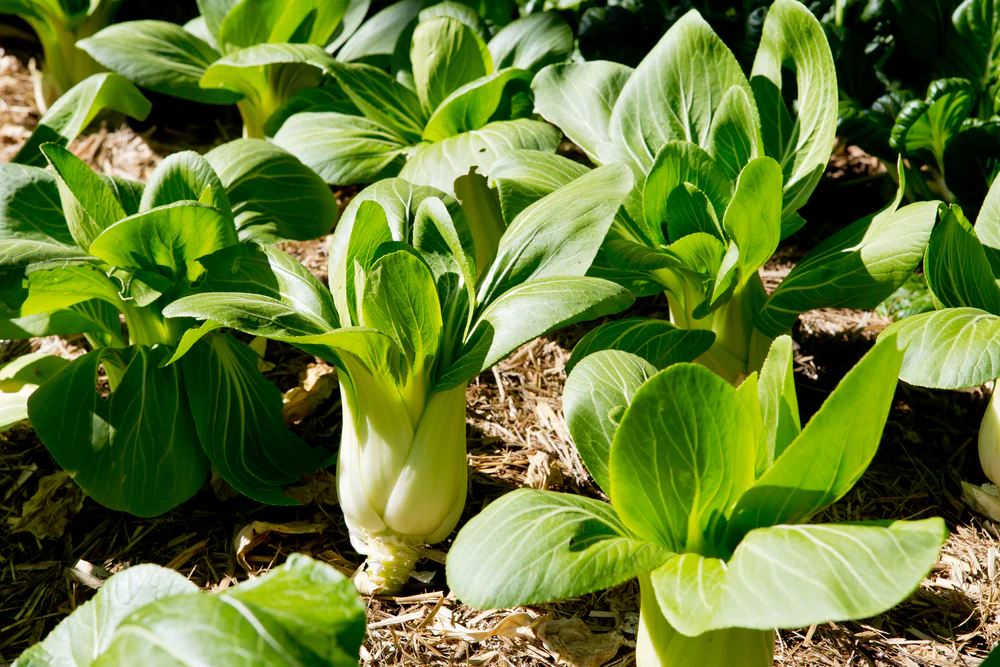
Pak choi (Brassica rapa subsp. Chinensis) is a leafy green vegetable in the mustard family. Its smooth, white stems and dark green leaves are mild, slightly sweet, and tender, making it incredibly versatile in the kitchen.

Varieties of pak choi include:

  • Baby Pak Choi: Small, tender leaves ideal for quick cooking.
  • Shanghai Pak Choi: Light green stems with softer leaves.
  • Full-sized Pak Choi: Larger heads with a pronounced crunch.

Unlike regular cabbage, pak choi cooks quickly, making it an excellent choice for weeknight dinners and fast, healthy meals.


Nutritional Profile: Why Pak Choi Is a Supergreen

Pak choi is low in calories but packed with vitamins, minerals, and antioxidants. One cup (70 grams) of raw pak choi provides:

  • Vitamin A: 44% of the daily value (DV)
  • Vitamin C: 44% of DV
  • Vitamin K: 52% of DV
  • Calcium: 6% of DV
  • Folate: 8% of DV
  • Iron: 4% of DV

It is also rich in phytonutrients, fiber, and antioxidants, which contribute to heart health, bone strength, immune support, and digestion. Its nutrient density makes pak choi a superfood green that belongs in every American kitchen.


Health Benefits of Pak Choi

1. Heart Health

Pak choi is rich in potassium and antioxidants, which help regulate blood pressure and reduce inflammation, supporting cardiovascular health.

2. Bone Strength

Thanks to its high vitamin K and calcium content, pak choi supports strong bones and may reduce the risk of osteoporosis.

3. Immune Support

High in vitamin C, pak choi strengthens the immune system and helps the body fight off infections and seasonal illnesses.

4. Eye Health

The carotenoids in pak choi, including beta-carotene and lutein, protect against age-related macular degeneration and support healthy vision.

5. Weight Management and Digestion

Low in calories but high in fiber, pak choi promotes satiety and supports digestive health, making it ideal for weight-conscious Americans.

6. Anti-inflammatory and Detoxifying Properties

Like other cruciferous vegetables, pak choi contains glucosinolates, compounds that may help reduce inflammation and support cellular detoxification.


How to Cook Pak Choi

Pak choi is incredibly versatile and easy to cook. Popular ways to enjoy pak choi in American kitchens include:

  • Stir-fries: Sauté pak choi with garlic, ginger, and soy sauce for a quick, nutritious side dish.
  • Soups: Add pak choi to chicken, tofu, or vegetable soups for extra flavor and nutrients.
  • Salads: Baby pak choi works well raw in salads or as a crunchy addition to wraps.
  • Roasted or Grilled: Drizzle with olive oil and roast or grill until lightly caramelized.
  • Smoothies: Blend a handful into green smoothies for added nutrients.

Pro Tip: Add pak choi leaves near the end of cooking to preserve nutrients and maintain a tender, crisp texture.


Growing Pak Choi at Home

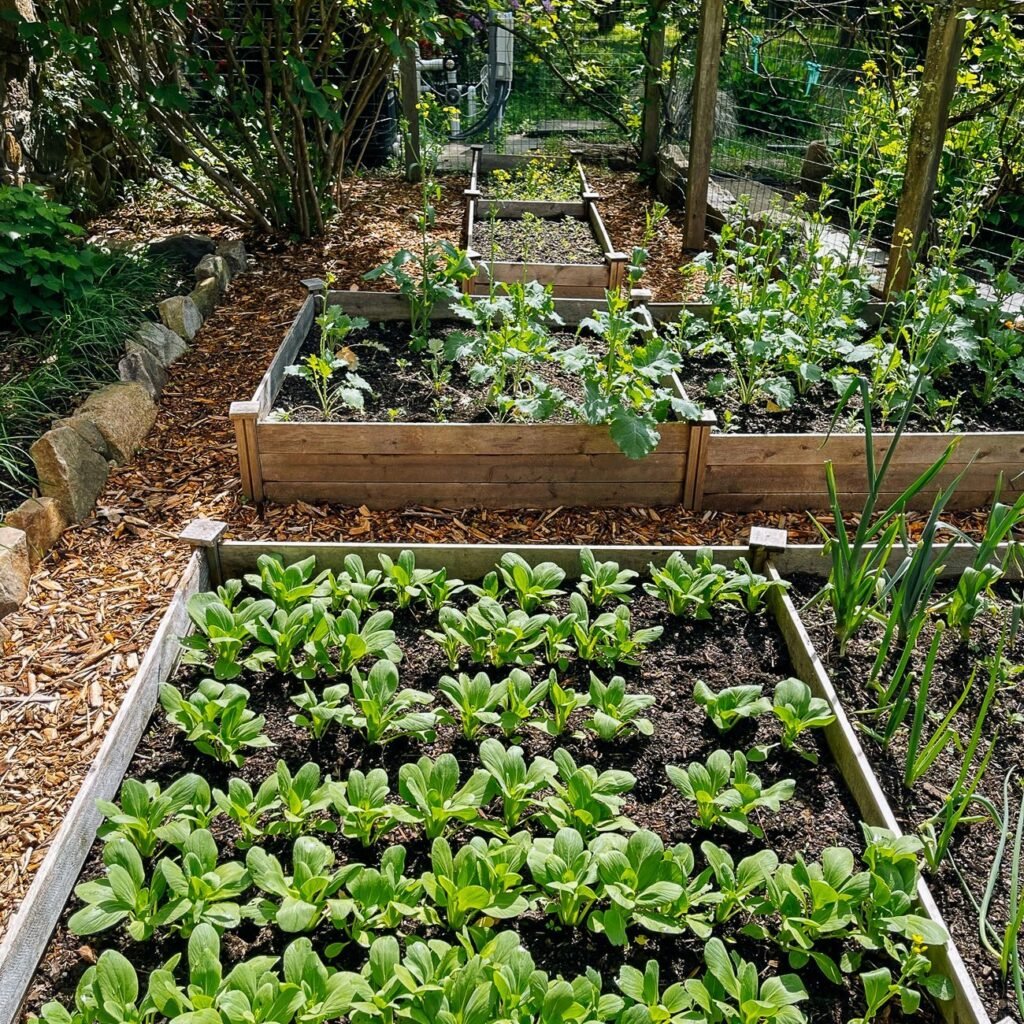
Pak choi is easy to grow, making it a great choice for home gardeners in the U.S.

1. Soil and Sun Requirements

Use well-draining, fertile soil with a pH between 6.0 and 7.5. Pak choi grows best in full sun, though partial shade is fine, especially in warmer regions.

2. Planting and Spacing

  • Sow seeds ¼ inch deep and space seedlings 6–12 inches apart.
  • Thin seedlings to prevent overcrowding.
  • Keep soil consistently moist but avoid overwatering.

3. Harvesting

  • Baby pak choi can be harvested in 30–40 days.
  • Full-sized heads are ready in 45–60 days.
  • Cut leaves at the base to encourage regrowth for multiple harvests.

4. Container Gardening

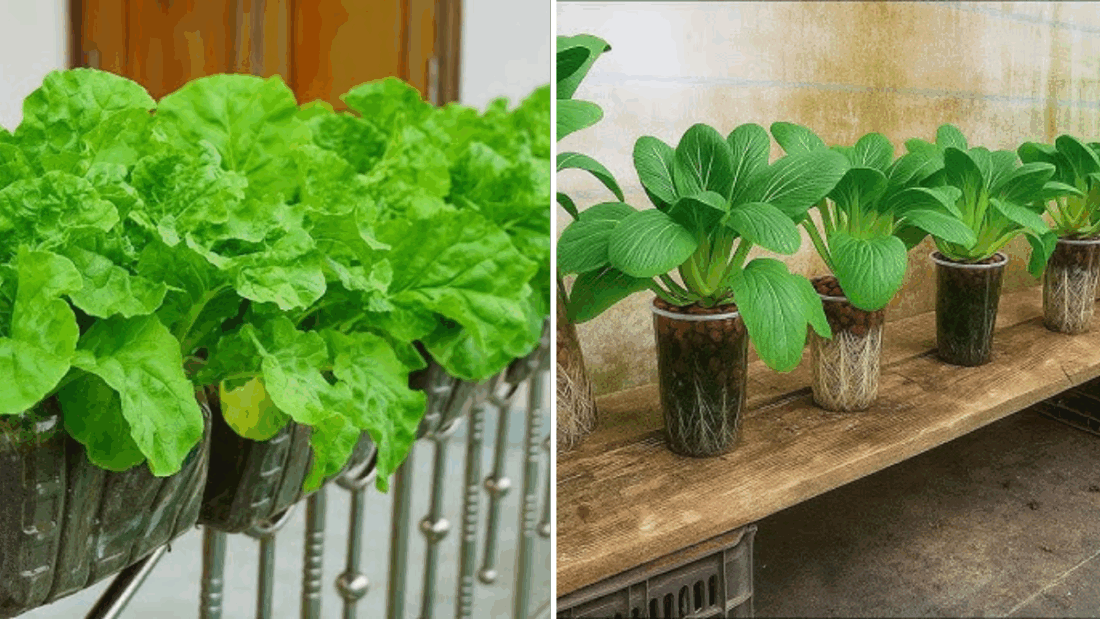
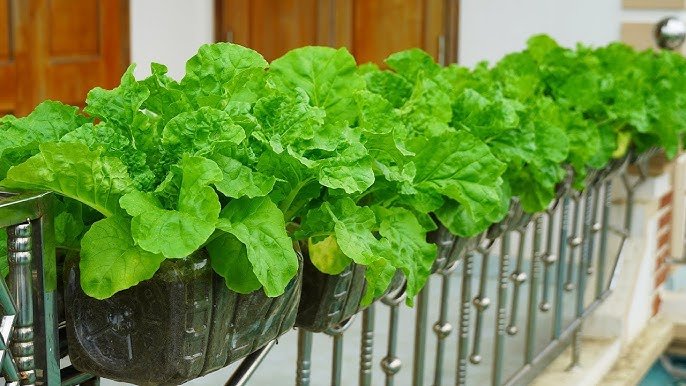
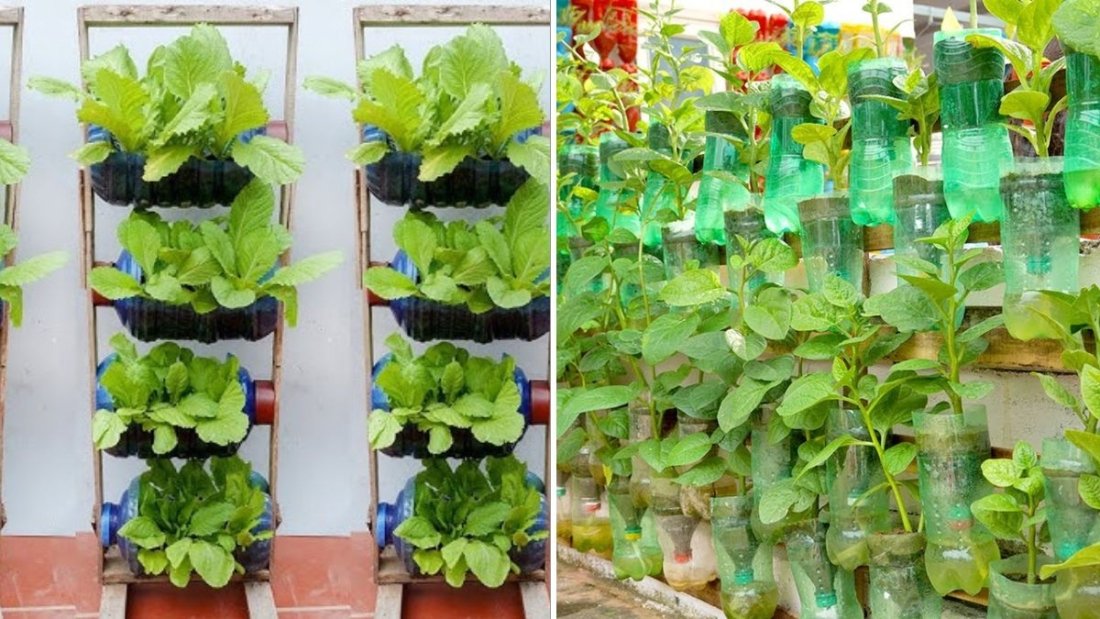
Pak choi grows well in pots or raised beds, making it ideal for urban gardens, balconies, and patios. A container 12 inches deep is sufficient for most varieties.


Tips for Buying and Storing Pak Choi

  • Look for firm, crisp stems and dark green leaves without yellowing.
  • Store in a damp paper towel inside a plastic bag in the refrigerator. Pak choi stays fresh for 3–5 days.
  • Rinse thoroughly before use to remove dirt or pesticide residues.

Pak Choi Recipes Popular in American Kitchens

Here are a few ways to enjoy pak choi:

1. Garlic Stir-Fried Pak Choi

  • Sauté chopped pak choi with garlic and olive oil.
  • Finish with soy sauce and a sprinkle of sesame seeds.

2. Pak Choi and Tofu Soup

  • Combine pak choi, tofu, mushrooms, and vegetable broth.
  • Simmer until leaves are tender for a nutritious meal.

3. Baby Pak Choi Salad

  • Toss raw baby pak choi leaves with avocado, bell peppers, and a light vinaigrette.

4. Roasted Pak Choi

  • Halve full-sized pak choi, drizzle with olive oil, and roast at 400°F for 10–12 minutes.

5. Pak Choi Smoothie

  • Blend a handful of pak choi with spinach, banana, and almond milk for a nutrient-rich breakfast or snack.

Why Pak Choi Is Gaining Popularity in the U.S.

American consumers are increasingly seeking superfoods that are nutrient-rich, versatile, and easy to grow. Pak choi meets all these criteria:

  • Nutrient-dense: Packed with vitamins, minerals, and antioxidants.
  • Quick and easy cooking: Ideal for fast, healthy meals.
  • Culinary versatility: Works in salads, soups, stir-fries, and smoothies.
  • Easy to grow: Suitable for gardens, containers, or indoor growing.

Pak choi is appearing more frequently in farmers’ markets, grocery stores, meal kits, and restaurant menus, making it a trendy, healthful choice for American home cooks.


Final Thoughts

Pak choi is a supergreen that combines flavor, nutrition, and ease of use. From boosting heart and bone health to adding texture and taste to your favorite dishes, pak choi is a must-have for any American kitchen.

Whether you’re a home cook, health enthusiast, or gardener, pak choi offers a delicious and nutrient-packed way to enhance your diet. Incorporate it into stir-fries, soups, salads, or smoothies, and discover why this versatile green is gaining popularity across the United States.

Mizuna The Peppery Supergreen Perfect for Your American Kitchen

Mizuna The Peppery Supergreen Perfect for Your American Kitchen

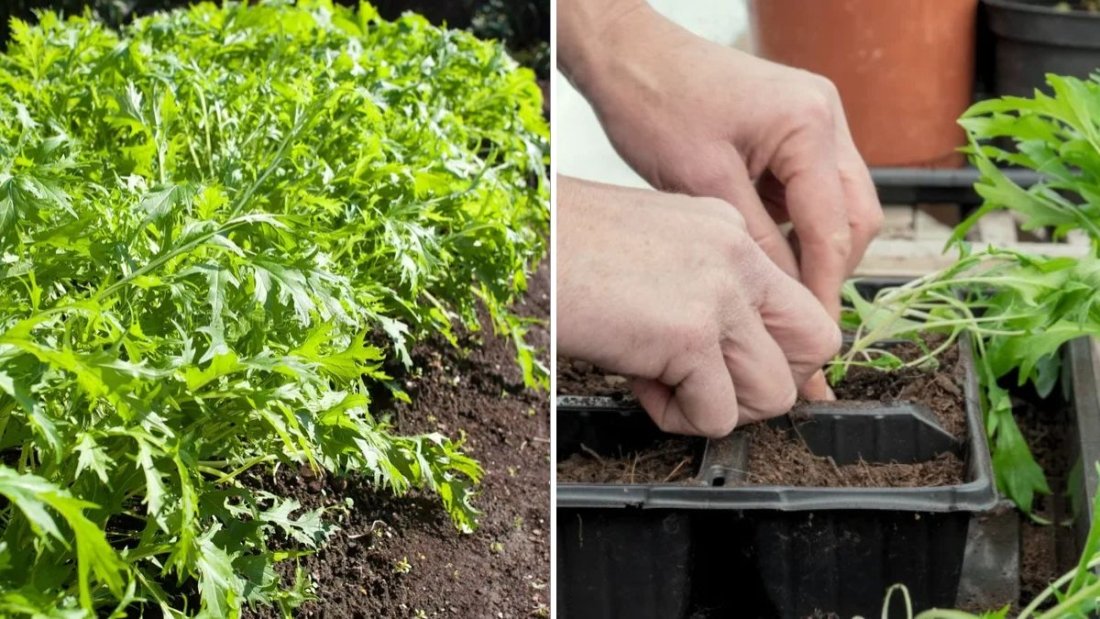
When it comes to leafy greens, mizuna is an underappreciated superstar. With its delicate, frilly leaves and peppery flavor, mizuna brings both flavor and nutrition to your table. Popular in Japanese cuisine, this versatile green has recently been gaining attention in the United States due to its health benefits, culinary versatility, and easy cultivation.

In this article, we’ll explore everything you need to know about mizuna—from its nutritional profile and health benefits to cooking tips and gardening guidance—so you can make it a staple in your American kitchen.


What Is Mizuna?

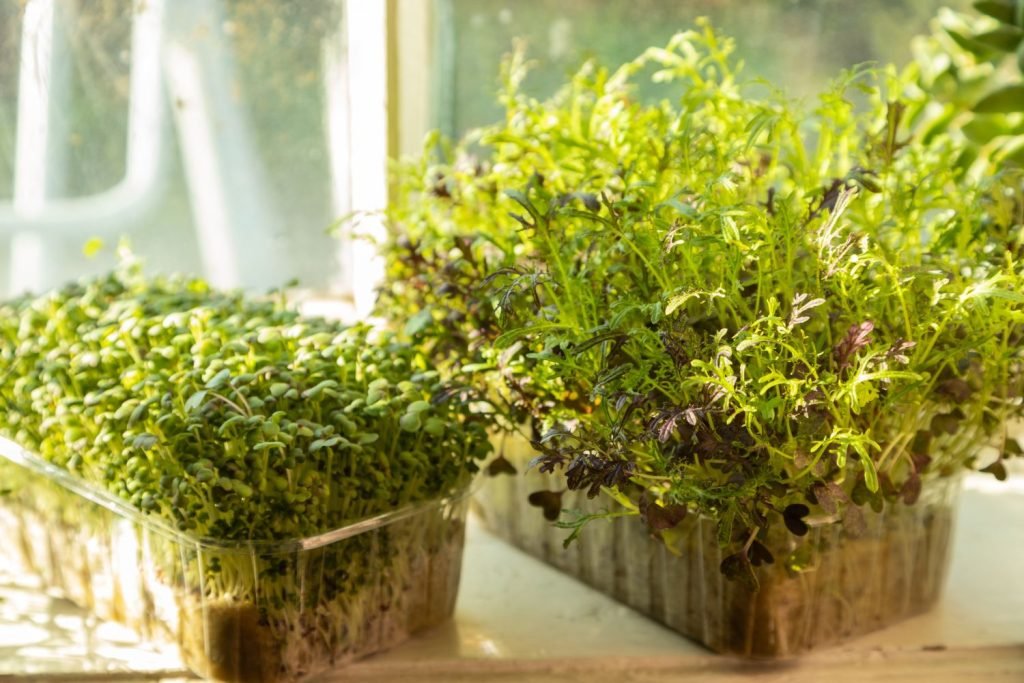
Mizuna (Brassica rapa var. nipposinica) is a type of Japanese mustard green with slender, serrated leaves and a mildly spicy, peppery taste. Sometimes called Japanese mustard greens, mizuna belongs to the same family as arugula, kale, and bok choy.

Mizuna comes in several varieties:

  • Green Mizuna: Traditional bright green leaves with a mild peppery flavor.
  • Red Mizuna: Deep burgundy leaves with a slightly stronger spice.
  • Curly Mizuna: Frilly leaves that add texture and visual appeal to salads and garnishes.

Its tender leaves cook quickly, making it perfect for stir-fries, soups, and salads, while retaining a slightly crisp texture when raw.


Nutritional Profile: Why Mizuna Is a Supergreen

Mizuna is a low-calorie green that packs a powerful nutritional punch. One cup (40 grams) of raw mizuna provides:

  • Vitamin K: 45% of the daily value (DV)
  • Vitamin A: 35% of DV
  • Vitamin C: 25% of DV
  • Folate: 10% of DV
  • Calcium: 4% of DV
  • Iron: 3% of DV

Mizuna also contains antioxidants, phytonutrients, and fiber, which help support heart health, bone strength, immune function, and digestion. With such a nutrient profile, it’s no wonder mizuna is considered a supergreen.


Health Benefits of Mizuna

1. Supports Heart Health

Rich in antioxidants and potassium, mizuna helps maintain healthy blood pressure and reduce inflammation, supporting cardiovascular wellness.

2. Strengthens Bones

Mizuna’s high vitamin K and calcium content contribute to strong bones and may reduce the risk of osteoporosis, a concern for many Americans.

3. Boosts Immunity

Loaded with vitamin C and other phytonutrients, mizuna strengthens the immune system, helping the body fight off infections and seasonal illnesses.

4. Promotes Eye Health

The carotenoids in mizuna, such as beta-carotene and lutein, protect against age-related macular degeneration and support healthy vision.

5. Aids Digestion and Weight Management

Low in calories but high in fiber, mizuna promotes satiety and digestive health, making it an excellent choice for weight-conscious diets.

6. Anti-inflammatory and Detoxifying Properties

Like other cruciferous vegetables, mizuna contains glucosinolates, which may help reduce inflammation, support liver detoxification, and promote long-term wellness.


How to Cook Mizuna

Mizuna’s tender leaves and peppery flavor make it a versatile ingredient for American kitchens:

  • Salads: Use raw mizuna as a base for mixed greens or add it to your favorite salads for a mild spicy kick.
  • Stir-Fries: Toss mizuna into stir-fries with garlic, ginger, and soy sauce for a quick and nutritious side dish.
  • Soups & Stews: Mizuna wilts beautifully in broths, adding both flavor and nutrition.
  • Pasta & Grain Bowls: Mix into cooked grains or pasta just before serving for extra texture and color.
  • Smoothies: A handful of mizuna can be added to green smoothies for a nutrient boost without overwhelming flavor.

Pro Tip: Add mizuna near the end of cooking to preserve its nutrients and delicate texture.


Growing Mizuna at Home

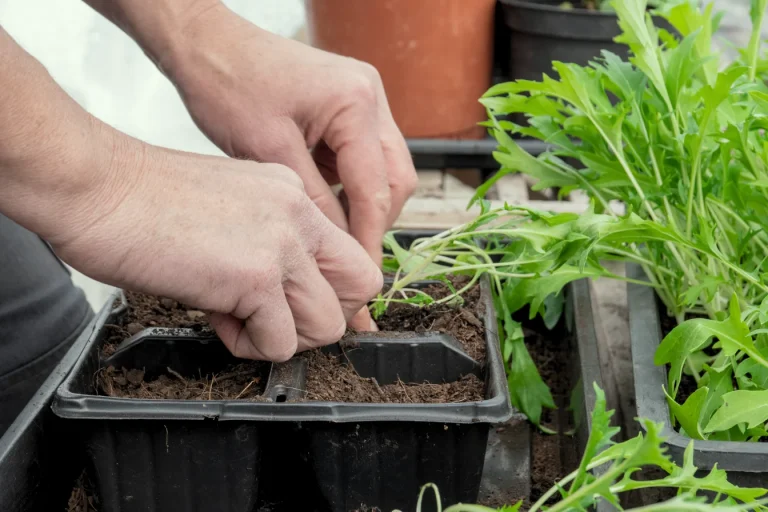
Mizuna is remarkably easy to grow, even for beginner gardeners or urban farmers. Here’s how:

1. Soil and Sun Requirements

Mizuna thrives in well-draining, fertile soil with a pH of 6.0–7.5. It grows best in full sun to partial shade, especially in warmer climates.

2. Planting Tips

  • Sow seeds directly into the garden or containers about ¼ inch deep.
  • Space plants 6–8 inches apart to allow room for growth.
  • Keep the soil consistently moist but avoid overwatering.

3. Harvesting

  • Baby mizuna leaves can be harvested in 20–30 days.
  • Full-sized leaves are ready in 40–50 days.
  • Cut leaves from the base, leaving the center intact for multiple harvests.

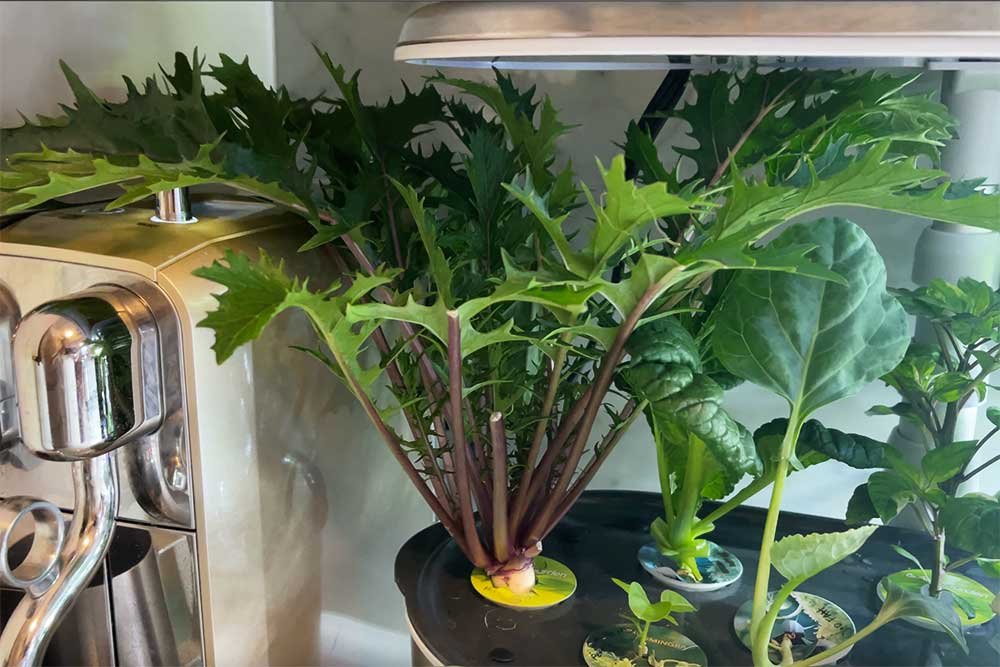
4. Container Gardening

Mizuna grows well in pots, making it perfect for balcony gardens, kitchen windowsills, or small patios. A container 8–12 inches deep works well for most varieties.


Tips for Buying and Storing Mizuna

  • Choose fresh, dark green leaves with no yellowing or wilting.
  • Wrap in a damp paper towel and store in a sealed plastic bag in the refrigerator. Mizuna stays fresh for 3–5 days.
  • Rinse thoroughly before use to remove dirt or pesticide residues.

Mizuna Recipes Popular in American Kitchens

Here are a few ways to enjoy mizuna:

1. Garlic Sesame Mizuna Stir-Fry

  • Sauté mizuna leaves with garlic and sesame oil.
  • Add a splash of soy sauce and sesame seeds for a quick, healthy side.

2. Mizuna and Mushroom Soup

  • Combine chopped mizuna, mushrooms, onions, and vegetable broth.
  • Simmer until leaves are tender for a warming, nutritious dish.

3. Mizuna Salad with Citrus Vinaigrette

  • Mix fresh mizuna leaves with sliced oranges, avocado, and almonds.
  • Dress with olive oil, lemon juice, and a pinch of salt for a refreshing salad.

4. Green Smoothie with Mizuna

  • Blend a handful of mizuna with spinach, banana, and almond milk.
  • Add honey or maple syrup for a touch of sweetness.

5. Sautéed Mizuna with Lemon and Garlic

  • Quickly sauté mizuna with olive oil and minced garlic.
  • Finish with a squeeze of fresh lemon juice for a bright, flavorful side.

Why Mizuna Is Gaining Popularity in the U.S.

American consumers are increasingly embracing supergreens that are nutrient-dense, easy to cook, and versatile. Mizuna fits perfectly into these modern trends:

  • Nutrient-rich: Packed with vitamins, minerals, and antioxidants.
  • Quick-cooking: Ideal for busy lifestyles.
  • Versatile: Works in salads, soups, stir-fries, and smoothies.
  • Easy to grow: Suitable for gardens, containers, or indoor growing.

With its mild peppery flavor and nutritional power, mizuna is appearing in farmers’ markets, grocery stores, meal kits, and restaurant menus across the U.S., making it an increasingly popular choice for American home cooks.


Final Thoughts

Mizuna is more than just a leafy green—it’s a supergreen that combines nutrition, flavor, and versatility. From boosting heart and bone health to adding unique flavor and texture to your dishes, mizuna is a must-have in any American kitchen.

Whether you’re a home cook, health enthusiast, or gardener, mizuna offers a delicious and health-packed option for enhancing your diet. Incorporate it into salads, stir-fries, soups, or smoothies, and discover why this underappreciated green is gaining popularity across the United States.

Tatsoi The Underrated Supergreen Every American Kitchen Needs

Tatsoi The Underrated Supergreen Every American Kitchen Needs

When it comes to leafy greens, tatsoi often flies under the radar—but this nutrient-packed supergreen deserves a spot in your kitchen. Known for its dark green, spoon-shaped leaves and mild, slightly nutty flavor, tatsoi is a versatile vegetable that can be enjoyed raw, cooked, or in smoothies. Increasingly popular in the United States, tatsoi is celebrated for its health benefits, culinary versatility, and ease of cultivation, making it a must-try for health-conscious Americans and home gardeners alike.

In this article, we’ll dive deep into tatsoi, covering its nutritional profile, health benefits, cooking methods, and gardening tips—everything you need to make this supergreen a staple in your diet.


What Is Tatsoi?

Tatsoi (Brassica rapa var. rosularis) is a type of Asian leafy green in the mustard family, closely related to bok choy and napa cabbage. Sometimes referred to as spoon mustard or rosette bok choy, tatsoi forms a rosette of glossy, dark green leaves with thick, succulent stems.

Unlike other greens, tatsoi has a mild, slightly sweet, and nutty flavor that works well in both raw and cooked dishes. Its tender leaves make it ideal for salads, soups, stir-fries, and smoothies, while the stems add a satisfying crunch when lightly cooked.


Nutritional Profile: Why Tatsoi Is a Superfood

Despite its small size, tatsoi is a nutritional powerhouse. One cup (70 grams) of raw tatsoi contains:

  • Vitamin A: 60% of the daily value (DV)
  • Vitamin C: 40% of DV
  • Vitamin K: 90% of DV
  • Calcium: 6% of DV
  • Iron: 6% of DV
  • Folate: 10% of DV

Tatsoi is also rich in antioxidants, phytonutrients, and fiber, which contribute to heart health, bone strength, immune support, and digestion. Low in calories yet high in nutrients, tatsoi is a perfect addition to weight-conscious diets.


Health Benefits of Tatsoi

1. Supports Heart Health

Tatsoi is rich in potassium and antioxidants, which help maintain healthy blood pressure and reduce inflammation. Regular consumption may lower the risk of cardiovascular disease.

2. Strengthens Bones

With its high vitamin K and calcium content, tatsoi promotes strong bones and helps prevent osteoporosis, a growing concern for adults in the U.S.

3. Boosts Immunity

Packed with vitamin C and other phytonutrients, tatsoi strengthens the immune system, helping your body fight off infections and seasonal illnesses.

4. Promotes Eye Health

Tatsoi contains beta-carotene and lutein, essential for healthy vision and reducing the risk of age-related macular degeneration.

5. Aids Digestion and Weight Management

High in fiber and low in calories, tatsoi supports healthy digestion and helps you feel full, making it ideal for weight management.

6. Anti-inflammatory and Anti-cancer Potential

Like other cruciferous vegetables, tatsoi contains glucosinolates, compounds that may help protect cells from damage and reduce inflammation, contributing to long-term wellness.


How to Incorporate Tatsoi Into Your American Diet

Tatsoi is extremely versatile and can be used in a variety of dishes:

  • Salads: Use fresh tatsoi leaves as a base for salads or mix with other greens like spinach or arugula.
  • Stir-Fries: Add tatsoi to garlic, ginger, and soy sauce stir-fries for a quick, nutritious side dish.
  • Soups: Tatsoi wilts beautifully in broths, adding flavor and nutrients to vegetable, chicken, or miso soups.
  • Smoothies: Toss a handful into green smoothies for a nutrient boost without overpowering flavor.
  • Sautéed Side Dish: Lightly sauté tatsoi with olive oil, garlic, and sesame seeds for a simple, delicious side.

Pro Tip: Add tatsoi near the end of cooking to preserve its nutrients and tender texture.


Growing Tatsoi at Home

Tatsoi is surprisingly easy to grow, even for beginners or urban gardeners. Here’s a step-by-step guide:

1. Choose Your Growing Environment

Tatsoi thrives in cool weather and can be grown outdoors in the garden, in raised beds, or in containers. It tolerates partial shade and can even be grown indoors on a sunny windowsill.

2. Soil and Sun Requirements

Use well-draining, nutrient-rich soil with a pH between 6.0 and 7.5. Tatsoi prefers full sun to partial shade, especially in warmer climates.

3. Planting and Spacing

  • Sow seeds ¼ inch deep, 6–12 inches apart.
  • Thin seedlings to prevent overcrowding.
  • Keep soil consistently moist but avoid waterlogging.

4. Harvesting

  • Baby tatsoi leaves can be harvested in 30–40 days.
  • Full-sized rosettes are ready in 50–60 days.
  • Use a knife or scissors to cut leaves at the base, allowing regrowth for multiple harvests.

5. Container Gardening

Tatsoi grows well in containers, making it perfect for urban kitchens or small patios. A 10–12 inch deep pot is sufficient for most varieties.


Tips for Buying and Storing Tatsoi

  • Choose dark green, crisp leaves without yellowing or wilting.
  • Store in the refrigerator wrapped in a damp paper towel inside a plastic bag. Fresh tatsoi lasts 3–5 days.
  • Rinse thoroughly before use to remove any dirt or pesticide residue.

Tatsoi Recipes Popular in American Kitchens

Here are a few ways to enjoy tatsoi:

1. Garlic Sesame Tatsoi Stir-Fry

  • Sauté tatsoi leaves and stems with garlic and sesame oil.
  • Add a splash of soy sauce and sprinkle sesame seeds for a quick, healthy side dish.

2. Tatsoi and Tofu Soup

  • Combine chopped tatsoi, tofu, mushrooms, and vegetable broth.
  • Simmer until leaves are tender for a warming, nutritious meal.

3. Tatsoi Green Smoothie

  • Blend a handful of tatsoi with spinach, banana, and almond milk.
  • Add a touch of honey for sweetness.

4. Sautéed Tatsoi with Lemon

  • Lightly sauté tatsoi leaves in olive oil.
  • Finish with a squeeze of fresh lemon juice for a bright, fresh flavor.

Why Tatsoi Is Gaining Popularity in the U.S.

Health-conscious Americans are increasingly seeking superfoods that are nutrient-dense, versatile, and easy to grow. Tatsoi fits all these criteria:

  • Nutrient-rich: Packed with vitamins, minerals, and antioxidants.
  • Quick-cooking: Perfect for busy lifestyles.
  • Culinary versatility: Works in raw, cooked, and blended dishes.
  • Sustainable and easy to grow: Grows well in gardens, containers, and small spaces.

Restaurants, meal delivery services, and grocery stores across the U.S. are embracing tatsoi for its flavor, nutrition, and marketability, making it an increasingly popular choice for American consumers.


Final Thoughts

Tatsoi is a supergreen that combines flavor, nutrition, and versatility, making it an ideal addition to any American diet. From boosting heart and bone health to enhancing your favorite dishes, tatsoi is more than just a leafy green—it’s a culinary and nutritional powerhouse.

Whether you’re looking to experiment with new recipes, incorporate more greens into your diet, or grow fresh vegetables at home, tatsoi offers a delicious, health-packed solution. Add tatsoi to your kitchen this season, and discover why this underrated supergreen is becoming a favorite in American homes.


Bok Choy Benefits: The Ultimate Superfood for Your American Kitchen

Bok Choy Benefits: The Ultimate Superfood for Your American Kitchen

If you’re looking for a versatile, nutrient-packed green to elevate your meals, bok choy should be at the top of your list. This leafy vegetable, widely used in Asian cuisine, has become increasingly popular in the United States thanks to its health benefits, ease of cooking, and vibrant flavor. Whether you’re stir-frying, adding it to soups, or enjoying it raw in salads, bok choy is a superfood that belongs in every American kitchen.

In this article, we’ll explore the nutritional profile, health benefits, cooking tips, and growing methods for bok choy, helping you unlock its full potential.


What Is Bok Choy?

Bok choy (Brassica rapa subsp. chinensis) is a type of Chinese cabbage with crisp white stems and dark green leaves. Sometimes called pak choi or Chinese mustard cabbage, it’s known for its mild, slightly sweet flavor and crunchy texture. Unlike regular cabbage, bok choy has tender leaves that cook quickly, making it ideal for stir-fries, soups, and salads.

It comes in several varieties:

  • Baby Bok Choy: Smaller, more tender leaves, perfect for quick cooking.
  • Shanghai Bok Choy: Smooth, light green stems with tender leaves.
  • Full-sized Bok Choy: Larger heads with a more pronounced crunch.

Nutritional Profile: Why Bok Choy Is a Superfood

Bok choy is low in calories but high in vitamins, minerals, and antioxidants, making it an excellent choice for health-conscious Americans.

One cup (70 grams) of raw bok choy contains:

  • Vitamin C: 45% of the daily value (DV)
  • Vitamin K: 55% of DV
  • Vitamin A: 20% of DV
  • Folate: 12% of DV
  • Calcium: 6% of DV
  • Potassium: 8% of DV

Bok choy also contains phytonutrients, fiber, and antioxidants that support heart health, immunity, and digestive wellness.


Health Benefits of Bok Choy

1. Supports Heart Health

Bok choy is rich in potassium, which helps regulate blood pressure, and antioxidants that reduce inflammation. Adding bok choy to your diet can support cardiovascular wellness and reduce the risk of heart disease.

2. Strengthens Bones

High in vitamin K and calcium, bok choy helps maintain strong bones and prevent osteoporosis, a growing concern among older Americans.

3. Boosts Immunity

With its high vitamin C content, bok choy strengthens the immune system, helping you fight off seasonal illnesses and infections.

4. Supports Eye Health

Bok choy contains beta-carotene and lutein, which protect against age-related macular degeneration and promote healthy vision.

5. Aids Digestion and Weight Management

Low in calories but high in fiber, bok choy keeps you full while promoting digestive health, making it a great addition to weight-conscious diets.


How to Cook Bok Choy

Bok choy is incredibly versatile and can be enjoyed in a variety of ways:

  • Stir-fried: Sauté with garlic, ginger, and a splash of soy sauce for a quick and flavorful side dish.
  • Soups & Stews: Add to chicken, tofu, or vegetable soups for extra nutrition and texture.
  • Salads: Use baby bok choy raw in salads for a crunchy, refreshing element.
  • Grilled or Roasted: Drizzle with olive oil and roast or grill for a smoky flavor.

Pro Tip: To maintain its nutrients and vibrant color, cook bok choy lightly. Overcooking can reduce vitamin C and antioxidants.


Growing Bok Choy at Home

Bok choy is surprisingly easy to grow, even in small American gardens or containers. Here’s a step-by-step guide:

1. Soil and Sun Requirements

Bok choy prefers rich, well-draining soil with a pH between 6.0 and 7.5. It grows best in full sun, but partial shade is acceptable, especially in hotter climates.

2. Planting Tips

  • Start seeds indoors 4–6 weeks before the last frost, or sow directly in the garden.
  • Space plants 6–12 inches apart to allow room for growth.
  • Keep soil consistently moist, but not waterlogged.

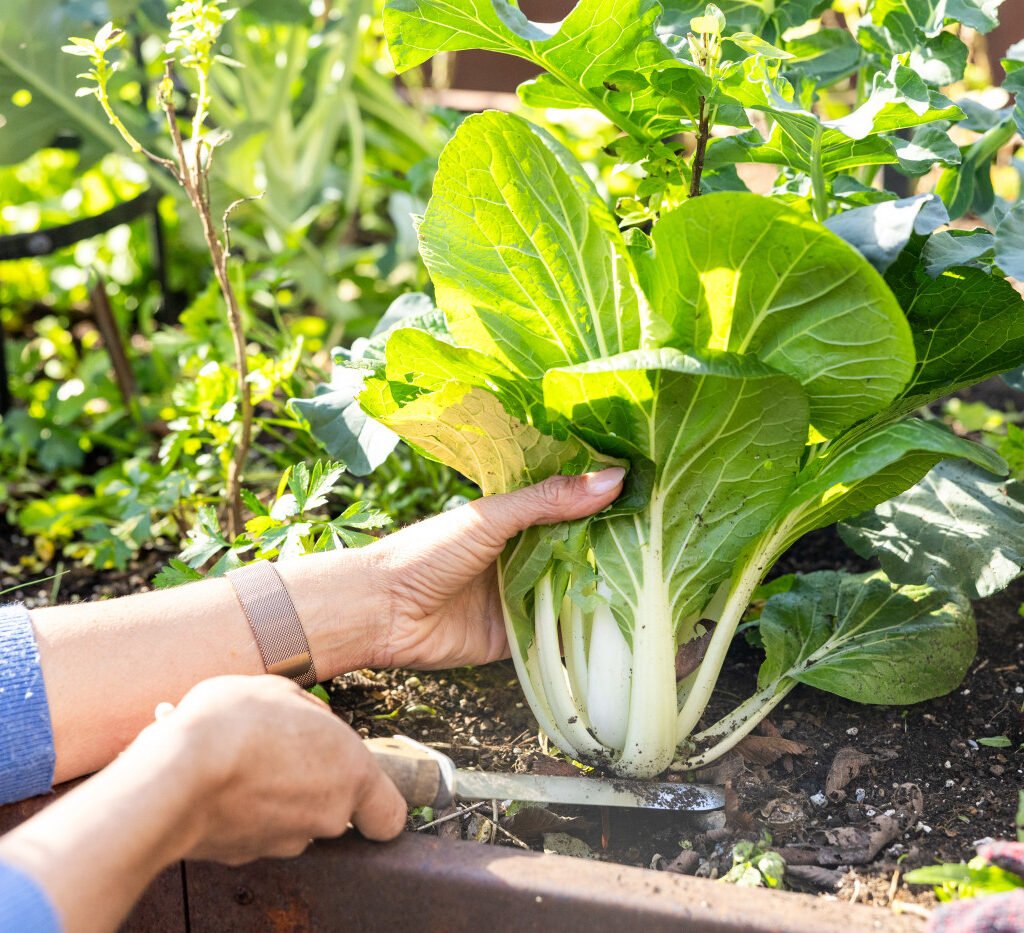
3. Harvesting

  • Baby bok choy can be harvested in 30–40 days.
  • Full-sized bok choy is ready in 45–60 days.
  • Cut at the base and leave some leaves to encourage a second harvest.

4. Container Gardening

Bok choy grows well in containers, making it perfect for urban gardens or kitchen patios. A 12-inch deep container is sufficient for most varieties.


Tips for Buying and Storing Bok Choy

  • Look for firm, crisp stems and dark green leaves. Avoid yellowing or wilting.
  • Storage: Wrap in a damp paper towel and place in a plastic bag in the fridge. It stays fresh for 3–5 days.
  • Rinse thoroughly before use to remove dirt or residual pesticides.

Bok Choy Recipes Popular in American Kitchens

Here are a few simple ways to enjoy bok choy in everyday American meals:

1. Garlic Stir-Fried Bok Choy

  • Sauté minced garlic in olive oil
  • Add bok choy stems first, then leaves
  • Finish with soy sauce and a sprinkle of sesame seeds

2. Bok Choy and Mushroom Soup

  • Sauté mushrooms and onions
  • Add vegetable broth and chopped bok choy
  • Simmer until tender and serve warm

3. Baby Bok Choy Salad

  • Toss baby bok choy leaves with sliced bell peppers, carrots, and a light vinaigrette
  • Optional: Add grilled chicken or tofu for protein

4. Roasted Bok Choy

  • Halve bok choy, drizzle with olive oil and balsamic vinegar
  • Roast at 400°F for 10–12 minutes until slightly caramelized

Why Bok Choy Is Gaining Popularity in the U.S.

Americans are increasingly embracing plant-based diets and nutrient-rich vegetables. Bok choy fits perfectly into this trend:

  • Superfood status: Packed with vitamins, minerals, and antioxidants
  • Quick and easy cooking: Perfect for busy American lifestyles
  • Versatility: Works in salads, soups, stir-fries, and more
  • Locally grown options: Available at farmers’ markets and grocery stores nationwide

Restaurants, meal kits, and home chefs alike are discovering the delicate flavor and nutritional power of bok choy, making it a staple in modern American kitchens.


Final Thoughts

Bok choy is more than just a leafy green—it’s a nutritional powerhouse, culinary delight, and easy-to-grow vegetable. From boosting heart and bone health to adding crisp flavor to your favorite dishes, bok choy is an essential superfood for any American kitchen.

Whether you’re a home cook, a health enthusiast, or a gardener looking for easy-to-grow greens, incorporating bok choy into your diet is a simple way to enhance both flavor and wellness.

So the next time you’re planning a healthy meal, reach for bok choy and enjoy the perfect combination of crunch, nutrition, and versatility.


Watercress Wonders: Why This Superfood Deserves a Spot in Your American Kitchen

Watercress Wonders: Why This Superfood Deserves a Spot in Your American Kitchen

When it comes to nutrient-dense greens, watercress often doesn’t get the spotlight it deserves. Yet, this peppery, vibrant leafy green is packed with vitamins, minerals, and antioxidants that can supercharge your health. From boosting immunity to promoting heart health, watercress is a superfood that’s versatile, affordable, and easy to grow right in your backyard. In this article, we’ll explore everything about watercress—from its benefits and culinary uses to how you can incorporate it into your American lifestyle.


What Is Watercress?

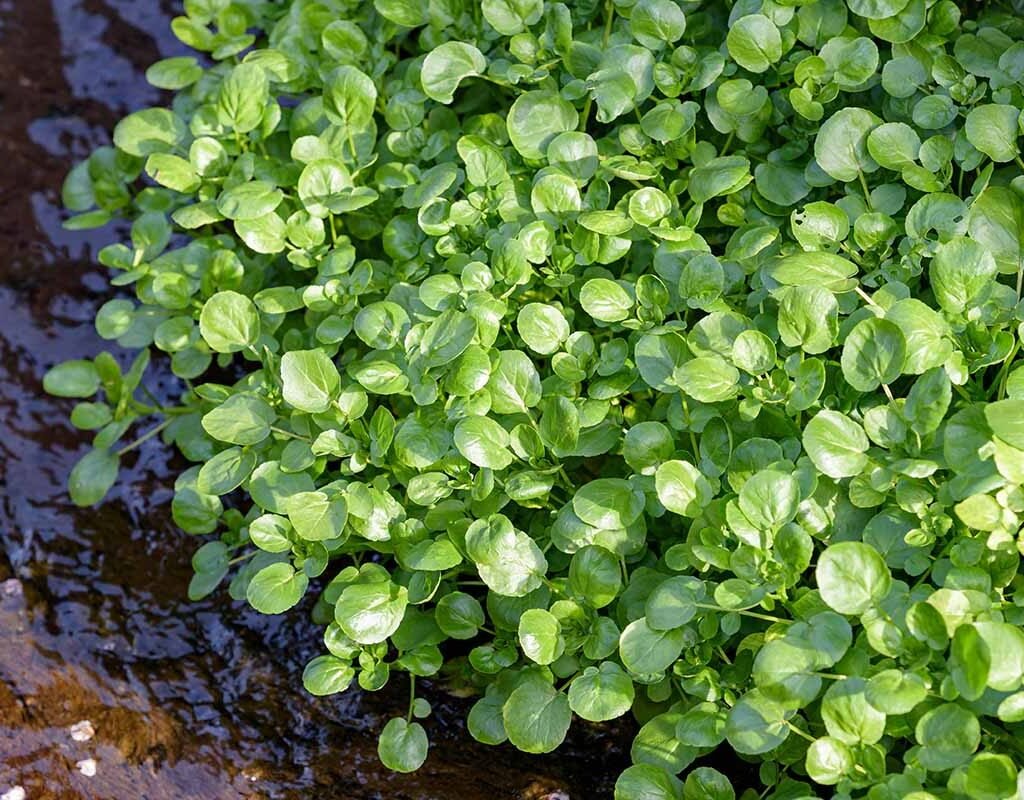
Watercress (Nasturtium officinale) is an aquatic or semi-aquatic perennial plant that belongs to the mustard family. It thrives in cool, flowing water and has been consumed for centuries for its medicinal and nutritional properties. With its crisp texture and peppery flavor, watercress adds a unique zing to salads, sandwiches, soups, and smoothies.

While often overshadowed by kale, spinach, and arugula in the U.S., watercress is a nutritional powerhouse that deserves a closer look.


Nutritional Profile: Small Leaf, Big Impact

A single cup (34 grams) of raw watercress contains:

  • Vitamin K: 106% of the daily value (DV)
  • Vitamin C: 27% of DV
  • Vitamin A: 22% of DV
  • Calcium: 4% of DV
  • Manganese: 4% of DV

Additionally, watercress is low in calories (only 4 calories per cup) but high in antioxidants, phytonutrients, and fiber, making it a heart-healthy, cancer-fighting leafy green. The high vitamin K content supports bone health, while the antioxidants protect your cells from oxidative stress.


Health Benefits of Watercress

1. Supports Heart Health

Watercress is rich in nitrates, compounds that help improve blood vessel function and reduce blood pressure. Studies suggest that nitrate-rich vegetables can lower the risk of cardiovascular disease, making watercress an excellent choice for heart-conscious Americans.

2. Promotes Bone Strength

Thanks to its high vitamin K content, watercress supports calcium absorption, which is essential for strong bones and preventing osteoporosis.

3. Boosts Immunity

Loaded with vitamin C and phytonutrients, watercress strengthens the immune system, helping your body fight off seasonal illnesses.

4. Supports Eye Health

The carotenoids in watercress, such as beta-carotene and lutein, protect the eyes from oxidative damage and reduce the risk of age-related macular degeneration.

5. Helps With Weight Management

Low in calories but rich in fiber, watercress can help you feel full longer, making it a smart addition to weight-loss or weight-maintenance diets.


How to Incorporate Watercress Into Your American Diet

Watercress is incredibly versatile and can be enjoyed in a variety of ways:

  • Salads: Mix fresh watercress with arugula, spinach, or romaine for a peppery twist.
  • Smoothies: Add a handful to your green smoothies for an extra nutritional boost.
  • Sandwiches & Wraps: Replace lettuce with watercress to add a zesty flavor.
  • Soups & Stews: Watercress can be stirred into soups just before serving to maintain its crisp texture.
  • Pesto: Swap basil with watercress to make a unique, nutrient-rich pesto sauce.

Americans are increasingly embracing superfoods, and incorporating watercress into your meals is a simple way to upgrade your everyday dishes.


Growing Watercress at Home

One of the best things about watercress is that it’s easy to grow, even if you don’t have a traditional garden. Here’s a quick guide for beginners:

1. Choose Your Growing Method

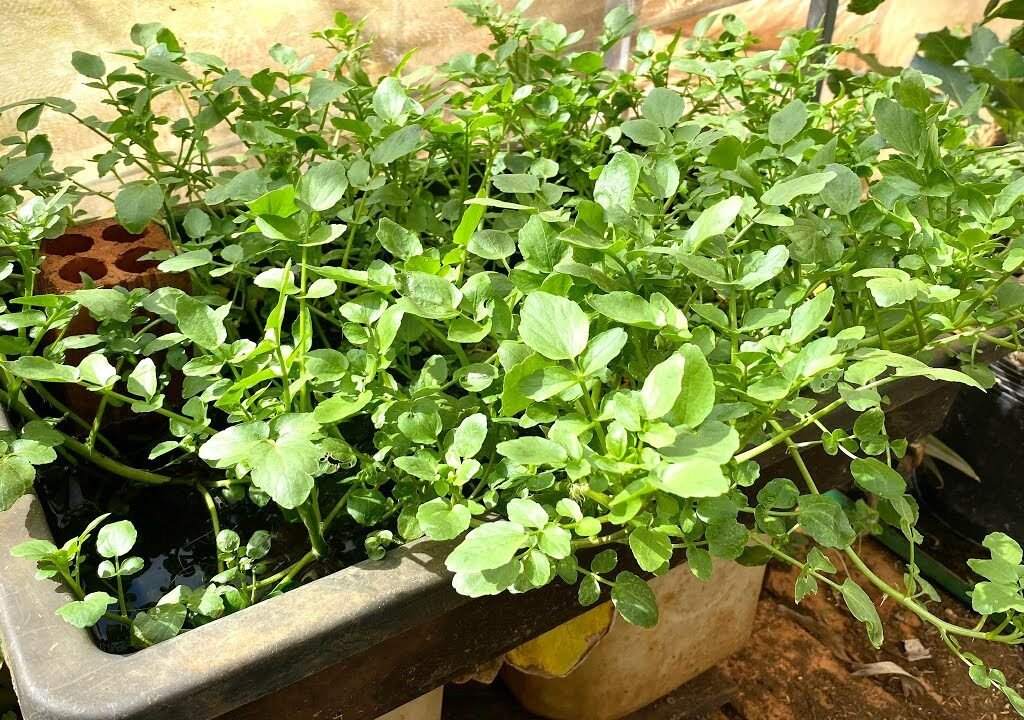
Watercress thrives in cool, flowing water, but you can also grow it in:

  • Containers with wet soil
  • Shallow trays with water
  • Hydroponic systems

2. Soil and Light Requirements

Use rich, loamy soil and keep it consistently moist. Watercress prefers partial to full sun, though it can tolerate some shade.

3. Planting Tips

  • Start from seeds or cuttings.
  • Space plants about 6 inches apart to allow for growth.
  • Harvest leaves regularly to encourage fresh growth.

4. Indoor Growing

You can even grow watercress indoors on a sunny windowsill or in a kitchen herb garden, making it convenient to have fresh greens year-round.


Watercress Recipes Popular in American Kitchens

Here are a few simple ways to enjoy watercress:

1. Watercress and Avocado Salad

  • Fresh watercress
  • Sliced avocado
  • Cherry tomatoes
  • Olive oil and lemon dressing

2. Creamy Watercress Soup

  • Sauté onions and garlic in olive oil
  • Add vegetable broth and watercress
  • Blend until smooth and serve warm

3. Watercress Pesto Pasta

  • Blend watercress, garlic, pine nuts, Parmesan, and olive oil
  • Toss with cooked pasta for a vibrant, healthy meal

4. Watercress Sandwich

  • Whole-grain bread
  • Cream cheese or hummus
  • Layered with fresh watercress and cucumber slices

Why Watercress Is Gaining Popularity in the U.S.

American health-conscious consumers are increasingly seeking superfoods that are fresh, versatile, and nutrient-dense. Watercress fits perfectly into this trend:

  • Sustainably grown: Can be cultivated locally, reducing carbon footprint.
  • Low in calories: Perfect for health-focused diets.
  • Flavor-packed: Adds a unique, peppery taste that elevates any dish.

Grocery stores, farmers’ markets, and even restaurants across the U.S. are incorporating watercress into menus, from gourmet salads to wellness smoothies.


Tips for Buying and Storing Watercress

  • Look for vibrant green leaves without yellowing or wilting.
  • Avoid soggy stems as they indicate age or poor handling.
  • Storage: Wrap in a damp paper towel and place in a sealed bag in the refrigerator. Fresh watercress lasts up to 3–5 days.
  • Rinse before use to remove any dirt or residual pesticides.

Watercress and Wellness Trends

Watercress aligns perfectly with modern American wellness trends:

  • Plant-based diets: Ideal for vegans and vegetarians.
  • Detox and clean eating: Supports liver health and digestion.
  • Anti-aging foods: High in antioxidants for skin and cellular health.

Whether you’re looking to boost your diet with nutrient-rich greens or explore sustainable, flavorful foods, watercress checks all the boxes.


Final Thoughts

Watercress is more than just a leafy green—it’s a superfood that offers tremendous health benefits, culinary versatility, and gardening enjoyment. From boosting heart and bone health to enhancing the flavor of your favorite dishes, watercress is an easy addition to any American diet.

Whether you buy it from your local farmers’ market, grocery store, or grow it at home, embracing watercress is a delicious step toward healthier, more vibrant living.

So, the next time you’re looking for a nutrient-packed, flavor-packed green, remember watercress—and let this underappreciated superfood take center stage on your plate.