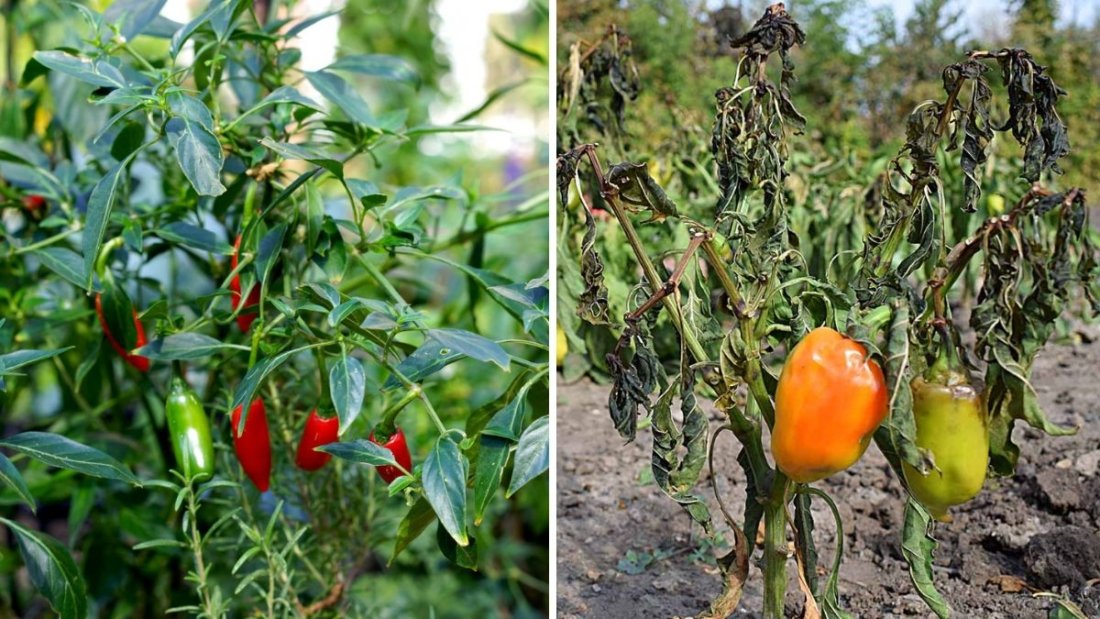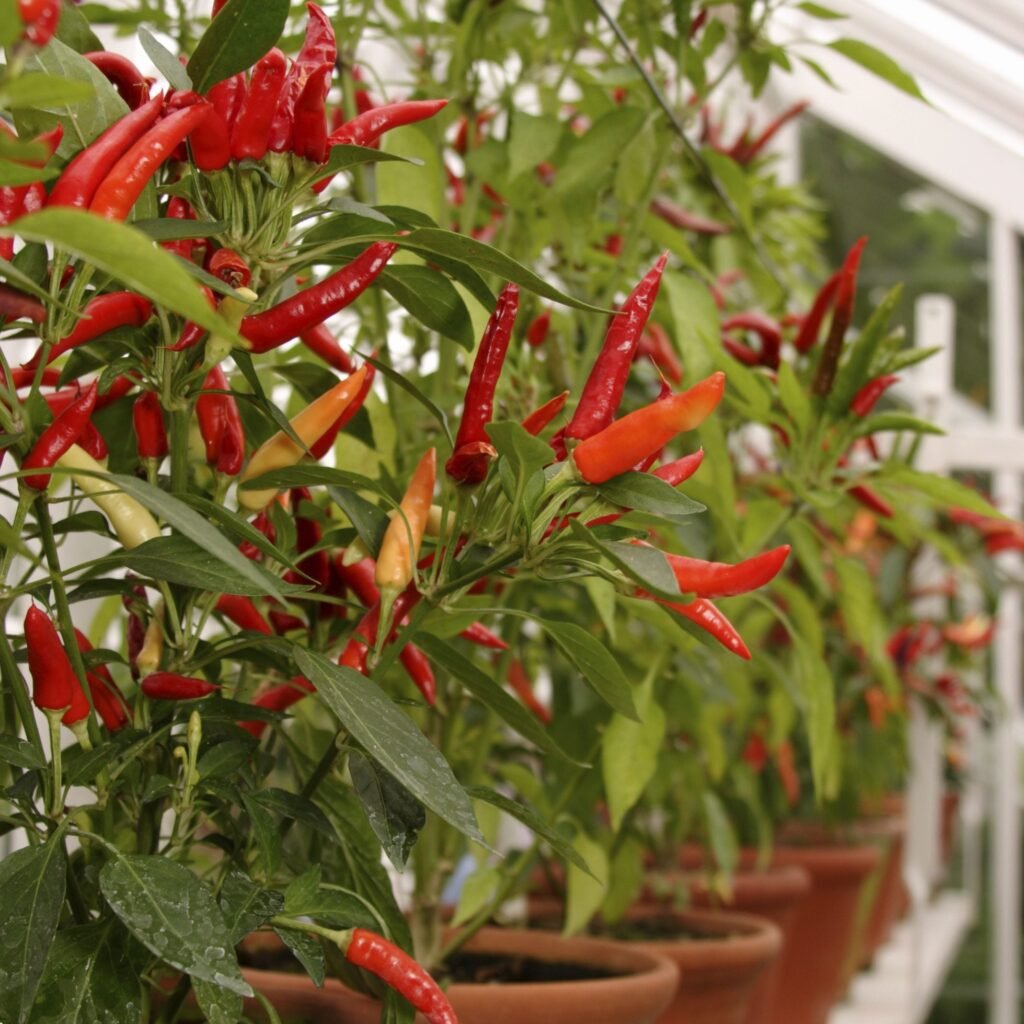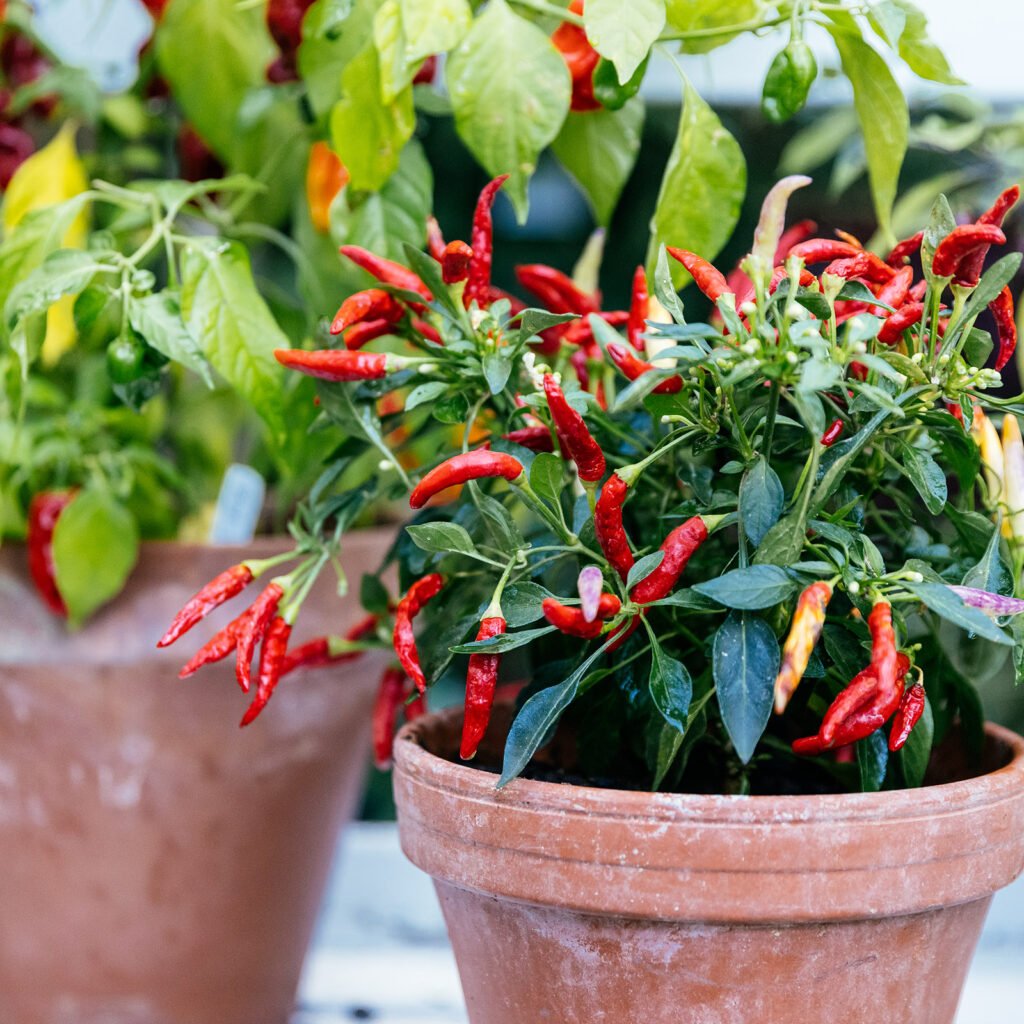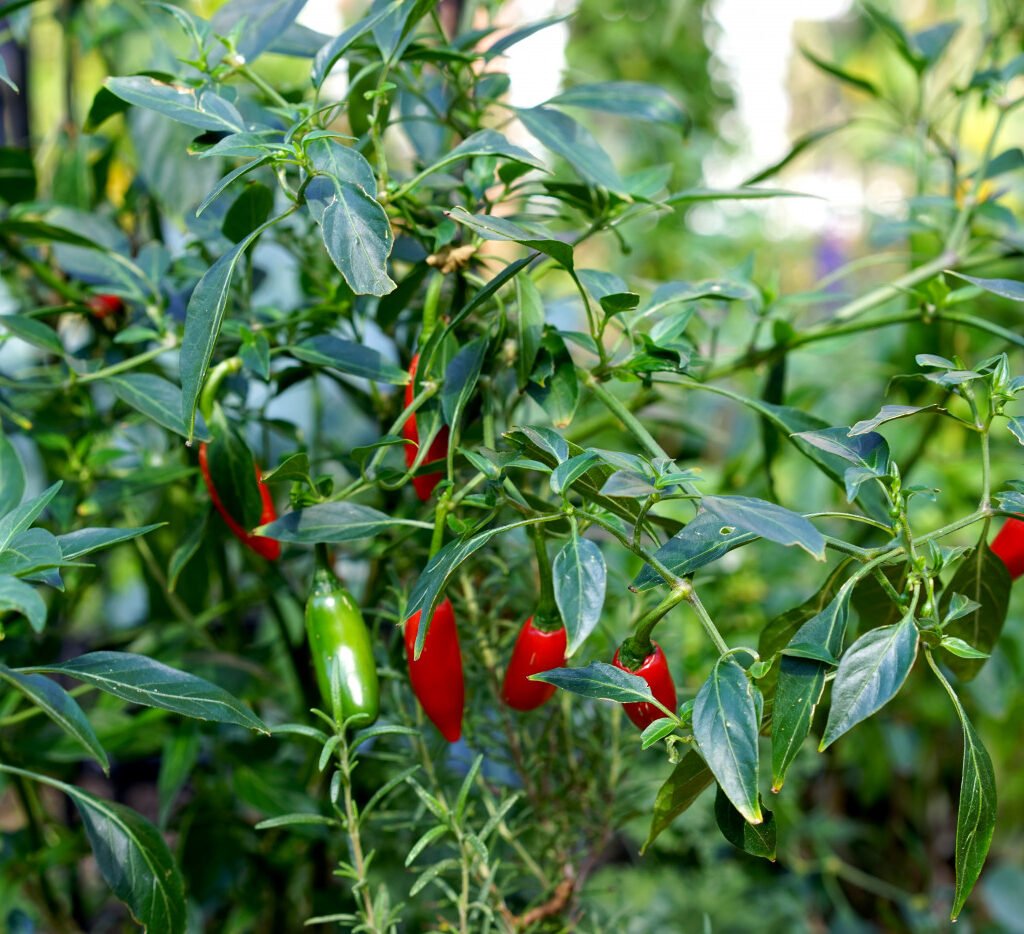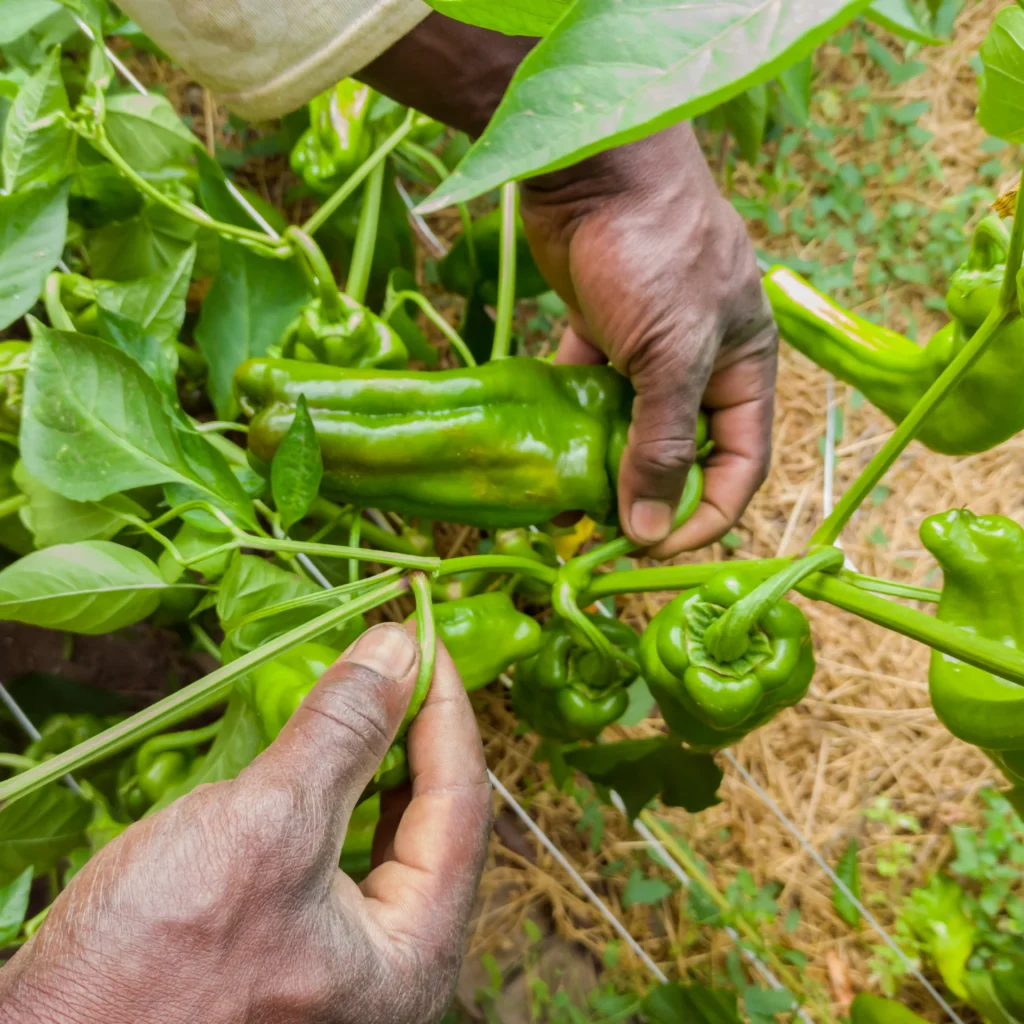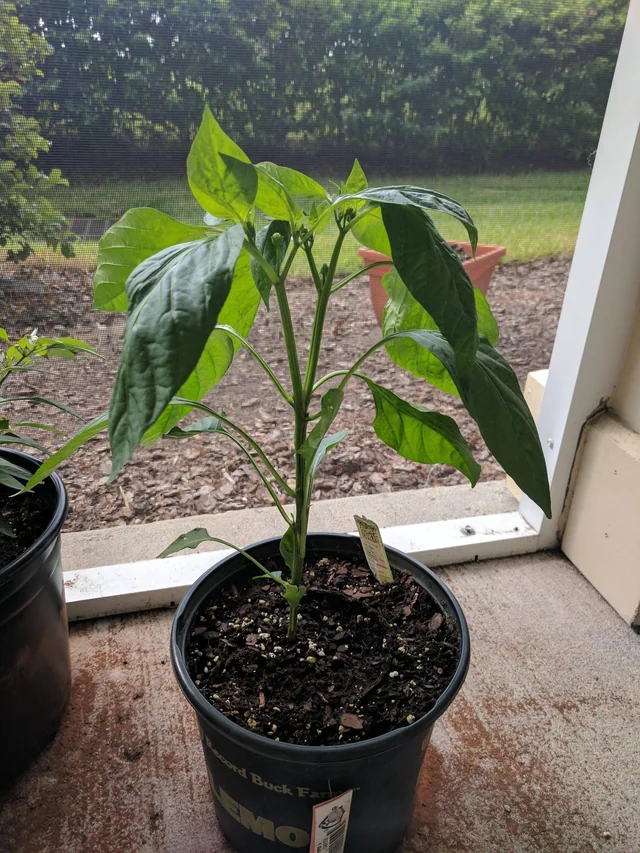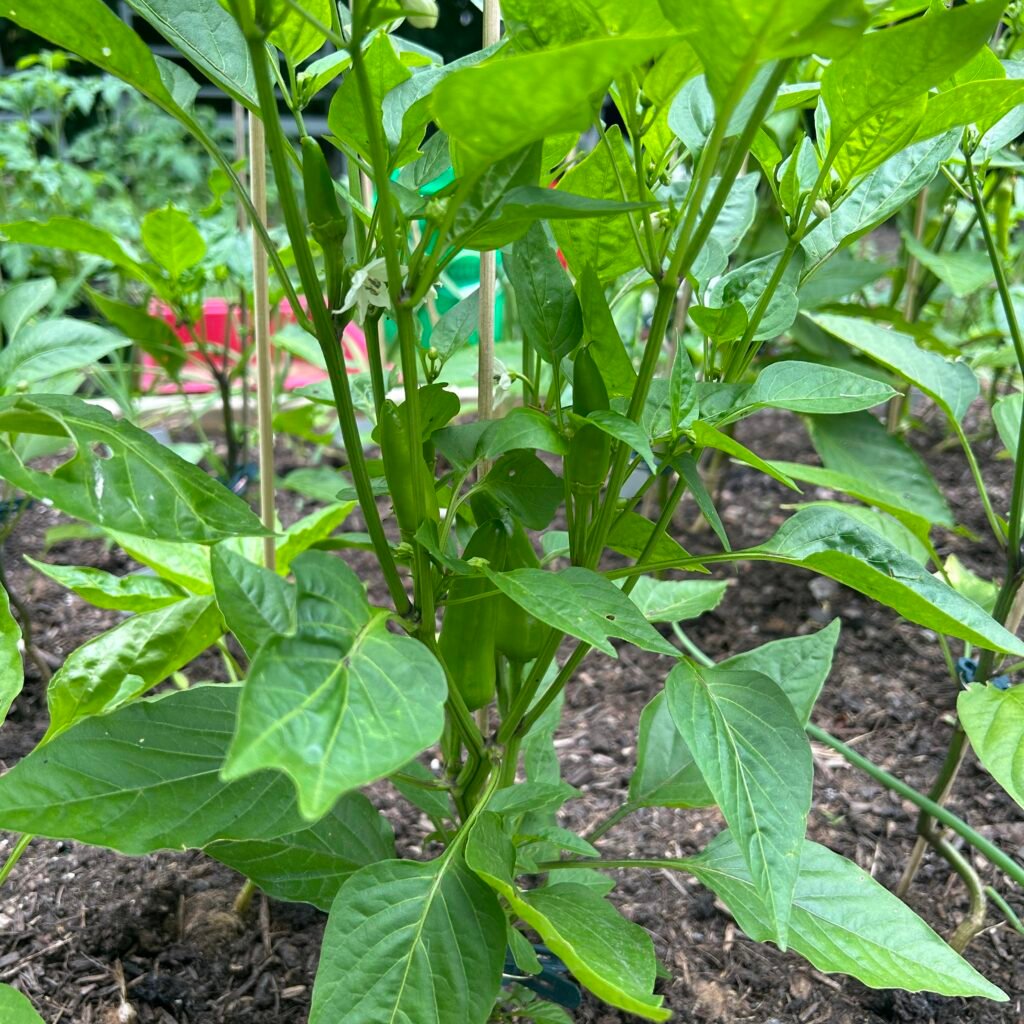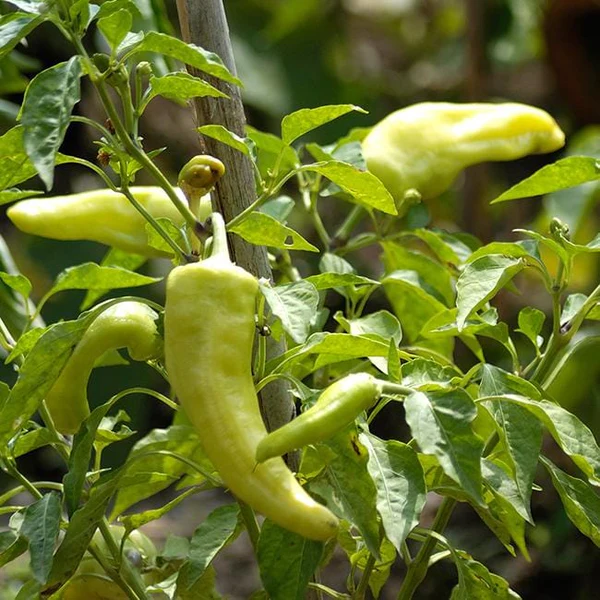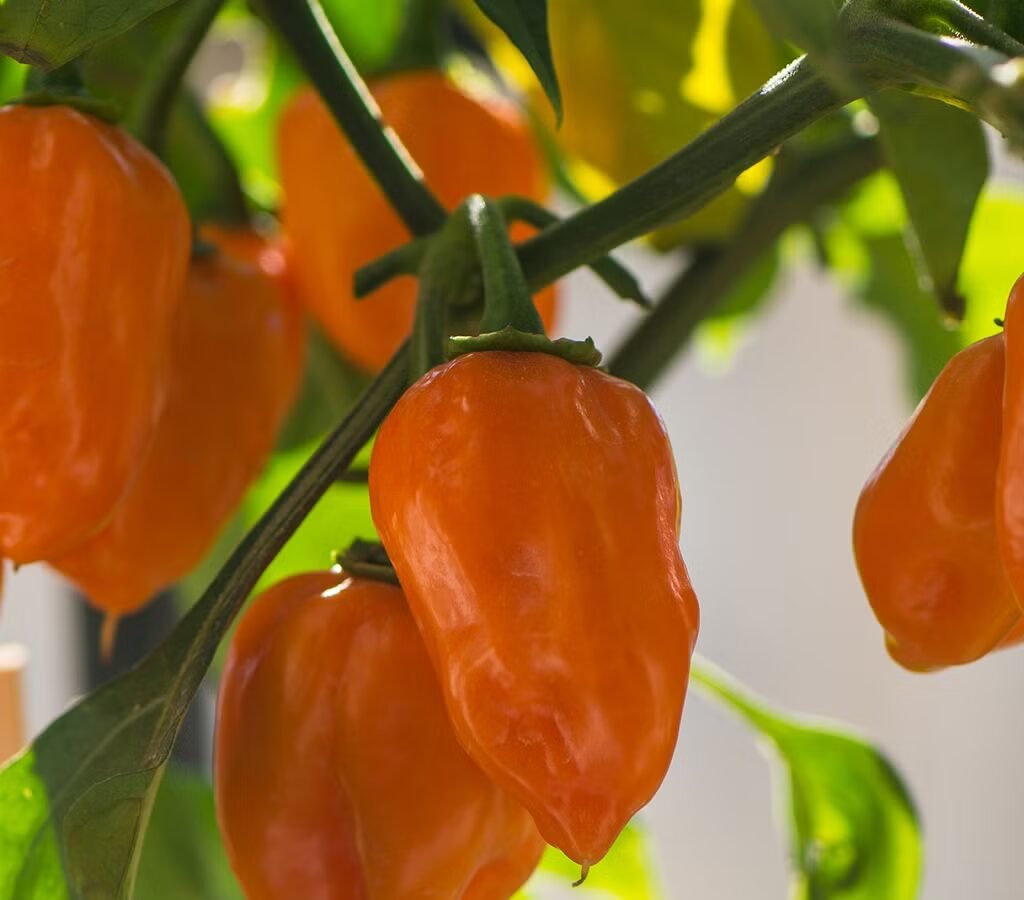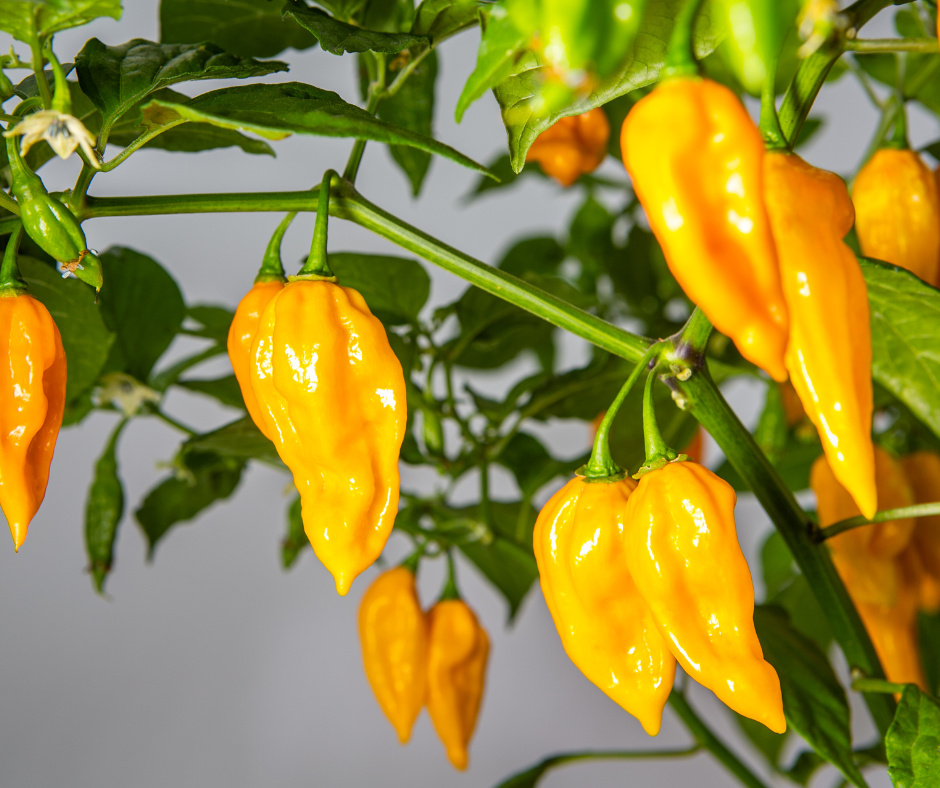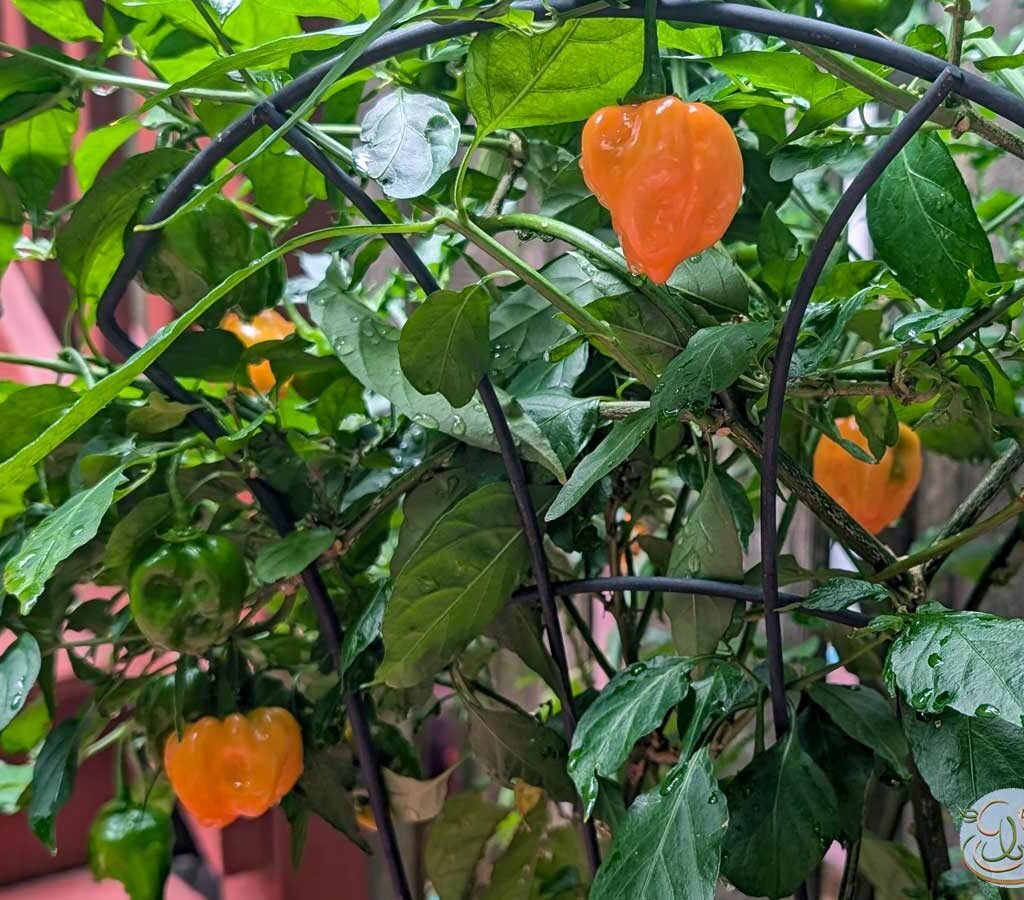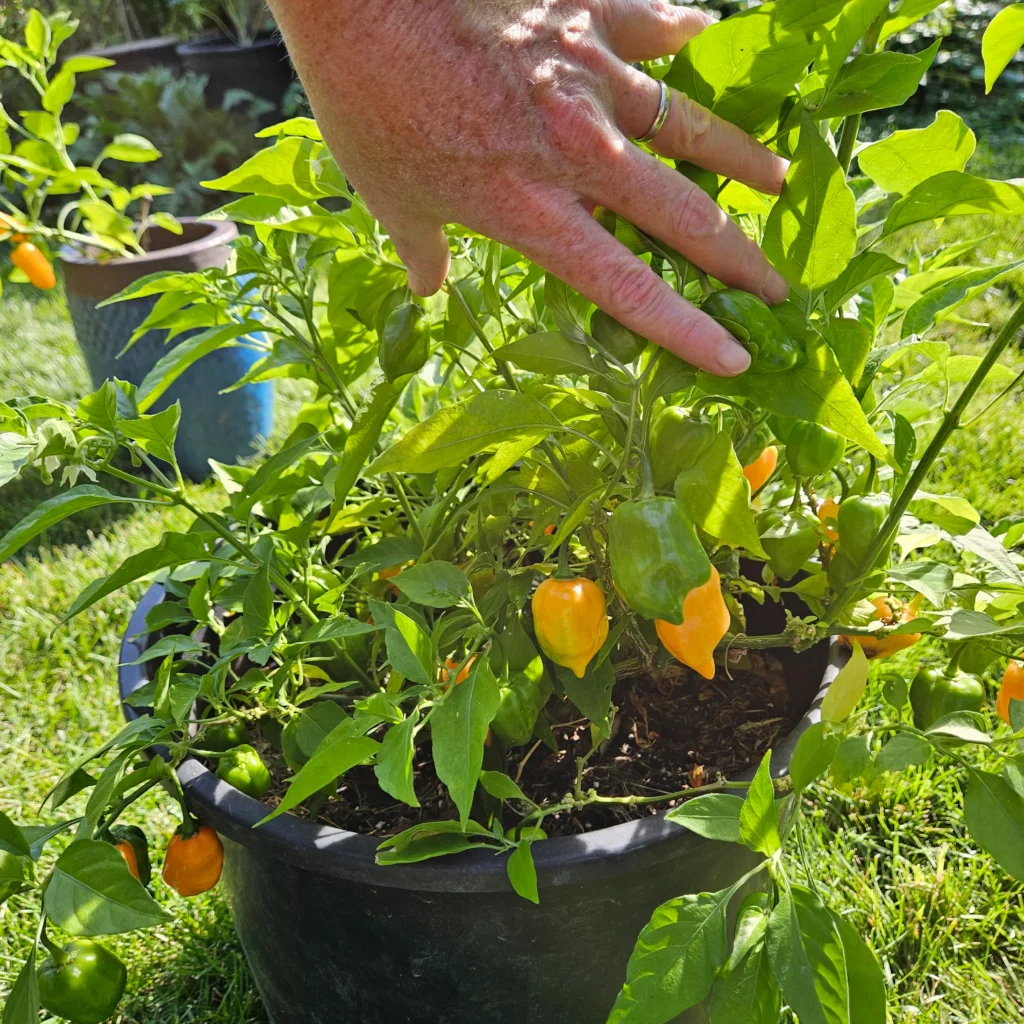
Trinidad Scorpion Peppers The Fiery Hot Chili Every American Spice Lover Must Try

Trinidad Scorpion Peppers The Fiery Hot Chili Every American Spice Lover Must Try

If you’re a spice enthusiast looking to take your culinary adventures to the next level, the Trinidad Scorpion pepper is the ultimate challenge. Known as one of the hottest chili peppers in the world, it’s a staple for thrill-seeking home cooks, competitive eaters, and daring chefs across the United States.

Originating from Trinidad and Tobago, this small, wrinkled pepper packs intense heat, a fruity undertone, and a fiery kick that can transform any dish into a bold flavor experience. From spicy sauces to hot pepper-infused oils, the Trinidad Scorpion is a symbol of extreme heat and culinary adventure.

In this comprehensive guide, we’ll explore everything you need to know about Trinidad Scorpion peppers — including their history, heat level, growing tips, health benefits, and creative ways Americans are using them in modern cuisine.


1. What Are Trinidad Scorpion Peppers?
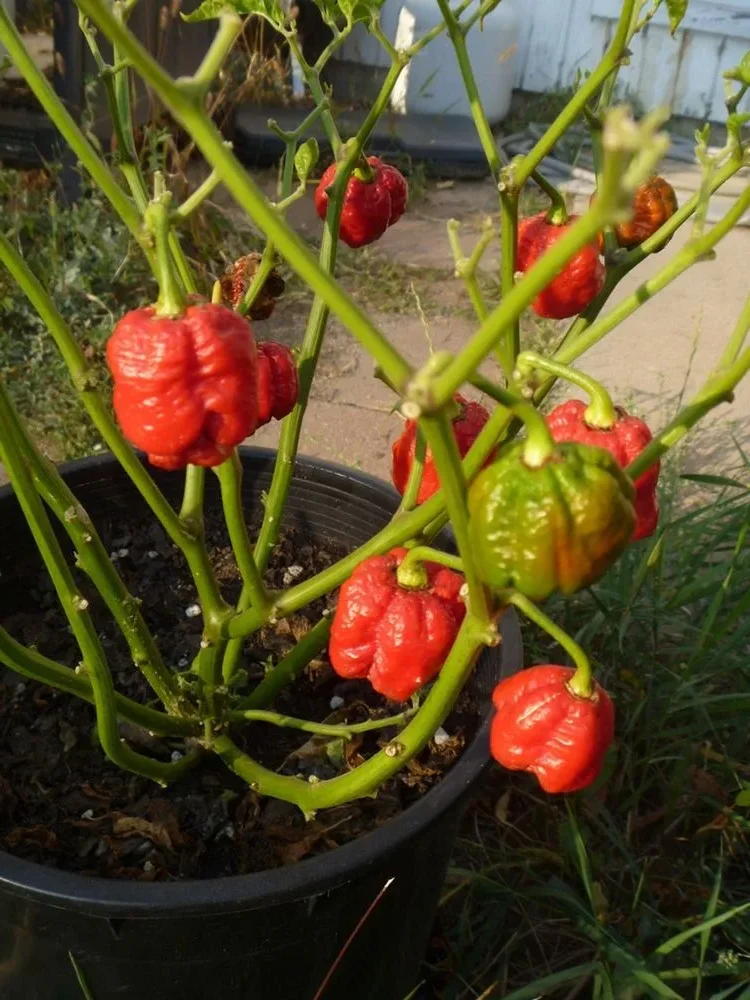
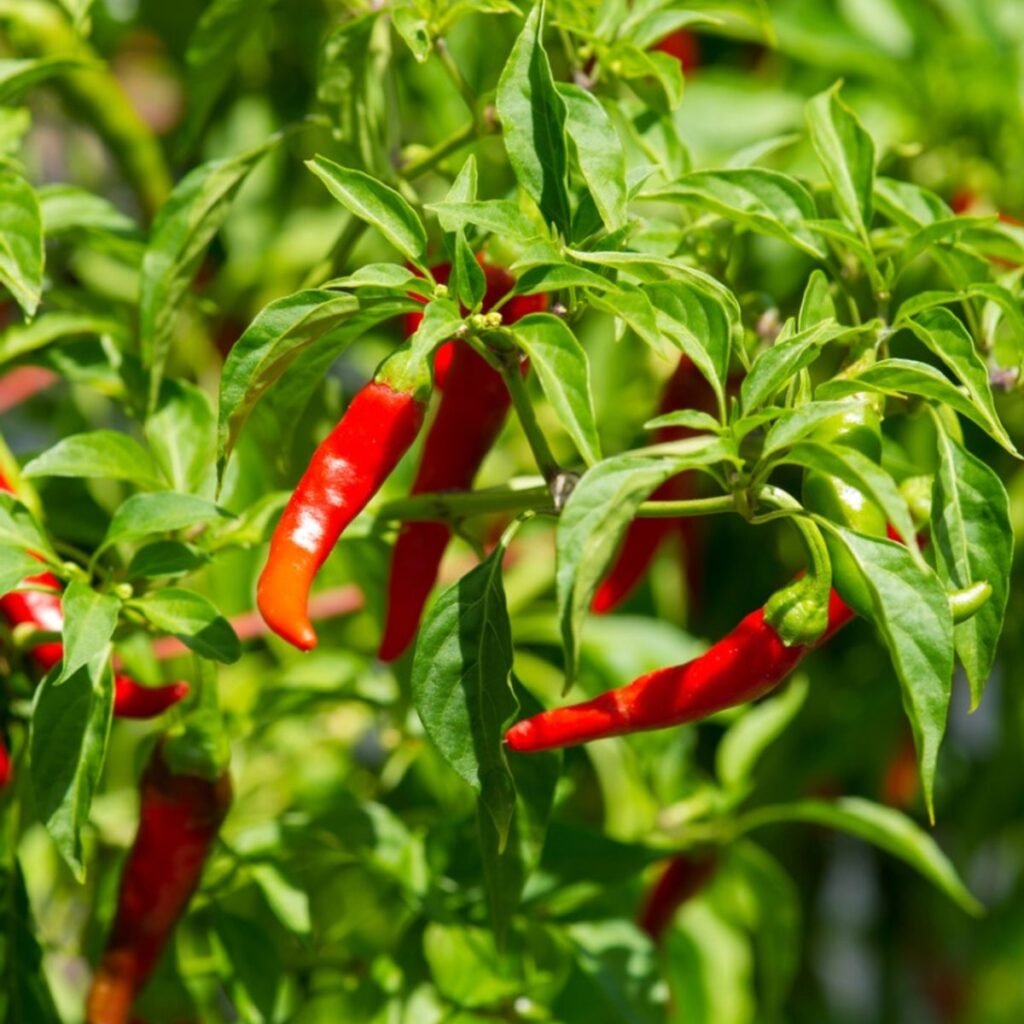
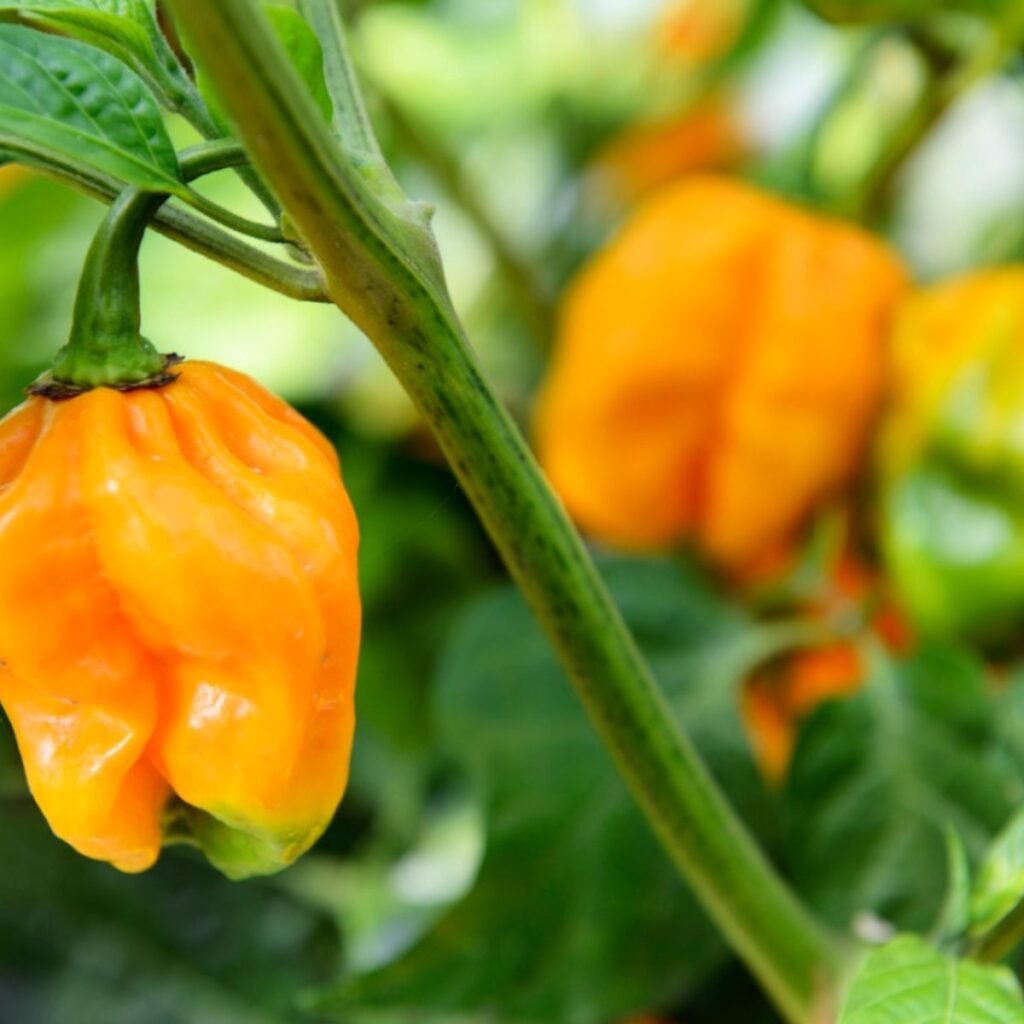
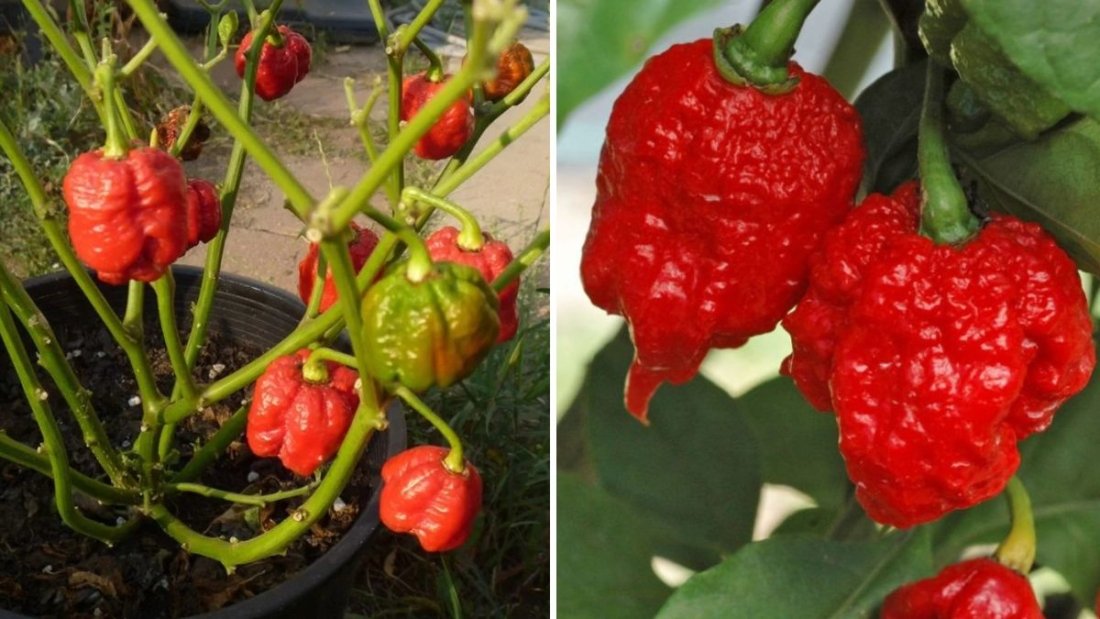
The Trinidad Scorpion pepper (Capsicum chinense) hails from Trinidad and Tobago in the Caribbean. It’s famous for its heart-stopping heat, often topping the charts at over 1,200,000 Scoville Heat Units (SHU). For context, a jalapeño sits around 2,500–8,000 SHU, making the Scorpion more than 100 times hotter.

Key characteristics:

  • Size: Small, typically 1–2 inches long
  • Color: Bright red at maturity
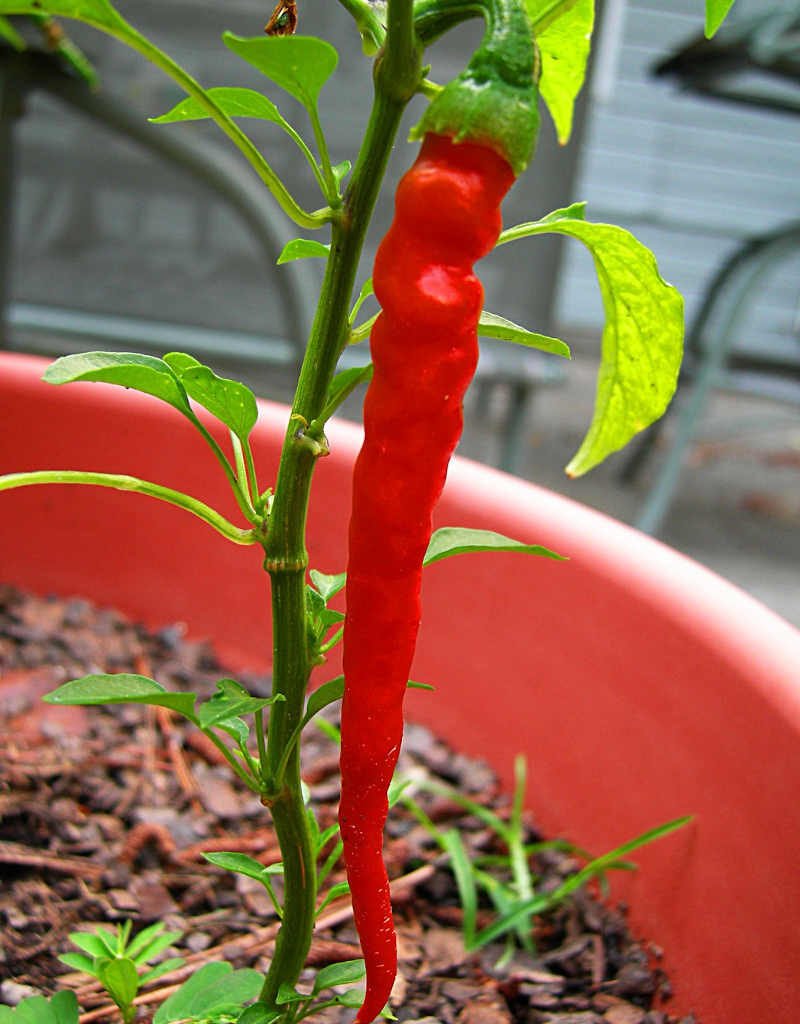
  • Shape: Wrinkled and scorpion-tail-like, hence the name
  • Flavor: Fruity, slightly sweet before the intense heat kicks in

There are several variants, including the Trinidad Moruga Scorpion, which once held the title of the world’s hottest pepper.


2. The Heat Factor: Why Trinidad Scorpions Are Not for the Faint of Heart

Trinidad Scorpion peppers are extreme, earning their reputation among hot pepper enthusiasts. The heat is measured in Scoville Heat Units (SHU), with most varieties ranging from 800,000 to over 2,000,000 SHU, depending on growing conditions.

The intense heat comes from capsaicin, the chemical responsible for the burning sensation. Interestingly, the pepper also has a sweet, fruity flavor that is noticeable before the heat overwhelms the palate. This makes it perfect for bold hot sauces, salsas, and culinary experiments — if handled carefully.


3. Safety Tips for Handling Trinidad Scorpion Peppers
Due to their extreme heat, safety is crucial when handling Trinidad Scorpions:

  1. Wear gloves to prevent skin irritation.
  2. Avoid touching your eyes or face after handling.
  3. Use a sharp knife to minimize crushing the pepper and releasing capsaicin fumes.
  4. Wash hands and surfaces thoroughly after preparation.
  5. Introduce slowly into recipes — a little goes a very long way.

Even small amounts can dramatically change a dish, so precise measurement and care are essential for American home cooks experimenting with these fiery peppers.


4. Nutrition and Health Benefits

While most people focus on the heat, Trinidad Scorpion peppers also offer surprising health benefits:

Nutritional highlights (per 100g of raw pepper):

  • Calories: 40
  • Vitamin C: Over 150% of daily value
  • Vitamin A: 20% of daily value
  • Fiber: 2–3g
  • Capsaicin: Anti-inflammatory and metabolism-boosting compound

Health Benefits:

  1. Boosts Metabolism: Capsaicin increases calorie burning.
  2. Supports Heart Health: Can help reduce cholesterol and improve circulation.
  3. Aids Pain Relief: Capsaicin has natural analgesic properties.
  4. Rich in Antioxidants: Supports overall health and immunity.
  5. Promotes Weight Loss: Spicy foods help curb appetite and increase satiety.

For Americans seeking functional foods that provide flavor and health benefits, the Trinidad Scorpion packs a serious punch.


5. Growing Trinidad Scorpion Peppers in the U.S.
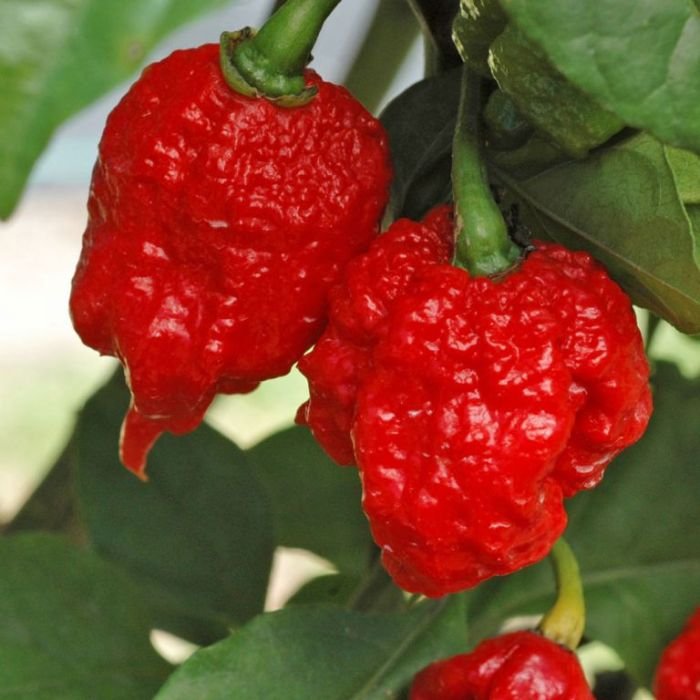
Growing Trinidad Scorpions at home is possible for experienced gardeners, especially in warm climates like Florida, Texas, and California.

Step-by-step growing guide:

  1. Start Indoors: Begin seeds 8–12 weeks before the last frost.
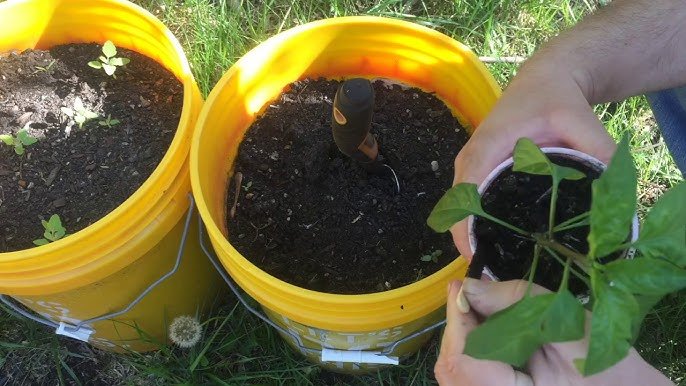
  2. Transplant Carefully: Move seedlings outdoors once temperatures are consistently above 70°F.
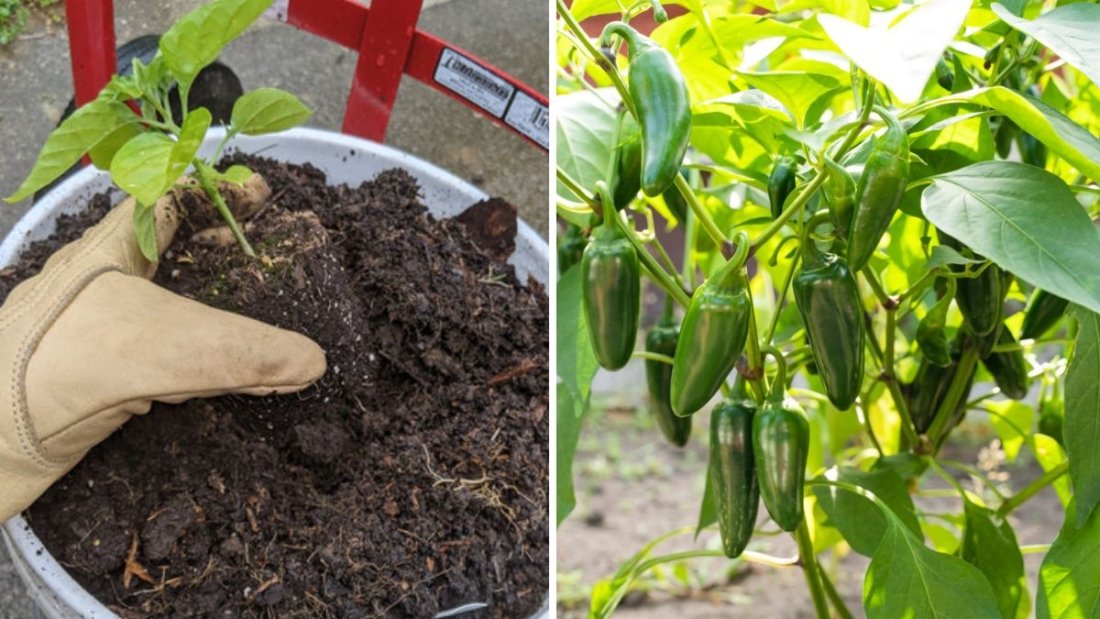
  3. Soil: Use well-draining, nutrient-rich soil with compost.
  4. Sunlight: Require 6–8 hours of full sun daily.
  5. Watering: Keep soil moist, not waterlogged.
  6. Harvest: Pick peppers when fully red and wrinkled (90–120 days after transplanting).

These plants need attention, but the reward is a harvest of some of the hottest peppers on the planet.


6. Culinary Uses: Extreme Heat in American Kitchens

Despite their intense heat, Trinidad Scorpion peppers are versatile in small doses. Americans are incorporating them into a variety of culinary creations:

a. Homemade Hot Sauce

Blending Scorpion peppers with vinegar, garlic, and spices creates a fiery condiment perfect for wings, tacos, and burgers.

b. Spicy Chili

Add finely minced Scorpion peppers to chili or stew for a bold kick. Start with a small piece — one pepper can flavor an entire pot.

c. Pepper-Infused Oils

Create Trinidad Scorpion-infused olive oil to drizzle over pizzas, roasted vegetables, or pasta.

d. Salsa and Marinades

Add a tiny amount to tomato salsas or meat marinades for heat and flavor.

e. Pickled Trinidad Scorpions

Pickling tempers the heat slightly and provides a hot, tangy addition to sandwiches and cheese boards.


7. Fun American Recipes Featuring Trinidad Scorpion Peppers
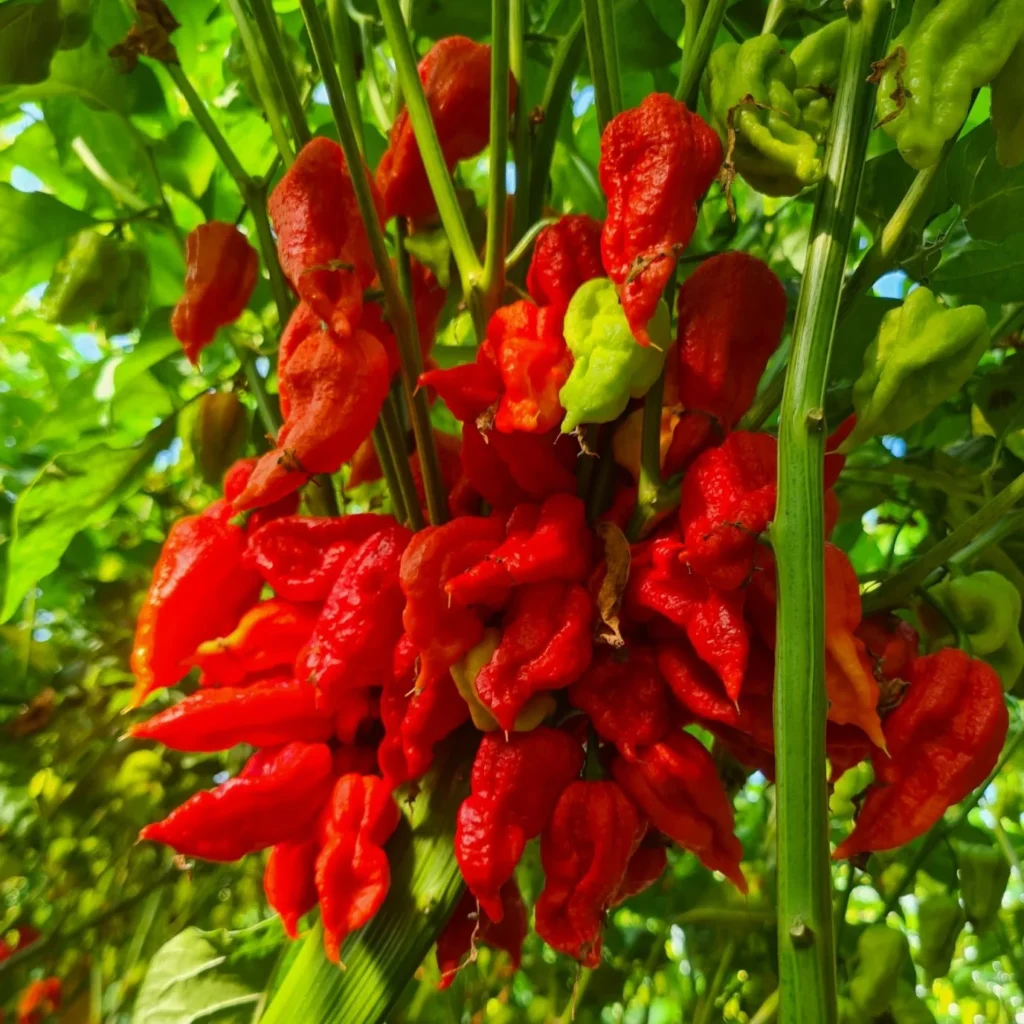
Recipe Spotlight: Trinidad Scorpion Hot Wing Sauce
Ingredients:

  • 1–2 Trinidad Scorpion peppers, finely chopped
  • 1 cup vinegar
  • 1 tbsp honey
  • 2 cloves garlic
  • 1 tsp salt
  • 1/4 cup tomato paste

Instructions:

  1. Blend all ingredients until smooth.
  2. Simmer on low heat for 10–15 minutes.
  3. Toss with fried or baked chicken wings.
  4. Serve with ranch or blue cheese dip for balance.

Pro Tip: One pepper goes a long way — adjust according to heat tolerance.


8. Storing and Preserving Trinidad Scorpion Peppers

Due to their potency, careful storage is important:

  • Refrigerate: Wrap in paper towels and store in a produce bag for up to 2 weeks.
  • Freeze: Chop and freeze for long-term use in sauces or stews.
  • Dry: Dehydrate and crush for homemade chili flakes.
  • Pickle: Vinegar pickling preserves heat and flavor.

9. Substitutes for Trinidad Scorpion Peppers

If Scorpion peppers are too intense, consider these alternatives:

  • Habanero Peppers: Still extremely hot but slightly milder.
  • Ghost Peppers (Bhut Jolokia): Similar heat level for thrill-seekers.
  • Serrano Peppers: Medium heat, more approachable for beginners.
  • Jalapeños: For mild heat and more accessible flavor.

10. Where to Buy Trinidad Scorpion Peppers in the U.S.
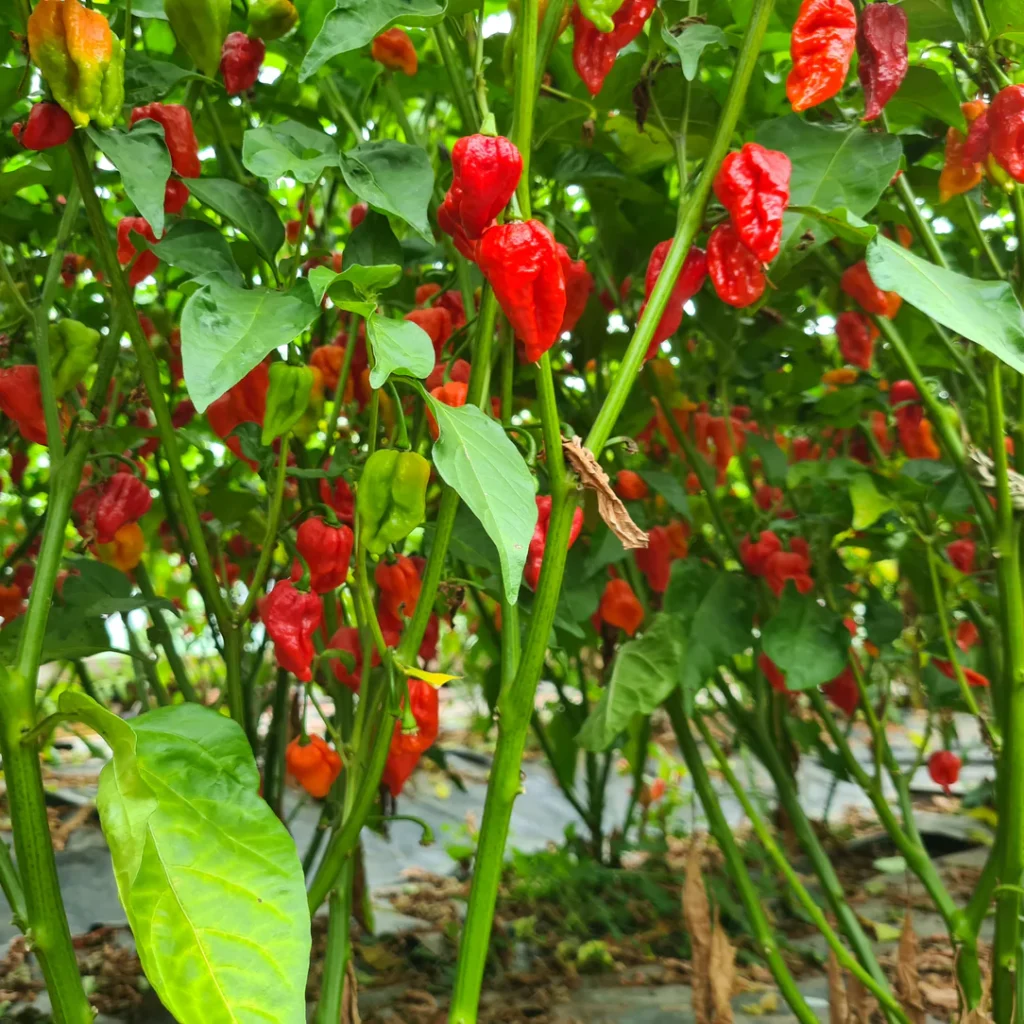
These extreme peppers are available online and at specialty stores:

  • Fresh: Some farmers’ markets, Latin American grocery stores, and Whole Foods.
  • Dried or powdered: Specialty spice shops or online retailers like Amazon.
  • Seeds: Available for home gardeners from Baker Creek, Johnny’s Selected Seeds, and Burpee.

Pro Tip: Always handle carefully and label properly to avoid accidental overuse.


11. Why Americans Love Trinidad Scorpion Peppers

Americans are embracing Trinidad Scorpion peppers for their adrenaline-inducing heat, bold flavor, and versatility in spicy culinary creations.

They’ve become a symbol of spice challenges, hot sauce competitions, and adventurous cooking — attracting thrill-seekers, chefs, and home cooks alike.

Whether in a hot wing contest, infused hot sauce, or a fiery chili, these peppers represent excitement and culinary daring.


12. Fun Facts About Trinidad Scorpion Peppers

  • The Trinidad Moruga Scorpion was once named the world’s hottest pepper by Guinness World Records.
  • Despite extreme heat, they have a subtle fruity undertone that makes them popular in gourmet sauces.
  • Capsaicin in the pepper triggers endorphins, giving a natural “high” after consuming.
  • Heat levels vary depending on growing conditions — sunlight increases capsaicin concentration.

Conclusion: Extreme Flavor for Bold American Cooks

The Trinidad Scorpion pepper is not just a chili; it’s an experience. With its intense heat, fruity notes, and bold color, it’s perfect for Americans looking to add excitement, adventure, and flavor to their cooking.

From hot sauces and marinades to pickles and infused oils, these peppers prove that a little heat can go a long way. For home gardeners, spice enthusiasts, and competitive eaters alike, the Trinidad Scorpion is a fiery addition worth exploring — carefully, of course!
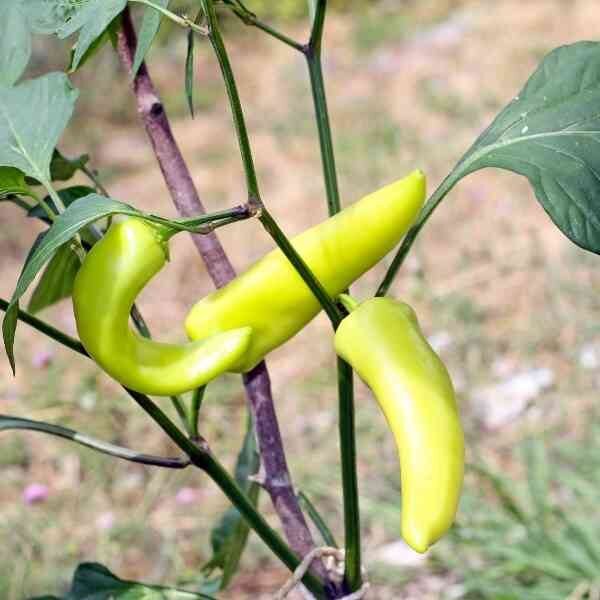
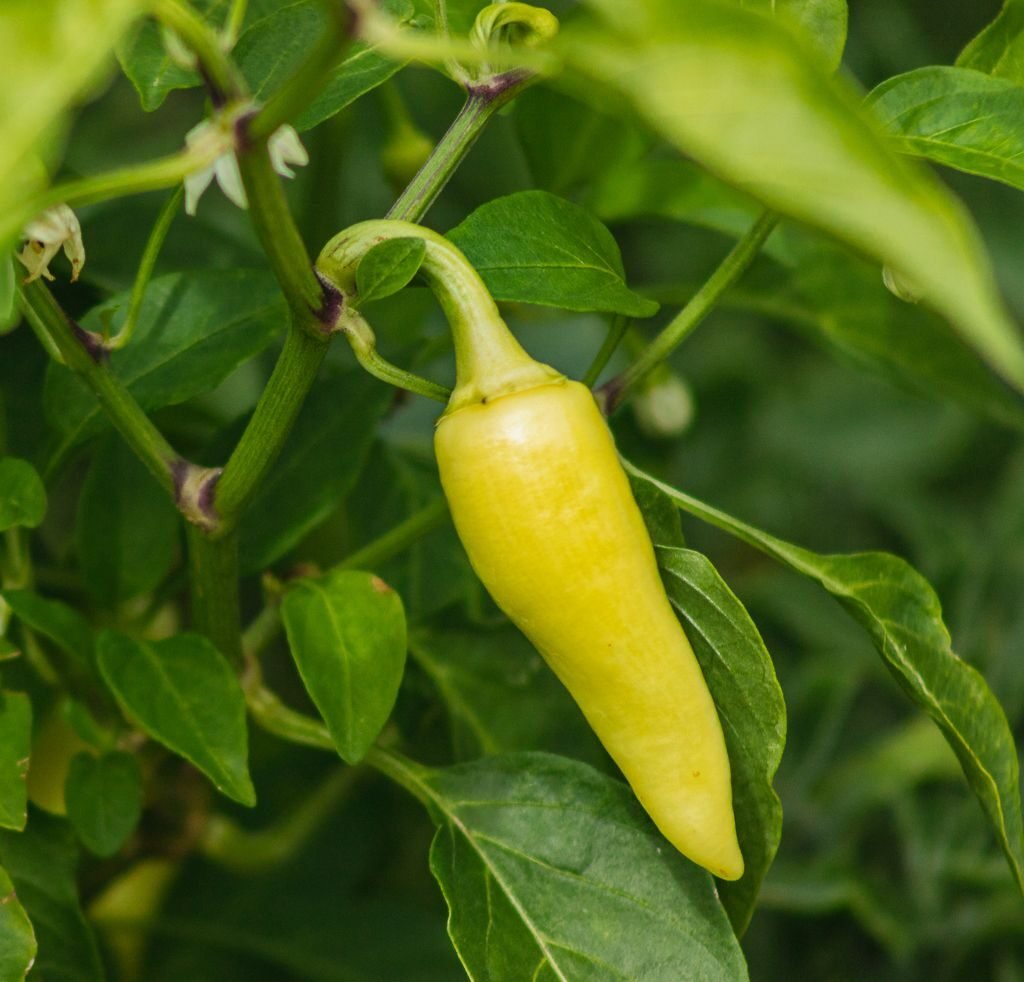
Hungarian Wax Peppers The Golden Chili with a Bold Kick Taking Over American Gardens and Kitchens

Hungarian Wax Peppers The Golden Chili with a Bold Kick Taking Over American Gardens and Kitchens

In recent years, Hungarian Wax peppers have found a fiery new fanbase across the United States. With their vibrant yellow hue, medium heat, and distinctive tang, these peppers have become a go-to choice for American home gardeners, hot sauce makers, and spice lovers alike.

Whether you’re pickling, grilling, stuffing, or slicing them into fresh salsas, Hungarian Wax peppers deliver just the right balance of heat and sweetness. They’re bright, flavorful, and adaptable — equally perfect for backyard barbecues and gourmet recipes.

In this detailed guide, we’ll explore everything you need to know about Hungarian Wax peppers — from their origins and heat profile to growing tips, nutrition facts, and mouthwatering American-style recipes that showcase their versatility.


1. What Are Hungarian Wax Peppers?

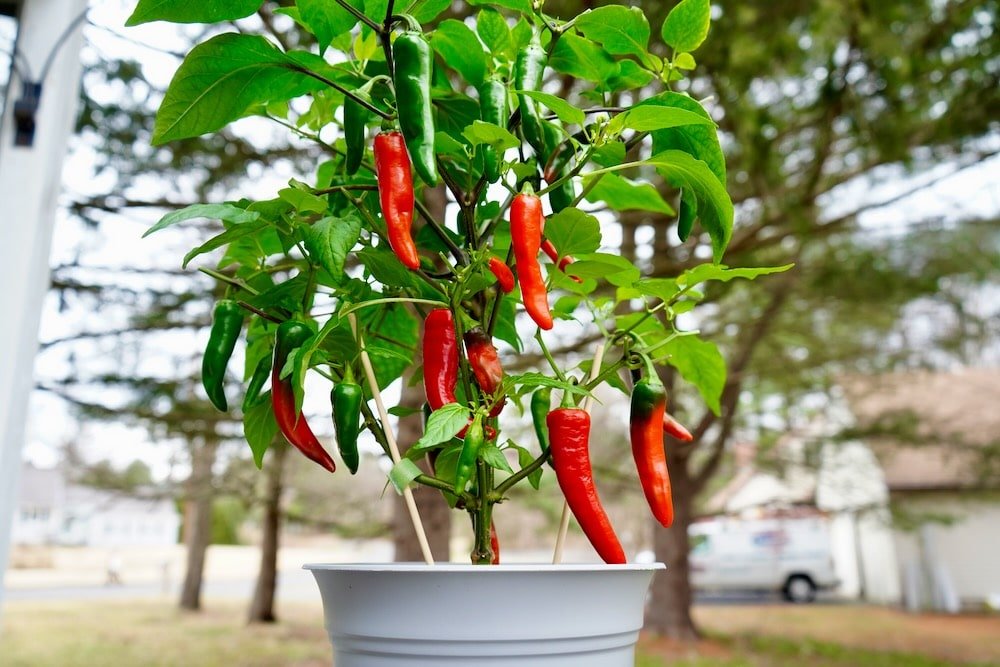
The Hungarian Wax pepper (Capsicum annuum) is a medium-hot chili pepper originating from Hungary, where it’s long been a staple in Eastern European cuisine. In Hungary, these peppers are commonly used in paprikash, stews, and pickled condiments — and now, they’ve become a favorite across the U.S.

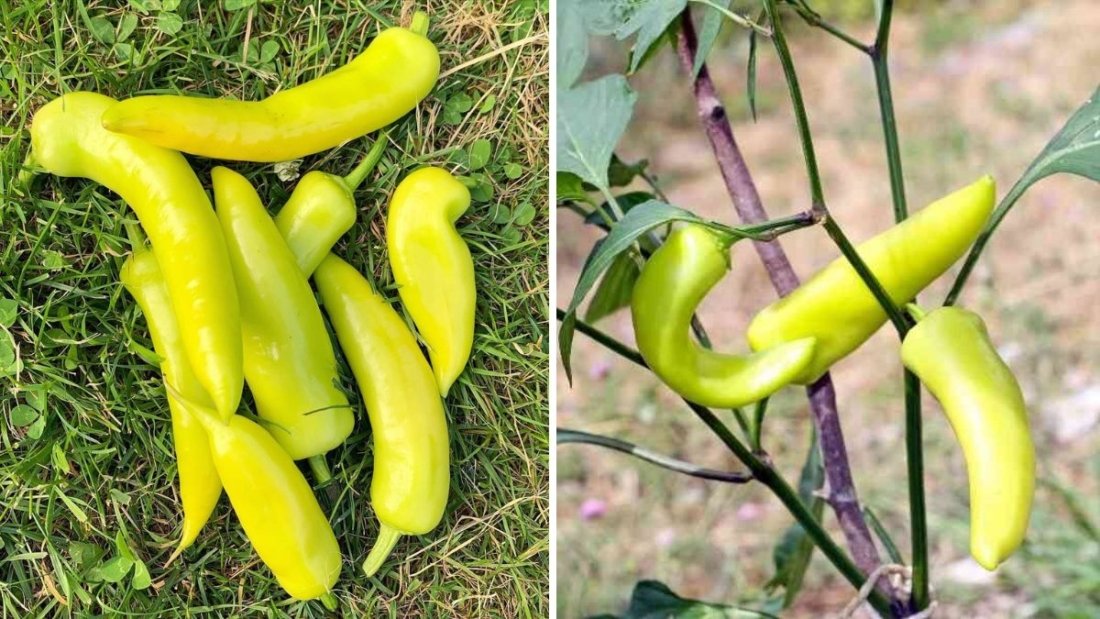
They’re called “wax peppers” because of their smooth, waxy texture and bright yellow skin that turns orange and then red as it ripens.

Key characteristics:

  • Length: 4–6 inches
  • Color: Pale yellow (young), orange to red (mature)
  • Heat Level: 5,000–10,000 Scoville Heat Units (moderate spice)
  • Flavor: Tangy, slightly sweet, with a bold chili kick

The Hungarian Wax pepper is often mistaken for the banana pepper due to its similar appearance — but make no mistake, it packs far more heat.


2. Hungarian Wax vs. Banana Pepper: Know the Difference

At first glance, these two peppers can be confusingly similar. Both are long, curved, and yellow — but their flavor and heat levels tell a different story.

FeatureHungarian Wax PepperBanana Pepper
Heat Level5,000–10,000 SHU0–500 SHU
FlavorTangy, hot, slightly sweetMild, tangy, and sweet
ColorYellow to redYellow to light green
Common UsesPickling, stuffing, salsasSandwiches, salads, mild pickles

If you like the shape and look of banana peppers but crave more punch, Hungarian Wax is your perfect upgrade.


3. Flavor Profile: Bright Heat with Tangy Sweetness

Hungarian Wax peppers bring a bright, clean flavor with a medium heat that’s noticeable but not overwhelming. The initial bite is slightly tangy and fruity, followed by a satisfying chili warmth that lingers pleasantly.

When cooked, their natural sugars caramelize, enhancing sweetness while mellowing the heat. When pickled, they develop a tangy zest that complements burgers, sandwiches, and tacos beautifully.

They’re versatile enough for both raw and cooked preparations, offering flexibility to adventurous home cooks.


4. Nutrition and Health Benefits

Hungarian Wax peppers are more than just spicy — they’re packed with nutrients and health-boosting compounds.

Nutritional highlights (per 100g of fresh pepper):

  • Calories: 27
  • Vitamin C: 140% of daily value
  • Vitamin A: 25% of daily value
  • Fiber: 2g
  • Capsaicin: Natural compound known for anti-inflammatory and metabolism-boosting benefits

Health Benefits:

  1. Boosts Immunity: High vitamin C strengthens your immune defenses.
  2. Aids Metabolism: Capsaicin promotes fat burning and increases metabolism.
  3. Supports Heart Health: Antioxidants reduce inflammation and cholesterol levels.
  4. Improves Digestion: The mild heat stimulates digestion naturally.
  5. Enhances Mood: Capsaicin triggers endorphins — your body’s natural feel-good chemicals.

For Americans looking to add flavor, color, and health benefits to their diet, Hungarian Wax peppers are a vibrant and powerful choice.


5. Growing Hungarian Wax Peppers in the U.S.

If you love gardening, you’ll be happy to know that Hungarian Wax peppers are easy to grow and perform exceptionally well in American climates.

They thrive in USDA zones 4–11, especially in warm, sunny areas like California, Texas, and Florida.

Step-by-step growing guide:

  1. Start Indoors: Begin seeds 8–10 weeks before the last frost date.
  2. Transplant Outdoors: Move seedlings outside when nighttime temperatures stay above 60°F.
  3. Sunlight: At least 6–8 hours daily.
  4. Soil: Well-drained and nutrient-rich.
  5. Watering: Keep soil evenly moist; avoid waterlogging.
  6. Harvest: Pick when yellow for tangy heat or red for sweeter flavor (70–80 days after transplanting).

Each plant can produce up to 20–30 peppers, offering a steady supply throughout the growing season.


6. How to Use Hungarian Wax Peppers in Cooking

Hungarian Wax peppers shine in a wide range of American and global dishes. Their moderate spice level makes them versatile — adding just enough kick without overpowering the meal.

a. Pickled Wax Peppers

A favorite in American delis and burger joints!
Slice and pickle them in vinegar, garlic, and salt for a tangy, crunchy topping that pairs perfectly with sandwiches and pizzas.

b. Stuffed Wax Peppers

Fill with cream cheese, sausage, or rice and bake until tender. These make a spicy, flavorful appetizer or dinner side.

c. Sautéed or Grilled Peppers

Slice and sauté with onions to serve alongside steak, chicken, or fajitas. Grilling enhances their smoky sweetness.

d. Wax Pepper Hot Sauce

Blend roasted Hungarian Wax peppers with garlic, vinegar, and honey for a bright, golden hot sauce — perfect for eggs, tacos, and BBQs.

e. Fresh in Salsas and Salads

Dice raw for a spicy crunch in tomato salsa, potato salads, or pasta salads. Their bright yellow color adds a beautiful pop.

f. In Hungarian-Inspired Dishes

For a taste of tradition, use them in goulash, paprikash, or stewed chicken, adding both flavor and heat.


7. American Recipe Spotlight: Grilled Hungarian Wax Peppers with Garlic-Lemon Butter

Ingredients:

  • 6–8 Hungarian Wax peppers
  • 2 tbsp olive oil
  • 1 tbsp butter
  • 1 clove garlic, minced
  • Juice of ½ lemon
  • Salt and black pepper to taste

Instructions:

  1. Preheat grill to medium-high.
  2. Brush peppers with olive oil and grill for 5–6 minutes, turning occasionally until charred.
  3. Melt butter in a small pan, add garlic, and cook for 1 minute.
  4. Toss grilled peppers in the garlic butter and squeeze fresh lemon juice on top.
  5. Season with salt and pepper.

Serve hot as a side dish or appetizer. This quick, flavorful recipe combines smoky, spicy, and citrusy notes — a perfect fit for American summer cookouts.


8. Storing and Preserving Hungarian Wax Peppers

To extend their freshness:

  • Refrigerate: Store unwashed in the crisper drawer for up to 10 days.
  • Freeze: Slice and freeze for use in soups or stir-fries (up to 6 months).
  • Pickle: Preserve in vinegar for long-term use.
  • Dry: Dehydrate and crush for homemade chili flakes or seasoning blends.

Proper preservation lets you enjoy their vibrant flavor year-round.


9. Substitutes for Hungarian Wax Peppers

Can’t find Hungarian Wax peppers? Try these substitutes with similar taste and heat:

  1. Jalapeños: Slightly hotter and more common.
  2. Banana Peppers: Milder, tangier option.
  3. Serrano Peppers: Sharper heat but similar texture.
  4. Anaheim Peppers: Larger, mild, and ideal for stuffing.

10. Where to Buy Hungarian Wax Peppers in the U.S.

Hungarian Wax peppers are becoming easier to find thanks to rising demand. You can buy them:

  • Fresh: At farmers’ markets and grocery chains like Whole Foods, Safeway, and Kroger.
  • Seeds: From garden centers or online retailers like Burpee, Baker Creek, or Johnny’s Selected Seeds.
  • Pickled: In jars at specialty stores and online marketplaces.

Pro tip: Look for peppers that are firm, glossy, and vibrant yellow for the freshest flavor.


11. Fun Facts About Hungarian Wax Peppers

  • They were first cultivated in Hungary centuries ago for making traditional paprika and pickles.
  • The pepper’s name comes from its “waxy” skin — not because it’s coated with anything artificial.
  • As they ripen from yellow to red, the heat slightly decreases while sweetness increases.
  • Many American hot sauce brands use Hungarian Wax peppers for their golden color and balanced heat.

12. Why Americans Are Falling in Love with Hungarian Wax Peppers

In today’s food culture, Americans crave bold flavor without overwhelming heat — and that’s where Hungarian Wax peppers shine.

They’re hot but approachable, colorful yet earthy, and equally at home in pickling jars or gourmet dishes. Their versatility bridges the gap between traditional European recipes and modern American cooking trends, making them a must-have for spice enthusiasts and gardeners alike.

From homemade hot sauces to garden-to-table meals, these golden chilies bring color, warmth, and excitement to every plate.


Conclusion: Bright, Bold, and Beautifully Balanced

The Hungarian Wax pepper is more than just a pretty yellow chili — it’s a symbol of flavor, versatility, and creativity in American kitchens. With its moderate heat, crisp texture, and dynamic taste, it’s a perfect pepper for those who love a little spice without crossing into fiery territory.

Whether you grow them in your backyard, pickle them for sandwiches, or roast them for dinner, Hungarian Wax peppers add a unique kick that transforms any dish into something unforgettable.

So, the next time you see these golden beauties at your local market — don’t walk past them. Bring a little Hungarian heat into your American kitchen!

Sweet Mini Peppers The Colorful, Crunchy Super Snack Taking Over American Kitchens

Sweet Mini Peppers The Colorful, Crunchy Super Snack Taking Over American Kitchens

From lunchboxes and salads to stir-fries and grill platters, sweet mini peppers have become one of America’s favorite fresh produce items. Their bright colors, natural sweetness, and crisp texture make them irresistible — and their versatility makes them a kitchen essential for health-conscious home cooks and families alike.

Whether you’re looking for a healthy snack, a low-calorie recipe ingredient, or a vibrant garnish, sweet mini peppers deliver big flavor in a small package. They’ve become a supermarket staple across the U.S., often sold in colorful mixed bags that brighten up any meal.

In this complete guide, we’ll explore everything you need to know about sweet mini peppers — from their origins and nutrition to creative American-style recipes and cooking tips.


1. What Are Sweet Mini Peppers?

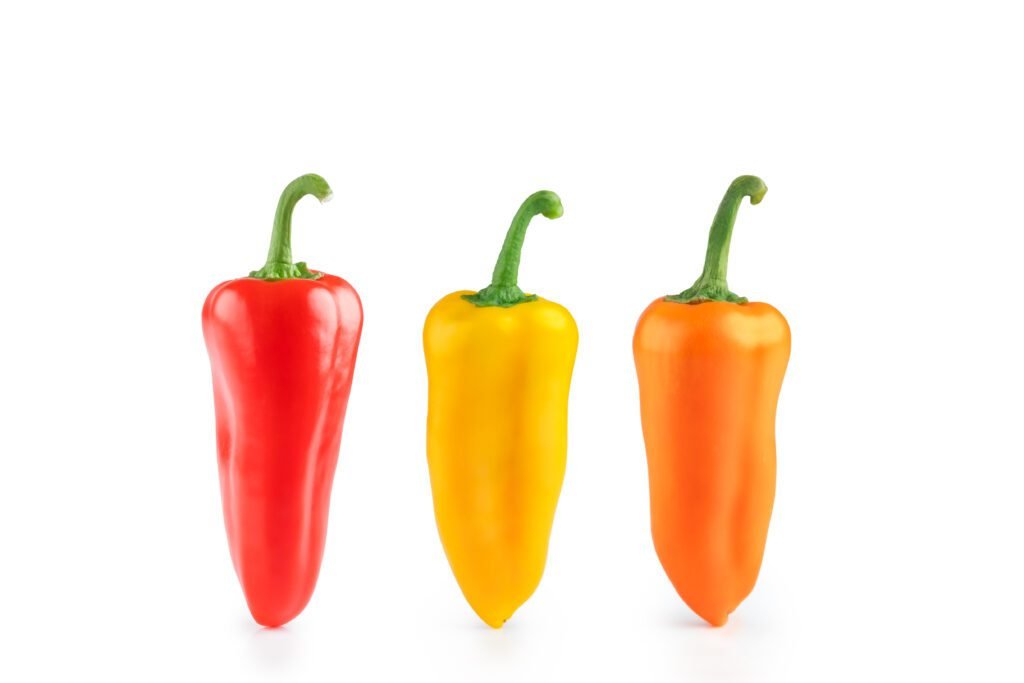
Sweet mini peppers are smaller, sweeter cousins of the classic bell pepper. They belong to the Capsicum annuum family and are bred specifically for their naturally sugary flavor, crisp bite, and vivid colors — usually red, yellow, and orange.

These peppers are typically 2 to 3 inches long, seed-light, and mild in flavor, making them perfect for snacking raw or adding to cooked dishes. They contain no significant heat (0 Scoville Heat Units), unlike many chili peppers, and are therefore great for both kids and adults.

Originally developed from bell pepper varieties, sweet mini peppers gained popularity in the U.S. during the 2000s as Americans began seeking healthy, low-calorie, and colorful produce for quick meals and snacks.


2. Why Americans Love Sweet Mini Peppers

Sweet mini peppers fit perfectly into modern American lifestyles — healthy, easy to prepare, and versatile. Here’s why they’ve become a top choice across households and restaurants:

  • Naturally Sweet: They taste great raw, without added seasoning or dressing.
  • Healthy Snack Alternative: Ideal replacement for chips or candy.
  • Kid-Friendly: Mild, colorful, and fun to eat.
  • Meal Prep Friendly: Long shelf life and easy to pack.
  • Versatile: Great for salads, roasting, grilling, and stuffing.

Their popularity has skyrocketed with the rise of healthy snacking trends and farm-to-table eating across the United States.


3. Nutrition and Health Benefits

Sweet mini peppers are nutritional powerhouses packed with vitamins, antioxidants, and fiber — all for very few calories.

Nutrition facts (per 100g serving):

  • Calories: ~25
  • Carbohydrates: 6g
  • Fiber: 2g
  • Vitamin C: 150% of your daily value
  • Vitamin A: 20% of your daily value
  • Fat: 0g
  • Sugar: 4g (naturally occurring)

Health Benefits:

  1. Boosts Immunity: High vitamin C content supports a strong immune system.
  2. Promotes Eye Health: Rich in beta-carotene and vitamin A.
  3. Aids Digestion: Fiber improves gut health and regularity.
  4. Supports Weight Loss: Low in calories, high in satisfaction.
  5. Heart Health: Antioxidants help reduce inflammation and cholesterol levels.

For anyone following a low-carb, vegan, or keto diet, sweet mini peppers are an ideal addition — nutritious, low in sugar, and high in flavor.


4. Sweet Mini Peppers vs. Bell Peppers

Though similar in taste, sweet mini peppers and bell peppers differ in texture, sweetness, and culinary use.

FeatureSweet Mini PeppersBell Peppers
Size2–3 inches4–5 inches
FlavorSweeter, milderMild, slightly grassy
TextureThinner skin, crisp biteThicker and crunchier
Common UsesSnacking, stuffing, grillingStir-fries, salads, stuffing
Color RangeRed, orange, yellowGreen, red, yellow, orange

Mini peppers are essentially the bite-sized, sweeter version of the classic bell pepper, perfect for portion control and quick cooking.


5. How to Use Sweet Mini Peppers in Everyday Cooking

One of the best things about sweet mini peppers is their versatility. They can be eaten raw, roasted, grilled, sautéed, or stuffed — and they taste great in nearly every form.

a. Raw Snack

Slice them into halves or rings and serve with hummus, ranch dip, or guacamole. Perfect for kids’ lunchboxes or after-school snacks.

b. Grilled Mini Peppers

Brush with olive oil, season with salt, and grill for 5–7 minutes until charred. Serve as a side dish for burgers, steaks, or barbecue nights.

c. Stuffed Mini Peppers

Fill them with cream cheese, goat cheese, or a mix of quinoa and veggies, then bake for 10 minutes — a crowd-pleasing appetizer.

d. Mini Pepper Stir-Fry

Add sliced peppers to a chicken or tofu stir-fry for sweetness and color. Their thin skins cook quickly, adding crunch without turning mushy.

e. Roasted Mini Peppers

Roast in the oven at 425°F with olive oil, garlic, and herbs for 15–20 minutes. Use in sandwiches, pasta, or grain bowls.

f. Sweet Mini Pepper Salad

Combine raw mini peppers with feta, cucumber, and lemon vinaigrette for a refreshing, summery salad.

g. Air-Fried Mini Peppers

Toss in olive oil and air-fry for 8 minutes at 400°F — crispy outside, tender inside. Sprinkle with sea salt or parmesan for flavor.


6. How to Store Sweet Mini Peppers

To keep sweet mini peppers fresh longer:

  • Refrigerate: Store unwashed in a breathable bag in the crisper drawer for up to 2 weeks.
  • Freeze: Slice and store in freezer-safe bags for up to 6 months.
  • Pickle: Preserve them in vinegar and herbs for a tangy condiment.
  • Dry: Dehydrate and grind into a mild pepper powder for seasoning.

Proper storage ensures you can enjoy their vibrant flavor year-round.


7. Growing Sweet Mini Peppers at Home

If you enjoy gardening, you can easily grow sweet mini peppers in your backyard or on a sunny balcony.

Steps to grow mini peppers:

  1. Start Indoors: Begin seeds indoors 8–10 weeks before the last frost.
  2. Transplant: Move outdoors once temperatures stay above 65°F.
  3. Soil: Use nutrient-rich, well-draining soil.
  4. Sunlight: Ensure at least 6–8 hours of sunlight per day.
  5. Water: Keep soil consistently moist but not soggy.
  6. Harvest: Pick when peppers reach 2–3 inches and turn bright in color.

Mini pepper plants produce continuously through summer, providing a colorful harvest for months.


8. American Recipe Spotlight: Cream Cheese-Stuffed Mini Peppers

Ingredients:

  • 12 sweet mini peppers
  • 6 oz cream cheese (softened)
  • 1 tbsp chopped chives
  • 1 tbsp minced garlic
  • Salt and pepper to taste
  • Optional: shredded cheddar or bacon bits

Instructions:

  1. Preheat oven to 375°F.
  2. Slice peppers in half lengthwise and remove seeds.
  3. Mix cream cheese, garlic, and chives in a bowl.
  4. Fill each pepper half with the mixture.
  5. Arrange on a baking tray and bake for 12–15 minutes.
  6. Serve warm, topped with cheddar or bacon bits (optional).

This low-carb, crowd-pleasing appetizer is a hit at game nights, family dinners, and BBQs — creamy, sweet, and slightly smoky.


9. Creative American-Style Serving Ideas

Here are more fun ways Americans are enjoying sweet mini peppers:

  • On pizza: Slice and add for a colorful topping.
  • In tacos: Add raw or grilled strips for crunch.
  • As a dipper: Pair with hummus or salsa instead of chips.
  • In omelets: Add sliced peppers for color and sweetness.
  • In lunchboxes: Perfect grab-and-go veggie option.

Their small size and bright appeal make them ideal for meal prep and party platters.


10. Where to Buy Sweet Mini Peppers in the U.S.

You can find sweet mini peppers in almost every major supermarket and farmers’ market across the country.

Top places to buy:

  • Grocery chains like Walmart, Costco, Kroger, and Whole Foods
  • Local farmers’ markets (often fresher and organic)
  • Online grocery stores like Amazon Fresh or Instacart
  • Garden centers and seed retailers for home growers

When buying, look for peppers that are firm, glossy, and vibrant in color. Avoid any with wrinkles or soft spots.


11. Sweet Mini Pepper Substitutes

If you can’t find sweet mini peppers, try these alternatives:

  1. Baby bell peppers – similar sweetness and crunch.
  2. Banana peppers – slightly tangier flavor.
  3. Cubanelle peppers – mild and ideal for frying.
  4. Piquillo peppers – roasted and slightly smoky (great for stuffing).

12. Why Sweet Mini Peppers Deserve a Spot in Every American Kitchen

Sweet mini peppers aren’t just another trendy vegetable — they’re a lifestyle ingredient. In an age where Americans are prioritizing healthy eating, visual appeal, and easy cooking, these peppers deliver on all fronts.

They’re colorful enough for gourmet plating, nutritious enough for clean eating, and simple enough for everyday meals. Whether you enjoy them raw with ranch dip or roasted alongside your Sunday dinner, they add a burst of color and flavor that transforms any dish.


Conclusion: Small Peppers, Big Flavor

Sweet mini peppers may be tiny, but they bring huge culinary potential to American kitchens. Their crisp texture, natural sweetness, and rainbow hues make them one of the most versatile vegetables around.

From salads and snacks to grilled dinners and gourmet appetizers, these little peppers prove that healthy eating can be fun, delicious, and beautiful. So next time you’re in the produce aisle, grab a bag of sweet mini peppers — because big flavor truly does come in small packages.

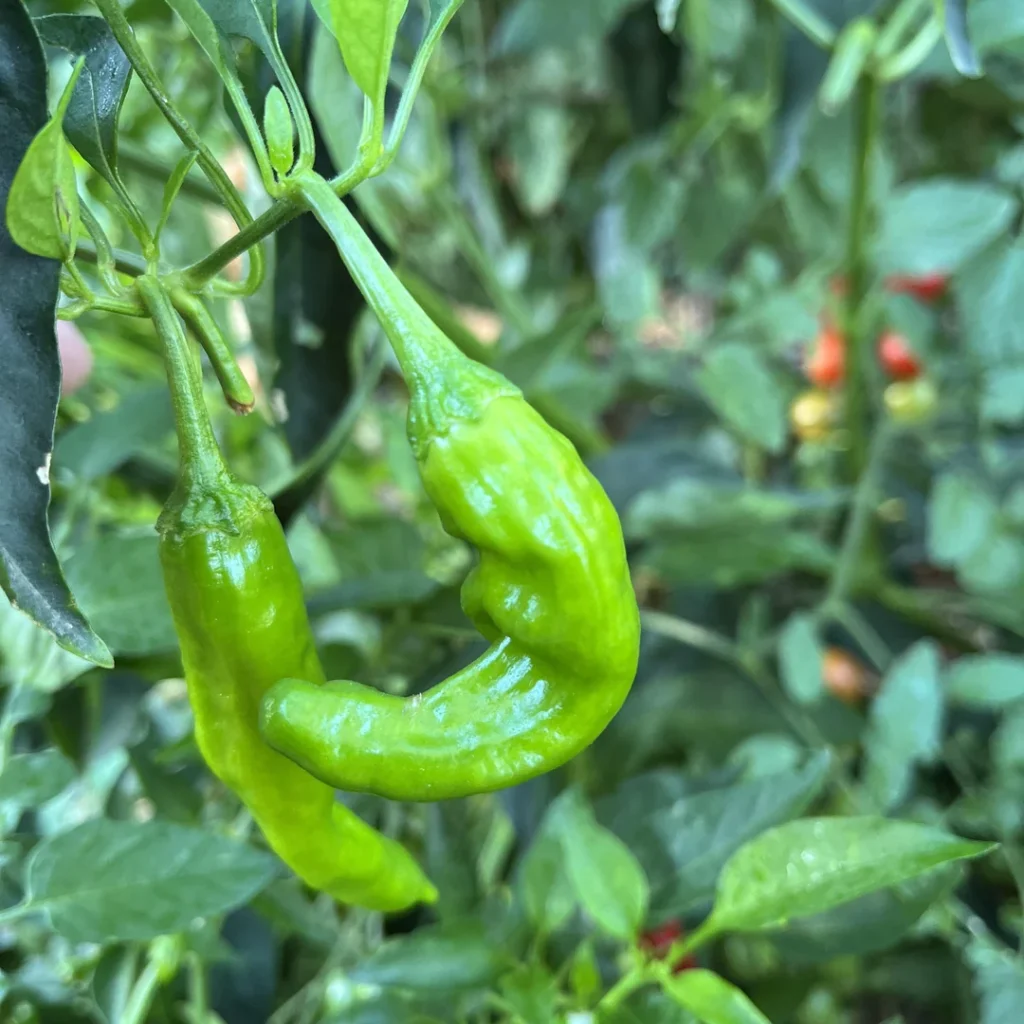
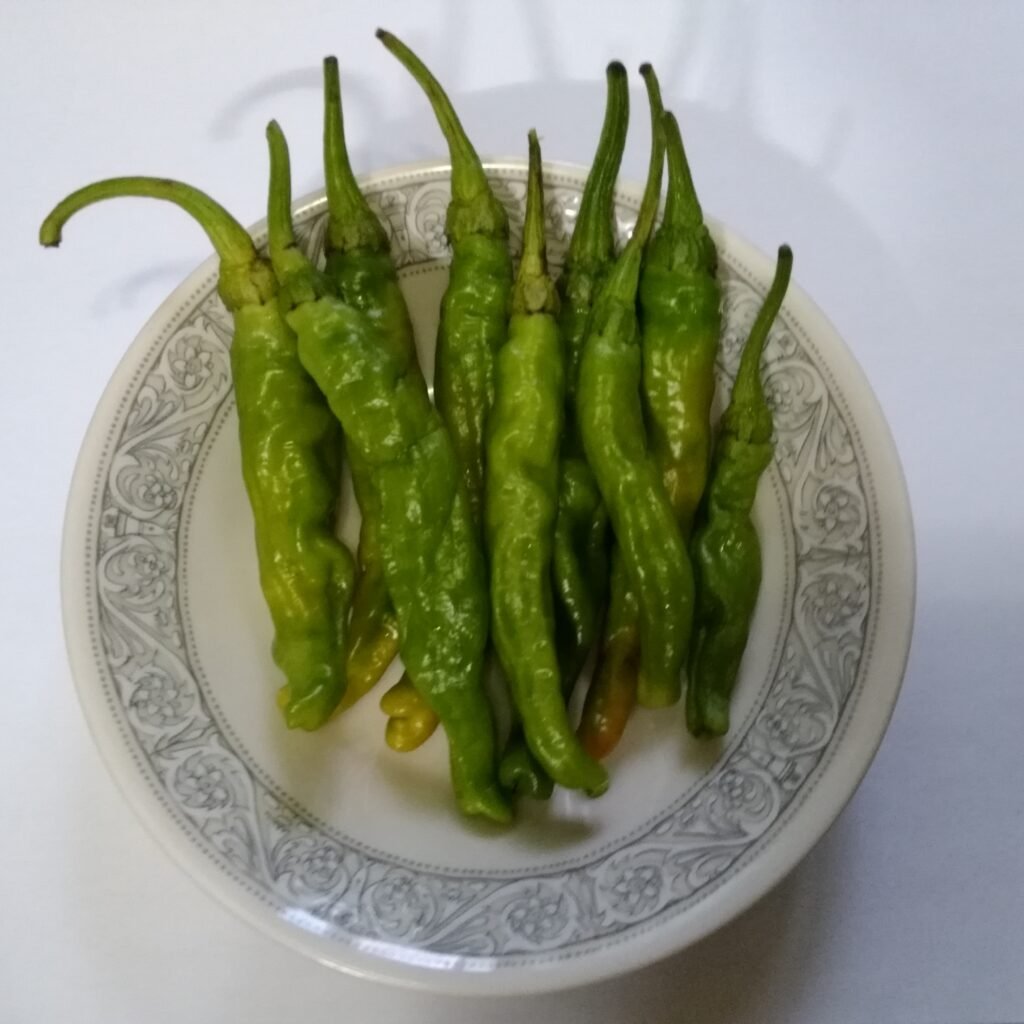
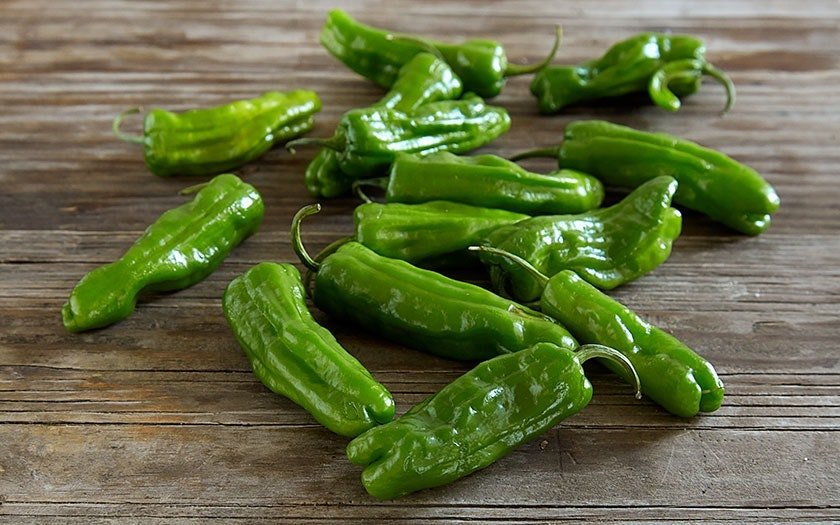
Shishito Peppers The Mildly Spicy Japanese Snack Taking Over American Kitchens

Shishito Peppers The Mildly Spicy Japanese Snack Taking Over American Kitchens

In the past few years, Shishito peppers have exploded in popularity across the United States — from trendy Los Angeles restaurants to cozy home kitchens in the Midwest. These small, wrinkled green peppers may look unassuming, but once blistered in a hot skillet with a sprinkle of sea salt, they become irresistibly addictive.

With their mild heat, smoky flavor, and fun “pepper roulette” twist — where every so often you’ll bite into a spicy one — Shishito peppers have become one of the most exciting vegetables to cook and snack on. Whether you’re a home chef or a casual foodie, this Japanese import is the perfect mix of healthy, flavorful, and entertaining.

In this comprehensive guide, we’ll cover everything you need to know about Shishito peppers: their origins, flavor, growing tips, nutritional benefits, and the best ways to cook them American-style.


1. What Are Shishito Peppers?

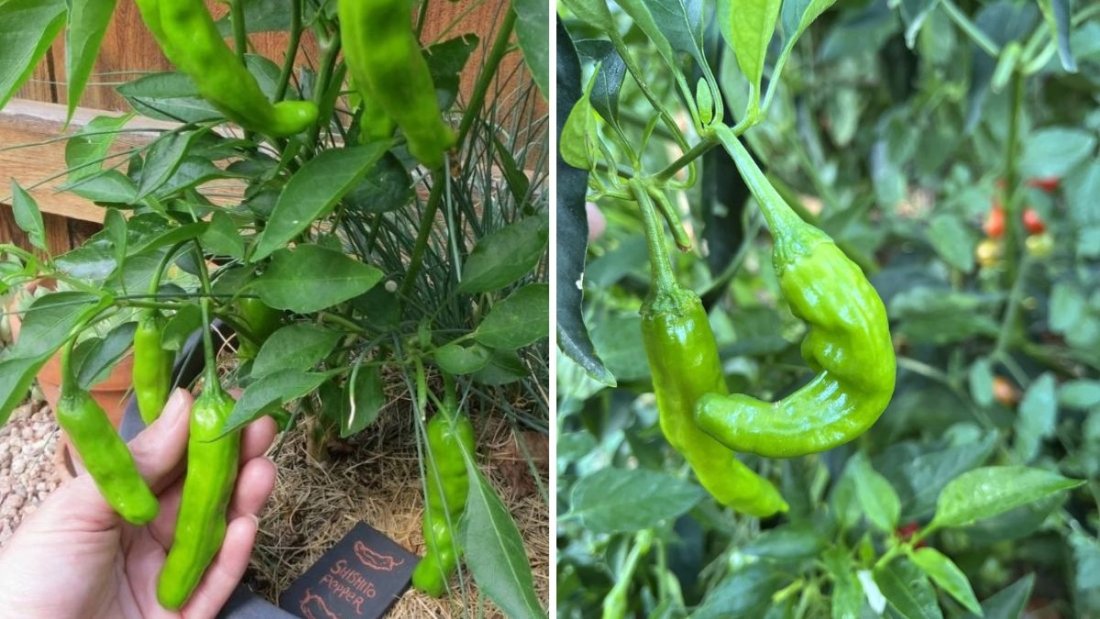
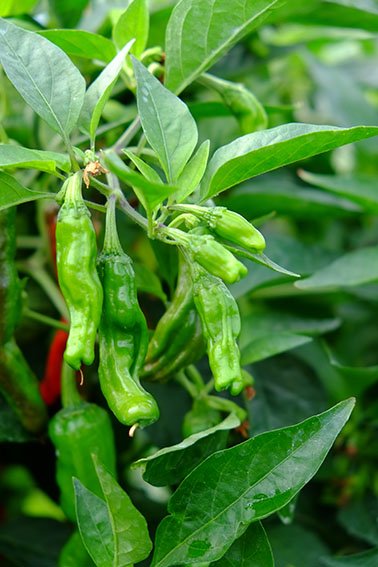
Shishito peppers (Capsicum annuum) are small, slender, and slightly wrinkled green peppers that originated in Japan. The name “Shishito” comes from the Japanese words shishi (lion) and togarashi (chili pepper), referring to the pepper’s tip that resembles a lion’s head.

Though they’ve been a popular snack in Japan for centuries, Shishitos didn’t become mainstream in America until the late 2010s — when food bloggers, chefs, and health-conscious eaters discovered how easy they were to cook and how versatile they could be.

Now, you’ll find Shishito peppers in farmers’ markets, Asian grocery stores, Whole Foods, and even on restaurant appetizer menus across the country.


2. The Flavor Profile: Mild, Sweet, and a Little Mysterious

The most fascinating part of eating Shishito peppers is the element of surprise. Around one in ten peppers packs unexpected heat, while the rest are mild, grassy, and slightly sweet.

Their flavor is often described as a cross between a bell pepper and a jalapeño, with subtle smoky undertones when charred. The thin walls make them ideal for quick blistering or grilling, creating that iconic combination of crispy skin and tender, juicy flesh.

The experience of eating Shishitos has become a sort of social game in American homes — will your next bite be mild or spicy?


3. Nutrition and Health Benefits

Shishito peppers are as healthy as they are tasty. They’re low in calories and packed with antioxidants, vitamins, and fiber — making them a guilt-free addition to your diet.

Per 100g of raw Shishito peppers:

  • Calories: 20–25
  • Vitamin C: 120% of your daily requirement
  • Vitamin A: 30% of your daily value
  • Fiber: 2–3g
  • Fat: 0g
  • Carbohydrates: ~4g

These peppers are particularly high in vitamin C, which boosts your immune system and supports skin health. Their antioxidants, including carotenoids and capsaicin (in small doses), help reduce inflammation and improve heart health.

For Americans looking for healthy snacking alternatives to chips or fries, Shishito peppers are the perfect solution — light, flavorful, and nutrient-rich.


4. How Spicy Are Shishito Peppers?

Despite being classified as a chili, Shishito peppers are mostly mild, rating between 50 and 200 Scoville Heat Units (SHU) — far less than a jalapeño (2,500–8,000 SHU).

However, about 1 in 10 peppers can surprise you with extra heat. This happens because heat levels depend on sunlight exposure and growing conditions — peppers that receive more sunlight tend to be spicier.

That’s what makes eating Shishitos fun — it’s like nature’s version of Russian roulette, but delicious.


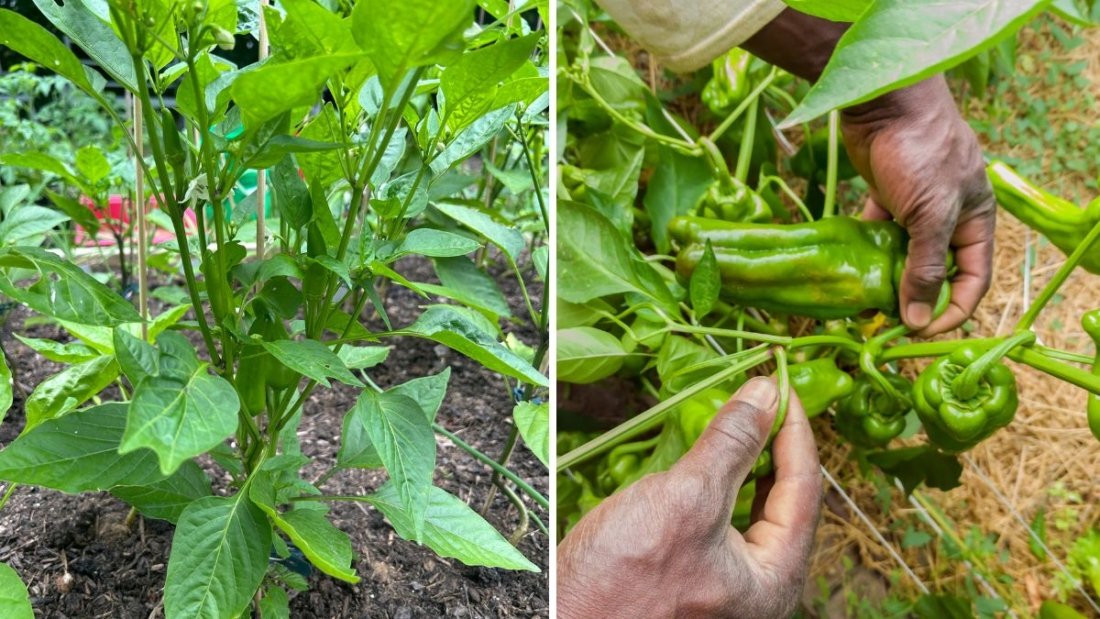
5. Growing Shishito Peppers in the U.S.

Good news for gardening enthusiasts — Shishito peppers are easy to grow and thrive in many parts of the United States. If you have a sunny spot in your garden or a large container on your balcony, you can grow them right at home.

Here’s how to get started:

  1. Start Indoors: Begin seeds indoors 8–10 weeks before your region’s last frost date.
  2. Transplant: Move seedlings outside once temperatures stay above 65°F.
  3. Soil: Use rich, well-draining soil with plenty of compost.
  4. Watering: Keep the soil moist but not soggy.
  5. Sunlight: Ensure 6–8 hours of sunlight daily.
  6. Harvesting: Pick peppers when they’re about 3–4 inches long and bright green (usually 60 days after transplanting).

One healthy Shishito plant can produce up to 30–40 peppers throughout the growing season — more than enough for endless batches of snacks and side dishes.


6. Cooking Shishito Peppers: The American Way

In Japan, Shishitos are often lightly blistered and served with soy sauce or sea salt. In America, chefs have taken that concept and elevated it with creative twists — using ingredients like lemon zest, aioli, miso glaze, and even parmesan cheese.

Here are some popular American-style ways to cook Shishito peppers:

a. Blistered Shishito Peppers (Classic Restaurant Style)

Ingredients:

  • 1 lb fresh Shishito peppers
  • 1 tbsp olive oil
  • Flaky sea salt
  • Optional: lemon wedge or garlic aioli for dipping

Instructions:

  1. Heat a cast-iron skillet over medium-high heat until very hot.
  2. Add olive oil and toss in the Shishitos.
  3. Cook for 5–7 minutes, turning occasionally until blistered and charred.
  4. Remove from heat, sprinkle with sea salt, and serve immediately.

This simple preparation has become a staple appetizer in American gastropubs and cocktail bars, often served alongside craft beer or sake.


b. Air-Fried Shishito Peppers

For a quick and oil-free version, toss peppers with a teaspoon of oil and air-fry them at 400°F for 6–8 minutes. Sprinkle with salt or sesame seeds before serving.


c. Shishito Pepper Tempura

Dip peppers in tempura batter and fry until crisp for a Japanese-American fusion snack. Serve with soy sauce or spicy mayo.


d. Grilled Shishitos with Lemon and Parmesan

Toss blistered peppers with grated Parmesan cheese and lemon zest for a smoky, tangy side dish that pairs beautifully with steak, fish, or grilled chicken.


e. Shishito Pepper Stir-Fry

Combine peppers with garlic, onions, and tofu for a quick, colorful weeknight dinner. Add teriyaki sauce or sesame oil for flavor.


7. Pairing Shishito Peppers with American Meals

Shishito peppers have an amazing ability to complement all kinds of cuisines. Here are some great pairing ideas:

  • With Burgers: Add them as a topping for gourmet burgers.
  • With Grilled Meats: Serve alongside steak, pork chops, or BBQ chicken.
  • As an Appetizer: Perfect for parties with dipping sauces like garlic aioli, miso glaze, or spicy ranch.
  • With Tacos: Use blistered Shishitos as a topping for fish or shrimp tacos.

Their smoky-sweet profile makes them ideal for both Asian-inspired dishes and classic American comfort foods.


8. Storing and Preserving Shishito Peppers

Fresh Shishito peppers can last up to 10 days in the refrigerator if kept dry and unwashed. Store them in a breathable produce bag in the crisper drawer.

To preserve them longer:

  • Freeze: Blanch and freeze for up to 6 months.
  • Pickle: Store in vinegar with garlic and spices for tangy, spicy pickles.
  • Dehydrate: Dry and crush into flakes for adding to sauces or marinades.

9. Substitutes for Shishito Peppers

If you can’t find Shishitos, try these substitutes available in most U.S. grocery stores:

  1. Padron Peppers – Spanish cousin with a similar heat profile.
  2. Banana Peppers – Sweet and mild.
  3. Mini Bell Peppers – Crunchy, sweet, and kid-friendly.
  4. Anaheim Peppers – Slightly hotter but work great in grilling recipes.

10. Where to Buy Shishito Peppers in the U.S.

Shishito peppers are now widely available thanks to their growing demand. You can find them:

  • Fresh: At Whole Foods, Trader Joe’s, and local farmers’ markets.
  • Frozen or Packaged: In the produce section of grocery chains like Walmart and Safeway.
  • Online: Through Amazon Fresh or specialty produce websites.
  • Seeds: For home gardeners, you can purchase them from seed retailers like Burpee, Baker Creek, or Johnny’s Selected Seeds.

11. Why Americans Love Shishito Peppers

The Shishito pepper’s rise in the U.S. is no accident. It checks every box for modern American cooking trends:

  • Quick and easy to cook (ready in 10 minutes).
  • Low-calorie and healthy.
  • Fun to eat, thanks to the “spicy surprise” factor.
  • Pairs with everything from beer to steak.

They embody what Americans love most in food — flavor, fun, and a little unpredictability.


12. Shishito Pepper Recipe: Lemon Garlic Blistered Shishitos

Ingredients:

  • 1 lb Shishito peppers
  • 1 tbsp olive oil
  • 1 clove garlic, minced
  • Juice of ½ lemon
  • Sea salt and black pepper

Instructions:

  1. Heat a skillet over medium-high heat and add olive oil.
  2. Toss in peppers and sauté for 5–6 minutes until charred and blistered.
  3. Add garlic and cook for 30 seconds.
  4. Squeeze fresh lemon juice over the peppers.
  5. Season with salt and pepper, then serve warm.

This easy, flavorful side dish works perfectly with grilled seafood, rice bowls, or as a healthy bar snack.


Conclusion: A New American Favorite

Once a Japanese delicacy, Shishito peppers have found a permanent place in American cuisine. Their mild sweetness, playful heat, and effortless preparation make them a go-to ingredient for home cooks and chefs alike.

Whether you blister them in a cast-iron pan or toss them on the grill at your next summer barbecue, Shishito peppers promise big flavor and even bigger fun. So next time you spot them at the market — grab a bag, heat up your pan, and join the delicious craze sweeping across America.


Cubanelle Peppers The Sweet, Mild Chili Every American Home Cook Should Know About

Cubanelle Peppers The Sweet, Mild Chili Every American Home Cook Should Know About

In kitchens across the United States, the Cubanelle pepper — affectionately called the “Cuban pepper” or “Italian frying pepper” — has become a beloved staple for home cooks and chefs alike. Known for its thin walls, sweet flavor, and mild heat, this glossy green-to-red pepper brings color, crunch, and depth to countless dishes. Whether you’re sautéing, stuffing, grilling, or tossing it into a vibrant stir-fry, the Cubanelle delivers flavor without overwhelming spice — a perfect match for American taste buds.

In this detailed guide, we’ll explore everything you need to know about Cubanelle peppers — from their origins and growing tips to culinary uses and nutritional benefits. Plus, you’ll get some delicious recipe ideas to make the most of this versatile ingredient.


1. What Are Cubanelle Peppers?

Cubanelle peppers (Capsicum annuum) are a mild, sweet variety of chili pepper native to the Caribbean, especially Cuba — which explains the name. They were introduced to American and Italian cuisines decades ago and are now grown widely across the U.S., especially in warm regions like Florida and California.

Key characteristics of Cubanelle peppers:

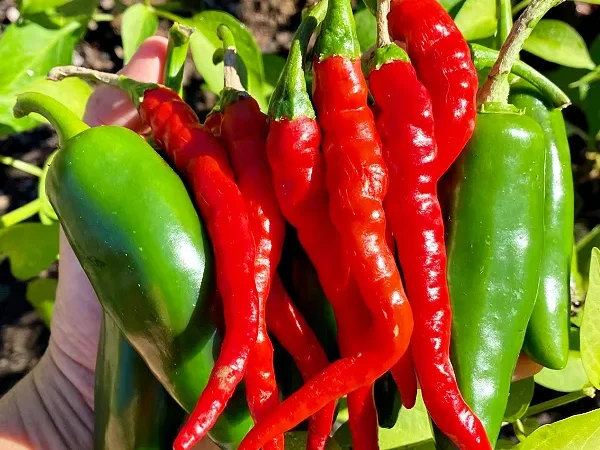
  • Shape: Long, slightly curved, and tapered.
  • Color: Pale green when young; ripens to orange-red.
  • Texture: Thin skin with crisp flesh.
  • Flavor: Sweet, mild, and just a touch spicy (100–1,000 Scoville Heat Units).

Unlike the more intense jalapeño or serrano, the Cubanelle’s subtlety allows it to blend into a dish without overpowering it — perfect for American palates that love flavor with balance.


2. Cubanelle vs. Bell Pepper: What’s the Difference?

At first glance, Cubanelle peppers might look like elongated bell peppers, but there are a few key differences:

FeatureCubanelle PepperBell Pepper
Heat LevelMild heat (100–1,000 SHU)No heat (0 SHU)
FlavorSweeter with a mild kickMild, sometimes grassy
TextureThinner wallsThick and crunchy
Cooking UsesFrying, stuffing, sautéingSalads, stir-fries, roasting

The Cubanelle is often referred to as the “frying pepper” because it softens quickly in the pan and caramelizes beautifully, making it a favorite for stir-fries, fajitas, and omelets.


3. The Flavor Profile: Sweet Heat in Every Bite

Cubanelle peppers offer a delightful contrast — they’re sweet like bell peppers yet carry a whisper of chili heat. The mild spice enhances savory recipes without dominating them, which is why they’re so popular in American, Italian, and Latin cuisines.

When roasted or grilled, their sugars caramelize, giving off a slightly smoky sweetness. In fresh form, they add crispness and a mild peppery note to salads or sandwiches.


4. Health and Nutrition Benefits

Cubanelle peppers are not only delicious but also packed with nutrients. Low in calories and fat-free, they’re a guilt-free way to add flavor and color to your meals.

Nutritional highlights (per 100g of raw Cubanelle pepper):

  • Calories: ~20
  • Vitamin C: Over 100% of your daily value
  • Vitamin A: Supports vision and immune health
  • Fiber: Promotes digestion
  • Antioxidants: Help reduce inflammation

Thanks to their combination of vitamins, minerals, and antioxidants, Cubanelle peppers support immune health, improve metabolism, and promote glowing skin.

In short — these peppers don’t just spice up your meals; they help you stay healthy, too.


5. Growing Cubanelle Peppers at Home

For those who love gardening, growing Cubanelle peppers in your backyard or on your balcony is surprisingly simple. They’re warm-weather plants that thrive in sunny spots and fertile, well-drained soil.

Step-by-step guide to growing Cubanelle peppers:

  1. Start Indoors: Begin seeds indoors about 8–10 weeks before the last frost date.
  2. Transplant Outdoors: Move seedlings outside once temperatures consistently stay above 65°F.
  3. Sunlight: Ensure at least 6–8 hours of sunlight daily.
  4. Watering: Keep soil moist but not waterlogged.
  5. Harvest: Pick peppers when they are pale green for a mild taste, or wait until they turn red for a sweeter flavor.

With regular care, you can enjoy a steady harvest throughout the summer. One healthy plant can yield up to 25 peppers in a season!


6. How to Use Cubanelle Peppers in the Kitchen

Cubanelle peppers are versatile and fit beautifully into both everyday and gourmet dishes. Here are some popular American and international ways to use them:

a. Classic American Stir-Fry

Slice Cubanelle peppers with onions and toss them with grilled chicken, beef, or tofu. Their mild flavor soaks up sauces beautifully, creating a balanced, slightly sweet stir-fry.

b. Stuffed Cubanelle Peppers

A comforting favorite: stuff them with rice, ground turkey, or cheese, then bake until tender. The pepper’s thin skin and mild sweetness make it a delicious alternative to traditional stuffed bell peppers.

c. Italian-Style Sautéed Peppers

Sauté Cubanelle strips in olive oil with garlic, onions, and tomatoes for a rustic side dish that pairs perfectly with pasta, steak, or grilled fish.

d. Breakfast Hash

Add chopped Cubanelle peppers to your morning eggs, hash browns, or breakfast burritos for a mild kick that brightens up your meal.

e. Roasted or Grilled

Toss them in olive oil, roast or grill until blistered, and sprinkle with sea salt — a simple, smoky snack or side that’s healthy and addictive.

f. Fresh in Salads

Use raw, thinly sliced Cubanelle peppers to add crunch and color to green salads, tacos, or wraps.


7. Storing and Preserving Cubanelle Peppers

To make the most of your harvest or store-bought batch, proper storage is key.

Short-term storage:

  • Keep fresh Cubanelle peppers in the refrigerator’s crisper drawer.
  • They’ll stay fresh for up to 7–10 days if unwashed and dry.

Long-term preservation:

  • Freeze: Slice and store in freezer bags for up to 6 months.
  • Pickle: Preserve in vinegar and herbs for a tangy, long-lasting condiment.
  • Dry: Dehydrate slices to make pepper flakes or powder.

By preserving them, you can enjoy their sweet flavor even during the off-season.


8. Cubanelle Pepper Substitutes

If you can’t find Cubanelle peppers at your local grocery store, try these excellent substitutes:

  1. Banana Peppers – Similar mild heat and sweetness.
  2. Anaheim Peppers – Slightly spicier, great for roasting.
  3. Bell Peppers – Sweet, mild, and widely available.
  4. Poblano Peppers – Earthier and meatier, suitable for stuffing.

Each option works depending on the dish and your desired spice level.


9. Where to Buy Cubanelle Peppers in the U.S.

Cubanelle peppers are commonly available in:

  • Major grocery chains like Walmart, Kroger, and Whole Foods
  • Farmers’ markets during summer
  • Latin American or Italian specialty stores
  • Online seed retailers (for home gardeners)

If you’re lucky enough to live in warmer states like Florida, Texas, or California, you might even find them fresh and local almost year-round.


10. Quick and Easy Cubanelle Pepper Recipe

Here’s a simple, healthy recipe that highlights the pepper’s sweet and mild flavor.

Sautéed Cubanelle Peppers with Onions and Garlic

Ingredients:

  • 4 Cubanelle peppers, sliced
  • 1 medium onion, sliced
  • 2 cloves garlic, minced
  • 2 tbsp olive oil
  • Salt and pepper to taste
  • Optional: crushed red pepper flakes for extra heat

Instructions:

  1. Heat olive oil in a skillet over medium heat.
  2. Add onions and sauté until translucent.
  3. Add garlic and sliced Cubanelle peppers.
  4. Cook for 8–10 minutes, stirring occasionally, until soft and slightly caramelized.
  5. Season with salt, pepper, and red pepper flakes.

Serve as a topping for sandwiches, steaks, or grilled chicken. It’s simple, flavorful, and quintessentially Mediterranean with an American twist.


11. Why Americans Love Cubanelle Peppers

From New York pizzerias to Florida beach grills, Cubanelle peppers have become a culinary favorite because they’re:

  • Mild enough for everyone
  • Easy to cook and incredibly versatile
  • Packed with nutrients
  • Beautiful in color and presentation

Their balance of sweetness and heat makes them a go-to ingredient for chefs who want depth without overpowering spice.


Conclusion: The Sweet Star of Your Kitchen

Cubanelle peppers might not grab headlines like the jalapeño or habanero, but they’re quietly becoming the hidden gem of American kitchens. With their mild sweetness, easy cooking style, and health benefits, these peppers can turn any meal into a colorful, flavorful experience.

Whether you’re a home gardener, foodie, or casual cook, adding Cubanelle peppers to your pantry — or your backyard — is a small choice that brings big rewards.

Cayenne Pepper The Fiery Spice Powerhouse for Health, Flavor, and Natural Energy

Cayenne Pepper The Fiery Spice Powerhouse for Health, Flavor, and Natural Energy

Cayenne pepper isn’t just a kitchen staple—it’s a fiery superfood that’s earned a permanent place in American homes, restaurants, and wellness routines. From spicing up a bowl of chili to boosting metabolism in a morning smoothie, cayenne adds more than heat—it adds health benefits, vibrancy, and natural vitality.

In this guide, we’ll explore the origins of cayenne pepper, its powerful nutritional benefits, growing tips for home gardeners, and creative ways to use it in cooking and wellness. Whether you’re a foodie, health enthusiast, or home grower, cayenne pepper deserves a top spot in your life.


What Is Cayenne Pepper?

Cayenne pepper (Capsicum annuum) is a hot chili variety native to Central and South America, now grown across the U.S.—especially in warm regions like California, Texas, and Florida. The pepper gets its name from the city of Cayenne in French Guiana.

With a heat rating between 30,000 to 50,000 Scoville Heat Units (SHU), cayenne peppers bring a bright, clean, and intense heat that’s ideal for seasoning soups, stews, sauces, and dry rubs. When dried and ground, it becomes the bold red powder that gives everything from Buffalo wings to spicy tacos their kick.


Nutritional Powerhouse: What’s Inside Cayenne Pepper?

Cayenne pepper’s heat comes from capsaicin, a natural compound with powerful health properties. But that’s just the beginning. Each fiery pod is loaded with essential nutrients:

  • Vitamin C – Strengthens immunity and promotes glowing skin.
  • Vitamin A – Supports vision and skin health.
  • Vitamin E – Acts as an antioxidant that protects cells.
  • Vitamin B6 – Aids in energy metabolism.
  • Potassium & Manganese – Support muscle and bone health.
  • Capsaicin – The star compound known for pain relief, fat-burning, and anti-inflammatory effects.

A small dash of cayenne goes a long way in delivering these benefits without adding calories or fat.


Top Health Benefits of Cayenne Pepper

1. Boosts Metabolism and Fat Burning

Cayenne pepper is famous for its thermogenic effects. Capsaicin increases your body temperature slightly, prompting your system to burn more calories. Studies suggest that regular consumption can support weight management and fat oxidation—especially when combined with exercise.

2. Improves Digestion

Contrary to the myth that spicy foods upset your stomach, cayenne pepper can actually stimulate digestive enzymes and improve gut health. It increases gastric juices, helping break down food more efficiently.

3. Supports Heart Health

Capsaicin may help lower cholesterol levels and improve blood circulation. By preventing plaque buildup and promoting better vessel function, cayenne supports cardiovascular wellness.

4. Relieves Pain Naturally

Cayenne-based creams and balms are widely used in the U.S. for joint pain, arthritis, and sore muscles. Capsaicin blocks pain signals from nerves, offering relief without medication.

5. Boosts Immunity

With its high vitamin C and beta-carotene content, cayenne strengthens the immune system and helps ward off seasonal illnesses.

6. Clears Congestion and Sinus Issues

A warm cup of lemon water with a pinch of cayenne can clear nasal passages, break down mucus, and fight sinus infections naturally.


How to Grow Cayenne Peppers at Home

If you love gardening or want to try your hand at growing hot peppers, cayenne is one of the easiest and most rewarding varieties to cultivate in your backyard or balcony garden.

1. Choose the Right Spot

Cayenne peppers thrive in full sunlight and well-drained soil. Select a location that gets at least 6–8 hours of sun daily.

2. Start with Seeds or Seedlings

Start seeds indoors about 8–10 weeks before the last frost date. Once seedlings are 6 inches tall and nighttime temperatures stay above 55°F, transplant them outdoors.

3. Soil and Watering

Use nutrient-rich soil with a slightly acidic pH (6.0–6.5). Keep the soil consistently moist but not soggy. Overwatering can lead to root rot.

4. Fertilizing

Feed plants with an organic vegetable fertilizer or compost every few weeks. A fertilizer high in potassium and phosphorus will encourage better fruit production.

5. Harvesting

Cayenne peppers turn from green to bright red when ripe, typically 70–90 days after transplanting. Harvest with scissors to avoid damaging the plant.

6. Drying and Storing

You can air-dry cayenne peppers by hanging them in a warm, ventilated space, or use a dehydrator. Once dry, grind them into powder or store whole in airtight jars.


Delicious Ways to Use Cayenne Pepper

Cayenne pepper is an all-American favorite in kitchens—from Louisiana’s spicy Cajun dishes to Tex-Mex tacos and Buffalo sauces. Here are some creative ways to bring the heat:

1. Add to Morning Drinks

Start your day with a metabolism-boosting drink—mix warm water, lemon juice, honey, and a pinch of cayenne. It jumpstarts digestion and energizes your morning.

2. Spice Up Meals

Sprinkle cayenne powder over:

  • Roasted vegetables
  • Chicken or fish marinades
  • Scrambled eggs or omelets
  • Popcorn for a spicy snack

3. Homemade Hot Sauce

Blend cayenne peppers with garlic, vinegar, and salt for a homemade hot sauce that beats store-bought versions.

4. Soups and Stews

Add a touch of cayenne to soups, stews, and chili recipes for depth and warmth without overwhelming the dish.

5. Desserts with a Twist

Try a pinch of cayenne in hot chocolate, brownies, or truffles—the contrast between sweet and heat is irresistible.


Cayenne Pepper for Wellness and Beauty

Beyond the kitchen, cayenne has made its mark in natural health remedies and DIY beauty treatments across the U.S.

Pain Relief Creams

Mix cayenne powder with coconut oil and beeswax to create a soothing topical balm for sore muscles and joint pain.

Hair Growth Booster

Cayenne improves scalp circulation, stimulating hair follicles. Combine a small amount with olive oil, massage gently, and rinse after 15 minutes.

Detox and Cleansing

Many natural detox drinks include cayenne pepper to enhance circulation and toxin elimination. Just remember—start with a small amount!


Safety and Precautions

While cayenne pepper is highly beneficial, a little goes a long way.

  • Always wash hands thoroughly after handling fresh peppers.
  • Avoid contact with eyes and sensitive skin.
  • People with ulcers or acid reflux should consult a doctor before regular use.
  • If using capsaicin creams, apply only on unbroken skin.

The Role of Cayenne in American Cuisine and Culture

From the Creole kitchens of Louisiana to health-conscious smoothie bars in California, cayenne pepper plays a starring role in American food culture. It bridges traditional spice heritage with modern health trends, appearing in everything from spicy chicken wings to wellness shots.

American chefs love cayenne for its versatility—it enhances flavor without overpowering, complements smoky barbecue sauces, and brings life to otherwise bland dishes. The pepper’s rise in the U.S. wellness scene also mirrors the nation’s growing interest in natural, plant-based nutrition.


Final Thoughts: Embrace the Heat, Reap the Rewards

Cayenne pepper is far more than a fiery spice—it’s a natural energizer, a healing aid, and a symbol of bold American flavor. Whether you grow it in your backyard, sprinkle it on your meals, or use it in wellness routines, cayenne can transform your diet and your health.

So, the next time you reach for the spice rack, don’t shy away from the heat. A dash of cayenne can awaken your taste buds, fire up your metabolism, and remind you that sometimes—the hottest things in life are also the healthiest.

How to Grow Habanero Peppers A Fiery Guide to Cultivating Heat and Flavor in Your Backyard Garden

How to Grow Habanero Peppers A Fiery Guide to Cultivating Heat and Flavor in Your Backyard Garden

If you love the thrill of spicy food and dream of growing your own fiery peppers, the Habanero deserves a special spot in your backyard or patio garden. Known for its intense heat and fruity, citrus-like flavor, this iconic pepper adds boldness to salsas, hot sauces, marinades, and spicy dishes. Native to the Amazon region and popular across the Caribbean and southern United States, the Habanero pepper is one of the hottest and most rewarding crops for American gardeners who crave a little heat.

In this detailed growing guide, we’ll explore everything you need to know about how to grow Habanero peppers successfully—from soil prep and seed starting to harvest and storage—plus tips on handling the spice safely and making your own homemade hot sauce.


What Makes Habanero Peppers Special?

The Habanero (Capsicum chinense) is famous for its fiery heat level, ranging from 100,000 to 350,000 Scoville Heat Units (SHU)—that’s 70 times hotter than a jalapeño! Yet beneath the heat lies a delightful fruity flavor with hints of citrus and apricot, making it a favorite for hot sauces and Caribbean cuisine.

Common varieties include:

  • Orange Habanero: Classic, bright orange, with intense heat and a fruity punch.
  • Red Habanero: Slightly sweeter but just as hot.
  • Chocolate Habanero: Dark brown pods with a smoky, rich flavor.
  • White Habanero: Smaller and milder, with a tangy, tropical taste.

These peppers thrive in warm, sunny climates and are perfect for regions across the southern U.S., though gardeners in cooler areas can grow them easily in containers or greenhouses.


The Ideal Growing Conditions for Habanero Peppers

1. Temperature:
Habaneros are tropical plants that love heat. The ideal growing temperature is 75°F to 90°F (24°C to 32°C). Avoid planting until nighttime temperatures stay above 60°F (16°C).

2. Sunlight:
Full sun is crucial—your plants need at least 6 to 8 hours of direct sunlight daily. If you’re growing indoors, use grow lights to provide consistent illumination.

3. Soil Requirements:
Habaneros prefer well-drained, loamy soil rich in organic matter.

  • pH range: 6.0 to 6.8
  • Mix in compost or aged manure to boost fertility.
  • Avoid soggy soil—root rot can occur if drainage is poor.

4. Spacing:
When transplanting outdoors, space plants 18 to 24 inches apart with 2 to 3 feet between rows. Good airflow helps prevent fungal diseases.


Starting Habanero Peppers from Seed

Because Habaneros take a long time to mature—often 90 to 120 days from transplanting—start seeds indoors 8–10 weeks before your last frost date.

Steps for seed starting:

  1. Use quality seeds: Purchase from reputable seed companies for better germination.
  2. Planting depth: Sow seeds about ¼ inch deep in seed trays filled with light seed-starting mix.
  3. Temperature: Maintain 80°F to 85°F (27°C to 29°C) for best germination. Using a heat mat can help.
  4. Moisture: Keep the soil consistently moist but not waterlogged.
  5. Germination time: Expect sprouts in 10–21 days, depending on conditions.

Once seedlings develop 2–3 sets of true leaves, transplant them into 3-inch pots until outdoor temperatures are suitable.


Transplanting and Outdoor Care

1. Hardening Off:
Before transplanting outdoors, gradually acclimate seedlings to sunlight and outdoor conditions over 7–10 days.

2. Planting:
Transplant in late spring once soil is warm (above 70°F). Add compost or slow-release fertilizer at planting time.

3. Watering:
Keep the soil evenly moist—about 1 inch of water per week. Avoid overwatering; soggy roots can lead to diseases. Mulch around plants to retain moisture and suppress weeds.

4. Fertilizing:
Feed your Habaneros every 2–3 weeks with a balanced fertilizer (10-10-10) during the early growth phase.
Once plants begin to flower, switch to a phosphorus-rich fertilizer (5-10-10) to encourage fruiting.


Flowering and Pollination Tips

Habaneros self-pollinate, but pollinators like bees can improve yield. If you’re growing indoors or in a greenhouse, gently shake the flowers or use a small brush to transfer pollen manually.

Avoid using pesticides that can harm pollinators—opt for organic pest management instead.


Pest and Disease Management

Common pests include:

  • Aphids: Control with neem oil or insecticidal soap.
  • Spider Mites: Keep humidity high and spray leaves with water regularly.
  • Whiteflies: Use yellow sticky traps and neem-based sprays.

Diseases like bacterial leaf spot and powdery mildew can affect Habaneros. Ensure proper spacing, avoid overhead watering, and remove infected leaves promptly. Crop rotation also helps prevent soil-borne diseases.


Harvesting Your Habanero Peppers

Habaneros are ready for harvest when they turn bright orange, red, or chocolate brown, depending on the variety. The fruits are typically 1–2 inches long with a waxy, glossy skin.

Harvesting tips:

  • Use pruning shears to snip peppers—pulling by hand can damage the plant.
  • Harvest regularly to encourage more fruiting.
  • For maximum heat, let the peppers stay on the plant until fully mature.

Safety Tips When Handling Habaneros

Habaneros pack a serious punch! Their capsaicin can irritate skin and eyes.
Always:

  • Wear gloves when harvesting or cutting peppers.
  • Avoid touching your face, especially your eyes.
  • Wash hands thoroughly with soap after handling.

How to Store and Preserve Habanero Peppers

You can store fresh Habaneros in the refrigerator for up to two weeks. For long-term preservation:

  • Freeze: Wash, dry, and freeze whole or sliced peppers.
  • Dry: Use a dehydrator or oven to make dried flakes or powder.
  • Pickle: Slice peppers and store in vinegar brine with garlic and herbs.
  • Hot sauce: Blend fresh peppers with vinegar, garlic, salt, and fruit for a homemade fiery condiment.

Creative Culinary Uses for Habaneros

Habaneros bring bold flavor to countless dishes. Some tasty ideas include:

  • Mango Habanero Salsa: Sweet and spicy perfection for tacos or chips.
  • Habanero Hot Sauce: Blend with carrots, onions, garlic, and vinegar.
  • Spicy BBQ Marinade: Add a smoky kick to grilled meats or veggies.
  • Habanero Honey Glaze: A sweet-heat twist for wings or roasted vegetables.

Remember: a little goes a long way! Start with small amounts and adjust to taste.


Growing Habaneros in Containers

Urban gardeners can easily grow Habaneros in pots or grow bags. Choose containers at least 12–14 inches wide and deep.

  • Use well-draining potting soil.
  • Place pots in full sun (balcony, patio, or windowsill).
  • Fertilize monthly and prune lightly for bushier growth.

Container-grown Habaneros can even be overwintered indoors, allowing you to enjoy peppers year after year.


Sustainability Tip: Save Your Habanero Seeds

After harvest, save seeds from the healthiest fruits.

  1. Cut open ripe peppers and remove seeds.
  2. Rinse and dry them for 7–10 days.
  3. Store in a cool, dry place in labeled envelopes.

You’ll be ready for next year’s planting season without buying new seeds!


Final Thoughts: Bringing the Heat Home

Growing Habanero peppers isn’t just about spice—it’s about cultivating a rewarding, flavor-packed plant that adds excitement to your garden and kitchen. With a bit of warmth, patience, and care, you can harvest vibrant peppers bursting with fiery intensity and tropical aroma.

Whether you’re crafting homemade hot sauce, sprinkling dried flakes over pizza, or experimenting with spicy salsas, your homegrown Habaneros will deliver unbeatable freshness and flavor straight from the garden to your table.

How to Grow Jalapeño Peppers in the USA The Ultimate 10-Step Guide for Spicy, Flavor-Packed Harvests

How to Grow Jalapeño Peppers in the USA The Ultimate 10-Step Guide for Spicy, Flavor-Packed Harvests

Nothing spices up a garden — or a meal — quite like jalapeño peppers. Known for their perfect balance of heat and flavor, jalapeños (Capsicum annuum) are one of America’s favorite chili peppers. They’re easy to grow, versatile in cooking, and ideal for gardeners from Texas to California to Florida.

Whether you’re making homemade salsa, pickled jalapeños, or stuffed poppers, growing your own ensures unbeatable freshness and flavor. This comprehensive guide covers everything you need to know — from planting and care to harvesting and preserving — so you can grow lush jalapeño plants right in your backyard, patio, or greenhouse.


1. Why Grow Jalapeños at Home?

Jalapeños are among the most rewarding peppers for American gardeners. They’re hardy, highly productive, and perfect for small spaces or containers.

Top Benefits:

Compact plants: Grow well in garden beds or pots.
Quick harvests: Ready in as little as 70–90 days from transplanting.
Endless culinary uses: Fresh, pickled, roasted, or dried.
High nutrition: Loaded with vitamin C, antioxidants, and capsaicin.
Great for warm climates: Thrives in U.S. growing zones 8–11.

Jalapeños also add an ornamental touch — with glossy green leaves, white flowers, and vibrant red or green pods hanging like jewels.


2. Understanding Jalapeño Pepper Varieties

Before you plant, choose a variety that matches your garden conditions and flavor preferences.

Popular Jalapeño Varieties in the USA:

  1. Early Jalapeño: Fast-maturing; ideal for short growing seasons (70 days).
  2. Jalapeño M: Classic medium-hot variety; perfect for fresh eating and pickling.
  3. Mucho Nacho: Larger pods with slightly more heat; great for stuffing.
  4. TAM Mild Jalapeño: Developed in Texas A&M; mild flavor for sensitive palates.
  5. Purple Jalapeño: Unique color, ornamental, and flavorful.
  6. Craig’s Grande: Heavy producer with thick-walled fruits, great for grilling.

Each variety offers a Scoville Heat Unit (SHU) range between 2,500–8,000, striking the perfect balance of flavor and spice.


3. Ideal Growing Conditions for Jalapeños in the USA

Jalapeños love heat, sunshine, and well-draining soil. They’re native to Mexico, but they adapt beautifully to most U.S. climates with the right care.

Best USDA Zones:

Zones 8–11: Can grow year-round or as warm-season crops.
Zones 5–7: Start seeds indoors and transplant after frost.
Zones 3–4: Grow in containers and move indoors during cold spells.

Temperature Range:

  • Daytime: 70–85°F (21–29°C)
  • Nighttime: Above 60°F (15°C)
  • Soil: 70°F or warmer for germination

Jalapeños cannot tolerate frost, so wait until all danger of frost has passed before planting outdoors.


4. Starting Jalapeños from Seed

Growing from seed allows you to choose from a wide range of varieties and ensures stronger plants.

Steps for Seed Starting:

  1. Start seeds 8–10 weeks before the last frost indoors.
  2. Sow seeds ¼ inch deep in seed trays or small pots with seed-starting mix.
  3. Maintain soil temperature around 75–85°F using a heating mat if needed.
  4. Keep soil moist but not soggy; germination takes 10–14 days.
  5. Once seedlings have 2–3 true leaves, transplant into 4-inch pots to promote strong root systems.

Tip: Use grow lights to provide 14–16 hours of light per day — essential for healthy seedling development.


5. Transplanting Jalapeños Outdoors

After your seedlings are strong and the soil is warm, it’s time to transplant them into the garden or containers.

Steps:

  1. Harden off plants by exposing them to outdoor conditions for 5–7 days.
  2. Choose a sunny, sheltered location with at least 6–8 hours of direct sunlight.
  3. Space plants 18–24 inches apart in rows 2–3 feet apart.
  4. Mix compost or aged manure into the soil before planting.
  5. Water thoroughly after transplanting.

For container growing, use 5-gallon pots with good drainage holes.


6. Soil and Watering Requirements

Jalapeños love rich, loamy soil that holds moisture but drains well.

Soil Conditions:

  • pH: 6.0–6.8
  • Add organic compost for nutrients and structure.
  • Avoid overly sandy or clay-heavy soil.

Watering Tips:

  • Keep soil consistently moist, but don’t overwater.
  • Water deeply 1–2 times a week.
  • Avoid wetting leaves to prevent fungal issues.
  • Mulch around plants to conserve moisture and suppress weeds.

Pro Tip: Inconsistent watering can cause peppers to become bitter or cracked.


7. Feeding and Fertilizing Jalapeños

Jalapeños are moderate feeders — too much nitrogen leads to leafy growth but fewer peppers.

Fertilizer Schedule:

  1. At planting: Use a balanced fertilizer (10-10-10) or compost.
  2. Mid-season: Apply phosphorus-rich fertilizer (5-10-10) to encourage flowering.
  3. During fruiting: Feed with potassium-based organic fertilizer every 3–4 weeks.

Fish emulsion or compost tea is also an excellent organic boost.


8. Pruning and Supporting Jalapeño Plants

While jalapeños are compact, pruning encourages airflow, stronger stems, and better fruit yield.

Pruning Tips:

  • Remove lower leaves touching the soil to prevent disease.
  • Pinch off early flowers to help plants focus on growth.
  • Lightly prune excessive branches for better sunlight penetration.

If your plants grow tall or produce heavy fruits, use stakes or tomato cages for support.


9. Pests and Diseases to Watch For

Jalapeños are generally hardy but can attract common garden pests.

Common Pests:

  • Aphids
  • Spider mites
  • Pepper weevils
  • Cutworms
  • Whiteflies

Control Tips:

  • Spray with neem oil or insecticidal soap weekly.
  • Encourage beneficial insects like ladybugs.
  • Keep weeds down to discourage pest habitats.

Diseases:

  • Blossom-end rot: Caused by calcium deficiency and inconsistent watering.
  • Powdery mildew: Prevent by ensuring airflow and avoiding wet leaves.
  • Bacterial spot: Rotate crops yearly and use disease-free seeds.

Healthy soil, regular pruning, and proper spacing will minimize most issues.


10. Harvesting Jalapeños

The most exciting part — harvesting your homegrown peppers!

When to Harvest:

  • Green jalapeños: 70–80 days after transplanting; firm and glossy.
  • Red jalapeños: Left to ripen fully on the plant (hotter and sweeter).

Pick peppers when they are 3–4 inches long, firm, and shiny. Use scissors or pruning shears to avoid damaging the plant.

Pro Tip:

If you notice small brown lines (called “corking”) on the skin — that’s a sign of maturity and maximum heat!


11. Post-Harvest Handling and Storage

Store freshly picked jalapeños in the refrigerator for up to 10 days. For long-term use:

Preservation Methods:

  • Freezing: Slice and freeze raw or roasted peppers in airtight bags.
  • Pickling: Classic American method — store in vinegar brine for months.
  • Drying: Hang or use a dehydrator to make chili flakes or powder.
  • Smoking: Create your own chipotle peppers by smoking ripe red jalapeños over hickory wood.

Each method preserves the bold, spicy flavor of homegrown peppers.


12. Nutritional and Culinary Highlights

Jalapeños aren’t just fiery — they’re packed with health benefits.

Nutritional Value (per 100g):

  • Calories: 29
  • Vitamin C: 182% DV
  • Vitamin A: 20% DV
  • Fiber: 2.8g
  • Capsaicin: Natural anti-inflammatory compound

Culinary Uses:

  • Fresh in salsas, nachos, tacos, and burgers
  • Stuffed with cheese for jalapeño poppers
  • Pickled as toppings for hot dogs, sandwiches, and pizza
  • Blended into hot sauces and marinades
  • Smoked or roasted for rich, smoky heat

From Tex-Mex favorites to backyard BBQs, jalapeños bring authentic American spice to the table.


13. Overwintering Jalapeño Plants

In warm states like Florida, California, and Texas, jalapeños can survive multiple seasons.

To overwinter:

  1. Before frost, move container plants indoors to a sunny window.
  2. Trim back ⅓ of the plant to reduce stress.
  3. Water sparingly during winter dormancy.
  4. Move outdoors again once temperatures exceed 60°F consistently.

This way, your plants will grow even stronger the following year.


14. Fun Fact: America’s Love Affair with Jalapeños

The jalapeño is the official state pepper of Texas and a staple in American cuisine. From Super Bowl snacks to summer BBQs, the U.S. consumes over 200 million pounds of jalapeños annually!

Their adaptability to American climates makes them one of the easiest and most rewarding peppers for home gardeners across the country.


Conclusion: Spice Up Your Garden with Homegrown Jalapeños

Growing jalapeños in your home garden is one of the most satisfying (and spicy!) experiences you can have. These heat-loving peppers are simple to care for, thrive in most U.S. regions, and yield bountiful harvests that last all summer.

Whether you’re a beginner gardener or a seasoned grower, jalapeños deliver flavor, color, and a fiery kick to your garden and kitchen alike.

So grab your seeds, prep that sunny garden bed, and get ready to enjoy fresh, flavorful jalapeños straight from your backyard!

How to Grow Pumpkins Vertically on a Trellis The Ultimate American Gardener’s Guide for Space-Saving, High-Yield Harvests

How to Grow Pumpkins Vertically on a Trellis The Ultimate American Gardener’s Guide for Space-Saving, High-Yield Harvests

When most people imagine pumpkins, they picture sprawling vines taking over the garden — stretching across lawns, pathways, and even fences. But what if you could grow these fall favorites upward instead of outward?

Welcome to the world of vertical pumpkin gardening — an innovative, space-saving method that’s gaining popularity across the United States. Whether you live in an urban area with limited yard space or simply want to add a stunning feature to your garden, growing pumpkins on a vertical trellis offers both beauty and practicality.

Not only does vertical gardening save space, but it also promotes healthier vines, improves air circulation, and keeps your pumpkins clean and evenly shaped.

This detailed guide will walk you through everything you need to know about how to grow pumpkins vertically in American climates, from choosing the right variety and building a sturdy trellis to supporting heavy fruits and maximizing your harvest.


1. Why Grow Pumpkins Vertically?

Growing pumpkins on a trellis may sound unusual, but it’s a brilliant technique that works exceptionally well with the right setup.

Key Benefits:

Space efficiency: Perfect for small backyards, balconies, and raised beds.
Better airflow: Reduces fungal diseases and rot.
Cleaner fruits: Keeps pumpkins off the soil, preventing pest damage.
Easier harvest: Pods hang visibly and are easy to pick.
Decorative appeal: Creates a stunning living wall of green vines and orange fruit.

In short, vertical pumpkin gardening combines beauty and functionality, ideal for modern American home gardens.


2. Choosing the Right Pumpkin Varieties for Trellising

Not all pumpkins are suitable for growing vertically. Since large varieties can be too heavy for a trellis, it’s best to choose small or medium-sized types that produce compact fruits.

Best Trellis-Friendly Pumpkin Varieties:

  1. Jack Be Little: Mini pumpkins, 3–4 inches wide; perfect for ornamental displays.
  2. Baby Boo: Tiny white pumpkins, ideal for decor and kids’ gardens.
  3. Sugar Pie: Classic sweet pumpkins, great for pies and baking.
  4. Wee-B-Little: Compact vines and fruits about 1 pound each.
  5. Small Sugar: Delicious, smaller pumpkins perfect for vertical systems.

Avoid huge carving varieties like Big Max or Atlantic Giant — they’ll overwhelm your trellis!


3. When and Where to Plant Pumpkins in the USA

Pumpkins thrive in warm weather and full sun, making them ideal for most U.S. regions during summer.

Best USDA Growing Zones:

  • Zones 3–6: Start seeds indoors 3–4 weeks before the last frost.
  • Zones 7–10: Sow seeds directly outdoors once soil temperatures reach 70°F or higher.

Best Planting Time:

  • Southern U.S.: March to June
  • Midwest & Northern U.S.: Late May to early July
  • Warm coastal areas (like California): Almost year-round

Choose a sunny location that receives at least 6–8 hours of direct sunlight daily.


4. Preparing the Soil for Vertical Pumpkin Growth

Pumpkins are heavy feeders that need rich, well-draining soil to produce vigorous vines and large fruits.

Soil Requirements:

  • pH: 6.0–6.8
  • Type: Loamy soil enriched with compost
  • Fertility: Add aged manure or organic compost before planting.
  • Drainage: Ensure the soil drains well to prevent root rot.

Tip: Create small mounds or raised beds to encourage warmth and better drainage.


5. Building a Sturdy Vertical Trellis for Pumpkins

Since pumpkins produce heavy fruits, your trellis must be strong and well-anchored to support the vines and pumpkins.

Best Trellis Designs:

  1. A-Frame Trellis:
    • Built from wood or metal; offers strong triangular support.
    • Perfect for raised beds and compact gardens.
  2. Arch Trellis:
    • Made from cattle panels or garden mesh.
    • Ideal for large gardens; pumpkins hang beautifully from the arch.
  3. Vertical Ladder Trellis:
    • Works well for smaller pumpkin varieties.
    • Can be leaned against a wall or fence.

Materials:

  • Metal or PVC pipes
  • Heavy-duty garden mesh or cattle panels
  • Zip ties, ropes, or garden twine for securing vines

Pro Tip: Reinforce your trellis legs at least 12–18 inches deep into the soil to withstand wind and fruit weight.


6. Planting and Training Pumpkin Vines

Once your trellis is ready, it’s time to plant your seeds.

How to Plant:

  1. Plant 2–3 seeds per mound, spacing each mound about 3–4 feet apart.
  2. Cover seeds 1 inch deep in soil.
  3. Once seedlings have 2–3 true leaves, thin to the strongest plant per mound.

Training the Vines:

As vines grow, guide them upward onto the trellis:

  • Use soft ties or twine to secure vines loosely.
  • Gently wrap tendrils around the trellis structure.
  • Prune side shoots if growth becomes too dense.

Training ensures that your vines grow upward efficiently and receive good airflow.


7. Watering and Feeding for Vertical Pumpkins

Watering:

Pumpkins love consistent moisture but hate soggy roots.

  • Water deeply once or twice a week.
  • Use drip irrigation or a soaker hose to avoid wetting leaves.
  • Mulch around the base with straw or leaves to retain moisture.

Feeding:

Pumpkins are heavy feeders — especially when fruiting.

  1. Use a balanced fertilizer (10-10-10) when vines start growing.
  2. Switch to a phosphorus-rich fertilizer (5-10-10) during flowering and fruit set.
  3. Side-dress with compost every 3–4 weeks for steady nutrition.

8. Pollination and Flowering

Pumpkin plants produce both male and female flowers, often requiring pollination to set fruit.

How to Identify:

  • Male flowers: Thin stems, appear first.
  • Female flowers: Have a small swelling (baby pumpkin) beneath the blossom.

If bees are scarce, hand pollinate by transferring pollen from a male flower to a female flower using a small brush or by direct contact.


9. Supporting Pumpkins on the Trellis

As pumpkins grow, they’ll need support slings to prevent fruit from pulling off the vine.

How to Support Fruits:

  • Use old T-shirts, mesh bags, or pantyhose to cradle pumpkins.
  • Tie the sling ends to the trellis for support.
  • Check weekly and adjust as fruits grow larger.

This simple step prevents vine breakage and ensures evenly shaped pumpkins.


10. Common Pests and Diseases

Even when grown vertically, pumpkins can face challenges.

Common Pests:

  • Squash bugs
  • Aphids
  • Cucumber beetles
  • Vine borers

Prevention Tips:

  • Inspect leaves weekly.
  • Use neem oil spray or insecticidal soap.
  • Plant marigolds or nasturtiums nearby as natural repellents.

Common Diseases:

  • Powdery mildew
  • Downy mildew
  • Anthracnose

Keep vines dry, space plants properly, and ensure airflow to reduce fungal issues.


11. Harvesting Your Vertical Pumpkins

Most pumpkin varieties are ready for harvest 90–120 days after planting.

How to Know When They’re Ready:

  • The skin is firm and deep in color.
  • The rind resists puncture by a fingernail.
  • The stem begins to dry and turn brown.

Cut the pumpkin from the vine, leaving 2–4 inches of stem attached — this helps extend storage life.

Storage Tips:

  • Cure pumpkins in a warm, dry place (80°F) for 10 days.
  • Store in a cool, dry area (50–60°F) for up to 3 months.

12. Decorating and Cooking Ideas

Vertical pumpkins aren’t just garden marvels — they’re perfect for decoration and dining!

Decorative Uses:

  • Autumn porch displays
  • Halloween carving
  • Thanksgiving centerpieces

Culinary Uses:

  • Pumpkin soup or pie
  • Roasted pumpkin with herbs
  • Pumpkin bread or muffins
  • Stuffed mini pumpkins

These small, trellis-grown varieties are flavorful and easy to prepare — perfect for American fall recipes!


13. Eco-Friendly Benefits of Vertical Pumpkin Gardening

Growing pumpkins vertically is not only beautiful but also eco-conscious:
Reduces soil compaction and erosion
Maximizes small-space productivity
Minimizes pest habitat
Encourages pollinators and biodiversity

It’s a sustainable, modern approach that fits perfectly with urban homesteading and backyard gardening trends across the U.S.


Conclusion: Reach New Heights with Vertical Pumpkin Gardening

Vertical pumpkin gardening proves that bigger isn’t always better — smarter is! By growing your pumpkins upward, you’ll save space, reduce disease, and enjoy a strikingly unique garden setup that produces abundant, healthy fruit.

Whether you live in a suburban backyard in Texas or a compact balcony in California, you can grow your own sweet, vibrant pumpkins on a trellis with just a few simple steps.

So this fall, grab your seeds, build your trellis, and watch your pumpkins climb their way to glory — one vine at a time!
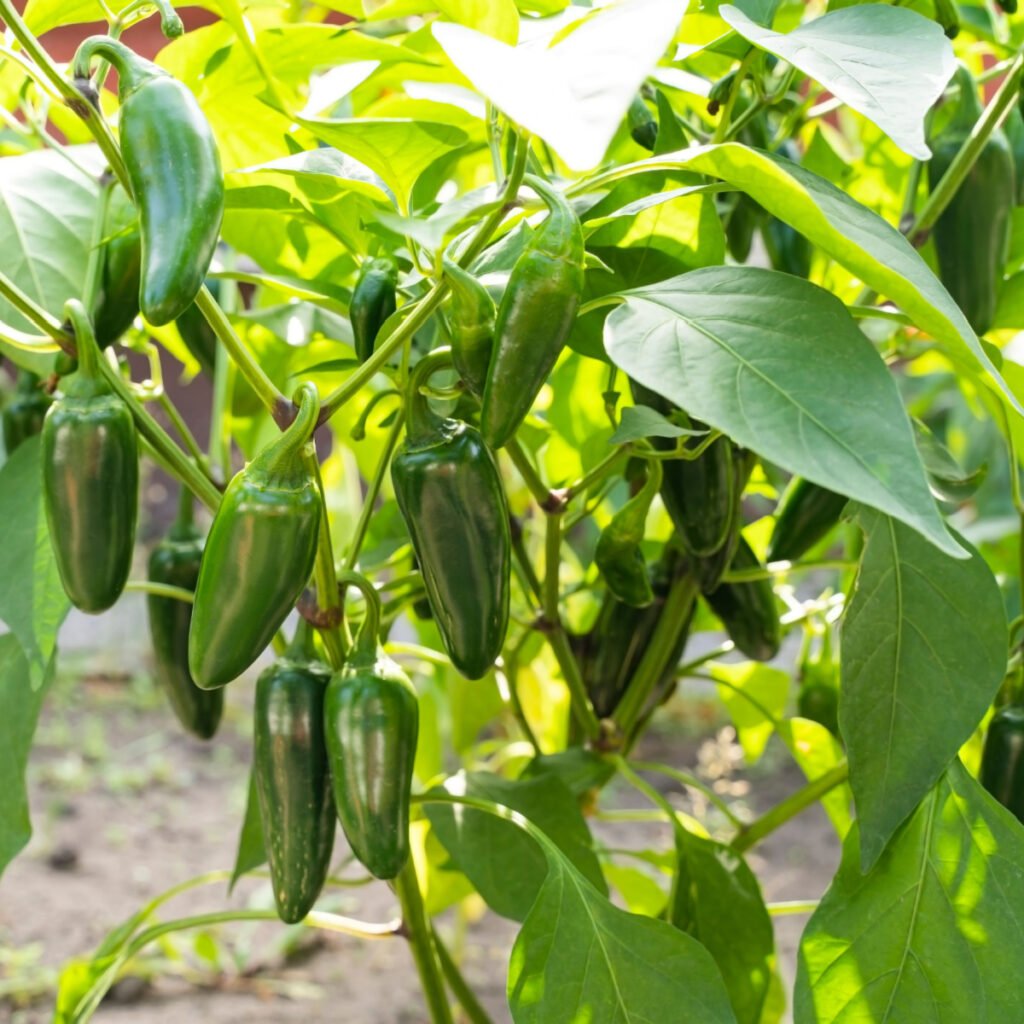
How to Grow Yardlong Beans in the USA A Complete Guide to Planting, Caring, and Harvesting This Asian Super Crop

How to Grow Yardlong Beans in the USA A Complete Guide to Planting, Caring, and Harvesting This Asian Super Crop

If you’re looking for a vegetable that thrives in the summer heat, produces abundantly, and adds an exotic flair to your garden, yardlong beans are your perfect match. Also known as asparagus beans, Chinese long beans, or snake beans, these tropical vines are loved for their remarkable length — pods that can stretch up to three feet long!
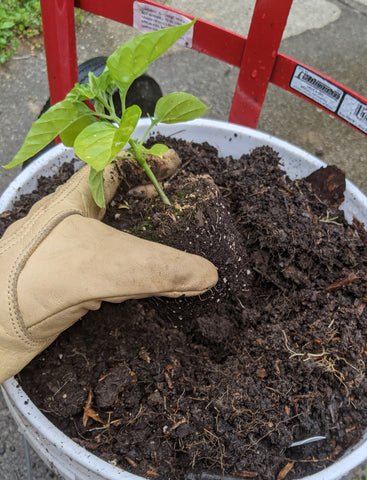
Native to Southeast Asia, yardlong beans (Vigna unguiculata subsp. sesquipedalis) are heat-loving legumes that grow vigorously in warm American climates. Their tender, flavorful pods are packed with vitamins A and C, fiber, and plant protein, making them a favorite among home gardeners and chefs alike.

This comprehensive guide will teach you how to grow, care for, and harvest yardlong beans successfully in the U.S., along with the best planting tips, pest control strategies, and delicious ways to enjoy your harvest.


1. What Are Yardlong Beans?

Despite their name, yardlong beans rarely reach a full yard in length — but their pods regularly grow 18–30 inches, which is still impressive!

They belong to the cowpea family, making them close relatives of black-eyed peas. The plants are vigorous climbers, producing clusters of slender green (or sometimes purple) pods that grow in pairs.

Common names:

  • Chinese long beans
  • Asparagus beans
  • Snake beans
  • Bora (in Caribbean regions)

These beans have a crisp, nutty flavor when lightly cooked and stay tender even when long, unlike regular green beans that become tough with maturity.


2. Ideal Climate and Growing Zones in the USA

Yardlong beans love heat and humidity, making them an excellent choice for American gardeners in southern and coastal regions.

Best USDA Zones:

  • Zones 8–11: Grow year-round or as summer crops.
  • Zones 6–7: Grow as annuals during the warmest months.
  • Northern states: Start seeds indoors or in greenhouses and transplant after frost.

Best growing regions:

  • Florida, Texas, Louisiana, Alabama, Georgia, South Carolina, southern California, and Arizona.

Yardlong beans require warm soil (at least 70°F) and daytime temperatures between 80°F–95°F for optimal growth.


3. How to Plant Yardlong Beans

Planting yardlong beans is simple and rewarding. Once established, they grow quickly and produce heavily until frost.

a. Choosing the Right Variety

Popular U.S. varieties include:

  • Red Noodle: Deep red-purple pods, tender and sweet.
  • Gita: Long green pods, crisp texture, early-maturing.
  • Orient Wonder: Heat-tolerant, prolific producer, great for small gardens.

b. Soil Preparation

Yardlong beans thrive in well-draining, fertile soil rich in organic matter.

Ideal soil conditions:

  • pH: 6.0–7.5
  • Add compost or aged manure before planting.
  • Avoid excessive nitrogen — it promotes leaf growth but reduces pod production.

c. Planting Seeds

  1. Wait until 2–3 weeks after the last frost, when the soil has warmed.
  2. Sow seeds directly outdoors 1 inch deep and 3–4 inches apart.
  3. Space rows 3 feet apart for climbing varieties.
  4. Keep the soil evenly moist during germination (7–10 days).

For northern climates, start seeds indoors in biodegradable pots and transplant when seedlings are 4–6 inches tall.


4. Sunlight, Water, and Feeding

a. Sunlight

Yardlong beans require full sun (at least 6–8 hours daily) to produce abundant pods. They will not thrive in partial shade.

b. Watering

Beans need consistent moisture, especially during flowering and pod formation.

  • Water deeply once or twice per week.
  • Avoid overwatering to prevent root rot.
  • Mulch around the plants to conserve moisture and suppress weeds.

c. Fertilization

Yardlong beans are nitrogen-fixers, meaning they naturally enrich the soil. Therefore, they don’t need heavy feeding.

  • Apply compost or a balanced organic fertilizer (5-5-5) before planting.
  • Side-dress with compost mid-season if growth slows.

5. Supporting the Vines

Yardlong beans are vigorous climbers, and providing strong support is crucial.

Use:

  • Tall trellises (6–8 feet high)
  • Bamboo poles or teepees
  • Sturdy fences or arbors

Train young vines to climb by gently wrapping tendrils around the support. Vertical growth keeps pods clean, straight, and easy to harvest.


6. Pollination and Flowering

Yardlong beans produce beautiful pale pink or lavender flowers that develop into long pods.

Pollination is usually handled by bees and other pollinators, but high humidity or excessive rain can reduce flower fertility. If yields are low, hand-pollinate by gently brushing pollen from one flower to another.


7. Common Pests and Diseases

Though hardy, yardlong beans can face some pest and disease challenges, especially in humid areas.

Common Pests:

  • Aphids
  • Spider mites
  • Bean beetles
  • Whiteflies

Solutions:

  • Spray neem oil or insecticidal soap weekly.
  • Introduce beneficial insects like ladybugs.
  • Avoid planting near other legumes to reduce pest buildup.

Diseases:

  • Powdery mildew
  • Anthracnose
  • Root rot (from overwatering)

Prevention tips:

  • Ensure good air circulation.
  • Water at the base — avoid wetting leaves.
  • Rotate crops each season.

8. Harvesting Yardlong Beans

Yardlong beans mature 60–90 days after planting, depending on the variety and climate.

When to Harvest:

  • Harvest pods when they are 12–18 inches long, before seeds inside swell.
  • The pods should be firm, smooth, and flexible.
  • Pick every 2–3 days to encourage continuous production.

How to Harvest:

  • Cut or gently twist pods from the vine to avoid damaging new flowers.
  • Frequent harvesting ensures steady yields for weeks.

Tip: The more you pick, the more the plant produces!


9. Post-Harvest Handling and Storage

Freshly picked yardlong beans can be stored in the refrigerator for up to 5–7 days.

  • Place them in a perforated plastic or paper bag.
  • Avoid washing until ready to use to extend shelf life.

For longer preservation:

  • Blanch and freeze beans for up to 8 months.
  • Dry the seeds if you want to use them as cowpeas or for next season’s planting.

10. Cooking and Nutritional Benefits

Yardlong beans are not just impressive to grow — they’re also nutritionally rich and incredibly versatile in the kitchen.

Nutritional Highlights (per 100g):

  • Calories: 47
  • Fiber: 2.8g
  • Protein: 3g
  • Vitamin A: 15% DV
  • Vitamin C: 30% DV

Health Benefits:

  • Supports heart health and digestion
  • Boosts immunity and eye health
  • Low in calories and carbs — great for weight management

Popular Cooking Ideas:

  • Stir-fried yardlong beans with garlic and soy sauce (Asian-style)
  • Sautéed with bacon or ham, Southern-style
  • Added to curries, soups, and stews
  • Grilled or roasted for a smoky flavor
  • Mixed into salads for crunch and nutrition

Yardlong beans retain their crunch even when cooked, making them perfect for quick stir-fries and sautés.


11. Saving Seeds for the Next Season

To save seeds:

  1. Leave a few pods on the vine to mature and dry fully.
  2. Harvest when they turn brown and brittle.
  3. Shell the beans, dry them for 2–3 days, and store them in an airtight container.

Stored in a cool, dry place, yardlong bean seeds remain viable for up to 3 years.


12. Benefits of Growing Yardlong Beans

Heat tolerance: Perfect for American summers.
High yield: One vine can produce dozens of pods weekly.
Low maintenance: Minimal fertilizer and pest control needed.
Soil improvement: Natural nitrogen fixation enriches the soil.
Versatile use: Great in global cuisines and local American recipes.

Their adaptability makes them ideal for both urban gardeners and homesteaders seeking productive, sustainable crops.


13. Companion Planting Tips

Yardlong beans grow well alongside:

  • Corn (for natural trellising)
  • Okra
  • Eggplant
  • Tomatoes
  • Marigolds (for pest control)

Avoid planting near onions or garlic, which can stunt their growth.


Conclusion: Bring Exotic Flavor and Productivity to Your Backyard

Growing yardlong beans in the USA is an exciting way to expand your home garden with a unique, high-yielding, and heat-tolerant crop. Their vigorous vines, fast growth, and delicious pods make them one of the easiest and most rewarding vegetables for American gardeners.

Whether you’re in sunny Texas or humid Florida, these tropical beans will flourish under your care — offering a taste of Asia and a bounty of nutrition straight from your backyard.

So, grab some seeds, build a sturdy trellis, and get ready to enjoy yards of fresh, tender beans all summer long!