If you’re looking for a sweet, versatile, and nutrient-packed root vegetable, look no further than the humble parsnip. Similar in appearance to a pale carrot, parsnips (Pastinaca sativa) are prized for their creamy texture, earthy sweetness, and culinary versatility. From soups and stews to roasting and purees, parsnips add a distinct flavor and depth to American dishes, especially during fall and winter months.
Beyond flavor, parsnips are rich in vitamins, minerals, and antioxidants, making them an ideal addition to a healthy American diet. They are also easy to grow in home gardens, tolerating cold temperatures and providing a reliable harvest. This article explores everything about parsnips—from planting tips and care to nutritional benefits and delicious culinary uses—so you can enjoy this versatile root straight from your garden.
1. What Are Parsnips? A Sweet, Winter-Friendly Root Vegetable
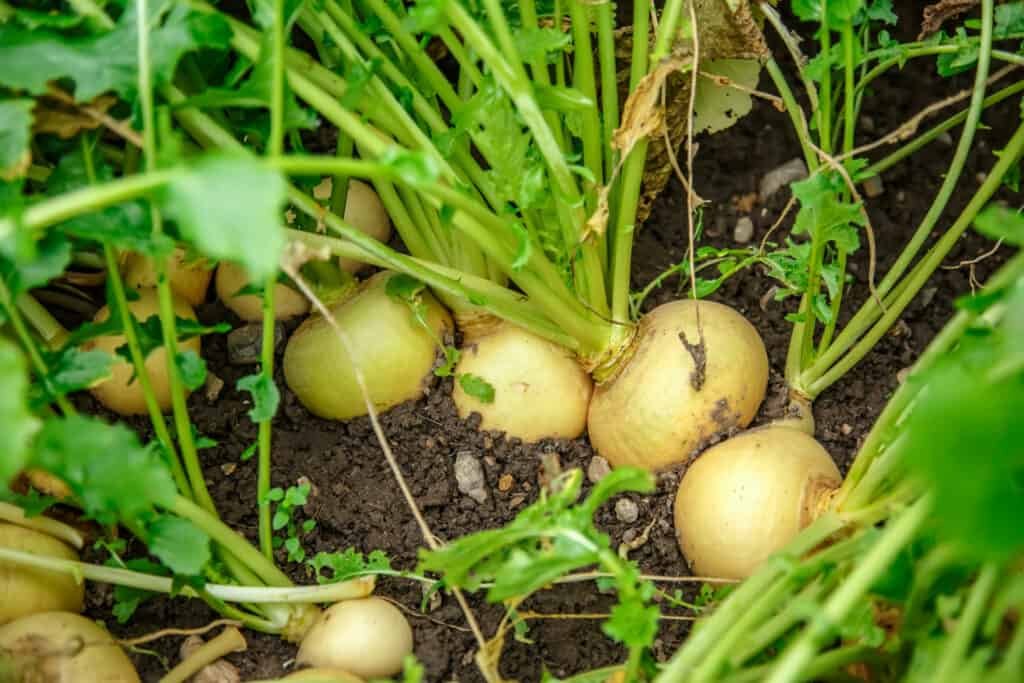
Parsnips are a cool-season root vegetable closely related to carrots and parsley. Originally native to Europe and Asia, they have been cultivated for centuries and are valued in the United States for their natural sweetness and heartiness.
Botanical profile:
- Scientific name: Pastinaca sativa
- Family: Apiaceae
- Type: Biennial root vegetable (grown as an annual)
- Color: Creamy white to pale yellow
- USDA Zones: 3–9
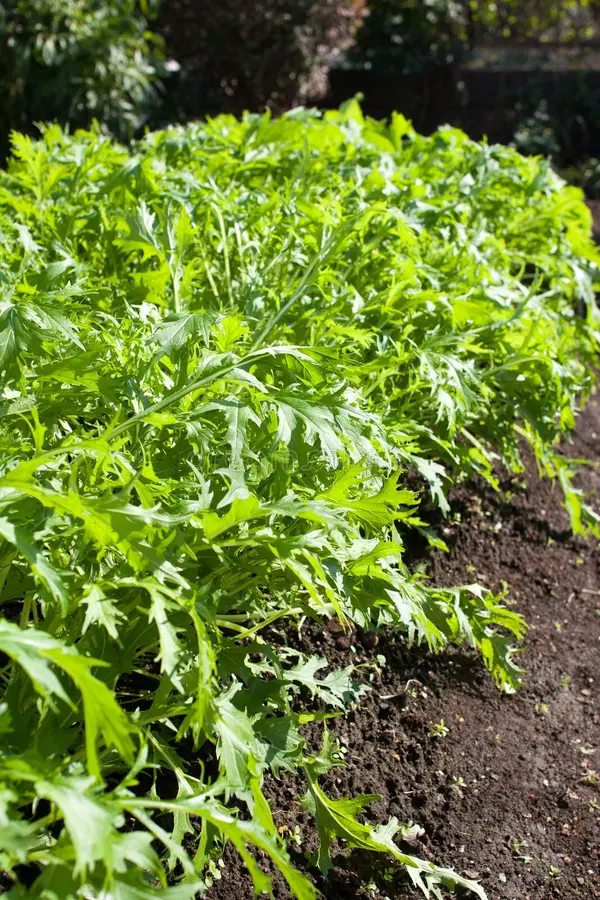
Parsnip roots are the main edible part, but the leaves can also be used sparingly in soups or as herb flavoring. They thrive in cool climates and are often sweeter after exposure to a light frost, which converts starches to natural sugars.
2. Nutritional Value of Parsnips
Parsnips are low in calories but high in essential nutrients, making them an ideal choice for health-conscious Americans.
Nutritional highlights (per 100g):
- Calories: 75
- Carbohydrates: 18g
- Fiber: 4.9g
- Vitamin C: 17% of Daily Value
- Vitamin K: 22% of Daily Value
- Folate: 11% of Daily Value
- Potassium: 12% of Daily Value
- Manganese: Supports bone and metabolic health
- Antioxidants: Polyacetylenes and flavonoids
Health benefits include:
- Digestive health: High fiber promotes regularity and gut microbiome balance.
- Heart health: Potassium helps regulate blood pressure and supports cardiovascular function.
- Immune support: Vitamin C strengthens immunity.
- Bone health: Vitamin K and manganese support strong bones.
- Anti-inflammatory properties: Antioxidants help reduce inflammation.
Parsnips are a nutrient-dense root vegetable, making them a smart addition to American diets focused on wellness and longevity.
3. Why Parsnips Are Ideal for American Gardens
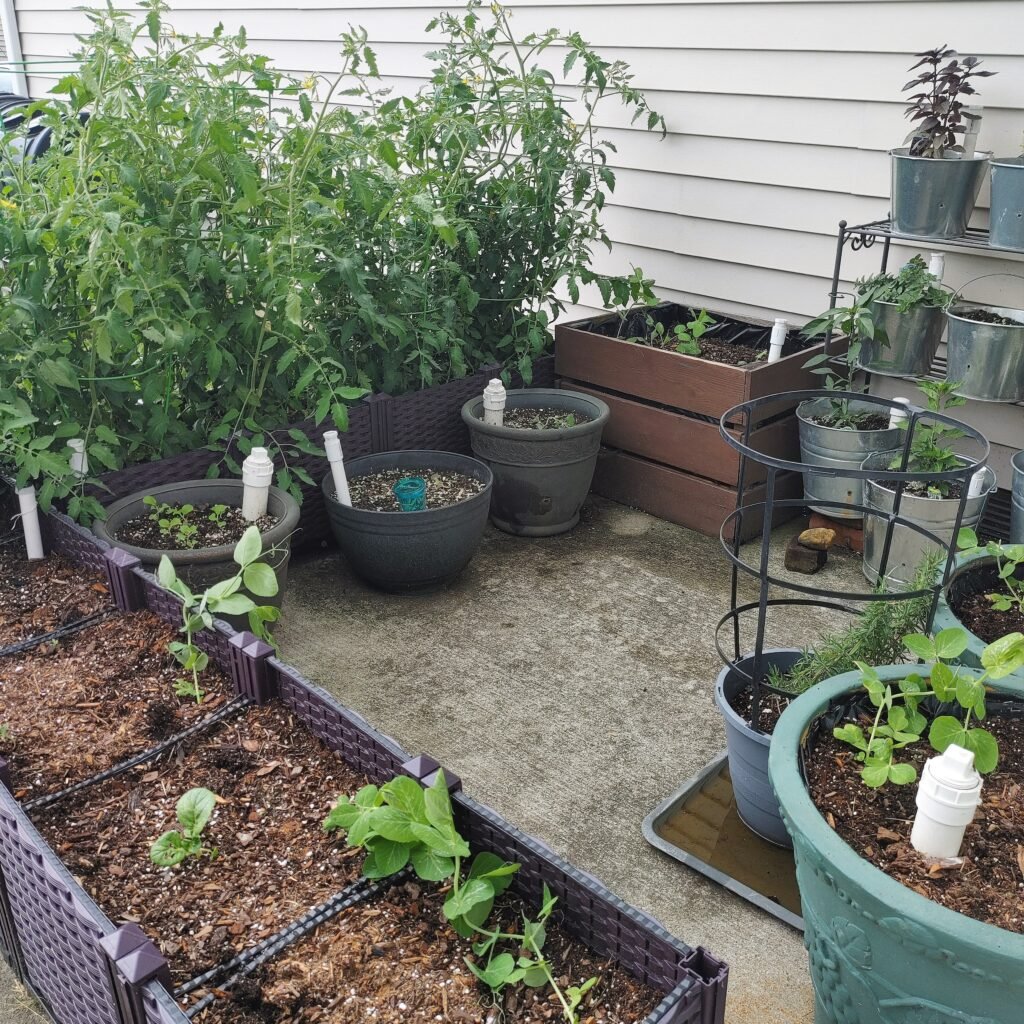
Parsnips are cold-hardy, easy-to-grow vegetables that perform well in home gardens and raised beds. Gardeners across the U.S. favor parsnips for several reasons:
- Cool-season crop: Tolerates frost and improves flavor after cold exposure.
- Long storage life: Roots can be stored for months in root cellars or refrigerators.
- Low-maintenance growth: Minimal fertilizer and pest management required.
- Nutrient-dense yield: Provides both a hearty root crop and edible leaves.
- Versatile harvesting: Can be eaten young or mature depending on preference.
With patience, parsnips reward gardeners with sweet, flavorful roots that are ideal for winter cooking.
4. How to Grow Parsnips in the U.S.
Parsnips are easy to cultivate if you follow proper planting and care techniques. Here’s a step-by-step guide for successful American parsnip gardens:
a. Planting Season
- Spring: Sow seeds 2–3 weeks before the last frost.
- Fall: In mild climates, plant for winter harvest.
Parsnips grow best in cool weather (50–70°F) and should be planted in well-prepared soil.
b. Soil and Sunlight Requirements
- Soil: Loose, deep, well-draining soil is essential to prevent forked roots. Sandy loam works best.
- pH: Slightly acidic to neutral (6.0–7.0).
- Sunlight: Full sun for optimal root development, partial shade in hot regions.
Enrich the soil with compost or well-rotted manure to encourage straight, sweet roots.
c. Sowing Seeds
- Seed depth: ½ inch
- Spacing: Thin seedlings to 3–4 inches apart once established.
- Rows: 12–18 inches apart
- Watering: Keep soil consistently moist for germination, which may take 2–3 weeks.
Patience is key—parsnips are slow to germinate, but the resulting harvest is worth the wait.
5. Caring for Parsnips
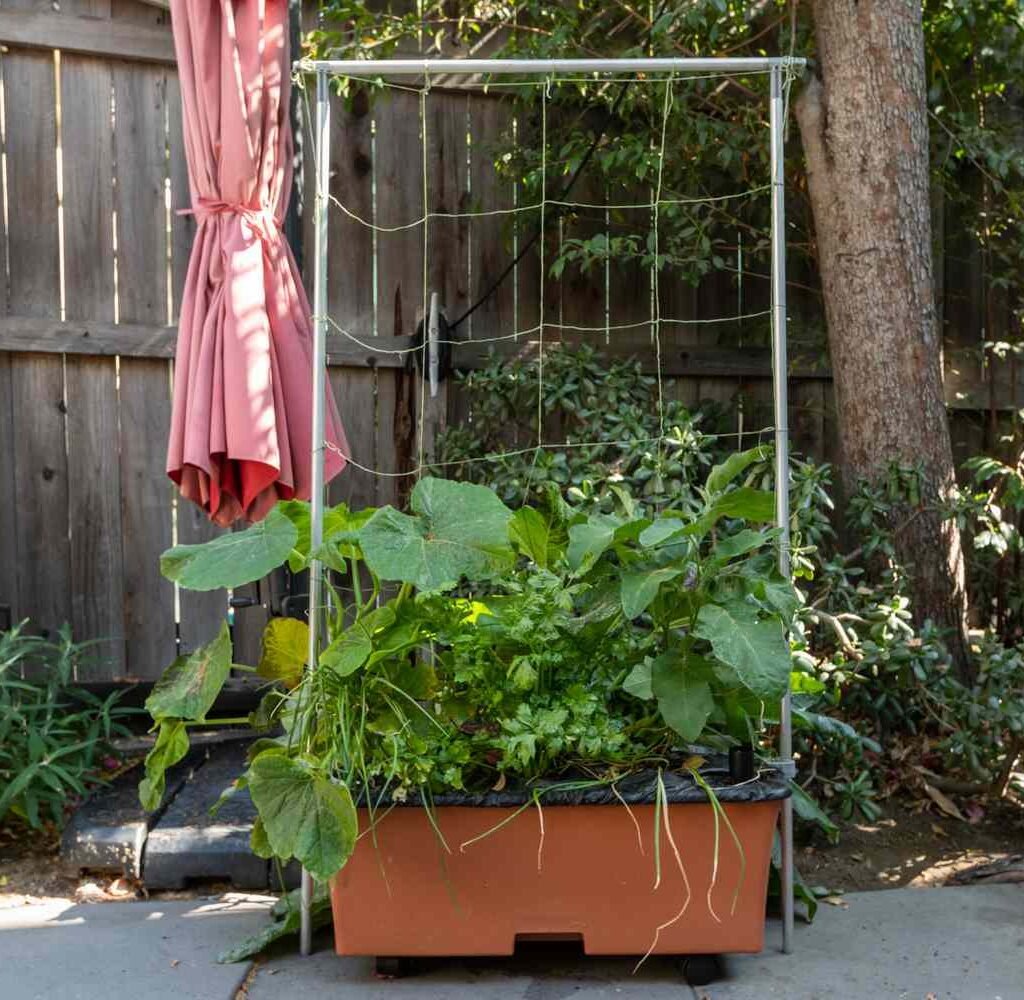
While parsnips are hardy, these care tips help maximize root quality and yield:
- Water regularly: Even moisture prevents woody or bitter roots.
- Mulch: Retains soil moisture and suppresses weeds.
- Fertilize lightly: Avoid excess nitrogen, which can encourage leafy growth over root development.
- Pest management: Keep an eye out for carrot rust flies or aphids; organic solutions like neem oil or row covers work well.
Parsnips thrive with minimal maintenance, making them a rewarding root vegetable for home gardeners.
6. Harvesting Parsnips
Parsnips are generally ready for harvest in 100–120 days, depending on variety and growing conditions.
Harvesting tips:
- Loosen soil gently with a fork to avoid breaking the roots.
- Harvest after a light frost to enhance natural sweetness.
- Young parsnips are tender and mild; mature roots have a stronger, sweeter flavor.
Pro Tip: Parsnips can be left in the ground during winter in mild climates and harvested as needed.
7. Storing and Preserving Parsnips
Parsnips have excellent storage capabilities, making them ideal for long-term use:
- Refrigeration: Store roots in a perforated plastic bag in the crisper for 2–3 weeks.
- Root cellar: Keep in damp sand for months.
- Freezing: Blanch and freeze for long-term preservation.
- Pickling: Preserves flavor and adds variety to dishes.
Proper storage retains both flavor and nutrients, ensuring a fresh taste all winter.
8. Culinary Uses of Parsnips
Parsnips are extremely versatile and can enhance a variety of American dishes:
a. Roasted
- Toss with olive oil, herbs, and spices for caramelized flavor.
- Combine with potatoes and carrots for a hearty roasted root medley.
b. Soups and Stews
- Puree into creamy soups or add chunks to vegetable stews for natural sweetness.
c. Mashed
- Substitute parsnips for potatoes in mashed dishes for a lower-calorie, flavorful alternative.
d. Baking
- Grate into breads, muffins, or cakes for moisture and natural sweetness.
e. Greens
- Sauté or add raw to salads for a nutrient boost.
Parsnips pair beautifully with rosemary, garlic, thyme, apples, and winter squash, adding flavor and nutrition to every meal.
9. Popular Parsnip Varieties for American Gardens
Several parsnip varieties thrive in U.S. climates:
- ‘Hollow Crown’: Classic variety, sweet and smooth roots.
- ‘Gladiator’: Long, tender, and frost-hardy.
- ‘All-American’: Uniform roots with excellent flavor.
- ‘Javelin’: Fast-growing with straight, long roots.
- ‘Student’: Small, tender roots, ideal for early harvest.
Mixing varieties can provide continuous harvest and flavor diversity for your garden.
10. Health Benefits of Parsnips
Parsnips are a superfood root vegetable packed with vitamins, minerals, and antioxidants:
- Digestive support: Fiber aids bowel regularity and gut health.
- Heart health: Potassium helps regulate blood pressure.
- Immune support: Vitamin C strengthens defenses.
- Bone health: Vitamin K and manganese support strong bones.
- Antioxidant protection: Polyacetylenes help reduce inflammation and oxidative stress.
Including parsnips in your diet promotes overall health, energy, and wellness.
11. Sustainability and Gardening Benefits
Parsnips are an eco-friendly, low-maintenance crop:
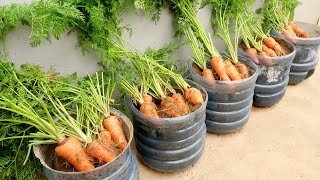
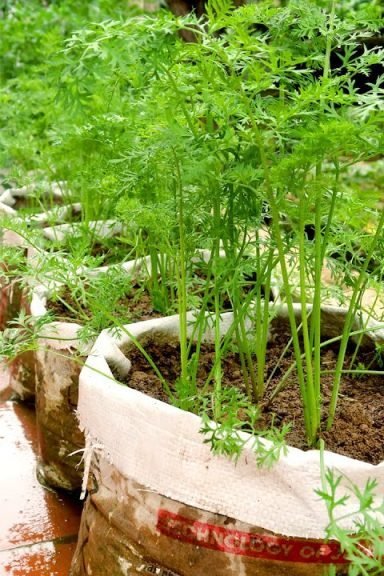
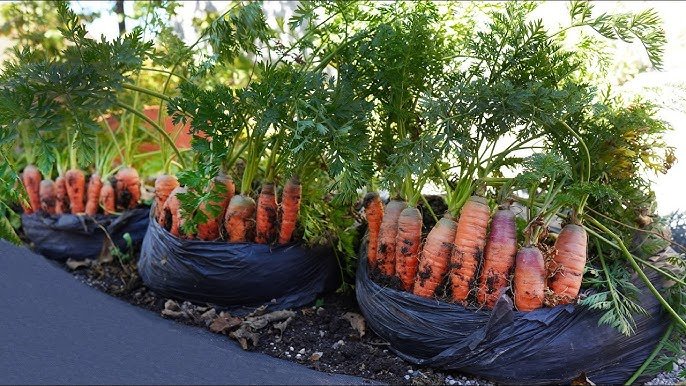
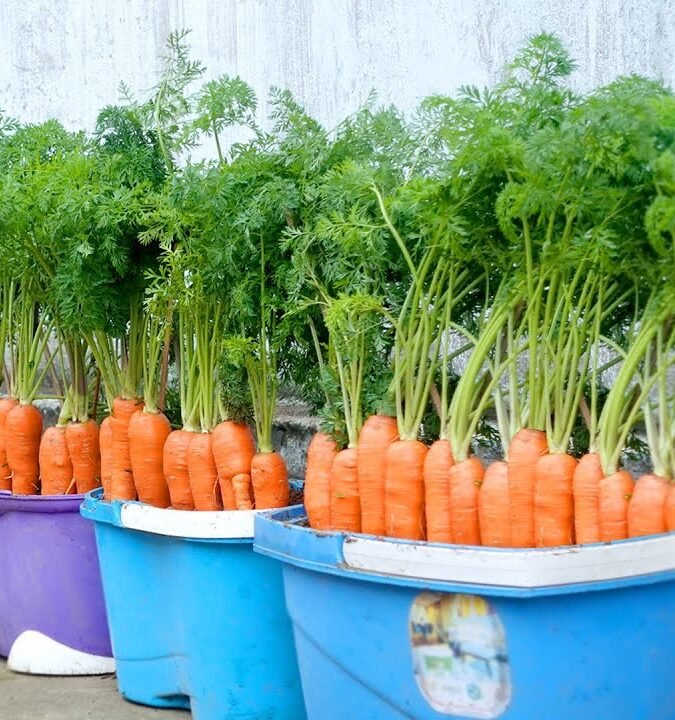
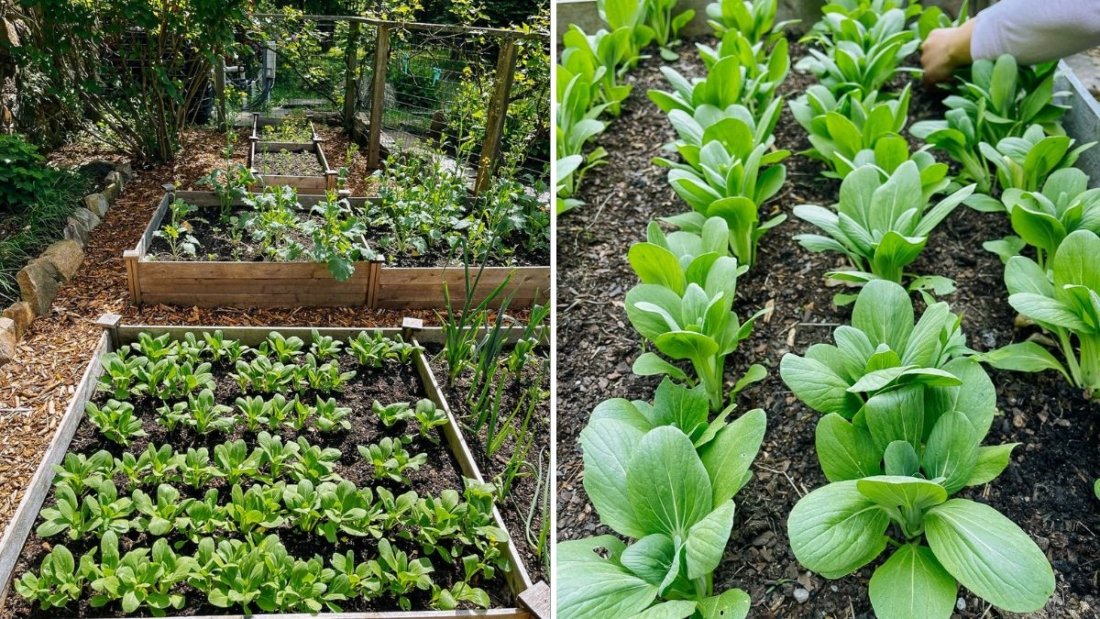
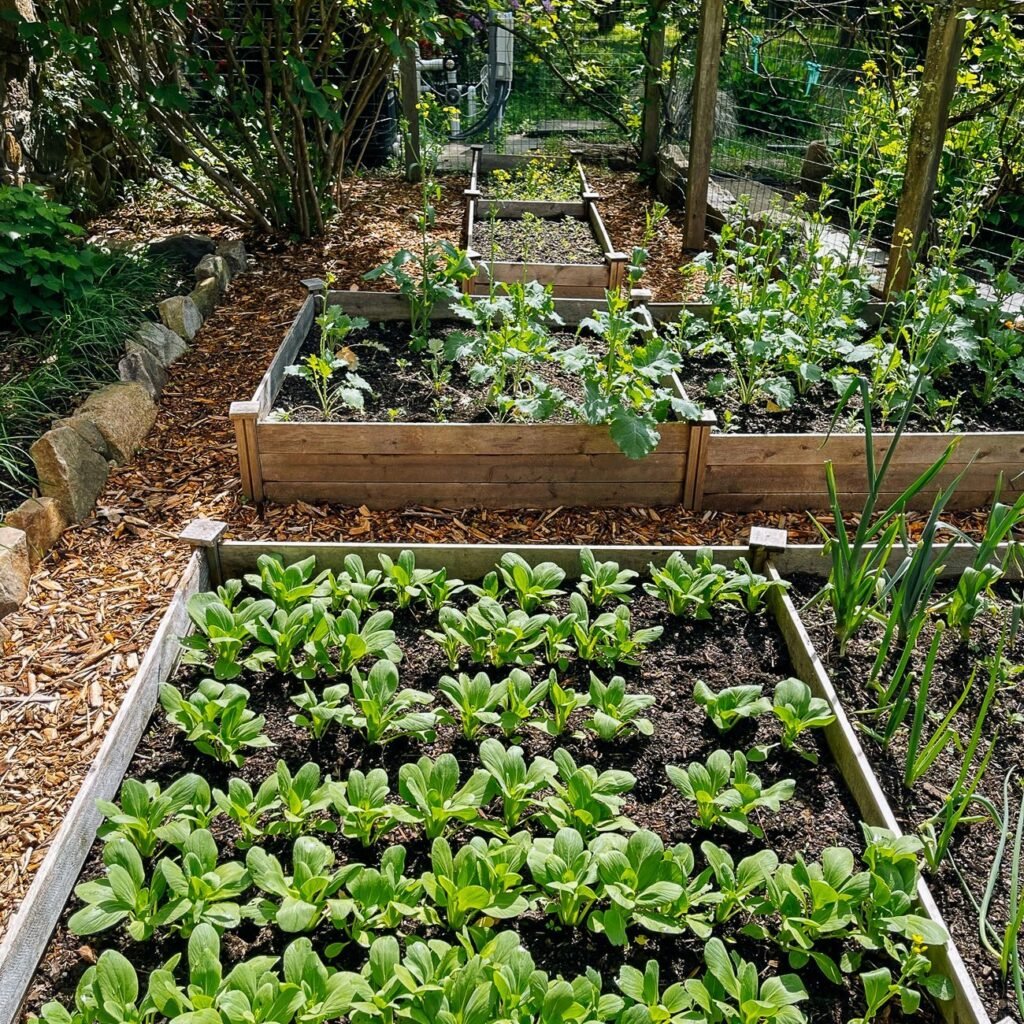
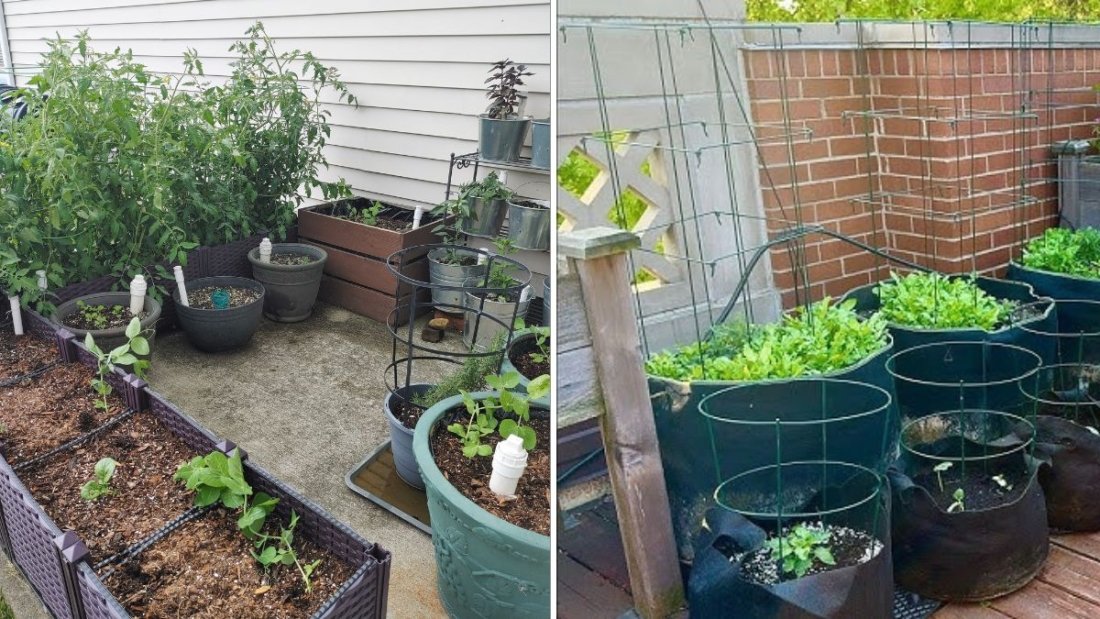
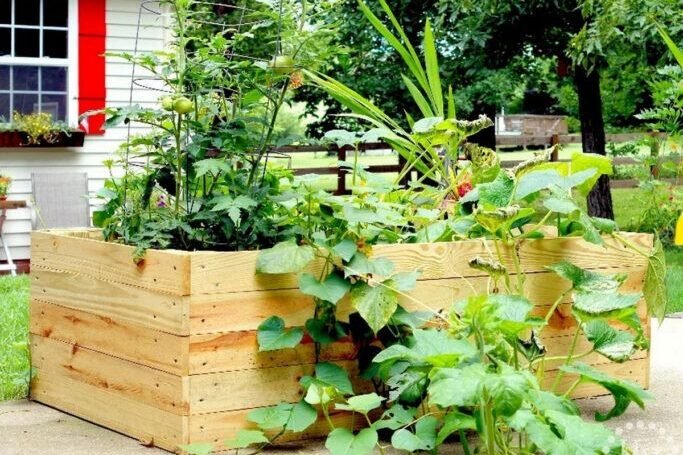
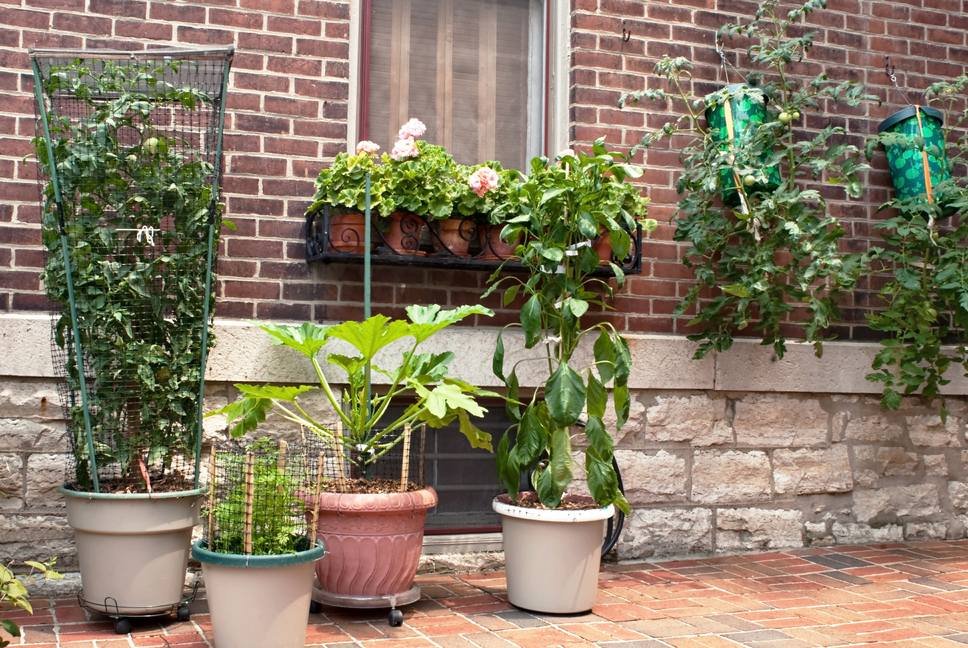
- Space-efficient: Grows well in raised beds or containers.
- Long-term harvest: Roots can be left in the soil for winter.
- Low-input crop: Minimal fertilizer and pesticide needs.
- Dual-purpose: Roots and greens both edible, reducing waste.
Homegrown parsnips ensure fresh, nutritious, and sustainable produce year-round.
12. Why Every American Should Grow and Eat Parsnips
Parsnips are more than just a root—they are nutritious, versatile, and easy to grow, making them ideal for American home gardens and kitchens. Their sweet flavor, creamy texture, and health benefits make them a standout in soups, roasts, and purees.
By growing parsnips, you gain fresh, organic, and nutrient-dense vegetables, while also embracing sustainable gardening practices. Whether roasted, mashed, baked, or pureed, parsnips are a delicious and healthful addition to any meal..