Kidney Beans The Heart-Healthy American Superfood You Should Be Eating Every Week

Kidney Beans The Heart-Healthy American Superfood You Should Be Eating Every Week

In the world of nutritious, affordable, and filling foods, few ingredients earn as much praise as kidney beans. These beautiful, red, kidney-shaped legumes are a staple in classic American comfort dishes like chili, bean soup, and burritos — but they’re more than just tasty.

Kidney beans are a nutritional powerhouse, rich in protein, fiber, and essential minerals. Whether you’re trying to eat healthier, lose weight, or add more plant-based foods to your diet, kidney beans can help you reach your goals while keeping your meals flavorful and satisfying.

Let’s explore why kidney beans deserve a permanent spot in your pantry, how to prepare them properly, and some delicious ways to use them in your everyday cooking.


What Are Kidney Beans?

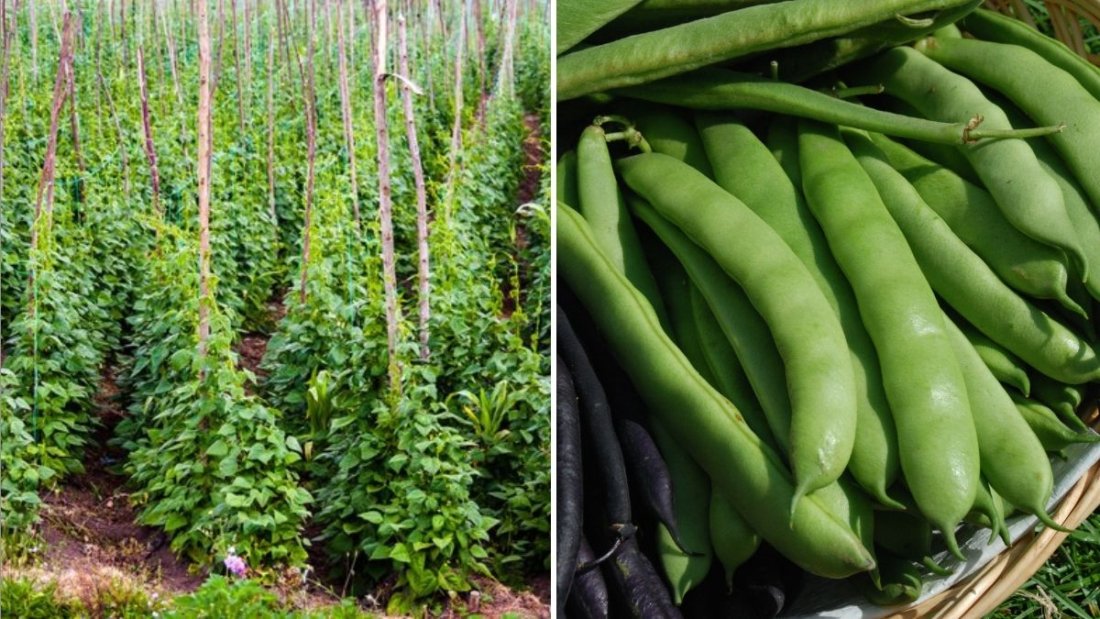
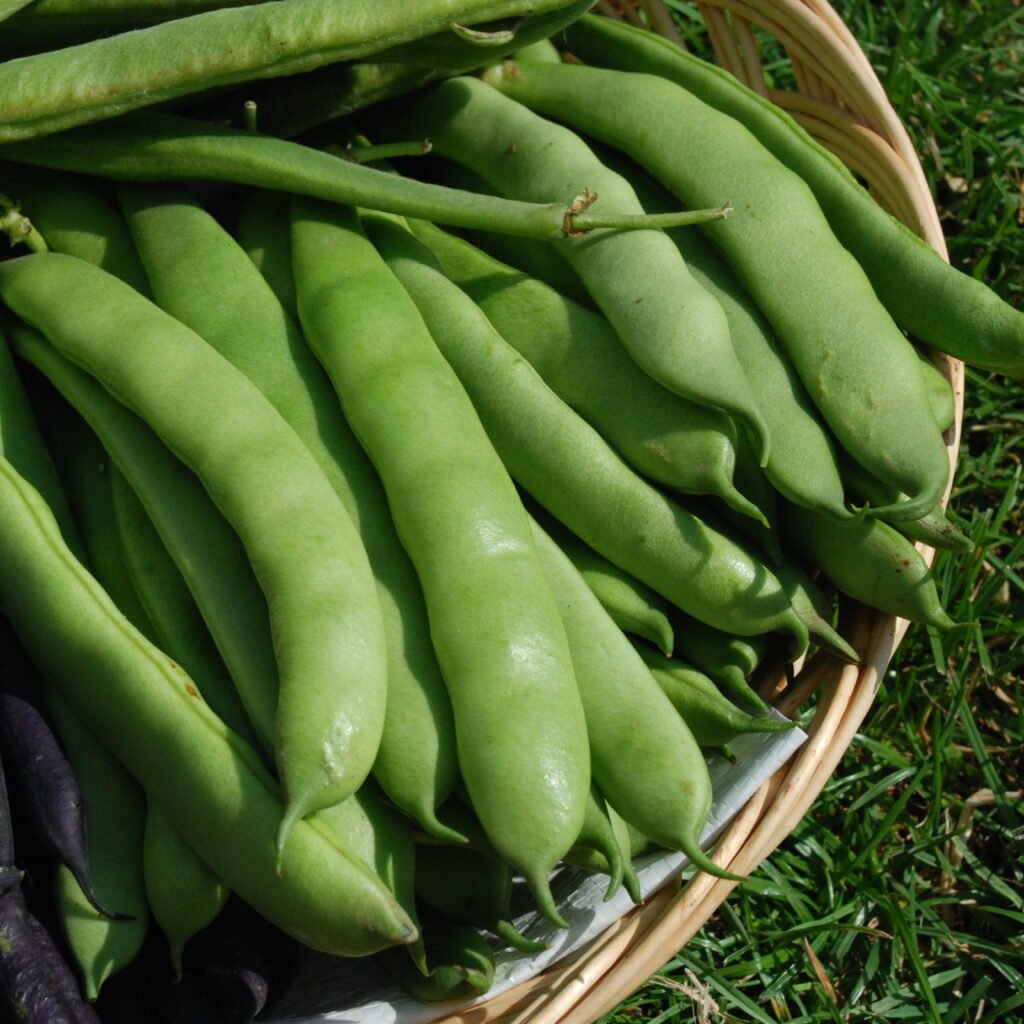
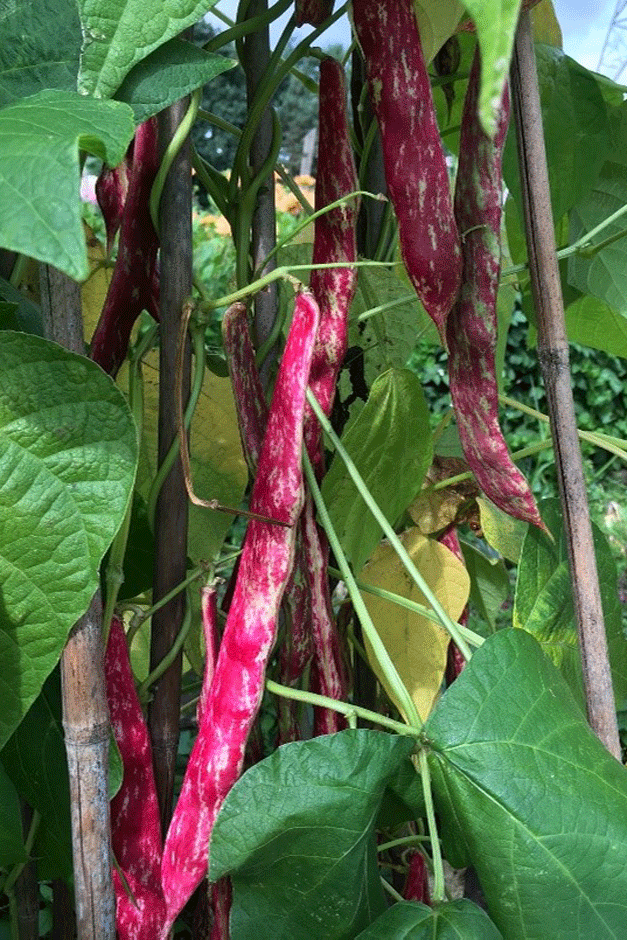
Kidney beans (Phaseolus vulgaris) belong to the same family as black beans, pinto beans, and navy beans. They get their name from their distinct kidney-like shape and deep red color. Native to Central and South America, they’ve become an essential part of cuisines around the world — and a beloved ingredient in many American kitchens.

In the U.S., kidney beans are most commonly used in hearty, comforting dishes like Texas chili, red beans and rice, taco salads, and vegetarian stews.

There are two main types:

  • Light Red Kidney Beans: Mild in flavor, perfect for soups and salads.
  • Dark Red Kidney Beans: Richer and meatier, ideal for chili, stews, and casseroles.

Nutrition Facts: Why Kidney Beans Are a True Superfood

A single cup of cooked kidney beans provides approximately:

  • 225 calories
  • 15 grams of protein
  • 13 grams of fiber
  • 0.9 grams of fat
  • 40 grams of complex carbohydrates
  • Iron, magnesium, folate, potassium, and zinc

They’re cholesterol-free, low in fat, and loaded with nutrients that promote long-term health.

1. High in Plant-Based Protein

For anyone moving toward a plant-based diet, kidney beans are an excellent alternative to meat. With 15 grams of protein per cup, they help build muscle, repair tissue, and keep you full for hours. Combined with grains like rice or quinoa, they form a complete protein that delivers all essential amino acids.

2. Excellent Source of Fiber

Kidney beans are one of the best natural sources of dietary fiber — both soluble and insoluble. Fiber supports digestion, helps regulate blood sugar, and promotes heart health by lowering LDL (bad) cholesterol. Eating fiber-rich foods like kidney beans can also reduce the risk of heart disease, which remains a leading health concern for Americans.

3. Packed with Vitamins and Minerals

Kidney beans are naturally rich in iron, folate, magnesium, and potassium — nutrients essential for energy, blood health, and muscle function. Folate (vitamin B9) supports red blood cell formation, while potassium helps manage healthy blood pressure.

4. Helps with Weight Management

Because they’re high in fiber and protein, kidney beans help you feel satisfied longer, reducing the urge to overeat. Their low-fat, nutrient-dense profile makes them a perfect choice for people aiming to maintain or lose weight.

5. Supports Blood Sugar Control

Kidney beans have a low glycemic index (GI), meaning they release energy slowly, keeping your blood sugar levels steady. This makes them a smart choice for people with diabetes or anyone seeking to avoid energy crashes.


How to Buy and Prepare Kidney Beans
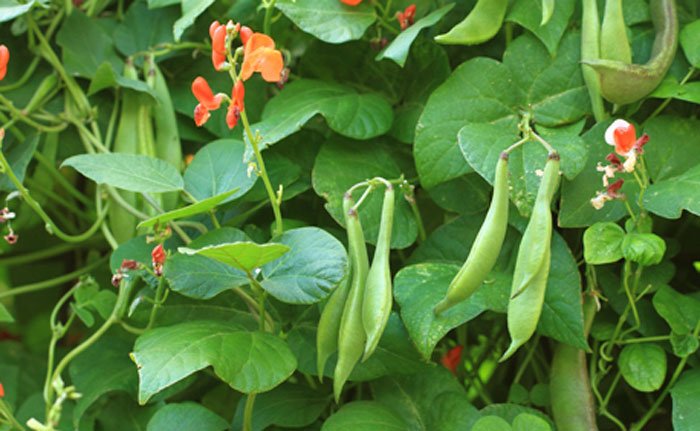
In the U.S., you can find kidney beans in three main forms:

  1. Canned Kidney Beans: Pre-cooked and convenient — just drain and rinse to remove excess sodium.
  2. Dried Kidney Beans: The most economical choice, perfect for bulk cooking and meal prep.
  3. Pre-cooked or Frozen Beans: Found in some health food stores for quick, nutritious meals.

Important: Always Cook Kidney Beans Properly

Raw or undercooked kidney beans contain a natural toxin called phytohemagglutinin, which can cause stomach upset. Fortunately, cooking them properly removes this compound completely.

Here’s how to do it safely:

  1. Soak dried kidney beans overnight in cold water.
  2. Drain and rinse before cooking.
  3. Boil them in fresh water for at least 10–15 minutes to destroy toxins.
  4. Simmer for another 45–60 minutes until tender.

Once cooked, kidney beans can be stored in the refrigerator for up to a week or frozen for later use.


Delicious Ways to Eat Kidney Beans

Kidney beans are incredibly versatile and pair beautifully with grains, vegetables, herbs, and spices. Here are some tasty ways to include them in your American diet:

1. Classic Chili

Nothing says comfort food like a bowl of homemade chili. Combine cooked kidney beans with ground turkey or beef (or skip the meat for a vegetarian version), tomatoes, onions, garlic, bell peppers, and chili powder. Top with avocado, shredded cheese, or cilantro for a hearty, protein-rich meal.

2. Red Beans and Rice

A Southern classic! Simmer kidney beans with onions, celery, garlic, and Cajun spices, then serve over fluffy white or brown rice. It’s flavorful, filling, and packed with nutrition.

3. Kidney Bean Salad

Toss kidney beans with corn, black beans, cherry tomatoes, red onion, olive oil, and lime juice for a refreshing salad. Perfect for picnics, meal prep, or summer barbecues.

4. Veggie Burgers

Mash kidney beans with breadcrumbs, garlic, onion, and your favorite spices to create a flavorful plant-based burger. Pan-fry until crisp and serve on a whole-grain bun with avocado or salsa.

5. Soup and Stew Additions

Add kidney beans to vegetable soups, minestrone, or stews for extra protein and heartiness. Their meaty texture makes them an excellent substitute for meat.

6. Tacos or Burrito Bowls

Swap out the meat and fill your tacos or burrito bowls with seasoned kidney beans, rice, lettuce, and salsa for a tasty, high-protein meal.


Kidney Beans and American Health Trends

In today’s wellness-focused culture, kidney beans fit perfectly into modern nutrition trends:

  • Plant-Based Eating: As more Americans reduce meat consumption, kidney beans offer a satisfying, protein-rich alternative.
  • Heart-Healthy Diets: Their fiber and potassium content make them a natural ally for heart health.
  • Sustainable Eating: Beans are among the most eco-friendly proteins on the planet, requiring less water and producing fewer emissions than meat.
  • Budget-Friendly Nutrition: At less than $2 per pound, kidney beans are one of the most affordable sources of protein and fiber available.
  • Meal Prep Favorite: They store well, reheat beautifully, and can be used in dozens of recipes throughout the week.

With Americans increasingly choosing foods that support both personal health and environmental sustainability, kidney beans are poised to remain a staple in the modern pantry.


Quick Recipe: Smoky Kidney Bean and Quinoa Bowl
Ingredients:

  • 1 cup cooked kidney beans
  • 1 cup cooked quinoa or brown rice
  • ½ cup diced bell peppers
  • ½ cup corn kernels (fresh or frozen)
  • 1 small red onion, diced
  • 1 tablespoon olive oil
  • 1 teaspoon smoked paprika
  • ½ teaspoon cumin
  • Juice of 1 lime
  • Salt and pepper to taste
  • Fresh cilantro or avocado for garnish

Instructions:

  1. Heat olive oil in a skillet over medium heat. Add onion and peppers; sauté until tender.
  2. Stir in corn, kidney beans, smoked paprika, cumin, salt, and pepper. Cook for 3–4 minutes.
  3. Add cooked quinoa and toss until everything is heated through.
  4. Finish with fresh lime juice and garnish with cilantro or avocado slices.

This colorful bowl is rich in flavor, nutrients, and plant-based protein — perfect for lunch, dinner, or post-workout fuel.


Final Thoughts

In a country where fast food often dominates the plate, kidney beans offer a refreshing return to wholesome, affordable, and nourishing eating. They’re one of nature’s best sources of plant-based protein and fiber, supporting heart health, weight management, and long-term wellness.

From spicy chili to protein-packed salads and burgers, kidney beans fit seamlessly into any American kitchen. They’re versatile, sustainable, and undeniably satisfying — a simple ingredient that delivers extraordinary benefits.

So next time you’re stocking your pantry, skip the processed snacks and grab a bag of kidney beans instead. With their rich taste, nutrition, and endless recipe possibilities, kidney beans are the red gems that can transform your diet — one hearty meal at a time.

Mung Beans America’s Next Superfood Star for Clean Eating and Plant-Based Living

Mung Beans America’s Next Superfood Star for Clean Eating and Plant-Based Living

In today’s fast-paced world, Americans are constantly searching for healthier, more sustainable ways to eat — and that’s where mung beans come in. Once a little-known legume in the U.S., mung beans are now making waves as one of the most nutrient-dense, versatile, and affordable superfoods available.

Whether you’re a fitness enthusiast, a vegan, or someone trying to eat cleaner, mung beans check every box. They’re high in plant-based protein, loaded with essential vitamins and minerals, and easy to cook into everything from soups to smoothies.

Let’s dive into why mung beans are becoming a rising star in the American diet and how you can start using them in your kitchen today.


What Are Mung Beans?

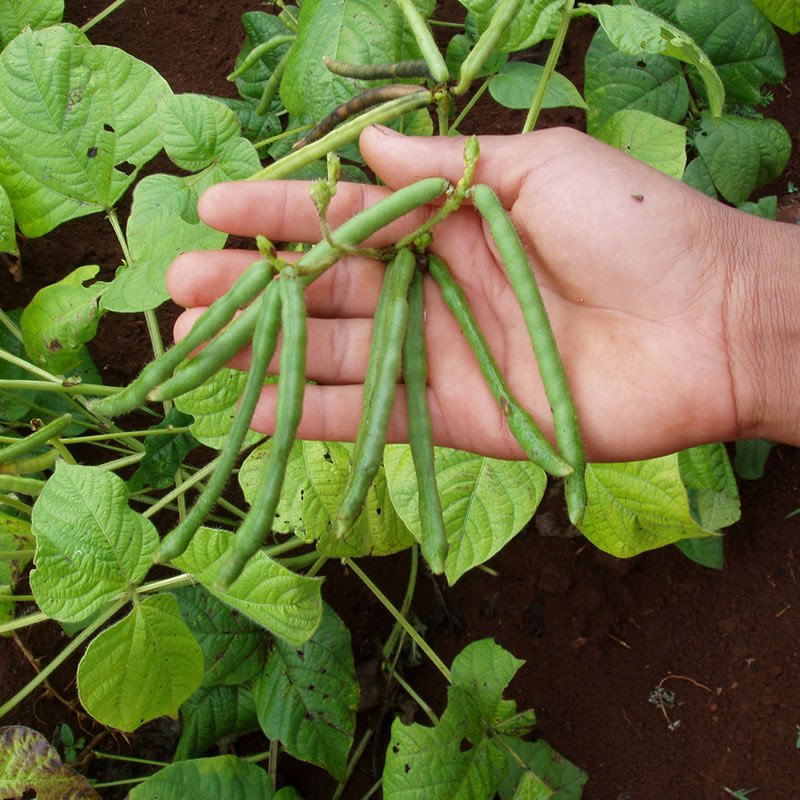
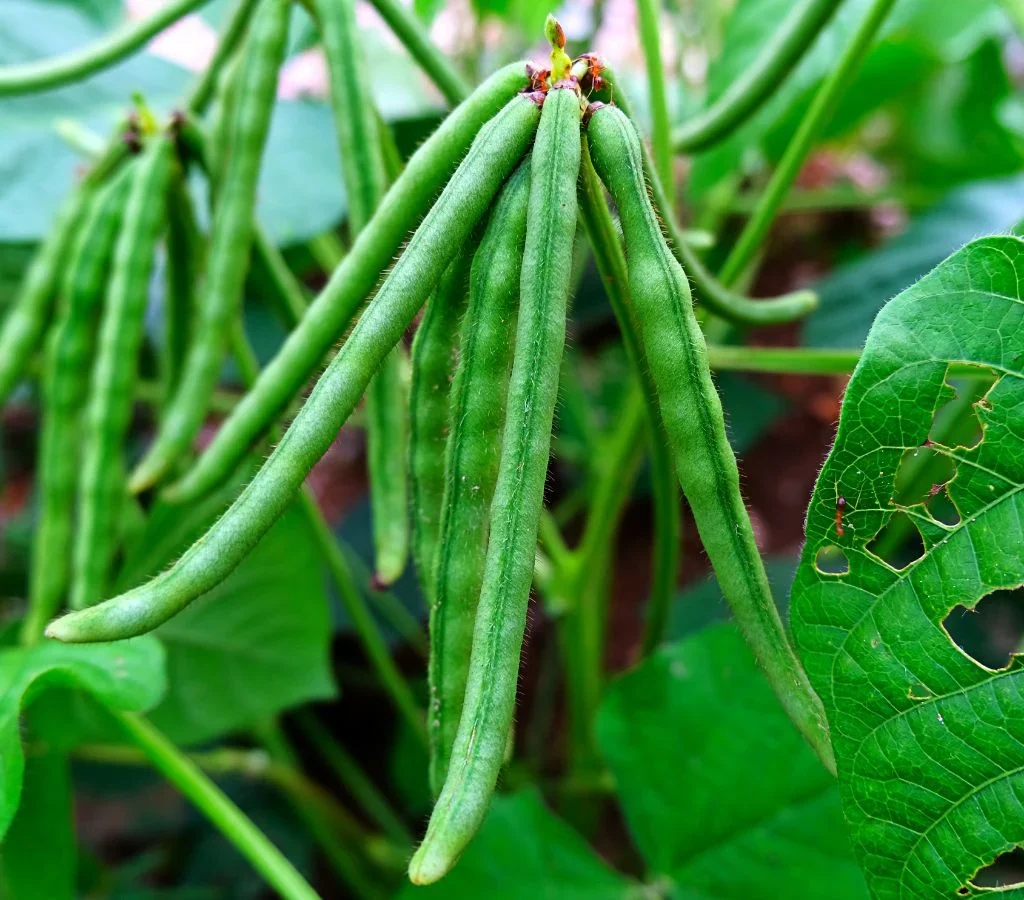
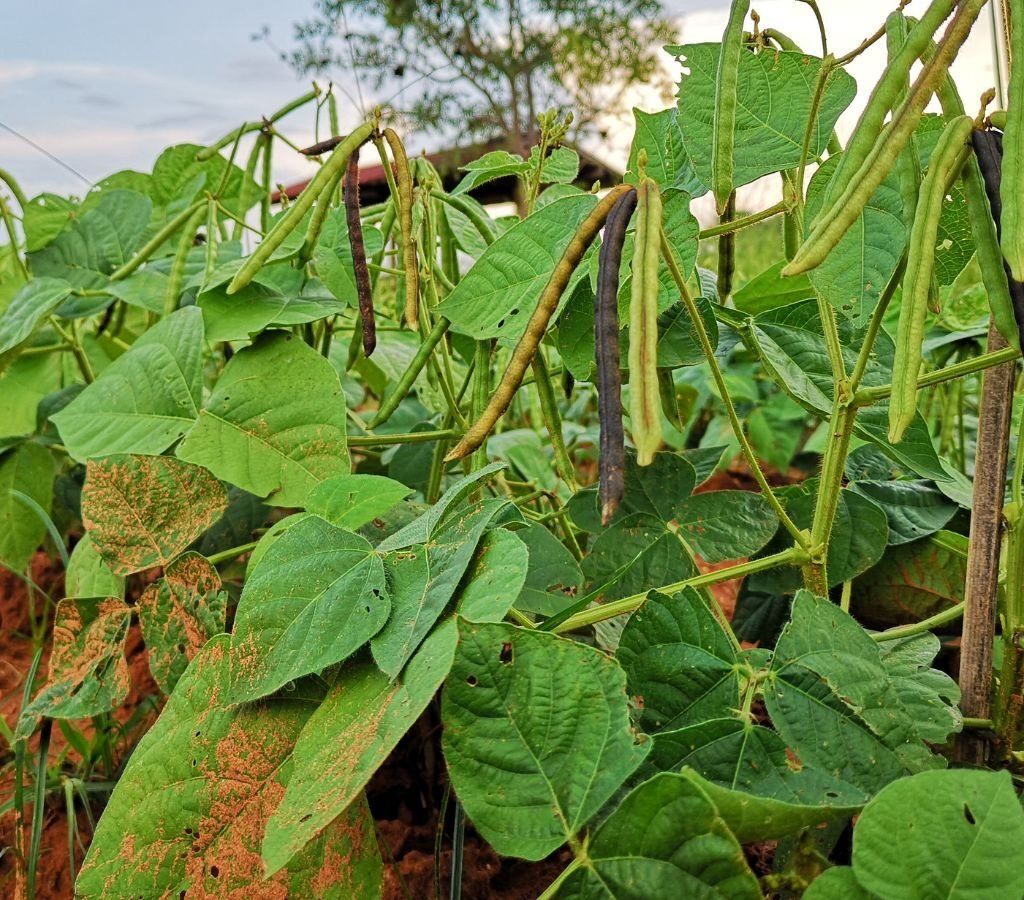
Mung beans are small, green legumes that originated in India and Southeast Asia, where they’ve been a dietary staple for thousands of years. In recent years, they’ve caught the attention of American nutritionists, chefs, and wellness enthusiasts because of their incredible nutritional profile and culinary versatility.

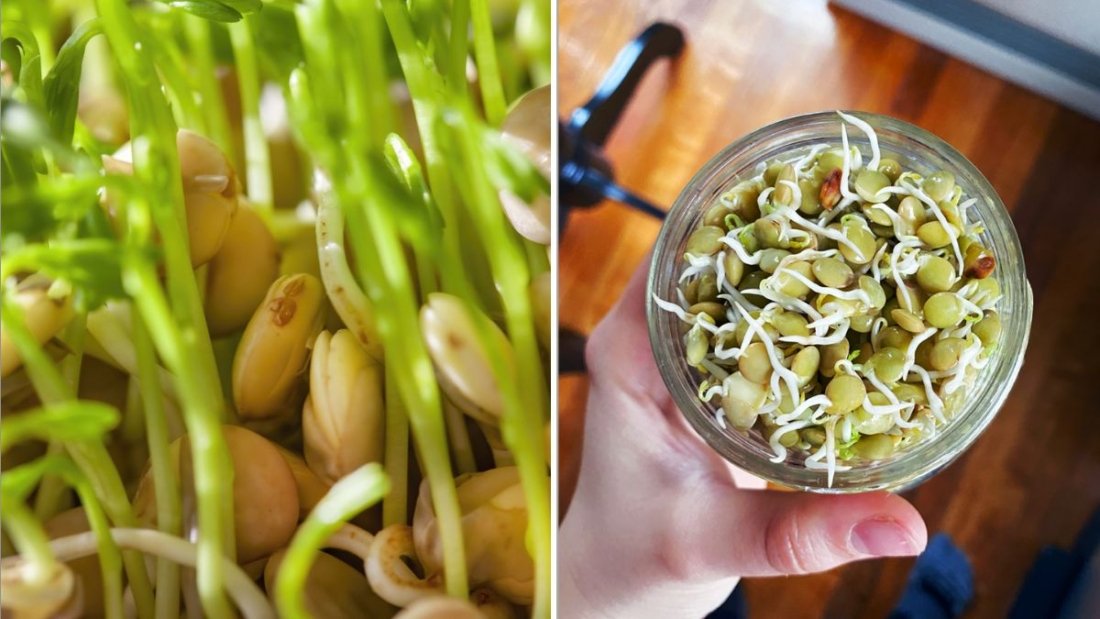
They’re part of the same family as lentils and peas but have a slightly sweeter, milder flavor. In the U.S., you can find mung beans in health food stores, Asian grocery markets, and most major supermarkets — either whole, split (yellow), sprouted, or ground into flour.

You might already be eating mung beans without realizing it. The transparent noodles used in many Asian dishes are made from mung bean starch, and mung bean sprouts are a popular crunchy addition to salads and stir-fries.


The Nutritional Benefits of Mung Beans

1. A Powerful Plant-Based Protein Source

A single cooked cup of mung beans provides about 14 grams of protein, making them one of the best vegetarian protein options available. That’s why they’ve become a staple for vegans, vegetarians, and flexitarians looking to replace animal protein with a cleaner, sustainable alternative.

2. High in Fiber for Gut and Heart Health

Each serving of mung beans delivers an impressive 15 grams of dietary fiber, helping support healthy digestion, lower cholesterol, and stabilize blood sugar levels. The soluble fiber in mung beans has been linked to improved heart health and reduced risk of cardiovascular disease — a major benefit for health-conscious Americans.

3. Rich in Essential Vitamins and Minerals

Mung beans are loaded with important nutrients including iron, folate, magnesium, potassium, and zinc. They also contain vitamin B6 and antioxidants such as flavonoids and phenolic acids, which help fight inflammation and oxidative stress in the body.

4. Supports Blood Sugar Control

Because mung beans are low on the glycemic index, they help maintain steady blood sugar levels. This makes them a great food choice for people managing diabetes or anyone looking to sustain energy without sugar crashes.

5. Great for Weight Management

High in protein and fiber but low in calories and fat, mung beans help promote fullness and reduce hunger between meals. That’s why they’re considered a top choice for weight loss and clean eating plans.

6. Easy on Digestion

Unlike some legumes, mung beans are easier to digest and less likely to cause bloating. They contain enzymes that help break down complex sugars, making them gentler on the stomach — perfect for those new to eating beans or high-fiber foods.


Why Mung Beans Are Gaining Popularity in the U.S.

In recent years, American consumers have become more aware of how food affects not only personal health but also the planet. Mung beans fit perfectly into this growing movement toward sustainable, plant-based nutrition.

  • Eco-Friendly Crop: Mung beans require very little water compared to soy or meat production, and they naturally enrich the soil with nitrogen, reducing the need for chemical fertilizers.
  • Affordable Superfood: At a fraction of the price of meat or even some other legumes, mung beans offer top-tier nutrition for tight budgets.
  • Versatile Ingredient: From smoothies and pancakes to soups and curries, mung beans fit seamlessly into both traditional American and global cuisines.

Plus, the growing popularity of plant-based products like Just Egg®, which uses mung bean protein as its base ingredient, has introduced this humble legume to millions of Americans.


How to Buy and Prepare Mung Beans

You can find mung beans in several forms in U.S. grocery stores:

  1. Whole Green Mung Beans: Great for soups, curries, and sprouting.
  2. Split Yellow Mung Beans (Moong Dal): Perfect for creamy soups, dals, or pancakes.
  3. Sprouted Mung Beans: Crisp and fresh; ideal for salads, sandwiches, and stir-fries.
  4. Mung Bean Flour: Gluten-free and high in protein — excellent for baking or thickening sauces.

Cooking Whole Mung Beans

  1. Rinse the beans under cold water.
  2. Soak them for 4–6 hours (optional, but speeds up cooking and improves digestibility).
  3. Boil 1 cup of beans with 3 cups of water or broth for 30–40 minutes, until tender.
  4. Season with salt, garlic, herbs, or your favorite spices.

Mung beans absorb flavors beautifully and pair well with cumin, turmeric, chili, ginger, and lime.


Delicious Ways to Eat Mung Beans

1. Mung Bean Soup

Simmer mung beans with garlic, onions, carrots, and spinach for a nutrient-packed, comforting soup. Add a squeeze of lemon or lime for brightness.

2. Sprouted Mung Bean Salad

Combine fresh sprouts with chopped cucumber, tomatoes, red onion, avocado, and a light olive oil dressing. This salad is refreshing, high in protein, and great for meal prep.

3. Mung Bean Pancakes (Moong Chilla)

Made with ground mung beans, these savory pancakes are crisp on the outside and soft on the inside — perfect for a gluten-free breakfast or snack. Top them with salsa, avocado, or Greek yogurt.

4. Mung Bean Curry

Cook mung beans with coconut milk, curry spices, and fresh herbs for a rich, flavorful dish. Serve over rice or quinoa for a complete meal.

5. Protein Smoothies

Add cooked or sprouted mung beans to your smoothies for an extra protein boost without protein powder. They blend easily and have a mild flavor that pairs well with fruits and greens.

6. Mung Bean Burgers

Mash cooked mung beans with oats, garlic, and spices to form a plant-based burger patty. Pan-fry and serve on a whole-grain bun with your favorite toppings.


Mung Beans and Modern American Nutrition Trends

As more Americans embrace whole-food, plant-based eating, mung beans have emerged as a powerful ingredient for:

  • Heart-Healthy Diets: Thanks to their fiber, potassium, and low-fat content.
  • Weight-Loss Programs: Filling yet light on calories, they support portion control naturally.
  • Fitness and Muscle Recovery: Their high protein content aids muscle repair and recovery after workouts.
  • Gluten-Free and Allergen-Friendly Cooking: Perfect for those avoiding common allergens like soy, dairy, or wheat.
  • Sustainable Eating: Supporting both personal health and environmental well-being.

In fact, mung beans are so nutritionally dense that some dietitians refer to them as the “green gold of legumes.” They’re not only good for you — they’re good for the planet too.


Quick Recipe: Lemon-Garlic Mung Bean Bowl

Ingredients:

  • 1 cup cooked mung beans
  • 1 cup brown rice or quinoa
  • ½ cup chopped spinach or kale
  • 1 diced tomato
  • 2 cloves garlic, minced
  • 2 tablespoons olive oil
  • Juice of 1 lemon
  • Salt, pepper, and chili flakes to taste

Instructions:

  1. Heat olive oil in a skillet and sauté garlic until fragrant.
  2. Add spinach, tomato, and cooked mung beans; stir for 2–3 minutes.
  3. Season with salt, pepper, and lemon juice.
  4. Serve over brown rice or quinoa for a balanced, protein-rich meal.

This dish is hearty, bright, and loaded with nutrients — perfect for lunch, dinner, or post-workout recovery.


Final Thoughts

In a world filled with trendy “superfoods,” mung beans stand out as one of the most practical and nutritious choices you can make. They’re versatile, affordable, sustainable, and fit seamlessly into the modern American diet — whether you’re plant-based, gluten-free, or just looking to eat better.

From creamy soups and salads to vegan burgers and smoothies, mung beans can do it all. And the best part? They nourish your body while caring for the planet.

So next time you’re at the grocery store, skip the processed protein powders and expensive health snacks. Grab a bag of mung beans — the humble, green little gems that might just be the future of healthy American eating.

Lentils The Unsung Superfood Powering America’s Healthy Eating Revolution

Lentils The Unsung Superfood Powering America’s Healthy Eating Revolution

When it comes to healthy, budget-friendly, and sustainable foods, few ingredients can match the quiet brilliance of lentils. Long a staple in Middle Eastern, Indian, and Mediterranean cuisines, lentils have recently become one of the fastest-growing plant-based proteins in the American diet.

From protein-packed soups to hearty salads and vegetarian tacos, lentils are popping up everywhere — and for good reason. They’re nutritious, versatile, inexpensive, and easy to cook. If you’re looking to upgrade your diet with wholesome, protein-rich meals, lentils deserve a top spot in your kitchen.

Let’s explore what makes lentils such a nutritional powerhouse, how to use them in your favorite dishes, and why they’re quickly becoming America’s favorite healthy comfort food.


What Exactly Are Lentils?

Lentils are small, lens-shaped seeds from the legume family, closely related to beans and peas. They’ve been cultivated for more than 8,000 years and remain one of the oldest known crops in human history.

In the U.S., lentils are now primarily grown in the Pacific Northwest and Northern Plains — especially in states like Washington, Montana, and North Dakota — where farmers have embraced them as a sustainable, soil-enriching crop.

There are several main types of lentils commonly available in American supermarkets:

  • Brown lentils: The most common variety, perfect for soups and stews.
  • Green lentils: Slightly peppery and hold their shape well; great for salads.
  • Red and yellow lentils: Split and quick-cooking, ideal for curries or creamy soups.
  • Black lentils (beluga): Small, glossy, and rich in flavor, often used in gourmet dishes.

The Nutritional Benefits of Lentils

1. Packed with Plant-Based Protein

Lentils are a protein powerhouse. Just one cup of cooked lentils provides about 18 grams of protein, making them one of the best vegetarian protein sources available. Combined with whole grains like rice or quinoa, they form a complete protein — perfect for vegans, vegetarians, and flexitarians looking to reduce meat consumption.

2. High in Fiber for Better Digestion and Heart Health

Each serving of lentils delivers an impressive 15–16 grams of dietary fiber, nearly half the recommended daily intake. This fiber supports healthy digestion, stabilizes blood sugar levels, and helps reduce “bad” LDL cholesterol — all major benefits for heart health.

3. Rich in Vitamins and Minerals

Lentils are loaded with iron, folate, magnesium, potassium, and zinc — nutrients that play vital roles in energy production, metabolism, and overall wellness. Folate, in particular, supports healthy cell growth and is especially important for women of childbearing age.

4. Naturally Low in Fat and Cholesterol-Free

Unlike many animal protein sources, lentils are naturally cholesterol-free and low in fat, making them ideal for heart-healthy and weight-conscious diets.

5. A Smart Choice for Blood Sugar Control

Lentils have a low glycemic index (GI), meaning they digest slowly and provide steady energy without spiking blood sugar levels. They’re a great choice for people managing diabetes or anyone looking for sustained energy throughout the day.


Why Lentils Deserve Superfood Status

  • Weight Management: The combination of high fiber and protein helps you feel full, reducing overeating and unhealthy snacking.
  • Sustainable Nutrition: Lentils require minimal water and naturally improve soil fertility by fixing nitrogen, making them one of the most eco-friendly crops.
  • Affordable and Accessible: At less than $2 per pound in most U.S. grocery stores, lentils offer unbeatable nutrition for your dollar.
  • Allergy-Friendly: They’re naturally gluten-free, dairy-free, nut-free, and soy-free — perfect for people with food sensitivities.

How to Buy and Prepare Lentils

Lentils are incredibly easy to find in American supermarkets and health food stores. You can buy them dried in bulk or pre-cooked in cans for quick meals.

Buying Tips:

  • Dried lentils: Choose uniform, clean lentils without cracks or debris. They have a long shelf life (up to a year) when stored in a cool, dry pantry.
  • Canned lentils: A convenient option — just rinse them before use to reduce sodium content.

Cooking Lentils (No Soaking Required!)

Unlike beans, lentils don’t need to be soaked before cooking. Here’s the simple method:

  1. Rinse lentils under cold water to remove any dust.
  2. Add them to a pot with water or broth (3 cups liquid for every 1 cup lentils).
  3. Bring to a boil, then simmer gently.
    • Red/yellow lentils: 15–20 minutes
    • Green/brown lentils: 25–30 minutes
    • Black lentils: 35 minutes
  4. Drain any excess water and season as desired.

For extra flavor, cook lentils with bay leaves, garlic, onions, or vegetable broth.


Delicious and Easy Ways to Use Lentils

1. Lentil Soup — A Classic Comfort Dish

Few meals are as satisfying as a warm bowl of lentil soup. Combine lentils with carrots, celery, onions, tomatoes, and a pinch of cumin for a cozy, nutrient-packed meal. Add spinach or kale for extra greens.

2. Protein-Packed Lentil Salads

Chilled lentil salads are perfect for lunch or meal prep. Toss cooked green lentils with diced cucumber, red onion, cherry tomatoes, feta cheese, and lemon vinaigrette for a refreshing, protein-rich option.

3. Lentil Tacos or Burritos

Swap ground beef for seasoned lentils in your tacos or burritos. They mimic the texture of meat beautifully, and you can season them with taco spices, lime, and cilantro for a healthy twist on a family favorite.

4. Vegetarian Lentil Chili

Use lentils instead of meat in chili recipes for a hearty, high-fiber dish that’s rich in flavor and perfect for cold weather. Serve with avocado, Greek yogurt, or shredded cheese.

5. Lentil Burgers

Mash cooked lentils with breadcrumbs, onions, garlic, and spices, then form into patties and pan-fry. Serve on a whole-grain bun with your favorite toppings for a delicious plant-based burger.

6. Red Lentil Curry

Cook red lentils with coconut milk, curry powder, garlic, and spinach for a creamy, aromatic dish that’s both comforting and deeply nourishing. Serve it over basmati rice or quinoa.


Lentils and the American Wellness Movement

As Americans increasingly turn to plant-based diets, lentils are quickly becoming a pantry essential. They perfectly align with several of today’s biggest health and food trends:

  • Plant-Based Protein Boom: Lentils are one of the most efficient and eco-friendly sources of protein.
  • Heart-Healthy Eating: Their fiber and mineral profile make them a natural choice for cardiovascular wellness.
  • Budget-Friendly Nutrition: In times of rising food costs, lentils offer protein and fiber at a fraction of the price of meat.
  • Meal Prep Favorite: They store and reheat well, making them ideal for busy households and weekly meal planning.

From meal-prep enthusiasts to athletes, dietitians, and chefs, lentils are being celebrated for their ability to nourish the body without sacrificing flavor or convenience.


Quick Recipe: Smoky Lentil and Vegetable Stew

Ingredients:

  • 1 cup dry brown lentils
  • 1 tablespoon olive oil
  • 1 onion, chopped
  • 2 carrots, diced
  • 2 celery stalks, sliced
  • 3 cloves garlic, minced
  • 1 teaspoon smoked paprika
  • ½ teaspoon cumin
  • 1 can diced tomatoes
  • 4 cups vegetable broth
  • Salt and pepper to taste
  • Fresh parsley or spinach (optional)

Instructions:

  1. In a large pot, heat olive oil over medium heat. Add onion, carrots, and celery; sauté until softened.
  2. Stir in garlic, paprika, and cumin, cooking for another minute.
  3. Add lentils, tomatoes, and broth. Bring to a boil.
  4. Reduce heat and simmer for 25–30 minutes until lentils are tender.
  5. Season with salt and pepper. Stir in spinach or parsley before serving.

This hearty stew is perfect for weeknights, offering warmth, comfort, and complete nutrition in one bowl.


Final Thoughts

Lentils may be small, but their impact on health, sustainability, and affordability is massive. They deliver everything Americans are looking for in modern eating — high-quality protein, rich fiber, essential nutrients, and incredible versatility.

Whether you’re trying to eat cleaner, save money, or reduce your environmental footprint, lentils make it easy to do all three without giving up flavor or satisfaction.

So next time you’re planning your grocery list, skip the expensive processed foods and reach for a bag of lentils instead. They’re the humble, hearty, and wholesome superfood ready to power America’s next healthy eating revolution.

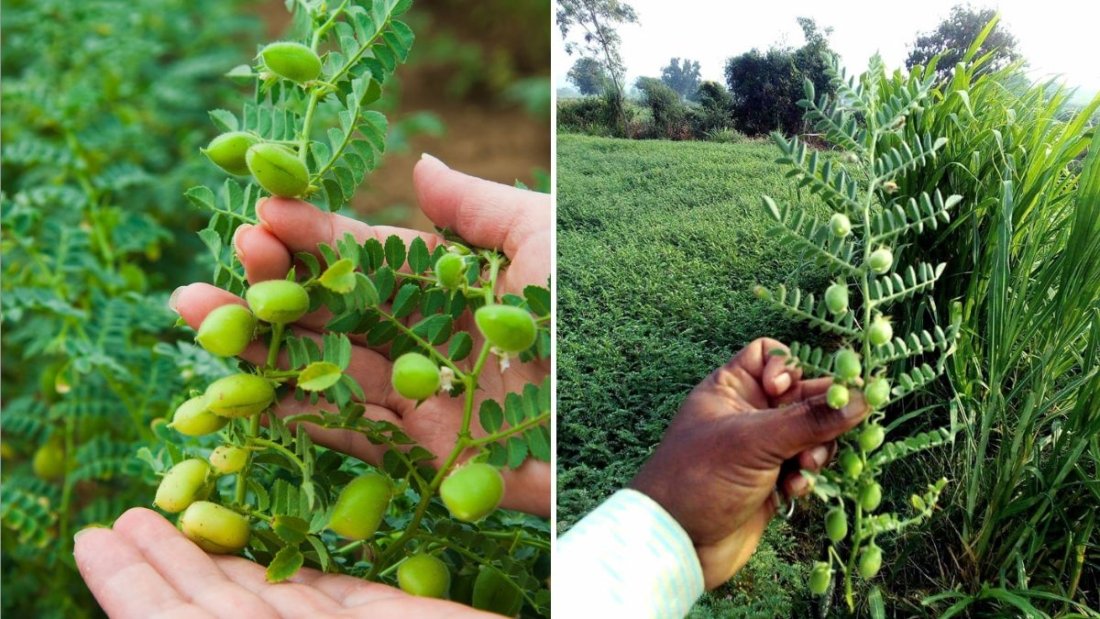
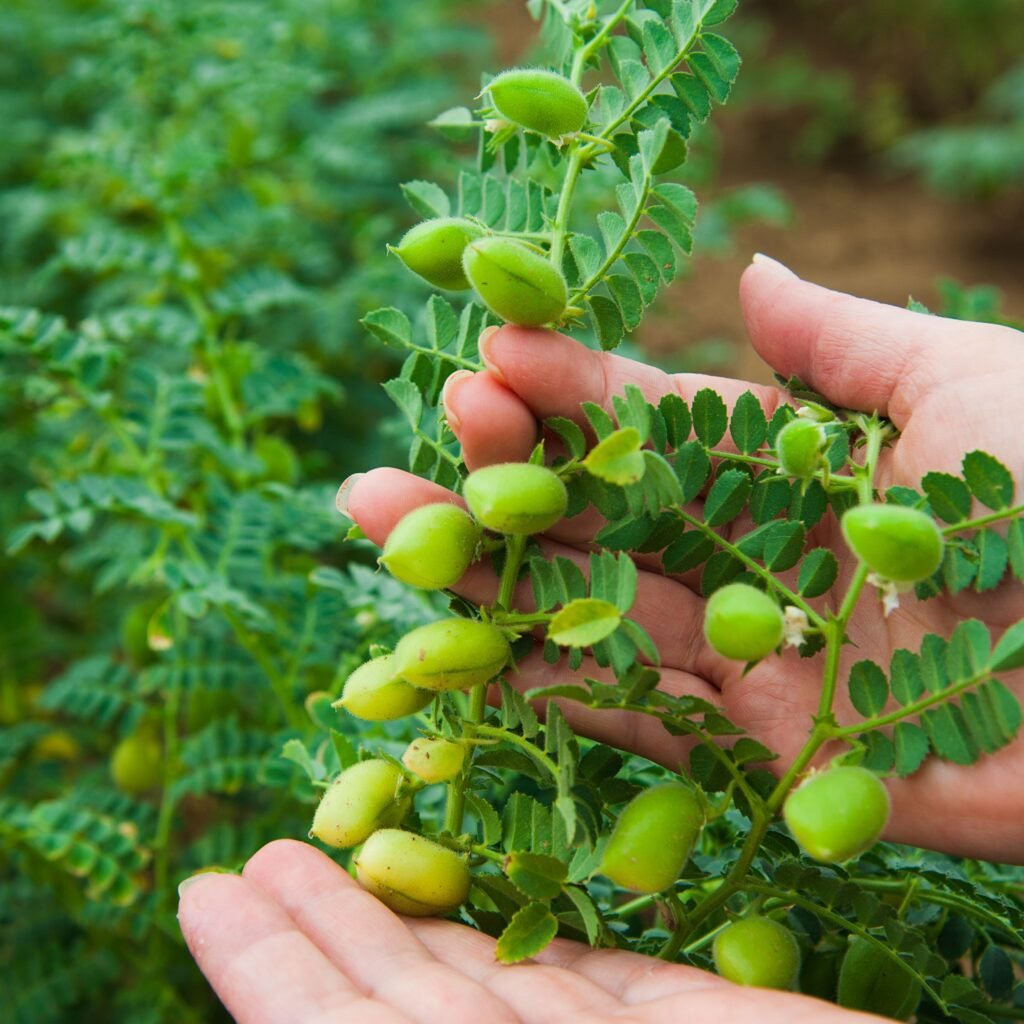
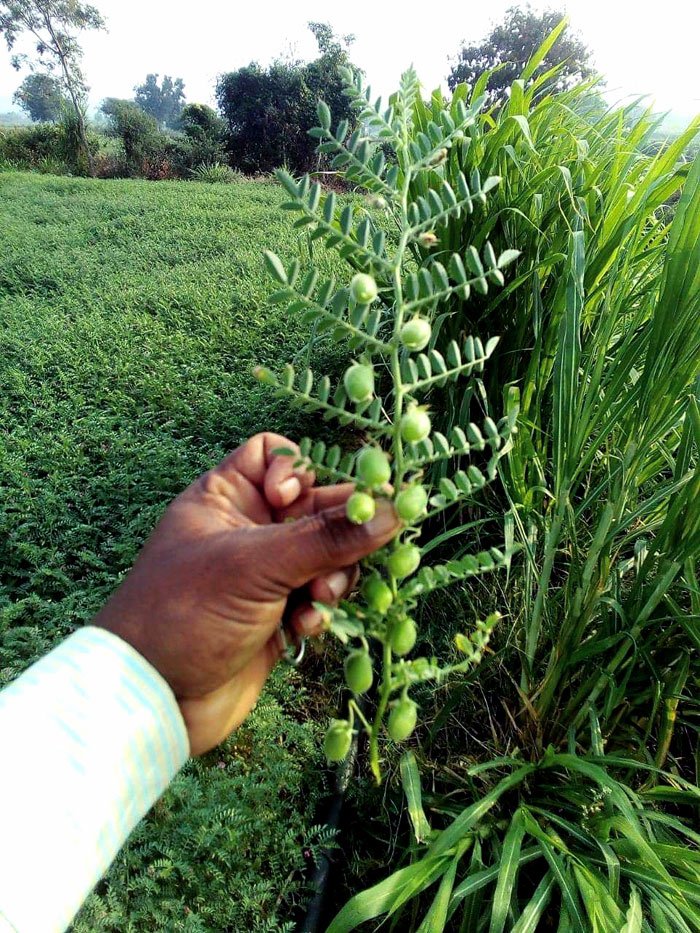
Chickpeas America’s Favorite Plant Protein Powerhouse Taking Over Healthy Eating

Chickpeas America’s Favorite Plant Protein Powerhouse Taking Over Healthy Eating

In the evolving world of American nutrition, one ingredient has quietly made its way from ancient Middle Eastern kitchens to salad bars, snack aisles, and gourmet menus across the U.S. — chickpeas, also known as garbanzo beans. Whether blended into creamy hummus, roasted into crunchy snacks, or tossed into a hearty salad, chickpeas have become a staple for anyone seeking balanced, plant-powered meals.

This tiny beige legume has earned superstar status for good reason: it’s affordable, versatile, and brimming with nutrition. Below, we’ll explore why chickpeas are one of the best ingredients to include in your diet, how to use them in everyday American meals, and what makes them the ultimate food for modern healthy living.


What Are Chickpeas?

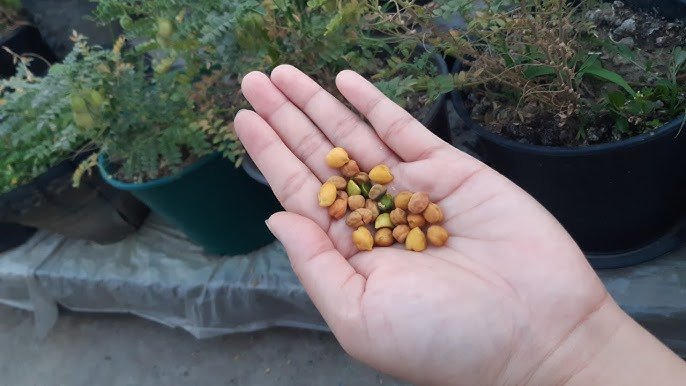
Chickpeas (scientifically known as Cicer arietinum) are part of the legume family, the same group that includes lentils, peas, and beans. Originating from the Middle East thousands of years ago, they’ve become a global food phenomenon. In the U.S., chickpeas are now widely grown — especially in states like Washington, Idaho, and Montana — to meet the booming demand for plant-based protein and vegan-friendly foods.

There are two main varieties of chickpeas:

  • Kabuli chickpeas – The larger, cream-colored type you’ll find in most American grocery stores and in classic hummus recipes.
  • Desi chickpeas – Smaller, darker, and more common in Indian and Middle Eastern cuisines.

The Nutritional Benefits of Chickpeas

1. A Complete Plant-Based Protein

For those looking to cut back on meat, chickpeas are a perfect protein source. One cooked cup delivers about 15 grams of protein, making it ideal for vegans, vegetarians, and flexitarians. Pairing chickpeas with whole grains (like brown rice or quinoa) provides all nine essential amino acids, forming a complete protein — the same kind found in animal sources.

2. High in Fiber for Gut and Heart Health

A single serving of chickpeas provides 12–13 grams of dietary fiber, which supports healthy digestion, stabilizes blood sugar, and helps lower LDL cholesterol. Regularly eating fiber-rich foods like chickpeas has been linked to reduced risks of heart disease, diabetes, and obesity — three major health concerns in the American diet.

3. Packed with Vitamins and Minerals

Chickpeas are loaded with important micronutrients such as iron, magnesium, potassium, zinc, folate, and vitamin B6. These nutrients play key roles in energy metabolism, muscle recovery, and red blood cell production — all crucial for maintaining long-term wellness.

4. Great for Weight Management

Because they’re rich in both protein and fiber, chickpeas help you feel full longer, reducing cravings between meals. Studies show that people who eat legumes regularly tend to maintain a healthier weight and make better overall food choices.

5. Naturally Gluten-Free and Low-Fat

Chickpeas are naturally gluten-free and very low in saturated fat, making them suitable for a variety of modern diets — including Mediterranean, plant-based, heart-healthy, and gluten-free plans.


Health Benefits That Make Chickpeas a Superfood

Supports Blood Sugar Control

Thanks to their low glycemic index (GI) and high fiber content, chickpeas help slow sugar absorption, preventing sudden spikes and crashes. This makes them a smart choice for people with type 2 diabetes or anyone aiming to maintain steady energy throughout the day.

Promotes Heart Health

The combination of potassium, magnesium, and soluble fiber supports cardiovascular health by helping lower cholesterol and improve blood vessel function. Replacing animal protein with chickpeas a few times a week is a simple way to improve heart health.

Boosts Gut Health

Chickpeas contain prebiotic fibers that feed the healthy bacteria in your gut, supporting digestion and overall immune function. A happy gut often translates into better mood, energy, and metabolism.


How to Buy and Prepare Chickpeas

In the U.S., chickpeas are easy to find in three main forms: canned, dried, and roasted.

1. Canned Chickpeas

These are pre-cooked and ready to use, making them perfect for busy families or quick meals. Simply drain and rinse them to remove excess sodium. They’re ideal for salads, soups, stews, and dips like hummus.

2. Dried Chickpeas

Dried chickpeas are budget-friendly and easy to cook with a bit of planning. Soak them overnight in water, then simmer for 45–60 minutes until tender. The flavor is richer and nuttier than the canned version — great for homemade soups, curries, and falafel.

3. Roasted Chickpeas

A growing trend in the U.S. snack market, roasted chickpeas are crunchy, satisfying, and available in dozens of flavors. You can also make them at home — just toss cooked chickpeas in olive oil and spices, then bake until golden and crisp.


Creative Ways to Use Chickpeas in American Meals

1. The Classic Hummus Spread

Blend cooked chickpeas with tahini, lemon juice, olive oil, garlic, and a pinch of salt for creamy, protein-packed hummus. Serve it as a dip with veggies or spread it on sandwiches instead of mayonnaise.

2. Chickpea Salads

Toss chickpeas with diced cucumbers, tomatoes, red onion, feta, and parsley for a quick Mediterranean salad. Or try a Southwest-inspired version with corn, avocado, black beans, and lime dressing.

3. Plant-Based Burgers

Mash chickpeas with breadcrumbs, garlic, onions, and spices to create your own veggie burgers. They’re hearty, satisfying, and grill beautifully — perfect for a summer barbecue.

4. Chickpea Curry or Stew

Simmer chickpeas in coconut milk with curry powder, garlic, and spinach for a cozy, comforting meal. It’s rich in flavor and nutrients without relying on meat.

5. Roasted Chickpea Snack

Roast chickpeas with olive oil, sea salt, paprika, or chili powder for a crispy, high-protein snack. They make a fantastic substitute for chips or croutons.

6. Chickpea Flour Baking

Chickpea flour (also called besan or gram flour) is gluten-free and high in protein. Use it to make pancakes, fritters, or as a thickener in soups and sauces. It’s gaining popularity among American bakers for its nutrition and versatility.


Chickpeas and Modern American Diet Trends

From meal-prep bowls to vegan desserts, chickpeas have found their place in nearly every corner of the American food scene. Here’s why they’re not just a trend — they’re the future of healthy eating:

  • Perfect for Plant-Based Diets: As more Americans embrace flexitarian and vegan lifestyles, chickpeas offer a nutrient-rich replacement for animal protein.
  • Sustainably Grown: Chickpeas enrich the soil by fixing nitrogen, making them an eco-friendly crop that supports sustainable agriculture.
  • Affordable Nutrition: At a time when grocery prices are rising, chickpeas offer one of the most budget-friendly sources of protein, fiber, and nutrients.
  • Versatile for Any Cuisine: From tacos and Buddha bowls to soups and snacks, chickpeas adapt easily to American cooking styles.

Quick Recipe: Mediterranean Chickpea Power Bowl

Ingredients:

  • 1 can chickpeas, drained and rinsed
  • 1 cup cooked quinoa or brown rice
  • ½ cup diced cucumber
  • ½ cup cherry tomatoes, halved
  • ¼ cup red onion, finely chopped
  • 2 tablespoons olive oil
  • Juice of 1 lemon
  • 1 tablespoon tahini or Greek yogurt
  • Salt, pepper, and a pinch of cumin

Instructions:

  1. In a large bowl, combine quinoa, chickpeas, cucumber, tomatoes, and red onion.
  2. In a small bowl, whisk together olive oil, lemon juice, tahini, and spices.
  3. Pour dressing over the salad and toss until well coated.
  4. Top with feta cheese or avocado (optional) and enjoy!

This protein-packed bowl is perfect for meal prep, lunch on the go, or a quick post-workout meal.


Final Thoughts

Chickpeas are more than just a humble legume — they’re a nutrition-packed, eco-friendly, and affordable superfood that fits perfectly into the modern American lifestyle. From supporting heart and gut health to fueling your day with clean energy, chickpeas check every box for balanced eating.

Whether you blend them into smooth hummus, roast them for snacks, or cook them into a warm stew, chickpeas prove that eating healthy doesn’t have to be boring or complicated.

So next time you’re planning your weekly grocery run, grab a few cans or a bag of dried chickpeas. Experiment, mix, and create — because when it comes to wholesome, flavorful, and sustainable food, chickpeas truly are America’s plant-based powerhouse.

Beans America’s New Plant-Powerhouse You Should Be Eating

Beans America’s New Plant-Powerhouse You Should Be Eating

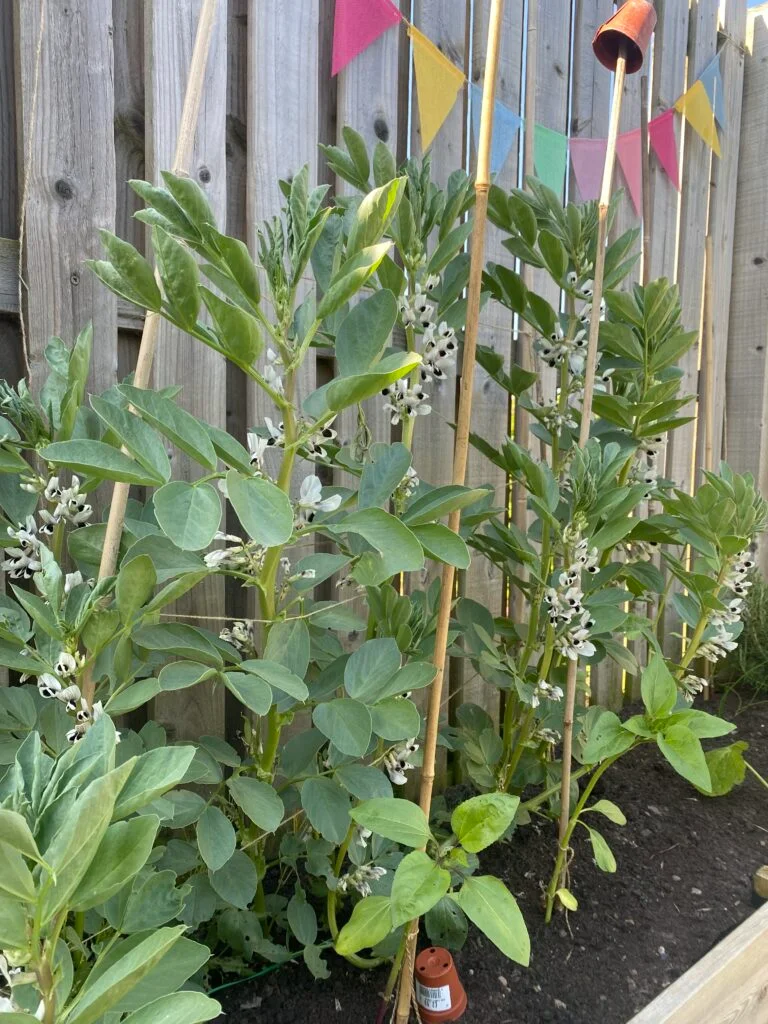
In a nation increasingly embracing plant-based protein and clean-eating culture, one humble legume is poised for a breakout moment: the fava bean (also known as the broad bean). With outstanding nutrition, a delightful texture, and surprising versatility in the kitchen, fava beans are becoming a go-to for health-conscious Americans. This article explores why you should consider adding them to your grocery list, how to pick and prepare them, and some of the tastiest ways to cook them.


Why Fava Beans Deserve “Superfood” Status

Nutrition at a Glance

One cooked cup of fava beans packs a remarkable nutrient punch: about 187 calories, 13 g of plant-based protein, 9 g of fiber, and rich amounts of folate, manganese, copper, phosphorus, magnesium, and iron. They also offer soluble fiber, which supports digestive and heart health, and are virtually free of saturated fat.

Heart and Circulation Perks

Because fava beans are rich in magnesium and potassium, they may help relax blood vessels and support healthy blood pressure. Added soluble fiber contributes to lowering “bad” LDL cholesterol as part of a balanced diet.

Weight-Management and Fullness

With their combination of fiber and protein, fava beans are a smart addition when you want to feel full longer and support lean eating habits without resorting to heavy meat-based proteins.

Immune, Bone, and Blood Health Benefits

  • Folate: essential for healthy cell division and especially important for women.
  • Manganese and copper: promote bone formation and strength.
  • Iron: helps in the fight against anemia, particularly in vegetarian or plant-forward diets.

A Note on Special Considerations

If you have the genetic condition known as G6PD deficiency, consumption of fava beans can trigger “favism,” a type of hemolytic anemia. Also, fava beans contain anti-nutritional factors like vicine and convicine, but processing (soaking and cooking) reduces them significantly.


How to Buy, Prep, and Store Fava Beans

When and Where to Find Them

In the U.S., fresh fava beans are typically seasonal in spring (March through May). You can find them at farmers markets, specialty grocers, or upscale produce stands. Outside of the fresh season, dried or frozen versions are an excellent substitute.

How to Choose the Best Beans

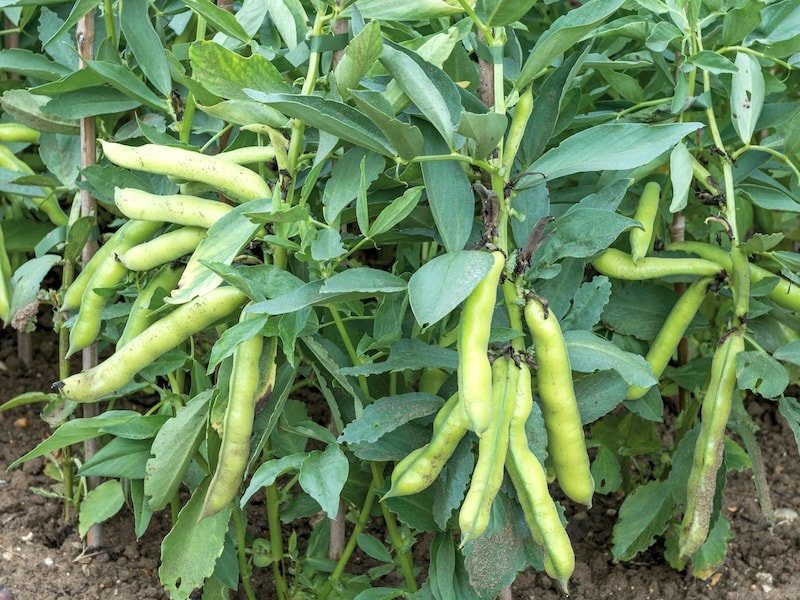
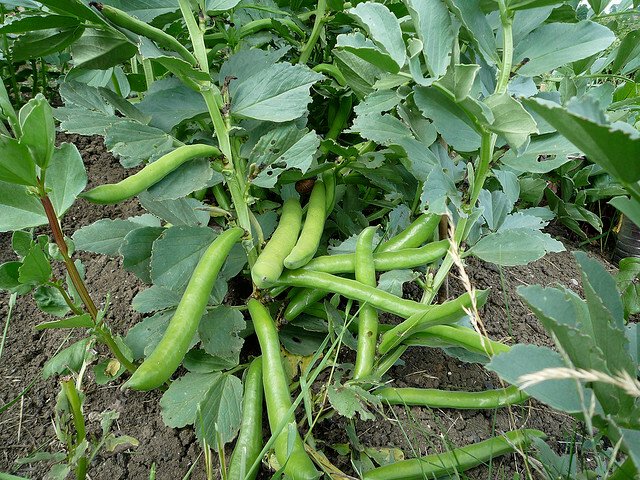
  • Look for pods that are firm, deep green, and filled out (not shriveled).
  • The beans inside should feel plump. If pods are dry or limp, the beans will likely be tougher.
  • For dried fava beans, choose uniform, clean beans from a trusted source.

Preparing Fresh Fava Beans

  1. Shell the beans — remove them from the pods.
  2. Blanch the shelled beans in salted boiling water for 1–2 minutes, then plunge them into ice water to preserve their bright green color.
  3. Peel the outer skin of each bean, especially for larger ones. This step, known as “double podding,” reveals the tender, sweet interior.
  4. Use immediately, or freeze after blanching for later use.

Storage Tips

  • Fresh in pods: keep in a paper bag in the refrigerator for up to a week.
  • Shelled/blanched: store in a sealed container in the fridge for 3–5 days, or freeze for long-term storage.
  • Dried beans: store in a cool, dry place; soak overnight before cooking.

Delicious Ways to Eat Fava Beans

Simple Sides and Salads

These beans shine with minimal adornment. Toss with olive oil, lemon zest, sea salt, and fresh herbs for a vibrant, spring-forward side dish.

Pasta, Risotto, or Grain Bowls

Add blanched, peeled fava beans to pasta with peas, mint, and lemon. They add color, texture, and plant-based protein. You can also fold them into risotto or quinoa bowls for a hearty, nutritious upgrade.

Mashed or Puréed as a Dip

Make a bright green fava-bean mash with garlic, olive oil, and lemon juice. Spread it on toast, pair it with pita chips, or serve as a dip with fresh vegetables. The flavor is rich, nutty, and a little earthy — perfect for appetizers or snacks.

Substitute for Other Beans in Recipes

Use dried fava beans in stews, soups, or vegan entrées. They have a meaty texture and mild flavor that absorbs seasonings beautifully. They work especially well in dishes like Mediterranean stews or Egyptian-style ful medames.

Roast or Grill in the Pod

For a fun twist, try grilling whole fava bean pods. Brush them lightly with olive oil and cook until charred. When you open the pods, the beans inside will have a smoky flavor and a creamy interior — an interactive, crowd-pleasing appetizer.


Why American Foodies Should Get on Board

  • Plant-based eating is booming: As more Americans look to cut back on meat and add nutrient-dense alternatives, fava beans fit right in.
  • Seasonal excitement: Fresh fava beans signal springtime abundance, making them a culinary celebration of the season.
  • Instagram-worthy dishes: Their vivid green color and rustic pods make fava beans naturally photogenic — perfect for sharing your meal creations online.
  • Kitchen versatility: From rustic home cooking to upscale restaurant menus, fava beans can adapt to countless dishes.
  • Nutritional value: For people seeking high protein and fiber with minimal fat, fava beans are a clean, nutrient-packed choice.

Tips for U.S. Shoppers and Cooks

  • Check international or Mediterranean aisles for dried or frozen fava beans when fresh ones aren’t in season.
  • Buy extra fresh beans and freeze them after blanching — you’ll have them ready to go all year.
  • If peeling seems tedious, start with young, tender beans where the outer skin is still soft and edible.
  • Combine fava beans with vitamin-C-rich foods like lemon or bell peppers to improve iron absorption — a smart tip for vegetarians.
  • Always cook fava beans thoroughly and introduce them gradually if you’re new to them or have any sensitivities.

Quick Recipe: Lemon-Herb Fava Bean and Quinoa Salad

Ingredients:

  • 2 cups shelled and peeled fava beans (blanched)
  • 1 cup cooked quinoa
  • ½ cup chopped fresh parsley
  • ¼ cup finely diced red onion
  • 1 lemon (juice and zest)
  • 2 tablespoons olive oil
  • Salt and pepper to taste
  • Optional: ¼ cup crumbled feta or chopped roasted almonds

Instructions:

  1. Combine quinoa, fava beans, parsley, and red onion in a large bowl.
  2. Whisk together lemon juice, lemon zest, olive oil, salt, and pepper.
  3. Pour the dressing over the salad and toss well.
  4. Add feta or almonds if desired.
  5. Serve chilled or at room temperature.

This refreshing, protein-rich salad makes an excellent vegetarian main dish or a bright side for grilled meats, fish, or tofu.


Final Thoughts

If you haven’t tried fava beans yet, now is the perfect time. Their exceptional nutrition, spring-fresh flavor, and adaptability make them a standout in the world of plant-based eating. Whether you’re a health-focused eater, a home cook exploring new ingredients, or a foodie chasing vibrant flavors, fava beans deliver on every level.
Yes, they take a little extra effort to shell and peel — but the payoff is worth it. The result is a buttery texture, nutty flavor, and a vibrant green pop that elevates any dish.

So next time you spot those thick green pods at your local farmers market or find dried favas in the grocery store, don’t pass them by. Grab a handful, give them a try, and enjoy one of the world’s most underrated plant-based powerhouses.

Fava beans are ready for America’s table — and for your plate.

Honeydew Melon Heaven The Ultimate American Guide to Growing, Selecting, and Enjoying This Sweet Summer Fruit

Honeydew Melon Heaven The Ultimate American Guide to Growing, Selecting, and Enjoying This Sweet Summer Fruit

Few fruits are as refreshing, versatile, and subtly sweet as honeydew melon. Known for its smooth, pale green flesh and mildly sweet flavor, honeydew melon has become a summer staple in American kitchens, fruit salads, and backyard gatherings. Loved for its high water content, natural sweetness, and nutrient density, honeydew melon is not only delicious but also a healthy addition to your diet.

In this comprehensive guide, we’ll explore everything you need to know about honeydew melon — from selecting the perfect fruit at the store to growing it in your own garden, understanding its health benefits, and incorporating it into American recipes and meals.


What Is Honeydew Melon?

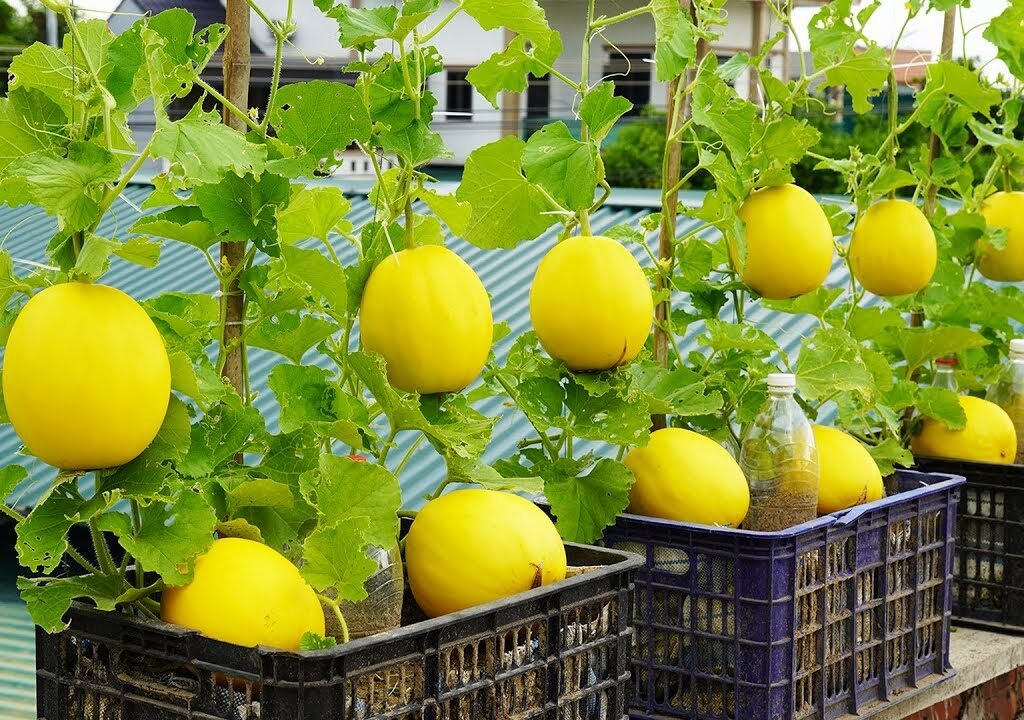
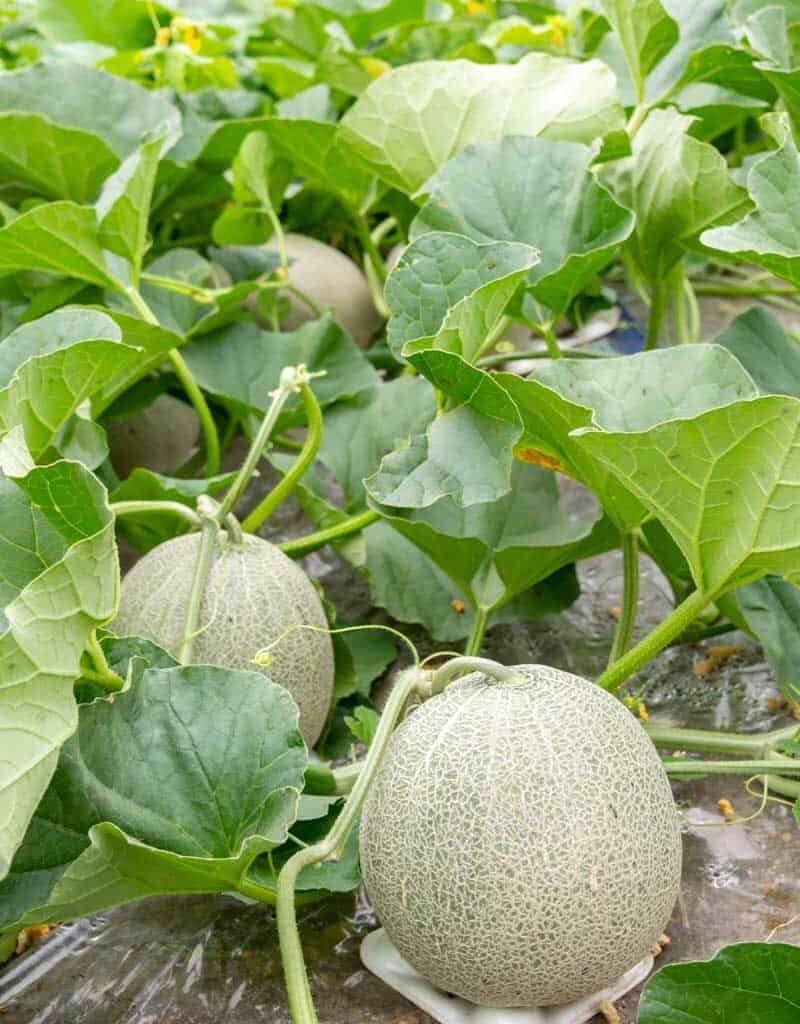
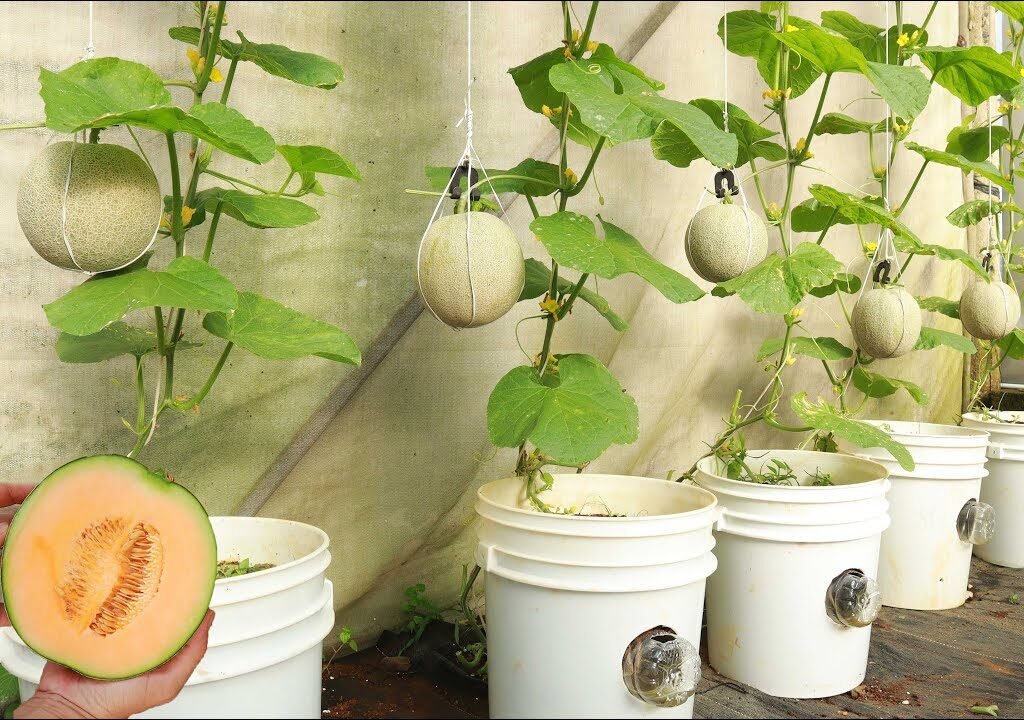
Honeydew melon (Cucumis melo var. inodorus) belongs to the Cucurbitaceae family, which includes cucumbers, cantaloupes, and watermelon. It is characterized by its smooth, pale-yellow to green rind and soft, green, juicy interior. Unlike cantaloupe, honeydew has a milder, subtly sweet flavor, making it ideal for people who prefer less intensely sweet fruits.

Honeydew melons thrive in warm climates and are widely grown in the United States, particularly in California, Texas, and Arizona. Their long shelf life and versatility make them a popular choice for fresh snacking, salads, smoothies, and chilled desserts.


Nutritional Value of Honeydew Melon

Honeydew melon is low in calories but packed with essential vitamins and minerals. One cup (about 177 grams) of diced honeydew contains:

  • Calories: 64
  • Carbohydrates: 16 grams
  • Protein: 1 gram
  • Fat: 0.2 grams
  • Fiber: 1.4 grams
  • Vitamin C: 53% of the Daily Value (DV)
  • Vitamin B6: 7% of the DV
  • Potassium: 12% of the DV
  • Folate: 8% of the DV

Its high water content and nutrient profile make honeydew melon an excellent choice for hydration, digestion, and overall wellness.


Health Benefits of Honeydew Melon

Honeydew melon is more than just a sweet, juicy snack. It provides several health benefits that make it an ideal fruit for Americans seeking both flavor and nutrition:

1. Hydration Boost

With over 90% water content, honeydew melon helps keep you hydrated, especially during hot summer months.

2. Supports Heart Health

Potassium in honeydew melon helps maintain healthy blood pressure levels and supports proper heart function.

3. Enhances Immune Function

High in vitamin C, honeydew melon strengthens the immune system, helping protect against infections and supporting tissue repair.

4. Promotes Healthy Digestion

The fiber content in honeydew aids digestion, prevents constipation, and promotes a healthy gut.

5. Skin and Hair Health

Vitamin C in honeydew is essential for collagen production, contributing to healthy skin and hair.

6. Supports Weight Management

Low in calories and high in water, honeydew melon provides satiety with minimal calorie intake, making it a perfect snack for those watching their weight.

7. Bone and Eye Health

Honeydew contains potassium and vitamin B6, which support bone density and healthy vision.


Popular Honeydew Melon Varieties in America

Several honeydew varieties are commonly grown and enjoyed across the United States:

1. Green Honeydew

  • The classic honeydew melon with pale green flesh.
  • Sweet, juicy, and ideal for fresh consumption and fruit salads.

2. Orange-Fleshed Honeydew

  • Sweet, aromatic fruit with orange flesh similar to cantaloupe.
  • Adds a vibrant color to salads and desserts.

3. Snowball Honeydew

  • Smooth-skinned, slightly smaller fruit.
  • Sweet and ideal for chilled summer treats.

4. Honey Brew

  • High sugar content, exceptionally sweet and juicy.
  • Perfect for eating fresh or in smoothies.

How to Grow Honeydew Melon in the U.S.

Honeydew melon thrives in warm, sunny conditions, making it perfect for American gardeners in temperate to hot climates. Here’s a guide to growing honeydew melons at home:

1. Climate and Soil Requirements

  • Prefers full sun and temperatures between 70–85°F.
  • Requires well-draining, fertile soil rich in organic matter.
  • Ideal soil pH: 6.0–6.8.

2. Planting

  • Start seeds indoors 3–4 weeks before the last frost or sow directly outdoors once the soil is warm.
  • Space plants 24–36 inches apart to accommodate sprawling vines.
  • Mounding soil or planting on hills improves drainage and warmth.

3. Watering

  • Keep soil evenly moist during flowering and fruit development.
  • Reduce watering slightly as fruits mature to concentrate natural sugars.

4. Fertilizing

  • Use a balanced fertilizer at planting and during fruit set.
  • Avoid excessive nitrogen to prevent leafy growth over fruit production.

5. Pollination

  • Bees and other pollinators are essential for fruit development.
  • Hand-pollination may be required in areas with few pollinators.

6. Harvesting

  • Honeydew is ready to harvest when the skin turns pale yellow and feels slightly waxy.
  • Ripe fruits have a sweet aroma and slightly soft blossom end.
  • Avoid picking fruits too early, as they do not continue to ripen off the vine.

How to Select and Store Honeydew Melon

Choosing the Perfect Honeydew

  • Look for smooth, pale yellow or cream-colored rind.
  • Check for slight softness at the blossom end, indicating ripeness.
  • Avoid green or overly firm melons, which may not be fully ripe.

Storage Tips

  • Whole honeydew: Store at room temperature until fully ripe.
  • Refrigeration: Keep whole or cut fruit in the fridge for up to 5–7 days.
  • Freezing: Peel, cube, and freeze for smoothies, sorbets, or chilled desserts.

Delicious Honeydew Melon Recipes for American Kitchens

1. Honeydew Fruit Salad

  • Combine honeydew, cantaloupe, pineapple, and fresh mint.
  • Serve chilled for a refreshing summer snack.

2. Honeydew Smoothie

  • Blend honeydew with yogurt, ice, and a touch of honey.
  • Add cucumber for extra hydration and flavor.

3. Honeydew Gazpacho

  • Puree honeydew with cucumber, lime juice, and mint for a chilled soup.
  • Perfect for hot summer days.

4. Honeydew Sorbet

  • Blend honeydew with a little sugar and lemon juice.
  • Freeze in ice cube trays or an ice cream maker for a refreshing dessert.

5. Honeydew Salsa

  • Dice honeydew and mix with jalapeño, red onion, cilantro, and lime juice.
  • Serve with grilled fish, shrimp, or chicken for a sweet and spicy twist.

Fun Facts About Honeydew Melon

  • Honeydew melon is native to West Africa, but has become a popular fruit in American kitchens.
  • The fruit was first introduced to the U.S. in the late 1800s and has since become a summer favorite.
  • Honeydew melons are over 90% water, making them an excellent hydrating snack.
  • Honeydew pairs well with prosciutto, feta cheese, mint, and lime, offering both sweet and savory culinary options.
  • The vine can spread significantly, so gardeners often provide trellises or adequate spacing for optimal growth.

Honeydew Melon vs. Other Melons

FruitCalories per 100gKey NutrientFlavorBest Use
Honeydew36Vitamin C & PotassiumMild, sweetSalads, smoothies, desserts
Cantaloupe34Vitamin A & CSweet, aromaticFruit bowls, smoothies, desserts
Watermelon30Lycopene & Vitamin CJuicy, refreshingSlicing, drinks, grilling

Honeydew’s subtle sweetness and hydrating qualities make it ideal for Americans looking for a refreshing, low-calorie fruit option during summer.


Conclusion: Why Honeydew Melon Is America’s Summer Delight

Honeydew melon is more than just a fruit — it’s a hydrating, nutrient-rich, versatile, and delicious summer superfood. Its benefits include:

  • Hydration: Over 90% water keeps you refreshed and energized.
  • Nutrition: High in vitamin C, potassium, and antioxidants.
  • Culinary versatility: Ideal for fruit salads, smoothies, chilled soups, and desserts.
  • Gardening appeal: Thrives in warm climates with high yield potential.

From farmers’ markets to backyard gardens and American kitchens, honeydew melon is a must-have summer staple. Its subtle sweetness, refreshing juiciness, and numerous health benefits make it a favorite fruit for families, health enthusiasts, and home cooks across the United States. Whether eaten fresh, blended into smoothies, or turned into a chilled dessert, honeydew melon proves that simple, naturally sweet fruits can bring maximum enjoyment and nutrition to any American summer.

Watermelon Wonders The Ultimate American Guide to Growing, Eating, and Enjoying This Juicy Summer Favorite

Watermelon Wonders The Ultimate American Guide to Growing, Eating, and Enjoying This Juicy Summer Favorite

Few fruits define American summers quite like watermelon. From backyard barbecues to 4th of July picnics, this iconic fruit embodies refreshment, sweetness, and fun. With its vibrant red or pink flesh, juicy texture, and signature green rind, watermelon is a staple in American kitchens, farmers’ markets, and home gardens.

Beyond its delicious taste, watermelon is packed with nutrients, antioxidants, and hydrating properties, making it a smart choice for health-conscious Americans. In this comprehensive guide, we’ll explore everything you need to know about watermelon — from varieties and health benefits to planting tips, storage advice, and creative recipes.


What Is Watermelon?

Watermelon (Citrullus lanatus) is a large, vine-growing fruit belonging to the Cucurbitaceae family, which also includes cucumbers, squash, and melons. Native to Africa, watermelon was brought to the Americas centuries ago and has since become a beloved summer staple across the United States.

Watermelons are typically known for their high water content — about 92% water — which makes them naturally hydrating and refreshing. They also contain sugars, fiber, and vitamins that make them both delicious and nutritious.


Nutritional Value of Watermelon

Watermelon is low in calories yet rich in essential nutrients. One cup (about 152 grams) of diced watermelon contains:

  • Calories: 46
  • Carbohydrates: 12 grams
  • Protein: 1 gram
  • Fat: 0.2 grams
  • Fiber: 0.6 grams
  • Vitamin C: 21% of the Daily Value (DV)
  • Vitamin A: 18% of the DV
  • Potassium: 5% of the DV
  • Lycopene: 6,500 micrograms per cup

Lycopene, a powerful antioxidant also found in tomatoes, contributes to heart health, skin protection, and reduced risk of chronic diseases.


Health Benefits of Watermelon

Watermelon is more than just a sweet treat — it’s a superfruit with multiple health benefits:

1. Hydration

With over 90% water content, watermelon is excellent for staying hydrated during hot summer months.

2. Heart Health

Lycopene, vitamin C, and potassium in watermelon support cardiovascular health by reducing blood pressure and improving cholesterol levels.

3. Digestive Health

Though low in fiber, watermelon contains water-rich compounds that aid digestion and promote regularity.

4. Anti-Inflammatory and Antioxidant Properties

Watermelon contains lycopene, cucurbitacin E, and vitamin C, which help combat oxidative stress and inflammation.

5. Skin and Eye Health

Vitamin A and beta-carotene in watermelon support healthy skin and vision, helping prevent dryness and age-related eye issues.

6. Exercise Recovery

Watermelon contains L-citrulline, an amino acid that may reduce muscle soreness after exercise, making it popular among fitness enthusiasts.


Popular Watermelon Varieties in America

Watermelon comes in a wide range of sizes, shapes, and colors, each suited for different American tastes:

1. Seedless Watermelon

  • Sweet, crisp, and convenient without seeds.
  • Perfect for fresh snacking and family gatherings.

2. Picnic Watermelon

  • Large, traditional watermelon, often 15–25 pounds.
  • Great for parties, barbecues, and outdoor events.

3. Icebox Watermelon

  • Small, compact, and easy to store in a refrigerator.
  • Weighs 5–15 pounds, ideal for smaller households.

4. Yellow/Orange Watermelon

  • Yellow or orange flesh with a sweeter, honey-like flavor.
  • Adds color variety to fruit salads and platters.

5. Crimson Sweet

  • Classic striped green rind with bright red flesh.
  • Popular at grocery stores and farmers’ markets nationwide.

How to Grow Watermelon in the U.S.

Watermelon thrives in warm climates and well-draining soil. Many Americans grow watermelon in home gardens during summer. Here’s how to cultivate this juicy fruit successfully:

1. Climate and Soil Requirements

  • Prefers full sun and temperatures between 70–85°F.
  • Requires well-drained, sandy or loamy soil enriched with organic matter.
  • Ideal pH: 6.0–6.8.

2. Planting

  • Start seeds indoors 3–4 weeks before the last frost or sow directly outdoors after frost.
  • Space plants 3–5 feet apart to accommodate spreading vines.
  • Use hills or mounds to improve drainage and soil warmth.

3. Watering

  • Water consistently during flowering and fruit development.
  • Reduce watering as fruit ripens to enhance sweetness.

4. Fertilizing

  • Apply balanced fertilizer at planting and again during fruit set.
  • Avoid excessive nitrogen to prevent leafy growth at the expense of fruit.

5. Pollination

  • Watermelon requires bee pollination. Consider attracting pollinators or hand-pollinating flowers if needed.

6. Harvesting

  • Look for a creamy yellow spot on the underside where it rested on the soil.
  • Tap the fruit: a deep hollow sound indicates ripeness.
  • The tendril nearest the fruit may dry up when fully mature.

How to Select and Store Watermelon

Choosing the Perfect Watermelon

  • Check for a creamy yellow spot on the bottom.
  • Look for uniform shape and firm rind.
  • Avoid shiny or irregularly shaped fruits.
  • Tap for a deep, hollow sound.

Storage Tips

  • Whole watermelon: Store at room temperature for up to 2 weeks.
  • Cut watermelon: Keep in an airtight container in the refrigerator for 3–5 days.
  • Freezing: Dice and freeze watermelon for smoothies or popsicles.

Delicious Watermelon Recipes for American Kitchens

1. Classic Watermelon Salad

  • Combine cubed watermelon, feta cheese, fresh mint, and a drizzle of balsamic glaze.
  • Serve chilled as a refreshing summer salad.

2. Watermelon Smoothie

  • Blend watermelon with strawberries, lime juice, and ice for a hydrating, sweet beverage.

3. Grilled Watermelon

  • Lightly brush slices with olive oil and grill 2–3 minutes per side.
  • Top with feta or arugula for a smoky-sweet twist.

4. Watermelon Salsa

  • Dice watermelon, jalapeño, red onion, and cilantro.
  • Add lime juice and salt. Perfect with grilled fish or chicken.

5. Watermelon Popsicles

  • Blend watermelon, honey, and lime juice.
  • Pour into molds and freeze for a kid-friendly summer treat.

Fun Facts About Watermelon

  • America is one of the largest producers of watermelon, especially in California, Florida, Georgia, and Texas.
  • Watermelon contains over 90% water, making it nature’s ultimate hydrating fruit.
  • Botanically, watermelon is a fruit, but it’s also classified as a vegetable because it’s related to cucumbers and squash.
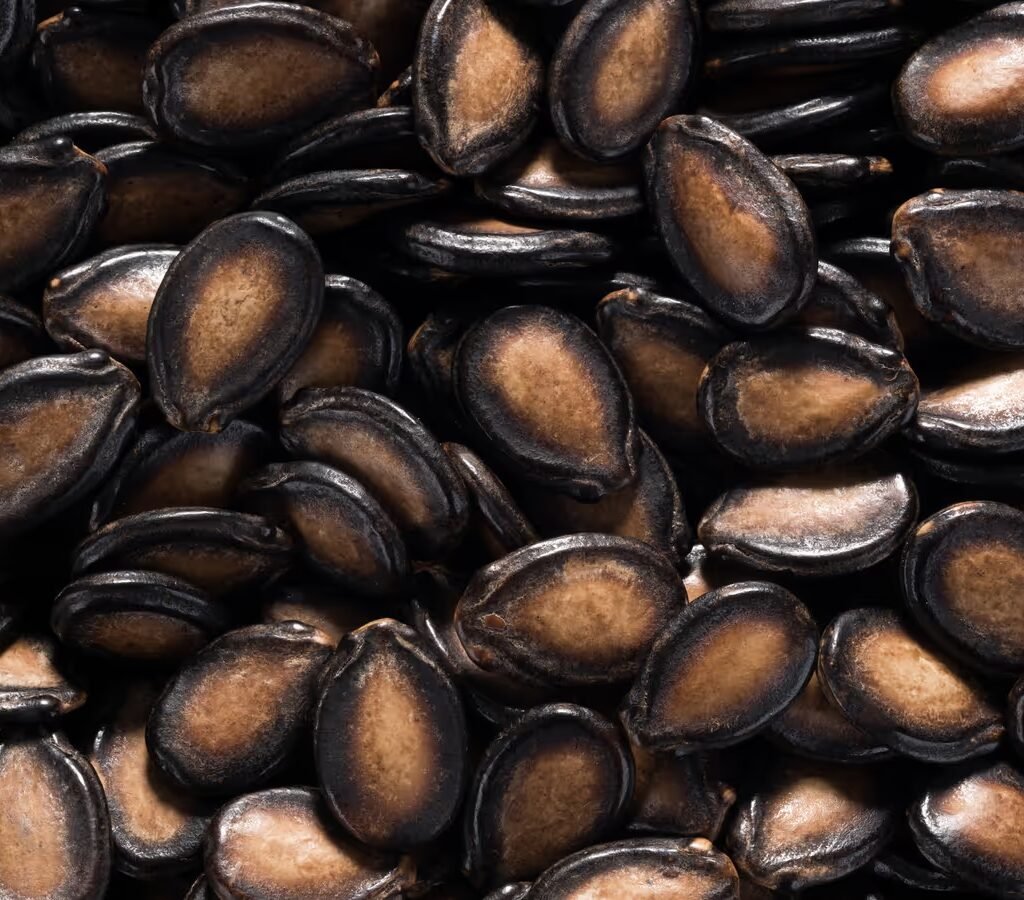
  • Watermelon seeds are edible and packed with nutrients; roasting them provides a crunchy snack.
  • Watermelon can vary in color: red, pink, yellow, and even orange-fleshed varieties exist.

Watermelon vs. Other Summer Fruits

FruitCalories per 100gKey NutrientTextureBest Use
Watermelon30Lycopene & Vitamin CJuicy, crispSalads, smoothies, grilling
Cantaloupe34Vitamin A & CSoft, sweetSalads, desserts, smoothies
Honeydew36Vitamin C & PotassiumFirm, smoothFresh snacking, smoothies
Pineapple50Vitamin C & ManganeseFibrous, juicyDesserts, grilling, drinks

Watermelon stands out for its high hydration content, low calories, and refreshing taste, making it ideal for American summer lifestyles.


Conclusion: Why Watermelon Is America’s Summer Superstar

Watermelon isn’t just a fruit — it’s a summer tradition, a health booster, and a versatile culinary ingredient. Its benefits include:

  • Hydration: Over 90% water keeps you cool and refreshed.
  • Nutrition: Packed with vitamins, antioxidants, and minerals.
  • Versatility: Perfect for salads, smoothies, desserts, grilling, and snacking.
  • Gardening appeal: Easy to grow in warm climates with a high yield potential.

From backyard gardens to farmers’ markets and festive summer meals, watermelon is a fruit that Americans love and trust. Its sweet, juicy flavor and hydrating qualities make it an essential part of any summer celebration. Whether eaten fresh, blended into drinks, or grilled for a smoky twist, watermelon proves that nature’s sweetest fruits are often the simplest and most enjoyable.


Melon Magic The Ultimate American Guide to Growing, Choosing, and Enjoying This Sweet Summer Superfruit

Melon Magic The Ultimate American Guide to Growing, Choosing, and Enjoying This Sweet Summer Superfruit

Few fruits embody the essence of summer in America quite like melon. From juicy cantaloupes to refreshing honeydews and vibrant watermelons, melons are a staple at backyard barbecues, picnics, and farmers’ markets across the country. Their natural sweetness, hydrating qualities, and versatile culinary applications make them a favorite among families, health enthusiasts, and home gardeners alike.

Beyond their delicious taste, melons are nutritional powerhouses packed with vitamins, antioxidants, and hydration benefits. This comprehensive guide will cover everything Americans need to know about melons — including varieties, growing tips, health benefits, storage strategies, and delicious ways to enjoy this summer superfruit.


What Is a Melon?

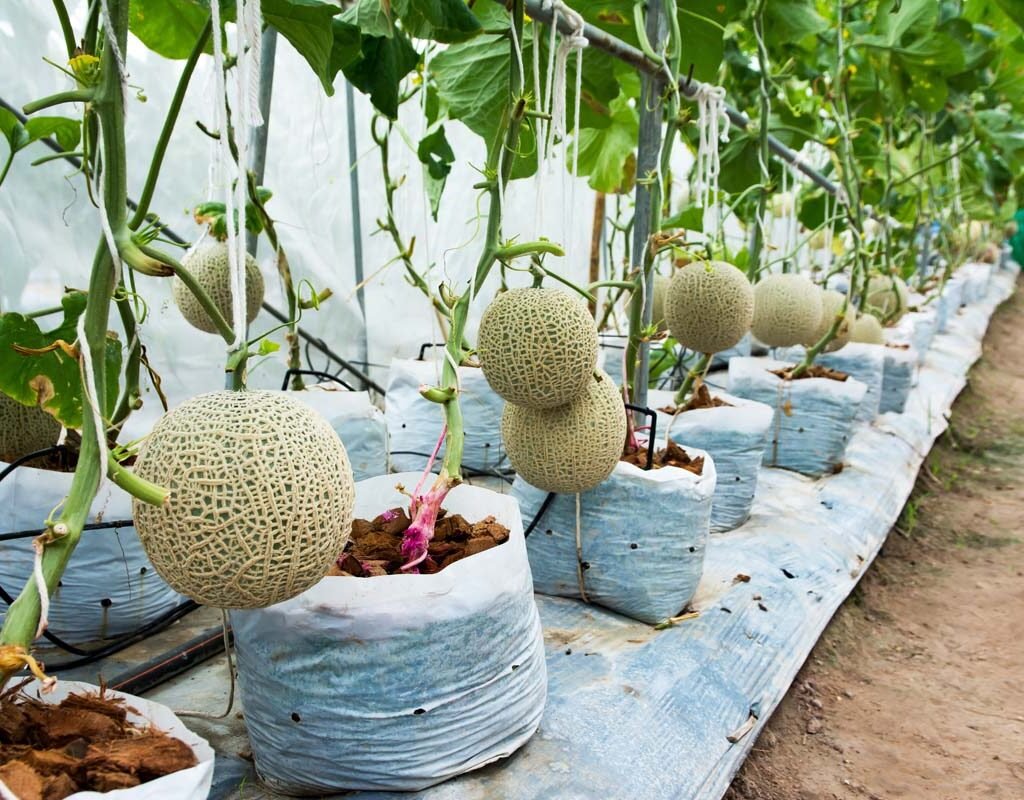
Melons belong to the Cucurbitaceae family, which also includes cucumbers, squash, and pumpkins. They are typically large, sweet fruits with high water content, perfect for keeping cool during hot summer months.

In the United States, melons are cultivated extensively in warmer states such as California, Texas, Florida, and Arizona. Popular types include cantaloupe, honeydew, watermelon, and specialty varieties like galia, canary, and Santa Claus melon.

Melons can be enjoyed fresh, in smoothies, salads, desserts, or even grilled, making them a versatile addition to the American diet.


Nutritional Value of Melons

Melons are low in calories but rich in essential nutrients, making them ideal for health-conscious Americans. One cup (about 160 grams) of cantaloupe contains:

  • Calories: 54
  • Carbohydrates: 14 grams
  • Protein: 1 gram
  • Fat: 0.3 grams
  • Fiber: 1.4 grams
  • Vitamin C: 65% of the Daily Value (DV)
  • Vitamin A: 33% of the DV
  • Potassium: 12% of the DV

Watermelon, another popular melon, contains similar nutrients along with lycopene, a powerful antioxidant associated with heart and prostate health.


Health Benefits of Melons

Melons offer a range of health benefits that make them a must-have for a balanced American diet:

1. Hydration

With over 90% water content, melons are excellent for hydration, especially during the hot summer months.

2. Supports Immune Health

High in vitamin C, melons help strengthen the immune system and fight infections.

3. Promotes Heart Health

Potassium and antioxidants in melons help regulate blood pressure, reduce inflammation, and support cardiovascular wellness.

4. Aids Digestion

Melons are a good source of dietary fiber, which promotes healthy digestion and regular bowel movements.

5. Supports Eye Health

Cantaloupe and other orange-fleshed melons are rich in beta-carotene, which supports vision and protects against age-related eye disorders.

6. Anti-Inflammatory and Antioxidant Properties

Lycopene in watermelon and various polyphenols in melons combat oxidative stress and may reduce the risk of chronic diseases.

7. Weight Management

Low in calories and high in water content, melons are filling and perfect for those managing their weight.


Popular Types of Melons in America

1. Cantaloupe (Muskmelon)

  • Sweet, orange-fleshed fruit.
  • Ideal for salads, smoothies, and fresh snacking.
  • Commonly sold in grocery stores and farmers’ markets nationwide.

2. Honeydew

  • Light green flesh with a mild, sweet flavor.
  • Perfect for summer fruit platters, chilled soups, and smoothies.

3. Watermelon

  • Juicy red or pink flesh with a crisp texture.
  • High in lycopene and perfect for barbecues, picnics, and juices.

4. Galia Melon

  • Yellow-green flesh, tropical aroma, sweet taste.
  • Great for exotic salads and fruit bowls.

5. Canary Melon

  • Bright yellow skin, pale green flesh, and mild sweetness.
  • Popular in fruit salads and chilled desserts.

6. Santa Claus Melon

  • Elongated, thick-skinned fruit with sweet, light green flesh.
  • Long shelf life makes it ideal for storage.

How to Grow Melons in the U.S.

Melons thrive in warm climates with plenty of sunlight and well-draining soil. Here’s how American gardeners can cultivate these sweet fruits at home:

1. Climate and Soil Requirements

  • Prefer temperatures between 70–90°F.
  • Require full sun and fertile, well-drained soil rich in compost or organic matter.
  • Ideal pH: 6.0–6.8.

2. Planting

  • Start seeds indoors 3–4 weeks before the last frost or sow directly outdoors after frost risk.
  • Space plants 24–36 inches apart for vining varieties.
  • Trellising is optional but recommended for vertical space-saving.

3. Watering

  • Keep soil consistently moist during flowering and fruit development.
  • Reduce watering as fruit matures to enhance sweetness.

4. Fertilizing

  • Apply balanced fertilizer at planting and during the growing season.
  • Avoid excessive nitrogen, which can promote foliage over fruit development.

5. Pollination

  • Bees and other pollinators are essential for melon fruit set.
  • Consider hand-pollinating if natural pollination is insufficient.

6. Harvesting

  • Cantaloupes: When the fruit slips easily from the stem and emits a sweet aroma.
  • Watermelons: When the tendril nearest the fruit dries out and the underside turns yellow.
  • Honeydew: When the skin turns slightly yellow and the fruit feels firm but slightly soft to touch.

How to Select and Store Melons

Choosing the Perfect Melon

  • Cantaloupe: Look for a firm rind with a sweet fragrance.
  • Watermelon: Check for a creamy yellow spot where it sat on the ground and a deep hollow sound when tapped.
  • Honeydew: Lightly yellow rind indicates ripeness; firm with a slight give at the blossom end.

Storage Tips

  • Whole melons: Store at room temperature until fully ripe, then refrigerate.
  • Cut melons: Keep in an airtight container in the refrigerator for up to 5 days.
  • Freezing: Dice melon and freeze for smoothies or desserts later.

Delicious American Recipes Featuring Melons

1. Classic Fruit Salad

  • Mix cantaloupe, honeydew, and watermelon with fresh mint and lime juice.
  • Serve chilled for a refreshing summer snack.

2. Watermelon Gazpacho

  • Blend watermelon, cucumber, red bell pepper, and tomato for a cold, savory soup.
  • Season with olive oil, salt, and lime juice.

3. Grilled Melon Skewers

  • Thread melon chunks with pineapple and peaches.
  • Grill briefly to caramelize sugars for a smoky, sweet treat.

4. Melon Smoothie

  • Blend cantaloupe, yogurt, honey, and ice.
  • Optional: Add a handful of spinach for extra nutrients.

5. Melon Salsa

  • Dice watermelon or cantaloupe with jalapeño, red onion, and cilantro.
  • Serve with grilled fish or chicken for a tangy, sweet twist.

Fun Facts About Melons

  • America is one of the largest producers of melons, particularly in California, Texas, and Florida.
  • Watermelon is technically a vegetable but considered a fruit for culinary purposes.
  • Melons are over 90% water, making them nature’s hydrating snack.
  • Cantaloupes were first cultivated in the U.S. in the 19th century.
  • Melons pair well with cheese, cured meats, and fresh herbs, offering endless culinary creativity.

Melons vs. Other Summer Fruits

FruitCalories per 100gKey NutrientTextureBest Use
Cantaloupe34Vitamin A & CSoft, juicySalads, smoothies, desserts
Honeydew36Vitamin C & PotassiumSmooth, firmFresh snacking, salads
Watermelon30Lycopene, Vitamin CCrisp, juicyJuices, grilling, salads
Pineapple50Vitamin C & ManganeseFibrous, juicyDesserts, smoothies

Melons stand out for their natural sweetness, high hydration, and versatility in both sweet and savory dishes.


Conclusion: Why Melons Are America’s Summer Superfruit

Melons are more than just a seasonal treat — they are a nutrient-packed, hydrating, and versatile superfruit that perfectly complements the American lifestyle. From backyard gardens to farmers’ markets and family kitchens, melons offer:

  • Health benefits: Hydration, heart health, immune support, and digestion.
  • Culinary versatility: Fresh, blended, grilled, or in salads and desserts.
  • Gardening appeal: Easy to grow in warm climates with high yield potential.

Next time you see a juicy cantaloupe, honeydew, or watermelon at the grocery store or farmers’ market, remember that these melons aren’t just delicious — they’re an essential summer superfruit that can nourish, refresh, and delight your entire family.

Ground Cherry Guide The Ultimate American Handbook to Growing, Cooking, and Enjoying This Hidden Superfruit

Ground Cherry Guide The Ultimate American Handbook to Growing, Cooking, and Enjoying This Hidden Superfruit

If you’ve never tried a ground cherry, you’re missing out on one of America’s most intriguing and underappreciated fruits. Known for their delicate, sweet-tart flavor and unique papery husks, ground cherries (Physalis pruinosa) are a versatile fruit perfect for home gardens, culinary experimentation, and health-conscious diets.

Also called husk cherries, cape gooseberries, or physalis, ground cherries are closely related to tomatoes, tomatillos, and eggplants, all members of the nightshade family. Despite their small size, these golden-orange fruits pack an impressive nutritional punch and a surprisingly complex flavor that pairs well with both sweet and savory dishes.

This comprehensive guide explores everything about ground cherries — from planting and harvesting to nutrition, cooking ideas, and storage tips — to help American gardeners and food enthusiasts enjoy this hidden superfruit.


What Are Ground Cherries?

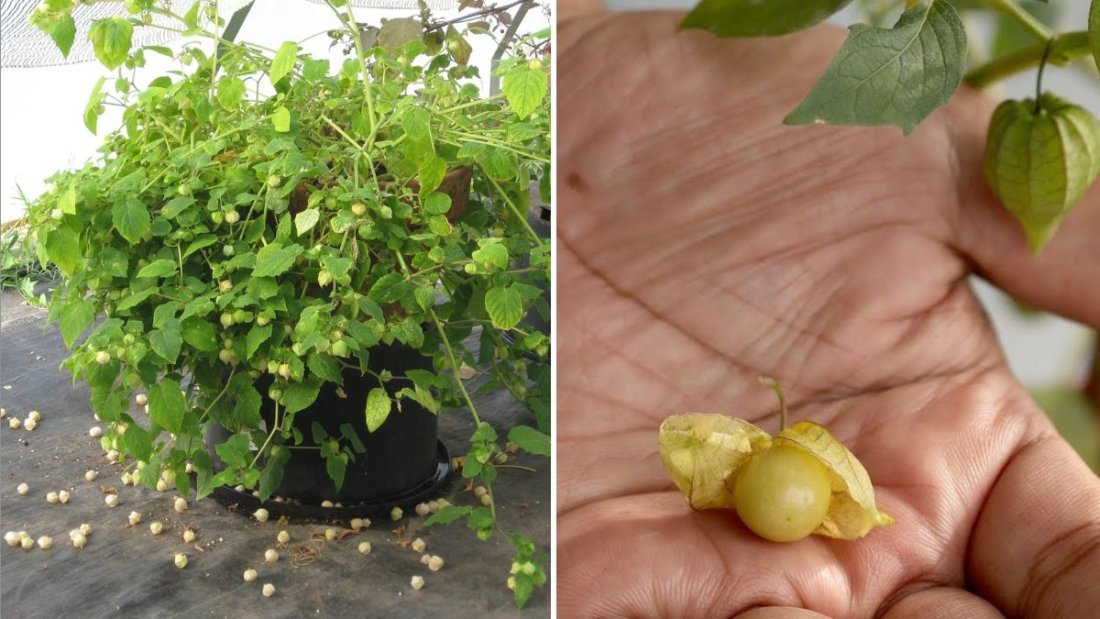
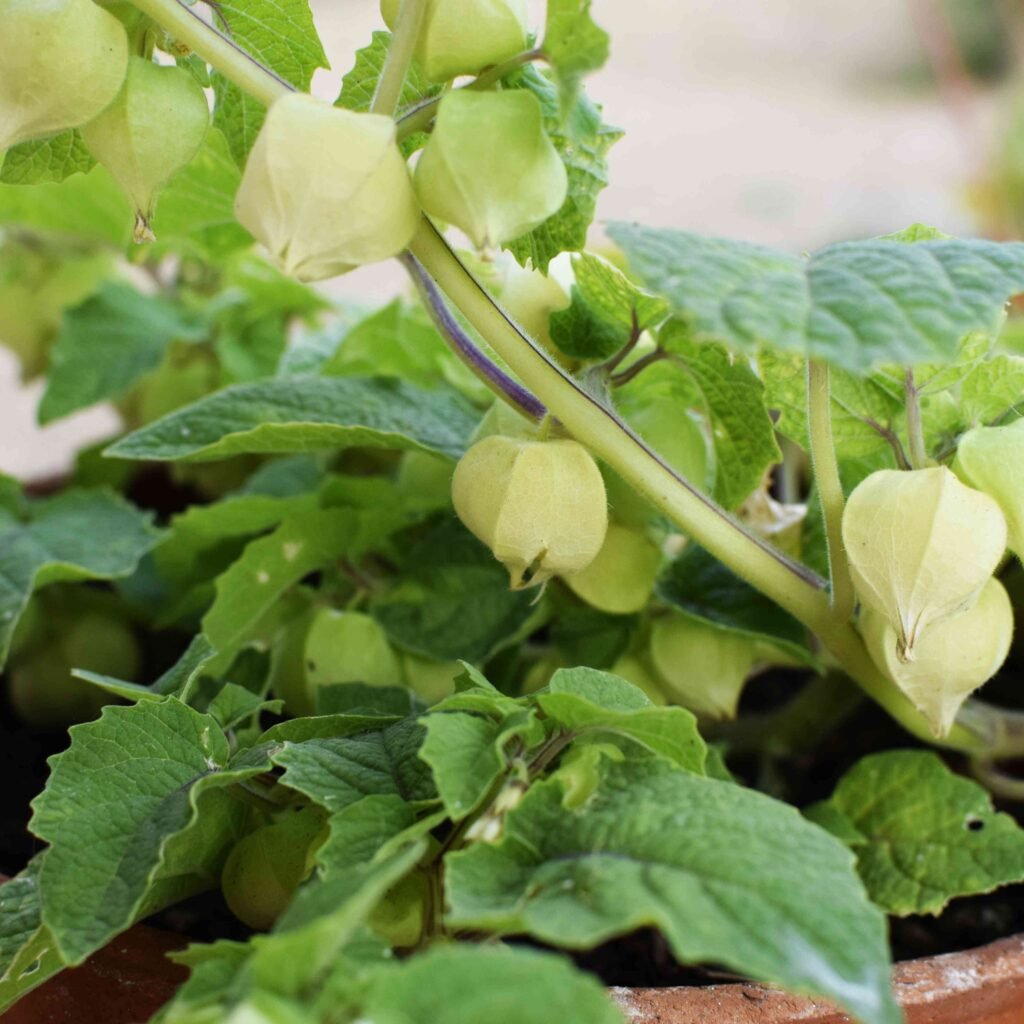
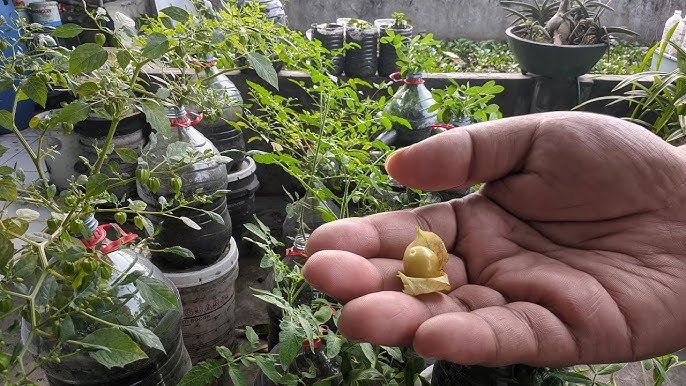
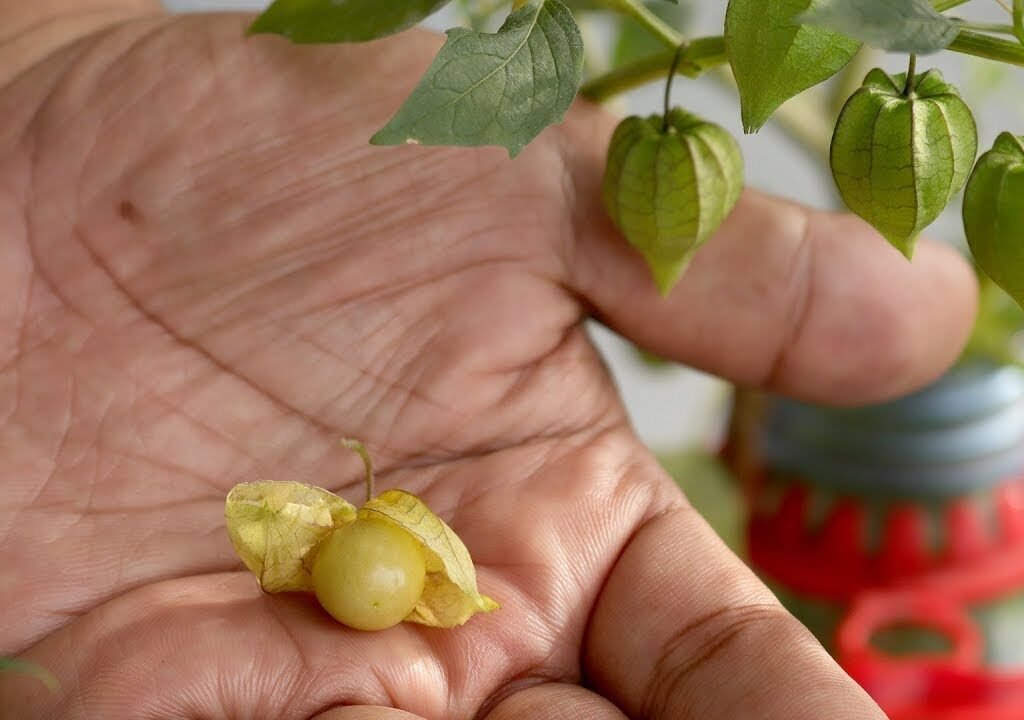
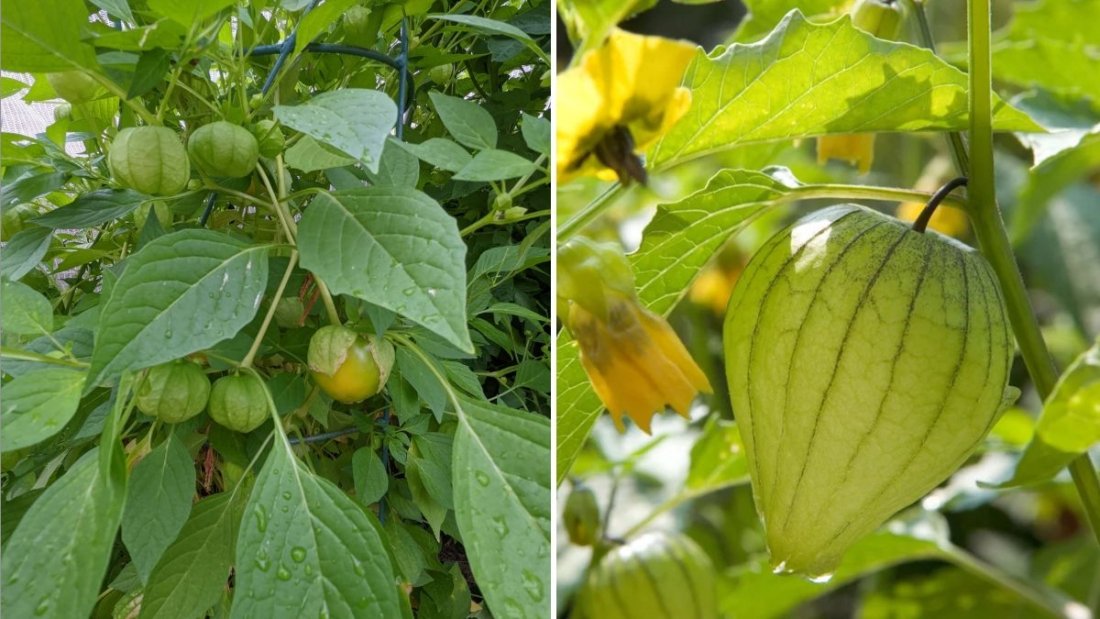
Ground cherries are small, round fruits encased in a papery husk that resembles miniature lanterns. The husk protects the fruit until it’s ready to ripen, giving ground cherries a natural “ready-to-eat” indicator: when the husk turns brown and papery, the fruit inside is golden-orange and sweet-tart.

Native to Central and South America, ground cherries have been cultivated for centuries and are now gaining popularity in North America, particularly among home gardeners and specialty farmers looking for unique fruits.


Nutritional Value of Ground Cherries

Despite their size, ground cherries are a nutrient-dense superfruit, low in calories and rich in vitamins, minerals, and antioxidants. One cup (about 150 grams) of fresh ground cherries contains:

  • Calories: 62
  • Carbohydrates: 14 grams
  • Protein: 2 grams
  • Fat: 1 gram
  • Fiber: 4 grams
  • Vitamin C: 25% of the Daily Value (DV)
  • Vitamin A: 10% of the DV
  • Iron: 5% of the DV
  • Potassium: 5% of the DV

These nutrients make ground cherries a smart choice for supporting immunity, digestion, heart health, and overall wellness.


Health Benefits of Ground Cherries

Ground cherries aren’t just delicious — they’re also a superfruit with multiple health benefits:

1. Supports Immune Function

High in vitamin C, ground cherries help strengthen the immune system, protect against infections, and combat oxidative stress.

2. Promotes Digestive Health

Rich in dietary fiber, ground cherries aid digestion, prevent constipation, and support a healthy gut microbiome.

3. Supports Heart Health

Potassium and antioxidants in ground cherries contribute to healthy blood pressure, lower cholesterol levels, and overall cardiovascular wellness.

4. Anti-Inflammatory Properties

Ground cherries contain phytonutrients and flavonoids that reduce inflammation, protect cells from damage, and support long-term health.

5. Aids in Weight Management

Low in calories and high in fiber, ground cherries are filling, making them ideal for Americans following low-calorie, clean-eating, or plant-based diets.

6. Supports Eye Health

Vitamin A and beta-carotene in ground cherries help maintain healthy vision and reduce the risk of age-related eye conditions.


Types of Ground Cherries

Several varieties of ground cherries are popular in American gardens:

1. Aunt Molly’s Ground Cherry

  • Large, sweet fruit ideal for fresh eating or desserts.
  • Reliable producer in home gardens.

2. Pineapple Ground Cherry

  • Sweet-tart flavor with hints of tropical pineapple.
  • Excellent for jams, pies, and preserves.
3. Orange Lantern

  • Bright orange fruit with classic ground cherry flavor.
  • Good for roasting, sauces, or snacking.

4. Wizard Ground Cherry

  • Compact plant perfect for container gardens.
  • Produces abundant, sweet fruits.

How to Grow Ground Cherries in the U.S.

Ground cherries are surprisingly easy to grow and thrive in a variety of climates, making them an excellent choice for American gardeners.

1. Climate and Soil Requirements

  • Prefers full sun and temperatures between 65–85°F.
  • Thrives in well-draining, fertile soil enriched with compost.
  • Ideal pH: 6.0–7.0.

2. Planting

  • Start seeds indoors 6–8 weeks before the last frost.
  • Transplant seedlings outdoors after frost risk has passed.
  • Space plants 18–24 inches apart for optimal airflow and growth.

3. Watering

  • Keep soil consistently moist but avoid waterlogging.
  • Water deeply once or twice a week, adjusting for rainfall and climate.

4. Fertilizing

  • Apply a balanced fertilizer or compost at planting and mid-season.
  • Avoid over-fertilizing, which can promote leafy growth at the expense of fruit.

5. Harvesting

  • Harvest when the husks turn dry and papery, and the fruit inside is fully colored.
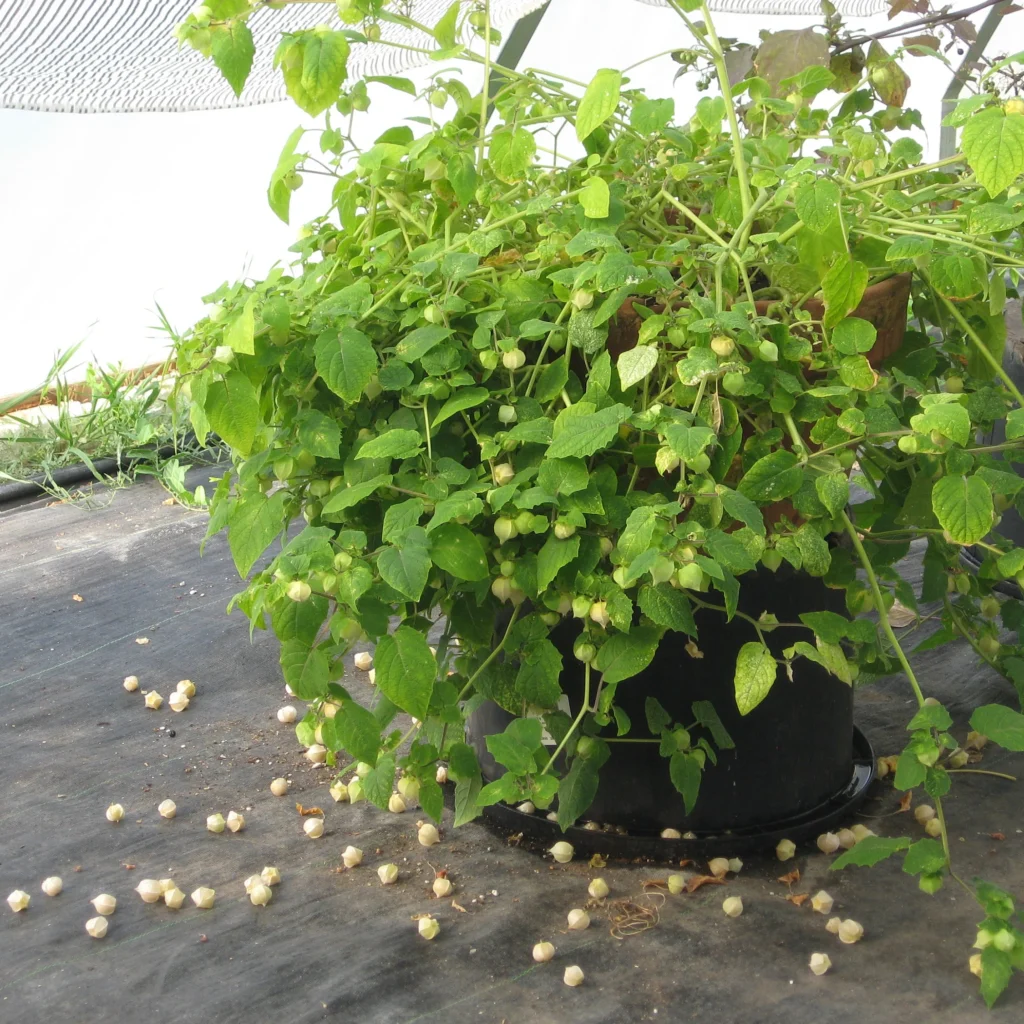
  • Fruits may naturally fall to the ground when ripe, hence the name “ground cherry.”

How to Prepare Ground Cherries for Eating

Ground cherries are easy to enjoy fresh, cooked, or preserved:

Preparation Tips

  • Peel off the husk before eating.
  • Rinse the fruit under water to remove any debris or sticky residue.
  • Taste raw, add to salads, or roast for a deeper flavor.

Cooking Uses

  • Use in pies, tarts, jams, or chutneys.
  • Roast with honey and spices for a unique dessert.
  • Blend into sauces for poultry, pork, or vegetarian dishes.
  • Mix into salsas or chutneys for a tangy, tropical twist.

Delicious Ground Cherry Recipes for American Kitchens

1. Ground Cherry Pie

  • Mix peeled ground cherries with sugar, lemon juice, and cornstarch.
  • Bake in a traditional pie crust for a sweet-tart dessert.

2. Ground Cherry Salsa

  • Combine diced ground cherries, red onion, jalapeño, cilantro, and lime juice.
  • Serve with tortilla chips or grilled chicken for a vibrant, fresh flavor.

3. Roasted Ground Cherries with Honey

  • Toss peeled ground cherries with honey, cinnamon, and a pinch of salt.
  • Roast at 375°F for 15 minutes for a caramelized treat.

4. Ground Cherry Jam

  • Simmer ground cherries with sugar and lemon juice until thickened.
  • Perfect for toast, pancakes, or as a glaze for meats.

5. Ground Cherry Smoothie

  • Blend ground cherries with banana, yogurt, and a splash of orange juice.
  • Add chia seeds for extra fiber and nutrition.

Storage Tips for Ground Cherries

  • Fresh fruit: Keep unpeeled ground cherries in a paper bag or ventilated container in the refrigerator for 1–2 weeks.
  • Freezing: Remove husks, rinse, and freeze whole or chopped for long-term storage.
  • Jam and preserves: Ground cherry preserves can be stored in sterilized jars for several months.

Fun Facts About Ground Cherries

  • Ground cherries are sometimes called “husk cherries” because of their protective papery husk.
  • The fruit naturally drops to the ground when fully ripe, which is how it got the name “ground cherry.”
  • Native Americans and early Mexican civilizations cultivated ground cherries long before European colonization.
  • Ground cherries are closely related to tomatillos and tomatoes, sharing similar growing requirements and flavors.
  • They are increasingly popular in urban and container gardens in the U.S. due to their compact size and easy care.

Ground Cherries vs. Tomatillos

FruitFlavorTextureCulinary UseColor
Ground CherrySweet-tart, tropicalFirm, juicyPies, jams, salsasOrange, yellow, red
TomatilloTangy, slightly acidicFirm, crispSalsa verde, saucesGreen, purple, yellow

While both belong to the nightshade family, ground cherries are naturally sweeter and smaller, making them ideal for desserts and fresh snacking.


Conclusion: Why Ground Cherries Belong in Your Garden and Kitchen

Ground cherries are more than a curiosity — they’re a nutrient-rich, versatile, and fun-to-grow fruit perfect for American homes and kitchens. With their sweet-tart flavor, numerous health benefits, and adaptability to home gardens, they offer something for everyone:

  • Gardeners: Easy-to-grow, high-yield plants that thrive in sun-filled gardens and containers.
  • Foodies: Unique flavor profile for sweet and savory recipes.
  • Health-conscious Americans: Low-calorie, fiber-rich superfruit for digestion, heart health, and immunity.

From pies to salsas, smoothies to preserves, ground cherries provide endless culinary possibilities while boosting nutrition. By adding ground cherries to your garden or kitchen, you can enjoy a delicious, healthy, and truly American-grown superfruit.


Tomatillo The Ultimate American Guide to Growing, Cooking, and Enjoying This Tangy Superfood

Tomatillo The Ultimate American Guide to Growing, Cooking, and Enjoying This Tangy Superfood

If you’ve ever tasted authentic Mexican salsa verde, you’ve likely encountered the unique, tangy flavor of tomatillo. Known for its vibrant green color and slightly tart taste, tomatillo (Physalis philadelphica) is more than just an ingredient in traditional Mexican cuisine — it’s a nutrient-packed, versatile vegetable that’s rapidly gaining popularity in American kitchens and gardens.

From its culinary uses to its health benefits and gardening tips, tomatillo is making a name for itself as both a superfood and a flavorful addition to any meal. This comprehensive guide will cover everything you need to know about tomatillo — from planting and harvesting to cooking and nutrition.


What Is a Tomatillo?

Tomatillo, sometimes called the Mexican husk tomato, is a small, green fruit encased in a papery husk. Unlike traditional tomatoes, tomatillos are slightly tart, firm, and less sweet, making them ideal for sauces, salsas, and savory dishes.

Native to Mexico and Central America, tomatillos have been cultivated for centuries and are now grown throughout the United States, particularly in sunny, warm climates. They belong to the nightshade family, making them relatives of tomatoes, peppers, and eggplants.


Nutritional Value of Tomatillos

Tomatillos are low in calories but rich in nutrients, making them a healthy addition to any diet. One cup (about 149 grams) of raw tomatillos contains:

  • Calories: 46
  • Carbohydrates: 11 grams
  • Protein: 1 gram
  • Fat: 0.5 grams
  • Fiber: 4 grams
  • Vitamin C: 20% of the Daily Value (DV)
  • Vitamin K: 10% of the DV
  • Niacin (Vitamin B3): 10% of the DV
  • Potassium: 8% of the DV
  • Manganese: 8% of the DV

The combination of fiber, vitamins, and antioxidants makes tomatillos great for digestion, immunity, and cardiovascular health.


Health Benefits of Tomatillos

Tomatillos are often called a superfood because of their numerous health benefits. Here’s why Americans are increasingly adding them to their diets:

1. Boosts Immunity

Rich in vitamin C, tomatillos support a healthy immune system, helping fight off infections and free radicals.

2. Supports Heart Health

High in potassium and antioxidants, tomatillos help regulate blood pressure, reduce cholesterol, and promote cardiovascular wellness.

3. Promotes Digestive Health

The fiber content in tomatillos aids in digestion, reduces constipation, and helps maintain a healthy gut microbiome.

4. May Aid in Weight Management

Low in calories but high in fiber, tomatillos provide satiety without excess calories, making them ideal for weight-conscious Americans.

5. Anti-Inflammatory and Antioxidant Properties

Tomatillos contain compounds like phenols and flavonoids, which combat oxidative stress and reduce inflammation, contributing to overall wellness.

6. Supports Healthy Skin

The vitamin C in tomatillos aids collagen production, promoting firm, youthful skin and supporting wound healing.


Types of Tomatillos

There are several tomatillo varieties grown in the U.S., each with unique characteristics:

1. Purple Tomatillo

  • Produces deep purple fruit with a slightly sweeter flavor.
  • Popular for salsas with a unique color and taste.

2. Green Tomatillo

  • Most common variety, ideal for traditional salsa verde.
  • Tangy and firm, perfect for cooking or roasting.

3. Red Tomatillo

  • Slightly sweeter than green varieties.
  • Often used fresh in salads and salsas.

4. Orange Tomatillo

  • Sweet and tangy, ideal for fresh sauces.
  • Adds vibrant color to dishes.

How to Grow Tomatillos in America

Tomatillos thrive in sunny, warm climates but can also be grown in containers or gardens across the U.S. with proper care.

1. Climate and Soil Requirements

  • Prefers full sun and temperatures between 70–85°F.
  • Thrives in well-draining, fertile soil rich in organic matter.
  • Ideal pH: 6.0–7.0.

2. Planting

  • Start seeds indoors 6–8 weeks before the last frost.
  • Transplant seedlings outdoors after frost risk has passed.
  • Space plants 2–3 feet apart for optimal growth and airflow.

3. Watering

  • Water consistently to keep the soil evenly moist.
  • Avoid overwatering, which can cause root rot.

4. Fertilizing

  • Use a balanced fertilizer or compost at planting and mid-season.

5. Support

  • Some varieties may benefit from stakes or cages, as the plants can grow bushy and heavy with fruit.

6. Harvesting

  • Harvest tomatillos when the husks split and the fruit fills the husk completely.
  • Immature fruits may be tart, while fully matured fruits provide the best flavor for cooking.

Cooking with Tomatillos

Tomatillos are incredibly versatile and can be used fresh or cooked. Their tart flavor works beautifully in sauces, salsas, stews, and even roasted dishes.

Preparation Tips

  • Remove the husk before cooking.
  • Rinse the sticky residue on the fruit to remove any debris.
  • Roasting enhances the natural sweetness and adds depth to sauces.

Delicious Tomatillo Recipes for American Kitchens

1. Classic Salsa Verde

  • Blend roasted tomatillos, jalapeños, garlic, onion, lime juice, and cilantro.
  • Serve with tacos, grilled chicken, or tortilla chips.

2. Tomatillo Chicken Stew

  • Sauté onions and garlic, add chopped tomatillos and chicken.
  • Simmer with spices and broth for a tangy, hearty stew.

3. Roasted Tomatillo Soup

  • Roast tomatillos with peppers and onions.
  • Blend with vegetable broth and season with cumin and cilantro for a warming soup.

4. Tomatillo Guacamole

  • Mix mashed avocado with chopped tomatillos, lime juice, and salt.
  • Add jalapeños for a spicy twist on traditional guacamole.

5. Tomatillo Marinade

  • Puree tomatillos with garlic, lime, and herbs.
  • Marinate chicken, fish, or tofu for a bright, tangy flavor.

Storage Tips for Tomatillos

  • Fresh tomatillos: Store unwashed in their husks in the refrigerator for up to 2–3 weeks.
  • Freezing: Remove husks, rinse, dry, and freeze whole or chopped for long-term storage.
  • Salsa: Homemade salsa verde can be stored in the fridge for 1 week or frozen for 3 months.

Fun Facts About Tomatillos

  • The name “tomatillo” comes from the Spanish word “tomate” with the diminutive suffix “-illo,” meaning “little tomato.”
  • Tomatillos are sticky due to a natural coating called bloom, which protects the fruit.
  • Native Americans cultivated tomatillos long before European contact, using them in traditional dishes.
  • Tomatillos are often used in combination with avocado, lime, and chili peppers for a balanced, tangy flavor.
  • Unlike tomatoes, tomatillos remain firm and hold their shape when cooked, making them ideal for stews and sauces.

Tomatillo vs. Tomato: What’s the Difference?

VegetableFlavorTextureCulinary UseColor
TomatilloTangy, slightly tartFirmSauces, salsas, stewsGreen, purple, red, orange
TomatoSweet, juicySoftSalads, sauces, sandwichesRed, yellow, green, purple

Tomatillos provide a unique tartness and texture that cannot be fully replicated by tomatoes, making them an essential ingredient in Mexican-inspired dishes.


Conclusion: Why Tomatillos Deserve a Spot in Your Garden and Kitchen

Tomatillos are more than just a key ingredient in salsa verde — they’re a nutrient-rich, versatile, and flavorful vegetable that can enhance American cuisine, support a healthy diet, and thrive in home gardens.

With their unique tartness, impressive nutrient profile, and adaptability in cooking, tomatillos are ideal for:

  • Health-conscious Americans seeking low-calorie, vitamin-rich vegetables.
  • Home gardeners wanting a productive, warm-weather crop.
  • Food enthusiasts looking to explore authentic Mexican flavors or experiment in fusion cuisine.

Whether roasted, blended, or simmered in a stew, tomatillos add bright color, tangy flavor, and a healthy punch to any dish. Next time you visit your local farmers’ market or garden center, pick up some tomatillos — your taste buds and health will thank you.