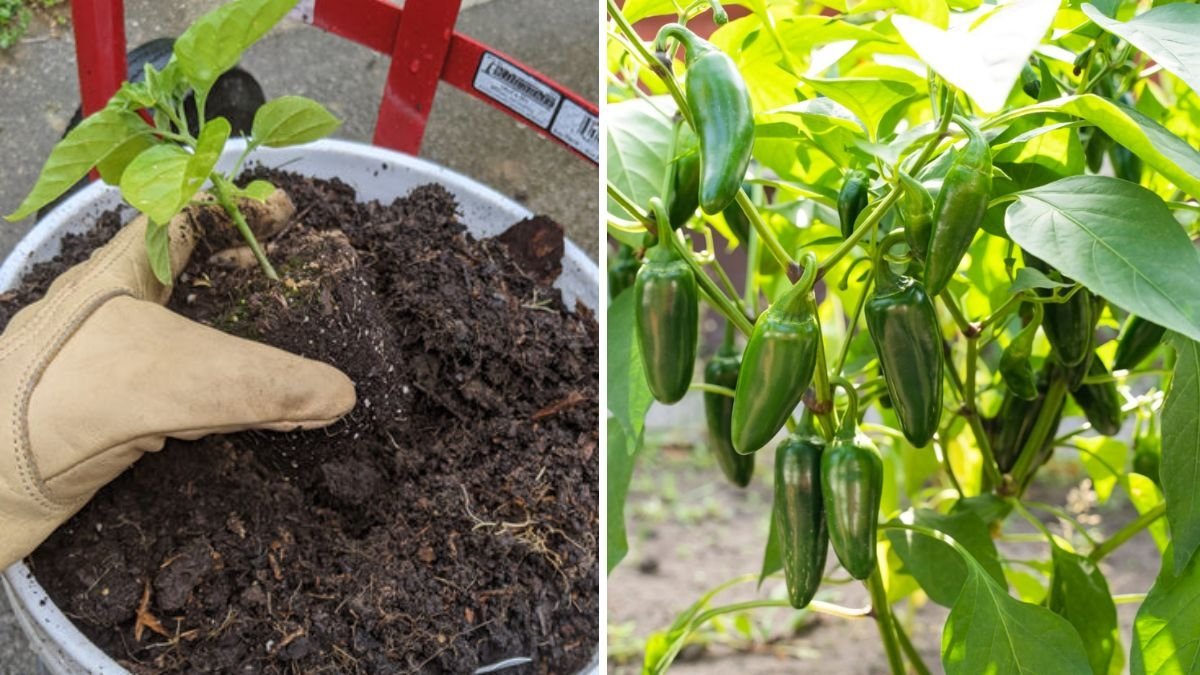
Nothing spices up a garden — or a meal — quite like jalapeño peppers. Known for their perfect balance of heat and flavor, jalapeños (Capsicum annuum) are one of America’s favorite chili peppers. They’re easy to grow, versatile in cooking, and ideal for gardeners from Texas to California to Florida.
Whether you’re making homemade salsa, pickled jalapeños, or stuffed poppers, growing your own ensures unbeatable freshness and flavor. This comprehensive guide covers everything you need to know — from planting and care to harvesting and preserving — so you can grow lush jalapeño plants right in your backyard, patio, or greenhouse.
1. Why Grow Jalapeños at Home?
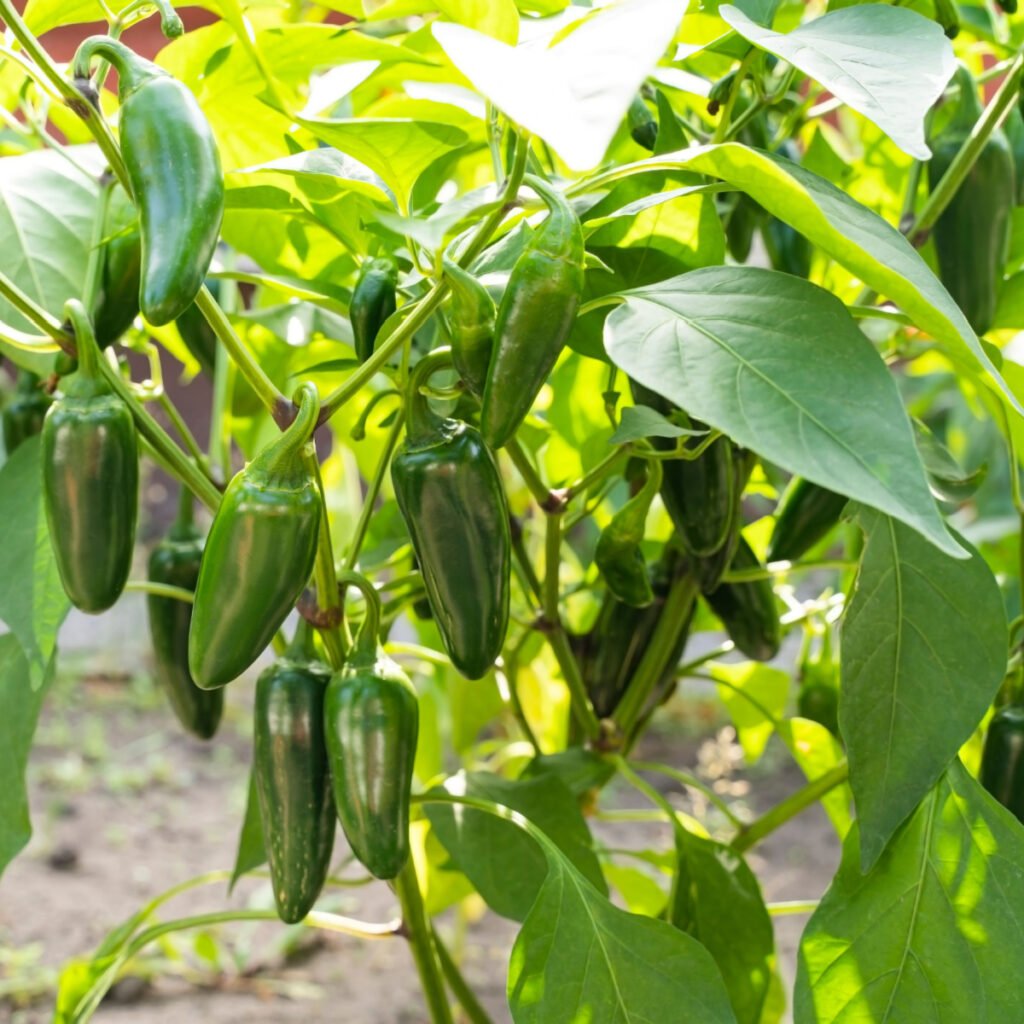
Jalapeños are among the most rewarding peppers for American gardeners. They’re hardy, highly productive, and perfect for small spaces or containers.
Top Benefits:
Compact plants: Grow well in garden beds or pots.
Quick harvests: Ready in as little as 70–90 days from transplanting.
Endless culinary uses: Fresh, pickled, roasted, or dried.
High nutrition: Loaded with vitamin C, antioxidants, and capsaicin.
Great for warm climates: Thrives in U.S. growing zones 8–11.
Jalapeños also add an ornamental touch — with glossy green leaves, white flowers, and vibrant red or green pods hanging like jewels.
2. Understanding Jalapeño Pepper Varieties
Before you plant, choose a variety that matches your garden conditions and flavor preferences.
Popular Jalapeño Varieties in the USA:
- Early Jalapeño: Fast-maturing; ideal for short growing seasons (70 days).
- Jalapeño M: Classic medium-hot variety; perfect for fresh eating and pickling.
- Mucho Nacho: Larger pods with slightly more heat; great for stuffing.
- TAM Mild Jalapeño: Developed in Texas A&M; mild flavor for sensitive palates.
- Purple Jalapeño: Unique color, ornamental, and flavorful.
- Craig’s Grande: Heavy producer with thick-walled fruits, great for grilling.
Each variety offers a Scoville Heat Unit (SHU) range between 2,500–8,000, striking the perfect balance of flavor and spice.
3. Ideal Growing Conditions for Jalapeños in the USA
Jalapeños love heat, sunshine, and well-draining soil. They’re native to Mexico, but they adapt beautifully to most U.S. climates with the right care.
Best USDA Zones:
Zones 8–11: Can grow year-round or as warm-season crops.
Zones 5–7: Start seeds indoors and transplant after frost.
Zones 3–4: Grow in containers and move indoors during cold spells.
Temperature Range:
- Daytime: 70–85°F (21–29°C)
- Nighttime: Above 60°F (15°C)
- Soil: 70°F or warmer for germination
Jalapeños cannot tolerate frost, so wait until all danger of frost has passed before planting outdoors.
4. Starting Jalapeños from Seed
Growing from seed allows you to choose from a wide range of varieties and ensures stronger plants.
Steps for Seed Starting:
- Start seeds 8–10 weeks before the last frost indoors.
- Sow seeds ¼ inch deep in seed trays or small pots with seed-starting mix.
- Maintain soil temperature around 75–85°F using a heating mat if needed.
- Keep soil moist but not soggy; germination takes 10–14 days.
- Once seedlings have 2–3 true leaves, transplant into 4-inch pots to promote strong root systems.
Tip: Use grow lights to provide 14–16 hours of light per day — essential for healthy seedling development.
5. Transplanting Jalapeños Outdoors
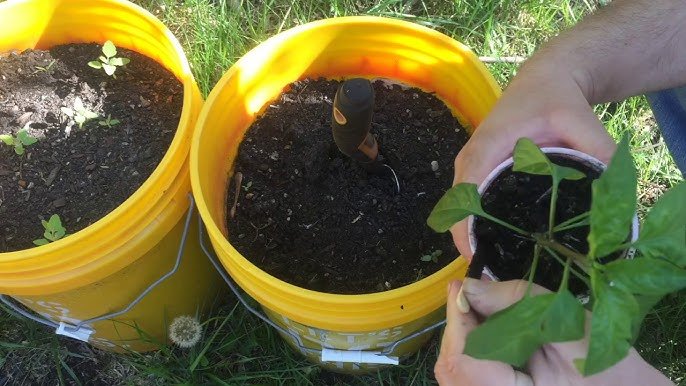
After your seedlings are strong and the soil is warm, it’s time to transplant them into the garden or containers.
Steps:
- Harden off plants by exposing them to outdoor conditions for 5–7 days.
- Choose a sunny, sheltered location with at least 6–8 hours of direct sunlight.
- Space plants 18–24 inches apart in rows 2–3 feet apart.
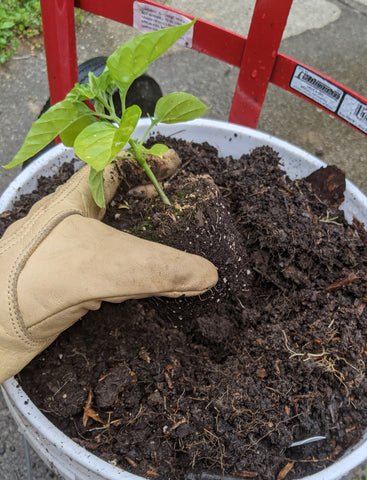
- Mix compost or aged manure into the soil before planting.
- Water thoroughly after transplanting.
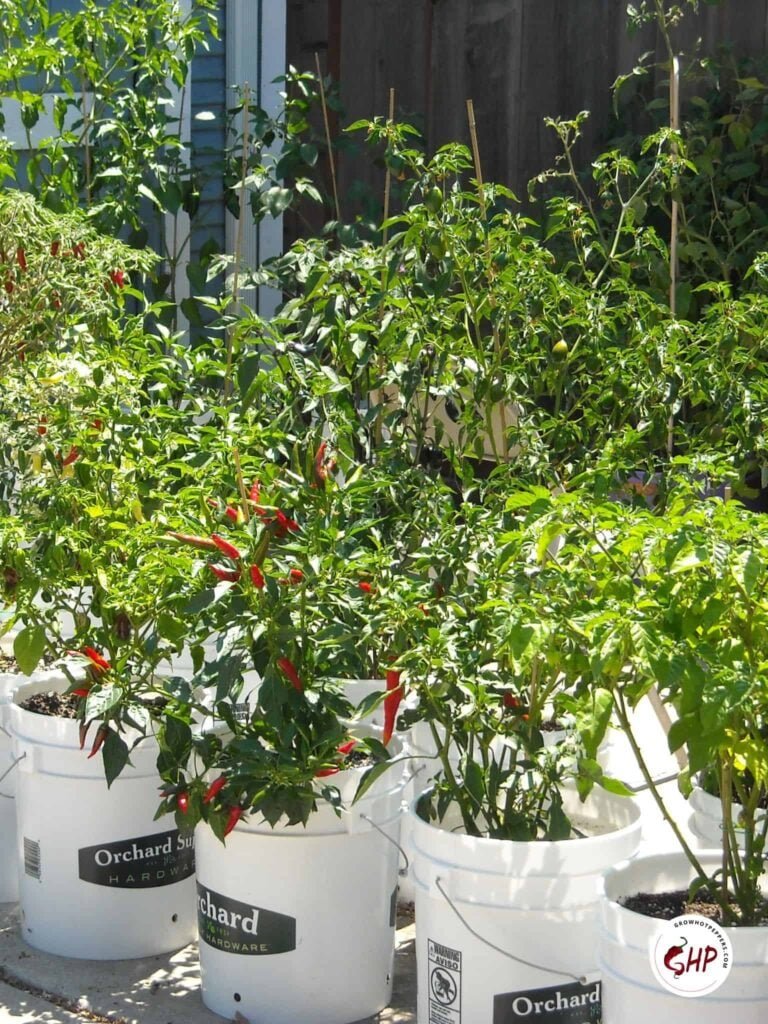
For container growing, use 5-gallon pots with good drainage holes.
6. Soil and Watering Requirements
Jalapeños love rich, loamy soil that holds moisture but drains well.
Soil Conditions:
- pH: 6.0–6.8
- Add organic compost for nutrients and structure.
- Avoid overly sandy or clay-heavy soil.
Watering Tips:
- Keep soil consistently moist, but don’t overwater.
- Water deeply 1–2 times a week.
- Avoid wetting leaves to prevent fungal issues.
- Mulch around plants to conserve moisture and suppress weeds.
Pro Tip: Inconsistent watering can cause peppers to become bitter or cracked.
7. Feeding and Fertilizing Jalapeños
Jalapeños are moderate feeders — too much nitrogen leads to leafy growth but fewer peppers.
Fertilizer Schedule:
- At planting: Use a balanced fertilizer (10-10-10) or compost.
- Mid-season: Apply phosphorus-rich fertilizer (5-10-10) to encourage flowering.
- During fruiting: Feed with potassium-based organic fertilizer every 3–4 weeks.
Fish emulsion or compost tea is also an excellent organic boost.
8. Pruning and Supporting Jalapeño Plants
While jalapeños are compact, pruning encourages airflow, stronger stems, and better fruit yield.
Pruning Tips:
- Remove lower leaves touching the soil to prevent disease.
- Pinch off early flowers to help plants focus on growth.
- Lightly prune excessive branches for better sunlight penetration.
If your plants grow tall or produce heavy fruits, use stakes or tomato cages for support.
9. Pests and Diseases to Watch For
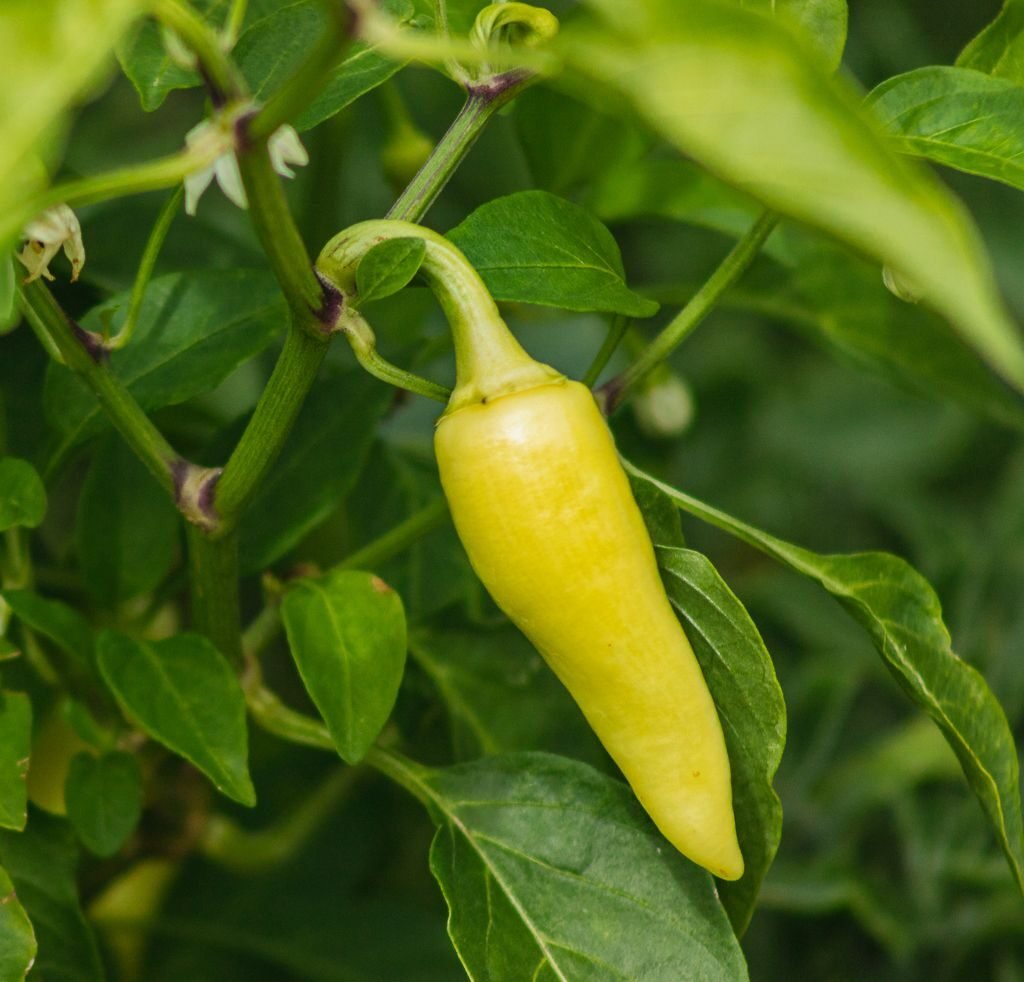
Jalapeños are generally hardy but can attract common garden pests.
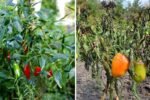
Common Pests:
- Aphids
- Spider mites
- Pepper weevils
- Cutworms
- Whiteflies
Control Tips:
- Spray with neem oil or insecticidal soap weekly.
- Encourage beneficial insects like ladybugs.
- Keep weeds down to discourage pest habitats.
Diseases:
- Blossom-end rot: Caused by calcium deficiency and inconsistent watering.
- Powdery mildew: Prevent by ensuring airflow and avoiding wet leaves.
- Bacterial spot: Rotate crops yearly and use disease-free seeds.
Healthy soil, regular pruning, and proper spacing will minimize most issues.
10. Harvesting Jalapeños
The most exciting part — harvesting your homegrown peppers!
When to Harvest:
- Green jalapeños: 70–80 days after transplanting; firm and glossy.
- Red jalapeños: Left to ripen fully on the plant (hotter and sweeter).
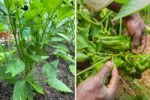
Pick peppers when they are 3–4 inches long, firm, and shiny. Use scissors or pruning shears to avoid damaging the plant.
Pro Tip:
If you notice small brown lines (called “corking”) on the skin — that’s a sign of maturity and maximum heat!
11. Post-Harvest Handling and Storage
Store freshly picked jalapeños in the refrigerator for up to 10 days. For long-term use:
Preservation Methods:
- Freezing: Slice and freeze raw or roasted peppers in airtight bags.
- Pickling: Classic American method — store in vinegar brine for months.
- Drying: Hang or use a dehydrator to make chili flakes or powder.
- Smoking: Create your own chipotle peppers by smoking ripe red jalapeños over hickory wood.
Each method preserves the bold, spicy flavor of homegrown peppers.
12. Nutritional and Culinary Highlights
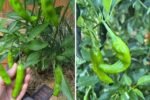
Jalapeños aren’t just fiery — they’re packed with health benefits.
Nutritional Value (per 100g):
- Calories: 29
- Vitamin C: 182% DV
- Vitamin A: 20% DV
- Fiber: 2.8g
- Capsaicin: Natural anti-inflammatory compound
Culinary Uses:
- Fresh in salsas, nachos, tacos, and burgers
- Stuffed with cheese for jalapeño poppers
- Pickled as toppings for hot dogs, sandwiches, and pizza
- Blended into hot sauces and marinades
- Smoked or roasted for rich, smoky heat
From Tex-Mex favorites to backyard BBQs, jalapeños bring authentic American spice to the table.
13. Overwintering Jalapeño Plants
In warm states like Florida, California, and Texas, jalapeños can survive multiple seasons.
To overwinter:
- Before frost, move container plants indoors to a sunny window.
- Trim back ⅓ of the plant to reduce stress.
- Water sparingly during winter dormancy.
- Move outdoors again once temperatures exceed 60°F consistently.
This way, your plants will grow even stronger the following year.
14. Fun Fact: America’s Love Affair with Jalapeños
The jalapeño is the official state pepper of Texas and a staple in American cuisine. From Super Bowl snacks to summer BBQs, the U.S. consumes over 200 million pounds of jalapeños annually!
Their adaptability to American climates makes them one of the easiest and most rewarding peppers for home gardeners across the country.
Conclusion: Spice Up Your Garden with Homegrown Jalapeños
Growing jalapeños in your home garden is one of the most satisfying (and spicy!) experiences you can have. These heat-loving peppers are simple to care for, thrive in most U.S. regions, and yield bountiful harvests that last all summer.
Whether you’re a beginner gardener or a seasoned grower, jalapeños deliver flavor, color, and a fiery kick to your garden and kitchen alike.
So grab your seeds, prep that sunny garden bed, and get ready to enjoy fresh, flavorful jalapeños straight from your backyard!

Leave A Comment