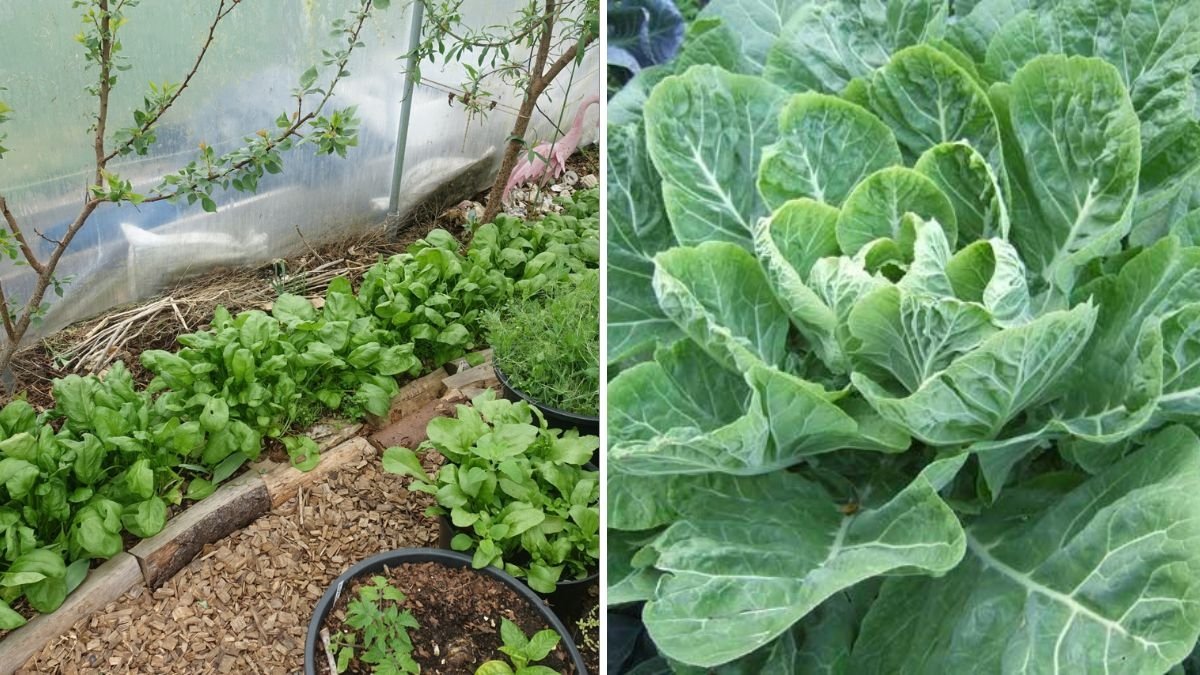
When most people think of leafy greens, they picture spinach, kale, or romaine. But there’s one versatile, flavorful green that often flies under the radar—escarole. This hearty member of the chicory family combines a mildly bitter flavor with a tender yet crisp texture, making it a favorite among chefs and home cooks alike. Whether you toss it fresh into a salad or simmer it into a hearty soup, escarole brings a satisfying depth of flavor that’s hard to match.
In this detailed guide, we’ll dive deep into everything you need to know about escarole—from its origins and nutritional benefits to growing tips and mouthwatering recipes. By the end, you’ll see why this leafy green deserves a spot in your kitchen and your garden.
1. What Is Escarole?
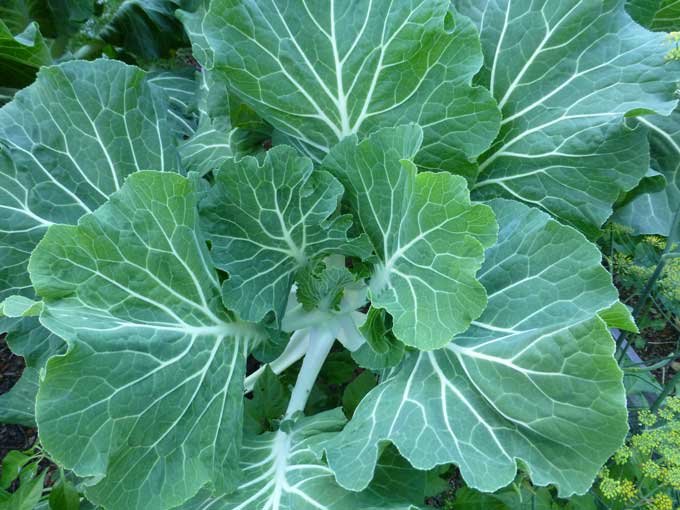
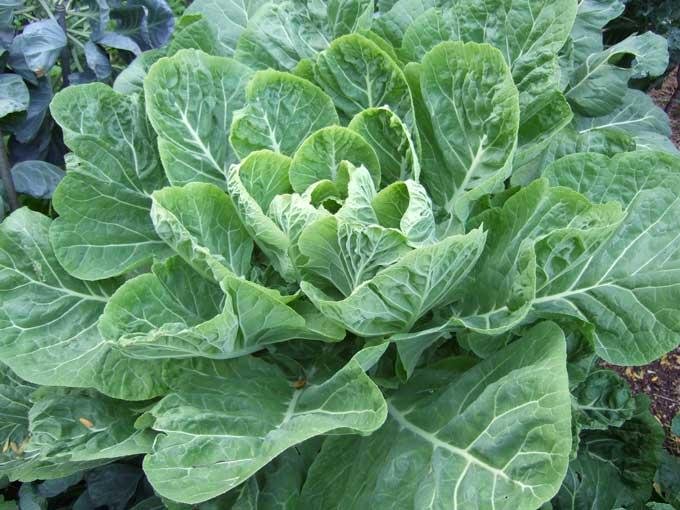
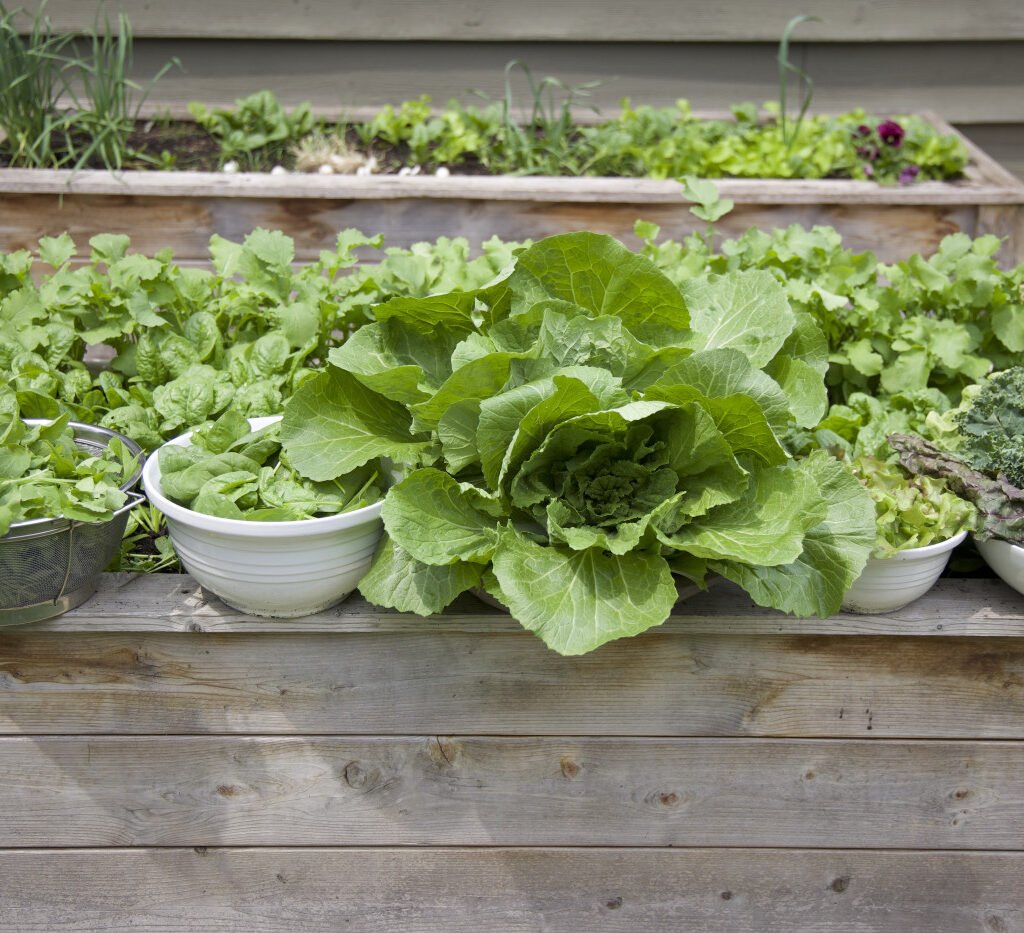
Escarole (Cichorium endivia var. latifolia) is a broad-leafed variety of endive, part of the chicory family that also includes radicchio and Belgian endive. Unlike its curly cousin frisée, escarole features wide, smooth leaves with a pale green heart and darker outer edges.
Its flavor is distinct—slightly bitter but mellow, especially when cooked. The inner leaves are tender and mild, while the outer leaves are more robust, ideal for hearty dishes. Because of this flavor diversity, escarole is a favorite in Italian and Mediterranean cuisines, often featured in soups, sautés, and pasta dishes.
2. Nutritional Benefits of Escarole
Escarole isn’t just delicious—it’s incredibly nutritious. Packed with vitamins, minerals, and antioxidants, it’s a green that supports everything from heart health to digestion.
Here’s a breakdown of what makes escarole a superfood in its own right:
- Low in calories: One cup of chopped escarole has about 8 calories, making it perfect for weight-conscious diets.
- Rich in fiber: Aids digestion, supports gut health, and promotes fullness.
- High in Vitamin K: Vital for strong bones and healthy blood clotting.
- Loaded with Vitamin A: Promotes good vision and immune health.
- Contains folate: Essential for heart health and cell regeneration.
- Source of antioxidants: Helps reduce inflammation and combat oxidative stress.
With its nutrient-dense profile, escarole easily earns a place among the healthiest leafy greens you can eat.

3. How to Grow Escarole in Your Garden
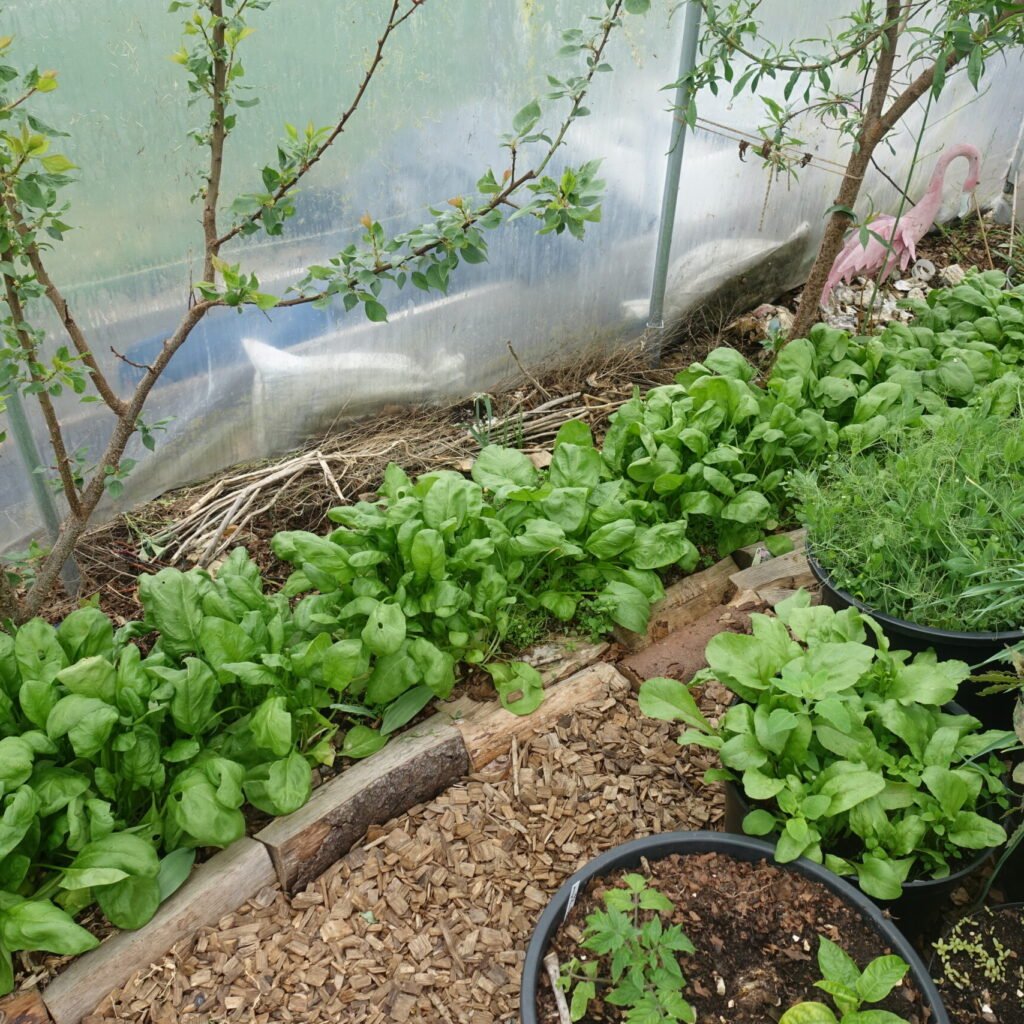
If you’re looking to grow your own greens, escarole is an excellent choice. It’s relatively easy to cultivate and thrives in cool weather, making it a perfect crop for spring and fall gardens.
Here’s a step-by-step guide for success:
Step 1: Choose the Right Location
Plant escarole in an area with full sun or partial shade. It grows best in cool temperatures between 50°F and 75°F.
Step 2: Prepare the Soil
Escarole loves loamy, well-drained soil that’s rich in organic matter. Mix in compost or aged manure before planting to provide nutrients. Keep the soil pH between 6.0 and 7.0 for optimal growth.
Step 3: Planting Seeds
Sow seeds about ¼ inch deep and 6–8 inches apart in rows spaced 12–15 inches apart. Water gently and keep the soil moist until seeds germinate, which usually takes 7–10 days.
Step 4: Watering and Maintenance
Escarole requires consistent watering to prevent the leaves from turning too bitter. Water regularly, especially during dry spells, but avoid waterlogging.
Mulching around the base helps retain moisture and suppress weeds.

Step 5: Harvesting
Escarole is ready to harvest about 80–90 days after planting. Pick outer leaves as needed, or harvest the whole head when it reaches 10–12 inches in diameter.
Pro tip: If you want milder leaves, blanch escarole for a week before harvest. Simply cover the plant with a pot or cardboard box to block sunlight—this makes the inner leaves pale and less bitter.
4. How to Select and Store Fresh Escarole
When shopping for escarole, look for vibrant green leaves that are firm and crisp. Avoid bunches with yellow or slimy spots. The inner leaves should be lighter in color and free of wilting.
To store, wrap escarole in a paper towel and place it inside a perforated plastic bag. Store it in the crisper drawer of your refrigerator—it should stay fresh for up to five days.
Avoid washing it before storage, as moisture can cause the leaves to deteriorate quickly.
5. Cooking with Escarole: From Salads to Soups
Escarole is one of the most versatile greens you can cook with. It’s equally delicious raw or cooked, offering countless possibilities for creative dishes.
Fresh and Raw Dishes
When served raw, escarole adds a pleasant bitterness and crunch that pairs well with tangy or sweet dressings.

- Escarole and Citrus Salad: Combine escarole with orange segments, pomegranate seeds, and a honey vinaigrette.
- Simple Italian Salad: Mix chopped escarole with shaved Parmesan, olive oil, and lemon juice for a refreshing starter.
Warm and Cooked Dishes
Cooking softens escarole’s bitterness, bringing out a more mellow, savory flavor.
- Italian Wedding Soup: A classic favorite that combines escarole with meatballs, pasta, and chicken broth.
- Sautéed Escarole with Garlic and Olive Oil: A simple side dish bursting with Mediterranean flavor—perfect with grilled chicken or fish.
- Escarole and White Bean Stew: A cozy, plant-based meal with tender greens, cannellini beans, and a touch of chili flakes.
- Stuffed Escarole Rolls: Fill large leaves with rice, herbs, and cheese for a delicious vegetarian entrée.
No matter the recipe, escarole’s unique taste makes it an excellent ingredient for balancing rich, hearty meals.
6. Escarole in American and Mediterranean Cuisine
While escarole is a staple in Italian, French, and Greek cooking, it has steadily gained popularity in American kitchens as more people embrace farm-to-table dining and global flavors.
In the U.S., escarole often features in soups, sautés, and healthy salads. Its bitterness pairs beautifully with bacon, pancetta, lemon, or beans—ingredients that balance and complement its flavor.
Chefs in New York, California, and other culinary hubs love using escarole for its versatility and its ability to add a gourmet touch to simple dishes.
7. Health Benefits of Adding Escarole to Your Diet
Incorporating escarole into your meals doesn’t just boost flavor—it offers major health perks too.
- Promotes Digestion: The natural bitterness of escarole stimulates bile production, helping your body digest fats more efficiently.
- Supports Bone Health: Thanks to high vitamin K levels, it strengthens bones and helps prevent osteoporosis.
- Boosts Heart Health: The folate and fiber content help lower cholesterol and support cardiovascular wellness.
- Aids Weight Management: Low in calories but high in fiber, escarole keeps you feeling full longer.
- Enhances Immunity: Loaded with vitamins A and C, it helps your body fend off seasonal illnesses.
It’s the kind of green that not only tastes great but makes you feel great too.

8. Common Mistakes to Avoid When Cooking Escarole
Even though escarole is simple to cook with, a few missteps can ruin its flavor or texture. Avoid these common mistakes:
- Overcooking: Escarole wilts quickly. Cook it just until tender to preserve its color and nutrients.
- Skipping seasoning: Its slight bitterness shines when paired with salt, acid (like lemon juice or vinegar), or umami flavors (like Parmesan).
- Using old leaves: Freshness matters. Older leaves are tougher and more bitter.
- Not washing thoroughly: Escarole leaves can trap dirt and grit—rinse them well before cooking.
By following these simple tips, you’ll always get perfect results with this leafy green.
9. How to Grow Escarole Indoors in Winter
If you don’t have outdoor space or live in a colder region, you can easily grow escarole indoors.
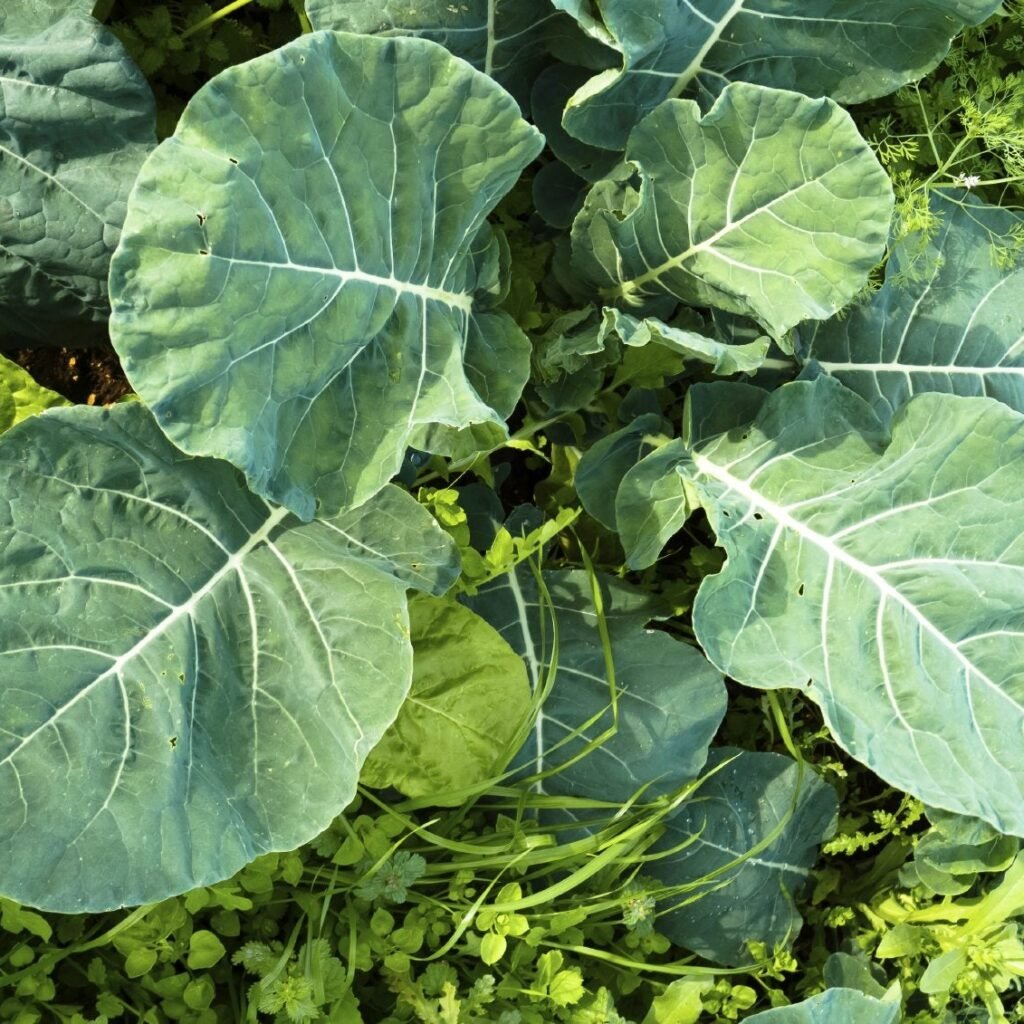
Use deep pots filled with rich potting soil, and place them near a sunny window or under grow lights. Maintain temperatures around 60–70°F, and water when the top inch of soil feels dry.
Indoor escarole doesn’t grow as large as outdoor plants, but you’ll still enjoy tender leaves for salads and sautés throughout winter.
10. Final Thoughts: Why Escarole Belongs in Your Kitchen
Escarole is more than just another leafy green—it’s a culinary treasure that brings balance, flavor, and nutrition to your meals. With its mildly bitter taste, it complements both light salads and hearty stews, making it a true all-season ingredient.
It’s easy to grow, simple to cook, and incredibly healthy. Whether you’re simmering it into a comforting soup, tossing it with citrus for a zesty salad, or sautéing it with garlic and olive oil, escarole is the secret ingredient that adds depth and sophistication to your dishes.

So the next time you stroll through your local farmers’ market or grocery store, reach for a bunch of escarole—you’ll be adding not just a vegetable, but a burst of flavor and vitality to your table.

Leave A Comment