When it comes to gourmet greens, endive is a true hidden gem. With its crisp texture, elegant appearance, and pleasantly bitter flavor, endive adds a sophisticated touch to salads, appetizers, and even warm winter dishes. Though often seen in upscale restaurants or farmers’ markets, this leafy vegetable is surprisingly easy to grow and versatile in the kitchen.
In this guide, we’ll explore everything you need to know about endive—from its types and nutritional benefits to growing tips and creative recipes that bring out its unique flavor. Whether you’re a home gardener, a foodie, or someone looking to add more greens to your diet, this article will help you appreciate why endive deserves a spot on your plate.
1. What Is Endive?
Endive (pronounced “on-deev” or “en-dive”, depending on the variety) is a leafy vegetable that belongs to the chicory family (Cichorium endivia)—the same family as escarole, radicchio, and Belgian endive. It’s known for its slightly bitter taste and crisp leaves, which make it a favorite among chefs looking to add texture and depth to dishes.
There are two main types of endive:
- Curly Endive (Frisée): Recognized by its finely curled, frilly leaves and strong bitter flavor. Commonly used in gourmet salads for its visual appeal and crunch.
- Broad-Leaf Endive (Escarole): Features wider, smoother leaves and a milder taste. It’s ideal for soups, stews, and sautés, especially in Italian and French cuisines.
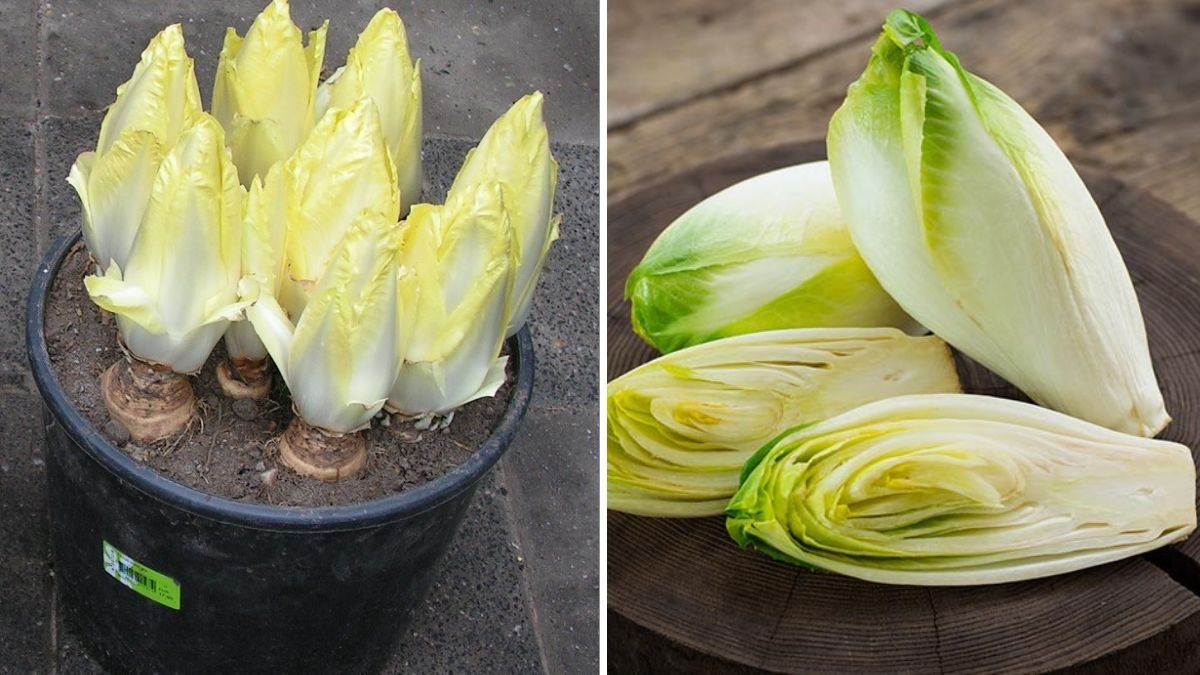
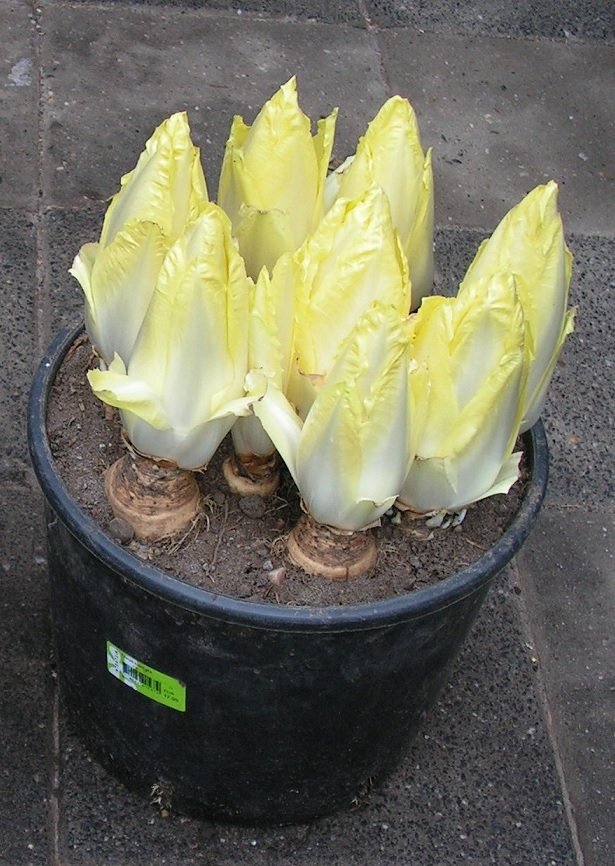
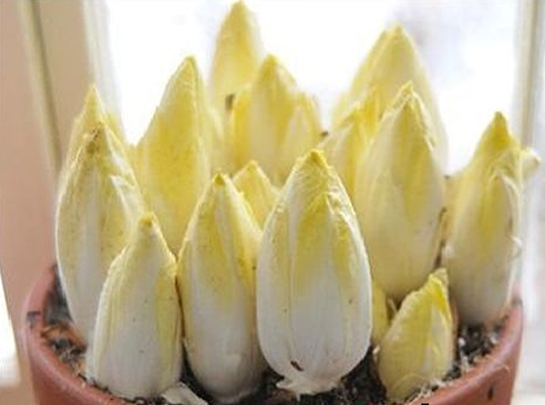
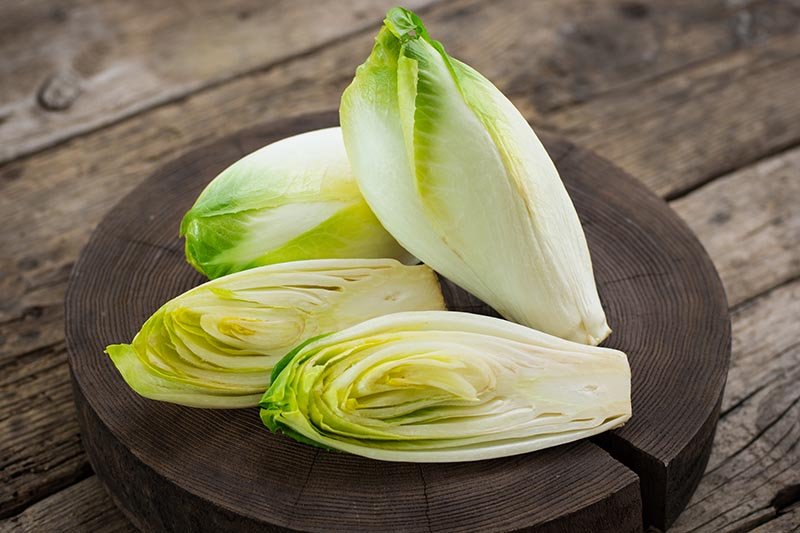
A close relative, Belgian endive, is grown underground to maintain its pale color and tender texture, offering a mild bitterness that pairs beautifully with citrus or creamy dressings.

2. Nutritional Benefits of Endive
Endive isn’t just delicious—it’s also packed with nutrients. This low-calorie green is rich in vitamins, minerals, and antioxidants that support overall health.
Here’s what makes endive a nutritional powerhouse:
- Low in calories: One cup of raw endive contains only about 8 calories, making it ideal for weight management.
- High in fiber: Supports healthy digestion and promotes fullness.
- Rich in vitamin K: Essential for bone health and proper blood clotting.
- Excellent source of folate: Important for cell function and heart health.
- Contains vitamin A and beta-carotene: Great for vision and immune support.
- Loaded with antioxidants: Helps protect the body from free radical damage.
These benefits make endive a smart choice for anyone aiming to eat clean, boost immunity, and maintain a balanced diet.
3. How to Grow Endive at Home

One of the best things about endive is that it’s relatively easy to grow, even for beginner gardeners. It’s a cool-season crop, thriving best in spring or fall when temperatures range between 45°F and 75°F.
Here’s a step-by-step guide to growing endive:

Step 1: Choose the Right Variety
Decide whether you want curly endive (frisée) or broad-leaf endive (escarole). Curly types are perfect for salads, while escarole is better for cooking.
Step 2: Prepare the Soil
Endive grows best in well-drained, fertile soil with a pH between 6.0 and 6.8. Enrich your garden bed with compost or organic matter before planting.
Step 3: Planting Seeds
Sow seeds about ¼ inch deep and 6–8 inches apart in rows spaced 12 inches apart. Keep the soil moist during germination, which usually takes 7–10 days.
Step 4: Watering and Care
Endive prefers consistent moisture. Water regularly, but avoid soggy soil to prevent root rot. Mulching can help retain moisture and keep weeds under control.
Step 5: Harvesting
Endive is ready to harvest in about 85–100 days after planting. You can cut outer leaves as needed or harvest the whole head once it reaches about 10–12 inches tall.

Pro tip: To reduce bitterness, gardeners often “blanch” endive by covering the plant with a pot or cardboard box for a week before harvest. This limits sunlight and makes the leaves paler and milder in flavor.
4. How to Select and Store Endive
When shopping for fresh endive, look for firm, crisp leaves that are pale green or white with no signs of wilting or dark spots. The base should be tight and heavy for its size.
To store, keep endive unwashed in a perforated plastic bag in the refrigerator’s crisper drawer. It will stay fresh for about 4–5 days. Avoid sealing it completely, as trapped moisture can cause decay.
For Belgian endive, store the heads in a cool, dark place to prevent them from turning green and bitter.
5. Cooking and Serving Ideas
Endive’s versatility makes it a must-have ingredient for both cold and warm dishes. Its bitterness balances rich, creamy, or sweet flavors beautifully. Here are a few delicious ways to use it:

Salads
- Classic Endive and Pear Salad: Toss chopped Belgian endive with sliced pears, walnuts, and blue cheese, then drizzle with honey mustard vinaigrette.
- Frisée Salad with Poached Egg: Combine curly endive with crispy bacon, croutons, and a poached egg for a French-inspired meal.
Cooked Dishes
- Braised Endive: Simmer Belgian endive in butter, vegetable broth, and lemon juice until tender for a comforting side dish.
- Sautéed Escarole: Cook broad-leaf endive with olive oil, garlic, and red pepper flakes for a simple Italian-style accompaniment.
- Grilled Endive: Brush with olive oil, season with salt and pepper, and grill until lightly charred for a smoky flavor.
Appetizers and Snacks
- Endive Boats: Use the firm leaves as edible cups filled with hummus, crab salad, or goat cheese.
- Stuffed Endive Leaves: Fill with quinoa, roasted vegetables, or a spicy bean mix for a healthy party snack.
No matter how you serve it, endive adds a touch of sophistication and a burst of freshness to any dish.
6. Endive in American Cuisine
While endive has deep European roots, it’s becoming increasingly popular in American home kitchens and restaurants. Its bold flavor profile complements contemporary American dishes that emphasize contrast—sweet and bitter, creamy and crisp.
Chefs often use endive as a base for creative salads, a crunchy replacement for chips in appetizers, or a healthy alternative to bread for small bites. You’ll find it featured in winter menus across the U.S., especially in farm-to-table restaurants that celebrate seasonal produce.
7. Health Benefits of Eating Endive Regularly
Beyond its flavor, endive offers impressive health benefits when eaten regularly:
- Supports weight loss: Low in calories and high in fiber, helping you feel full longer.
- Aids digestion: Its bitter compounds stimulate bile production, improving fat digestion.
- Improves heart health: Rich in folate and potassium, which support cardiovascular function.
- Boosts immunity: Loaded with antioxidants like kaempferol that help fight inflammation.
- Promotes healthy skin: The vitamin A and carotenoids in endive contribute to glowing, healthy skin.
Adding endive to your diet can be a small but powerful step toward better health and nutrition.

8. Fun Facts About Endive
- Endive is sometimes called “the queen of winter greens” because it thrives in cool weather.
- Belgian endive was discovered by accident in the 1830s when a farmer stored chicory roots in a dark cellar—and they sprouted tender, pale leaves.
- The bitterness of endive comes from intibin, a natural compound that aids digestion.
- In French cuisine, endive is often referred to as “chicon” and is a staple in creamy gratins and soups.
9. Common Mistakes to Avoid When Using Endive

- Overcooking: Endive cooks quickly—overdoing it can make it mushy and overly bitter.
- Not balancing flavors: Pair endive with sweet, tangy, or creamy ingredients to offset its bitterness.
- Improper storage: Too much moisture in storage can cause the leaves to wilt prematurely.
- Skipping blanching: If growing at home, blanching helps tame the bitterness for milder flavor.
Avoid these pitfalls, and you’ll enjoy perfectly crisp, flavorful greens every time.
10. Final Thoughts: Why Endive Deserves More Love
Endive might not be the most common leafy green in American households, but it’s certainly one of the most rewarding. With its crisp bite, subtle bitterness, and incredible versatility, it transforms ordinary dishes into extraordinary ones. Plus, its resilience in cool weather makes it a reliable crop for fall and winter gardens.
Whether you toss it into a refreshing salad, braise it in butter, or grill it for a smoky twist, endive brings gourmet quality to your home kitchen. It’s time to move beyond lettuce and spinach—embrace the bold, beautiful world of endive, and elevate your meals with this elegant green.

Leave A Comment