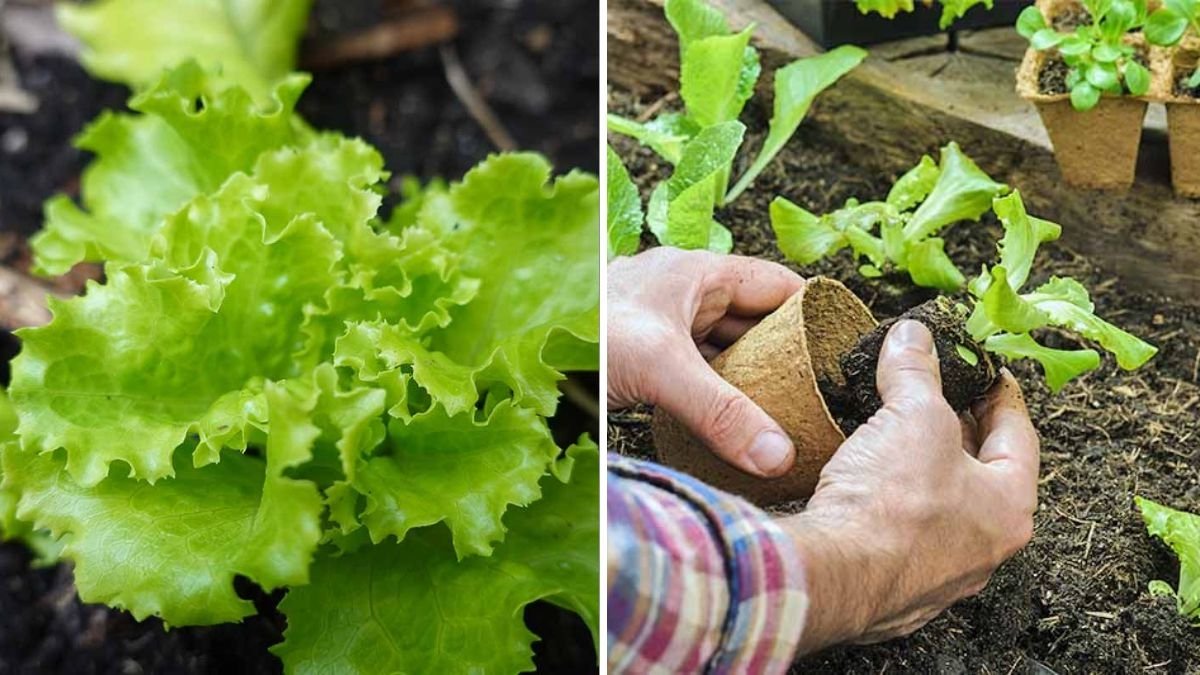
If you thought fresh lettuce was only for spring and summer salads, think again! Winter lettuce is a cold-hardy hero that thrives even when temperatures drop. With a little planning and protection, you can enjoy crisp, flavorful greens straight from your garden through the frosty months. Whether you’re a home gardener looking to extend your harvest or a food lover craving farm-fresh produce all year, winter lettuce can bring both nourishment and delight to your table.
In this detailed guide, we’ll explore how to grow, care for, and enjoy winter lettuce, with tips for indoor and outdoor cultivation, soil preparation, and seasonal recipes that make the most of these tender greens.
1. Why Grow Lettuce in Winter?
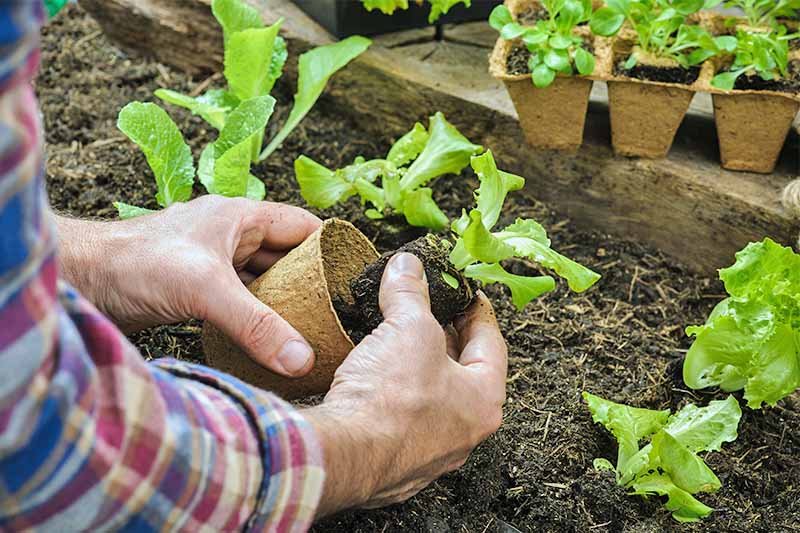
Growing lettuce in winter has several unique advantages. For starters, cooler temperatures actually improve lettuce flavor—the leaves grow sweeter and crisper when not stressed by heat. Unlike summer greens that bolt quickly under the sun, winter varieties stay lush and tender.
Additionally, fewer pests are active in colder months, meaning you’ll spend less time battling aphids and caterpillars. With some simple protection like cold frames, row covers, or greenhouses, you can easily maintain a thriving lettuce bed throughout the winter season.

2. Best Varieties of Winter Lettuce
Not all lettuce varieties are equally suited to cold weather. For a successful winter crop, choose cold-tolerant varieties that can handle frost and low light. Some of the best winter lettuces include:
- ‘Winter Density’ – A compact butterhead-romaine hybrid with thick, crunchy leaves that handle cold well.
- ‘Arctic King’ – Known for its hardiness and ability to grow even under snow.
- ‘Marvel of Four Seasons’ – A colorful French heirloom with red-tinted leaves and rich flavor.
- ‘Valdor’ – A green butterhead that performs exceptionally well in unheated greenhouses.
- ‘Rouge d’Hiver’ – A stunning red romaine with excellent frost resistance.
These varieties are not only delicious but also visually appealing, perfect for adding color and texture to your winter garden.
3. Preparing Your Garden for Winter Lettuce
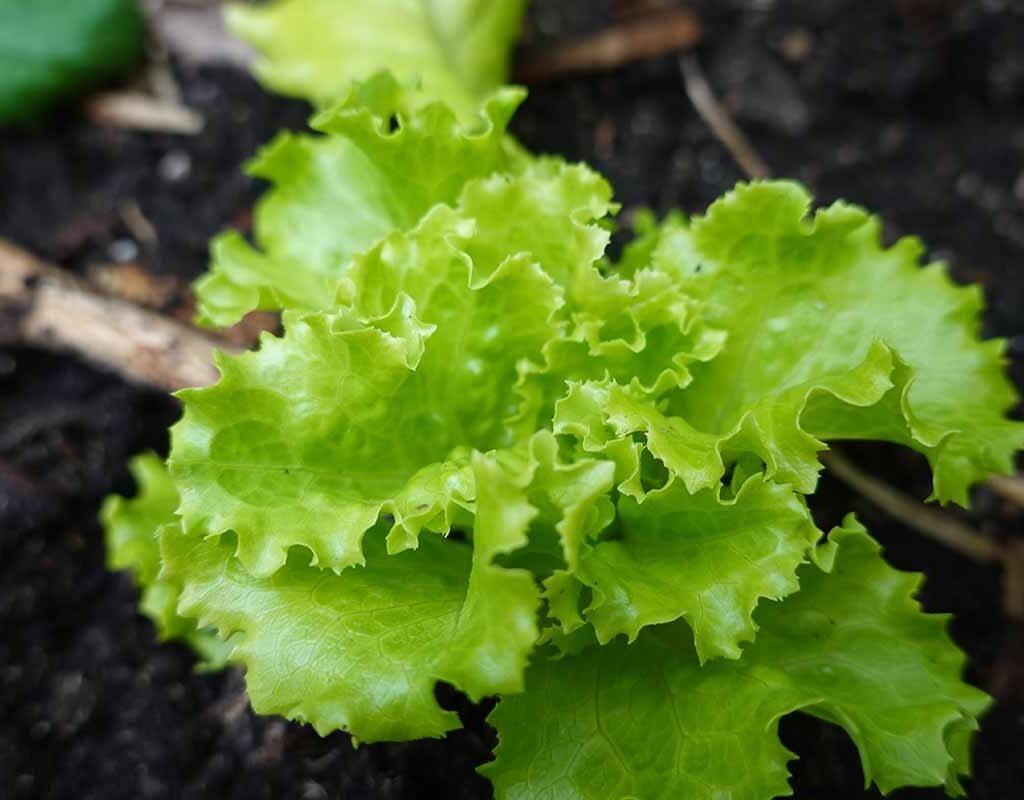
Lettuce thrives in well-drained, nutrient-rich soil with a neutral pH (around 6.0–7.0). Before planting, work compost or aged manure into the top few inches of soil to improve fertility and texture.
If you live in a region with harsh winters, consider growing your lettuce in raised beds or containers, which can warm up more quickly and drain better than ground-level gardens. Use lightweight row covers or plastic tunnels to retain heat and protect against frost.

4. Planting and Growing Conditions
You can grow winter lettuce outdoors, in cold frames, or indoors under grow lights depending on your local climate.
- Timing: For outdoor growing, sow seeds in late summer or early fall so the plants can establish before the first frost. For indoor growing, start seeds any time—you can enjoy a steady supply of greens all season.
- Spacing: Plant seeds about 6–8 inches apart to allow enough airflow and light.
- Light: Lettuce doesn’t need full sun in winter; partial light or 4–5 hours of sunlight is sufficient. If growing indoors, place plants near a sunny window or use LED grow lights.
- Watering: Keep the soil consistently moist but not soggy. In winter, evaporation slows, so reduce watering slightly to prevent root rot.
With proper care, you’ll have fresh lettuce ready to harvest in as little as 30–50 days, depending on the variety.
5. Protecting Lettuce from Frost and Snow
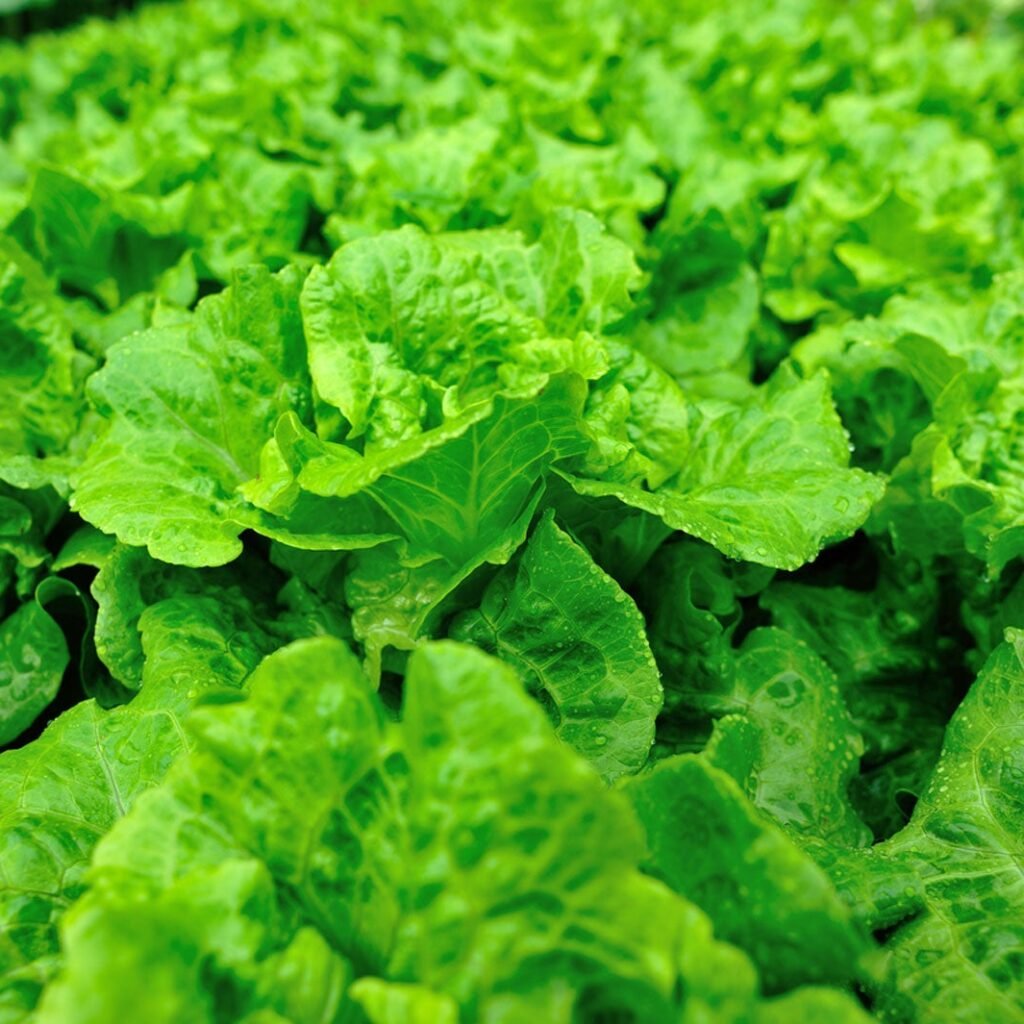
Even though winter lettuce can withstand some frost, prolonged freezing can still damage the leaves. Here’s how to keep your greens thriving through cold snaps:
- Use frost blankets or row covers: These lightweight fabrics trap warmth while allowing moisture and light to pass through.
- Install a cold frame: A simple wooden or metal frame with a clear lid (made from glass or polycarbonate) creates a mini-greenhouse effect.
- Mulch the soil: Apply a thick layer of straw or shredded leaves around your plants to insulate the roots and retain moisture.
- Water before a freeze: Moist soil retains heat better than dry soil, giving plants an extra layer of protection.
With these steps, your winter lettuce can endure even chilly nights and emerge as crisp and vibrant as ever.

6. Harvesting Winter Lettuce the Right Way
The best time to harvest lettuce is when the leaves are full-sized but still tender. Use scissors or a sharp knife to cut outer leaves, leaving the inner ones to continue growing—this “cut-and-come-again” method ensures a continuous harvest.
Avoid harvesting frozen leaves; instead, wait until they thaw naturally in the morning sun. For long-term freshness, store the leaves in an airtight container with a damp paper towel in the refrigerator.
7. Delicious Ways to Use Winter Lettuce

Winter lettuce brings freshness and flavor to countless seasonal dishes. Here are some ideas to make the most of your harvest:
- Winter Salad Bowl: Mix tender lettuce with roasted root vegetables, toasted nuts, and a balsamic glaze.
- Warm Lettuce Wraps: Use crisp leaves to wrap sautéed mushrooms, tofu, or grilled veggies.
- Hearty Soups and Stews: Add chopped lettuce at the end of cooking for a hint of freshness.
- Lettuce and Apple Slaw: Combine shredded lettuce with apples, walnuts, and a creamy yogurt dressing.
- Green Smoothies: Blend winter lettuce with citrus fruits and ginger for a vitamin-packed morning boost.
Because winter lettuce grows slowly, its leaves develop a denser texture and deeper flavor—perfect for complementing winter meals.

8. Tips for Growing Lettuce Indoors
If outdoor conditions are too extreme, you can grow lettuce right inside your kitchen or sunroom. Choose compact varieties like ‘Little Gem’ or ‘Tom Thumb’ and plant them in shallow trays with good drainage.
Use full-spectrum grow lights to mimic daylight, and keep the temperature between 55–65°F for optimal growth. Water sparingly, and rotate trays weekly for even exposure. Indoor lettuce can produce fresh, crunchy leaves for months without taking up much space.
9. Common Mistakes to Avoid
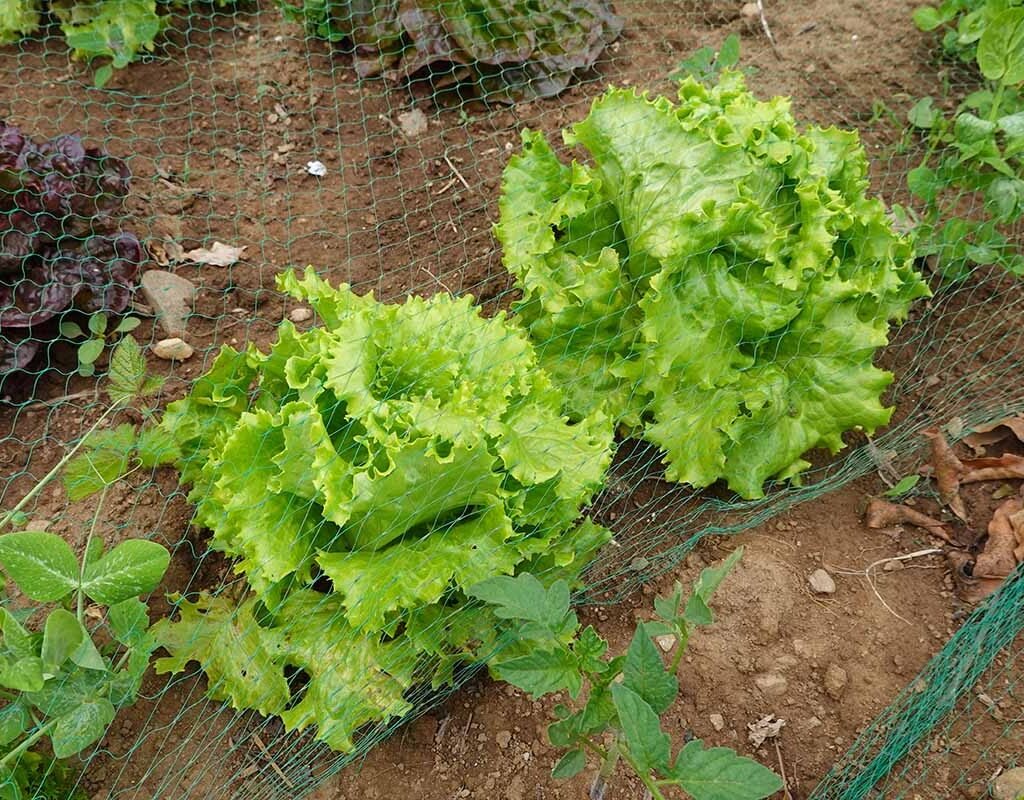
While lettuce is relatively easy to grow, a few common mistakes can hinder your success:
- Overwatering: Too much water leads to root rot. Keep soil moist but not soggy.
- Poor air circulation: Crowded plants invite fungal diseases. Maintain proper spacing.
- Neglecting light: Even winter lettuce needs several hours of light per day to thrive.
- Ignoring soil nutrition: Replenish soil between plantings with compost or organic fertilizer.
By avoiding these pitfalls, you’ll ensure a healthy, productive winter garden.

10. Final Thoughts: Bringing Freshness to Winter Tables
Growing winter lettuce is a rewarding way to stay connected to nature and enjoy fresh, homegrown produce during the cold months. Whether you cultivate it outdoors under a frost cover or indoors on a windowsill, winter lettuce brings vitality and crisp flavor to your seasonal meals.
It’s sustainable, cost-effective, and surprisingly simple—proof that gardening doesn’t have to stop when the weather turns chilly. With the right care, your winter lettuce patch can become a source of nourishment, comfort, and a touch of green joy through the snowy season.

Leave A Comment