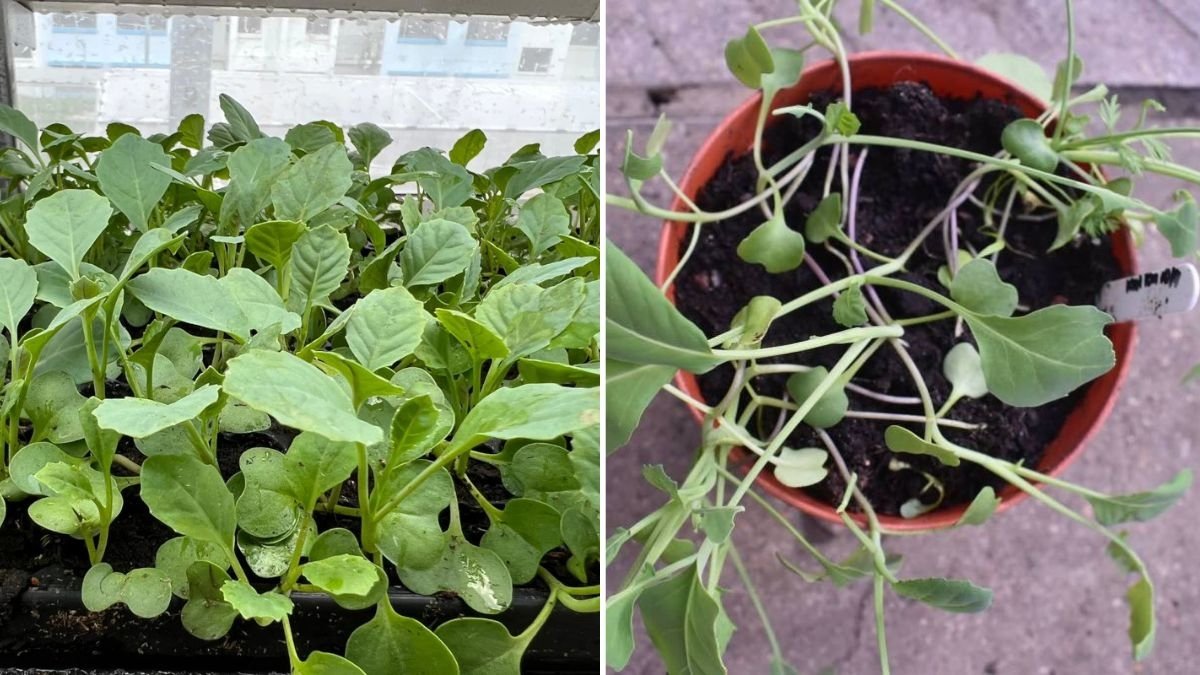
When it comes to Asian leafy greens, few vegetables capture the perfect balance of nutrition, texture, and flavor like Kai Lan, also known as Chinese kale or Chinese broccoli. This hearty vegetable has been a staple in Chinese and Southeast Asian cuisines for centuries, admired not only for its culinary versatility but also for its numerous health benefits. In recent years, Kai Lan has become increasingly popular in American kitchens and restaurants, especially among those looking to incorporate more greens into their diet without compromising on taste.
In this article, we’ll explore everything you need to know about Kai Lan — from its origins and health benefits to how to cook it like a pro at home.
What Is Kai Lan (Chinese Kale)?
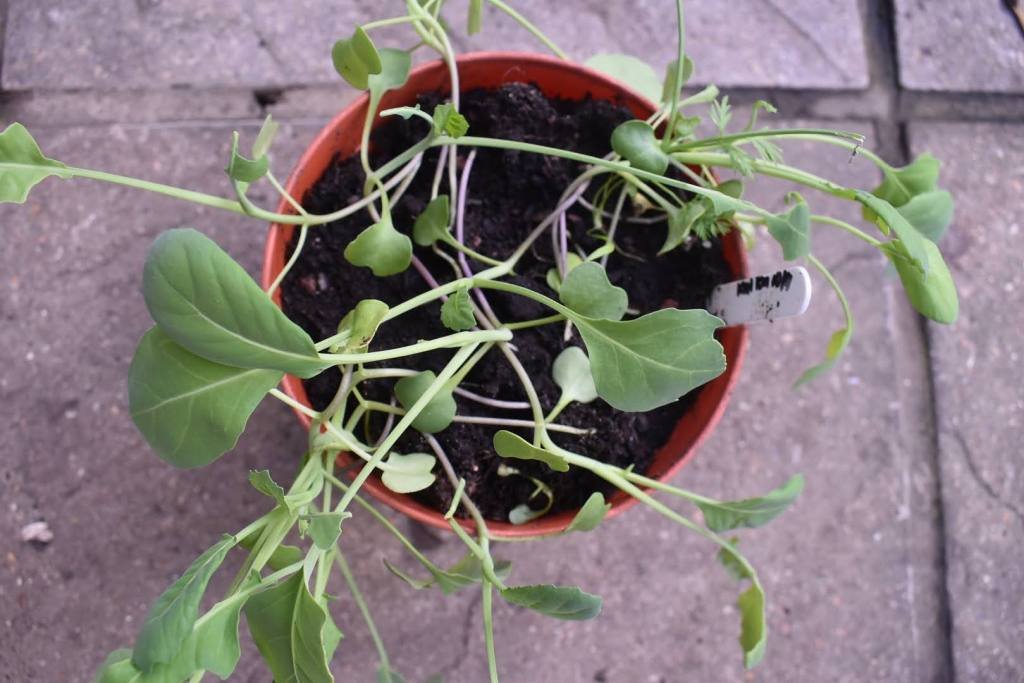
Kai Lan (scientifically known as Brassica oleracea var. alboglabra) is a leafy green vegetable closely related to broccoli, cabbage, and kale. It belongs to the Brassica family, often referred to as the cruciferous vegetables, which are known for their high levels of vitamins, minerals, and antioxidants.
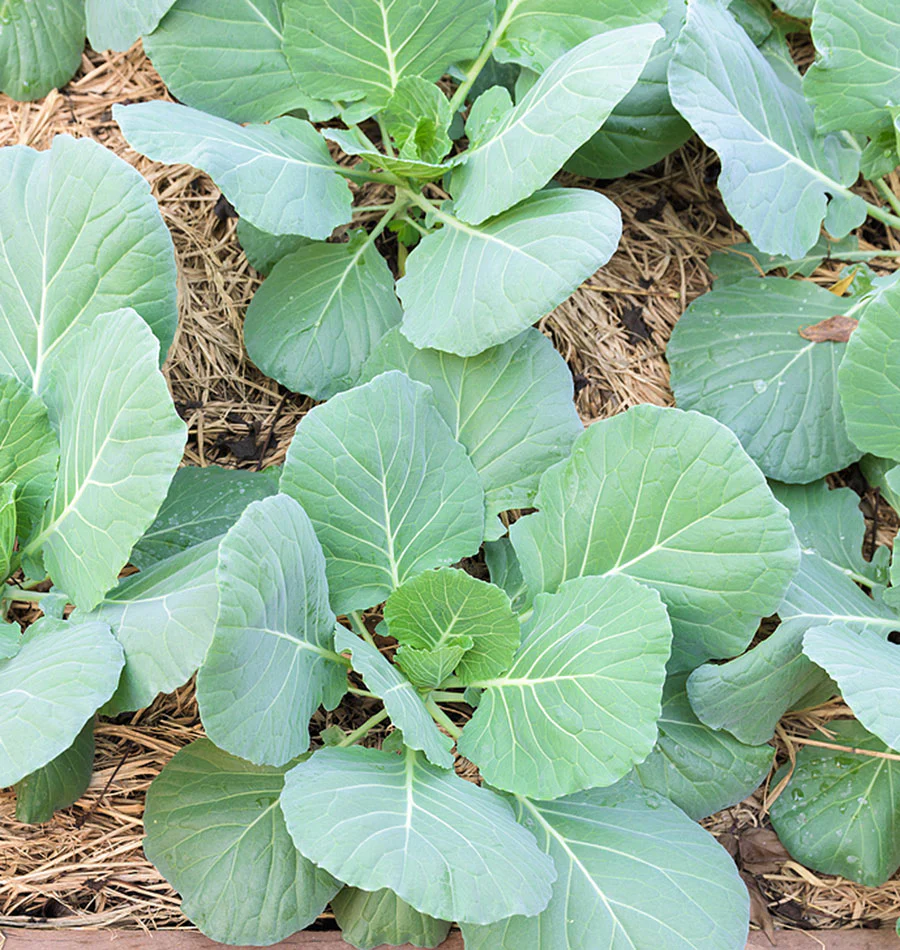
Visually, Kai Lan features thick, flat, glossy green leaves, firm stems, and small white or yellow flower buds. It’s somewhat similar to broccoli, but the stems are thinner, and the flavor is more robust — slightly bitter, earthy, and nutty.
You might see it labeled as Chinese broccoli, Chinese kale, or Gai Lan in Asian grocery stores and farmers’ markets across the United States.
Nutritional Value of Kai Lan
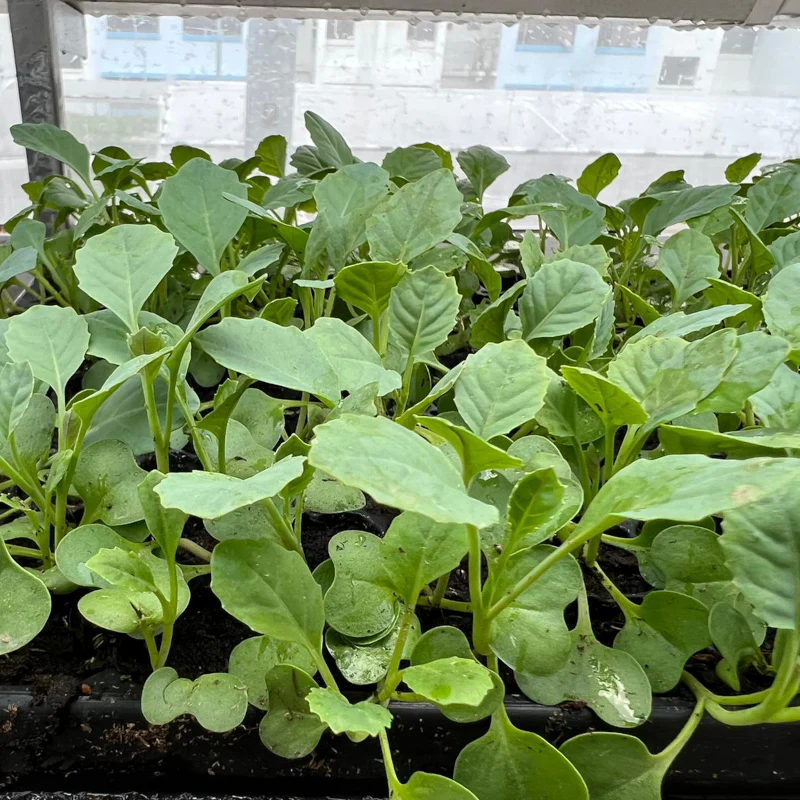
Like its cruciferous cousins, Kai Lan is a nutritional powerhouse. A single serving of this vegetable offers a rich blend of vitamins, minerals, and antioxidants that support overall health and wellness.

Here’s what makes Kai Lan a superfood worth adding to your diet:
- Vitamin C: Boosts the immune system and promotes collagen production for healthy skin.
- Vitamin K: Plays a vital role in blood clotting and bone health.
- Vitamin A: Supports good vision and maintains healthy skin and mucous membranes.
- Calcium: Strengthens bones and teeth.
- Iron: Helps transport oxygen in the blood and prevents fatigue.
- Dietary Fiber: Promotes digestion and supports gut health.
- Antioxidants: Compounds like lutein and beta-carotene protect against oxidative stress.
In addition, Kai Lan is low in calories and carbohydrates, making it an ideal choice for those following a healthy or weight-conscious diet.
Health Benefits of Eating Kai Lan
Kai Lan offers a wide range of health benefits that make it more than just a flavorful addition to your meal.
1. Supports Heart Health
Kai Lan is rich in dietary fiber, which helps lower cholesterol levels and improve overall heart health. The presence of antioxidants and anti-inflammatory compounds further reduces the risk of cardiovascular diseases.
2. Promotes Bone Strength
With its high levels of calcium, vitamin K, and magnesium, Kai Lan supports strong bones and helps reduce the risk of osteoporosis, especially important for aging adults.
3. Boosts Immunity
The abundance of vitamin C in Kai Lan strengthens the immune system, helping your body fight off infections and viruses more effectively.

4. Aids in Detoxification
Cruciferous vegetables like Kai Lan contain glucosinolates, natural compounds that support liver detoxification and help eliminate harmful toxins from the body.
5. Improves Eye Health
Lutein and beta-carotene found in Kai Lan protect the eyes from damage caused by UV rays and age-related macular degeneration.
6. May Reduce Cancer Risk
Studies have shown that cruciferous vegetables contain compounds that can help reduce the risk of certain types of cancers, such as breast, colon, and prostate cancer, by supporting the body’s detox pathways and protecting DNA from oxidative damage.
How to Cook Kai Lan: Delicious and Easy Recipes
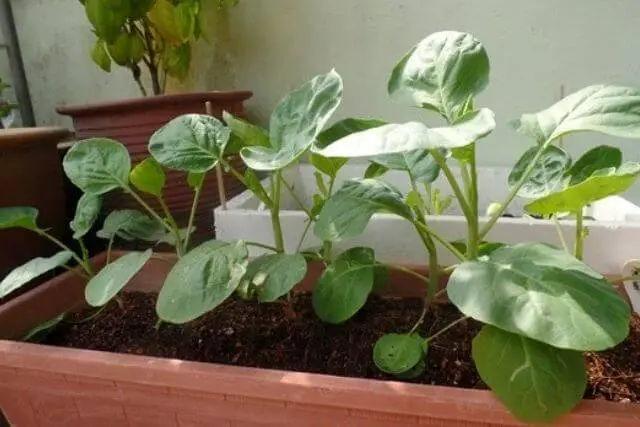
Kai Lan’s versatility makes it an excellent ingredient for a variety of dishes — from stir-fries to soups and even steamed side dishes. Its natural flavor pairs well with garlic, soy sauce, ginger, and oyster sauce.
Here are some popular ways to cook and enjoy Kai Lan:
1. Stir-Fried Kai Lan with Garlic
One of the simplest and most beloved dishes in Chinese cuisine, stir-fried Kai Lan is quick, flavorful, and healthy.
Recipe Tip: Heat oil in a wok, sauté minced garlic, and add chopped Kai Lan stems and leaves. Stir-fry for a few minutes, add a splash of soy sauce or oyster sauce, and serve hot.

2. Kai Lan with Oyster Sauce
A classic dim sum favorite found in many Chinese-American restaurants. Blanch the Kai Lan until tender, drizzle with oyster sauce, and top with a bit of fried garlic for extra flavor.
3. Kai Lan Noodle Stir-Fry
Add Kai Lan to noodles or lo mein for a nutritious boost. Its earthy taste complements both meat and tofu dishes beautifully.
4. Steamed Kai Lan with Sesame Dressing
For a light and refreshing side, steam the Kai Lan and drizzle with a mixture of sesame oil, soy sauce, and rice vinegar. Sprinkle toasted sesame seeds for extra crunch.
5. Kai Lan Soup
Simmer chopped Kai Lan with ginger, garlic, vegetable broth, and tofu or chicken for a wholesome, comforting soup.
Where to Buy Kai Lan in the U.S.
Kai Lan can be found in most Asian grocery stores, specialty produce markets, and sometimes in the Asian produce section of large supermarkets like Whole Foods, Safeway, or Trader Joe’s. You can also find fresh or frozen Kai Lan online through platforms like Amazon Fresh and Weee!
When buying fresh Kai Lan, look for:

- Bright, deep-green leaves
- Firm stems (not wilted or rubbery)
- No yellowing or signs of decay
Store it in the refrigerator in a perforated plastic bag, and it should stay fresh for up to 5 days.
Growing Kai Lan at Home
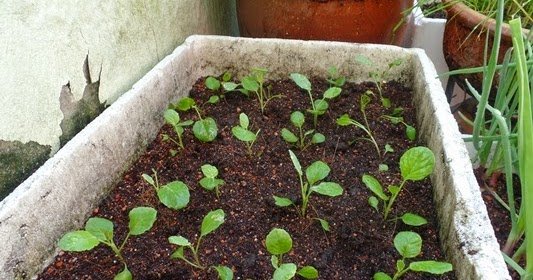
If you love gardening, Kai Lan is a rewarding vegetable to grow in your backyard or balcony garden. It thrives in cool weather and can be grown similarly to kale or broccoli.
Here’s how to grow your own Kai Lan:
- Planting Season: Best in early spring or fall.
- Soil: Use well-drained, nutrient-rich soil with compost.
- Sunlight: Requires at least 6 hours of direct sunlight daily.
- Watering: Keep soil moist but not soggy.
- Harvesting: Harvest young leaves and stems when tender — usually 45–60 days after planting.
Growing Kai Lan not only gives you a steady supply of fresh greens but also ensures your meals are organic and chemical-free.
Pairing Kai Lan with American Meals
Kai Lan isn’t limited to Asian cuisine — it can easily blend into American-style dishes, adding both nutrition and texture. Try these pairing ideas:
- Toss blanched Kai Lan into pasta dishes with garlic and olive oil.
- Add it to grain bowls with quinoa, roasted vegetables, and grilled chicken.
- Mix it into omelets or scrambles for a nutritious breakfast.
- Serve steamed Kai Lan as a side dish for grilled steak or salmon.
Final Thoughts
Kai Lan, or Chinese kale, is much more than a humble leafy green — it’s a nutrient-dense superfood that deserves a place in every modern kitchen. Whether you enjoy it in a sizzling stir-fry, a comforting soup, or a healthy salad, this versatile vegetable adds both flavor and nourishment to your diet.

With its increasing availability across American supermarkets and farmers’ markets, now is the perfect time to explore the world of Kai Lan. Embrace this Asian super green and bring a touch of authentic flavor and wellness to your table!

Leave A Comment