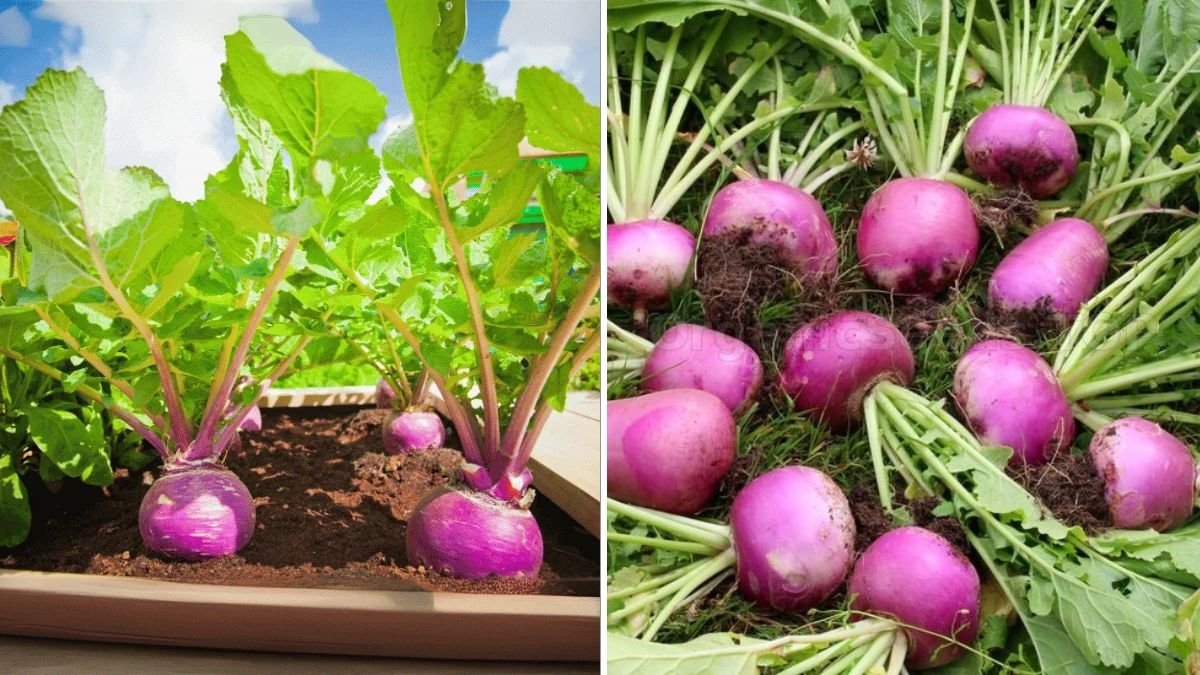
Few vegetables combine nutrition, versatility, and ease of growth like the humble turnip. Known for their crisp texture and slightly sweet, earthy flavor, turnips have been a staple in American diets for centuries. From hearty soups and stews to roasted sides and pickles, this root vegetable adds flavor, nutrients, and color to any meal.
Turnips are not only edible roots—they also provide edible greens, making them a dual-purpose crop. Easy to grow in backyard gardens, raised beds, or containers, turnips are perfect for American gardeners looking for a fast-growing, low-maintenance, and nutrient-dense vegetable.
In this article, we’ll explore everything about turnips—from planting and care to health benefits and culinary uses—so you can bring this ancient yet modern vegetable into your home garden and kitchen.
1. What Is a Turnip? A Classic Root Vegetable
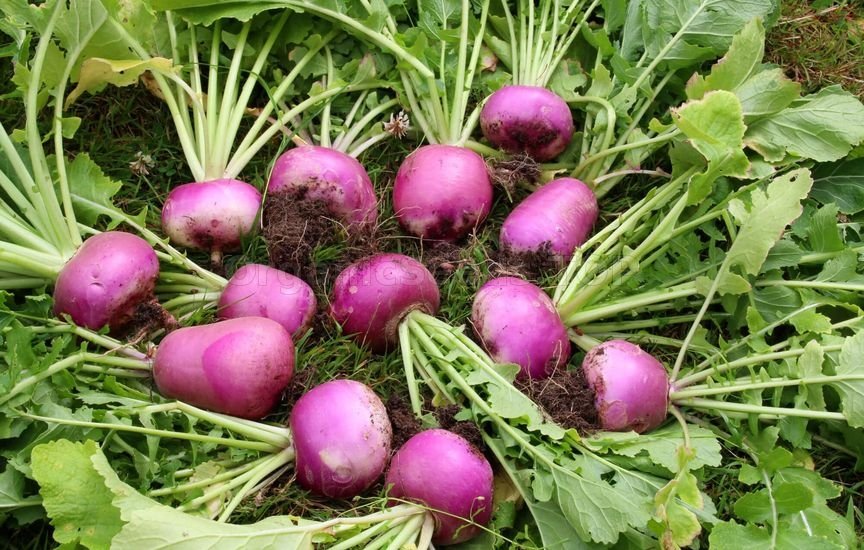
Turnip (Brassica rapa subsp. rapa) is a cool-season root vegetable prized for its crisp, slightly sweet root and tender greens. Turnips originated in Europe and Asia and have been cultivated for thousands of years. Today, they remain popular in American gardens and kitchens due to their versatility and nutritional benefits.
Botanical profile:
- Scientific name: Brassica rapa subsp. rapa
- Family: Brassicaceae
- Type: Biennial root vegetable
- Color: White with purple top, golden, or all-white varieties
- USDA Zones: 2–10
Turnip greens are nutrient-dense and flavorful, often compared to kale or mustard greens, adding another layer of versatility to your meal planning.

2. Nutritional Power of Turnips
Turnips are low in calories but high in essential vitamins and minerals, making them a great addition to American diets.
Nutritional highlights (per 100g):
- Calories: 28
- Carbohydrates: 6.4g
- Fiber: 1.8g
- Vitamin C: 21% of Daily Value (supports immunity)
- Vitamin K: 0.1 mcg (supports bone health)
- Potassium: 6% of Daily Value (supports heart function)
- Calcium and Magnesium: Supports strong bones
- Antioxidants: Glucosinolates and flavonoids
Health benefits include:
- Immune support: High vitamin C content strengthens immunity.
- Heart health: Potassium helps regulate blood pressure.
- Digestive health: Fiber promotes healthy digestion.
- Bone health: Calcium and magnesium support bone strength.
- Anti-inflammatory: Antioxidants help reduce inflammation.
Turnips are nutrient-packed, low-calorie, and ideal for weight management, making them perfect for modern American diets focused on wellness.
3. Why Turnips Are Perfect for American Gardens
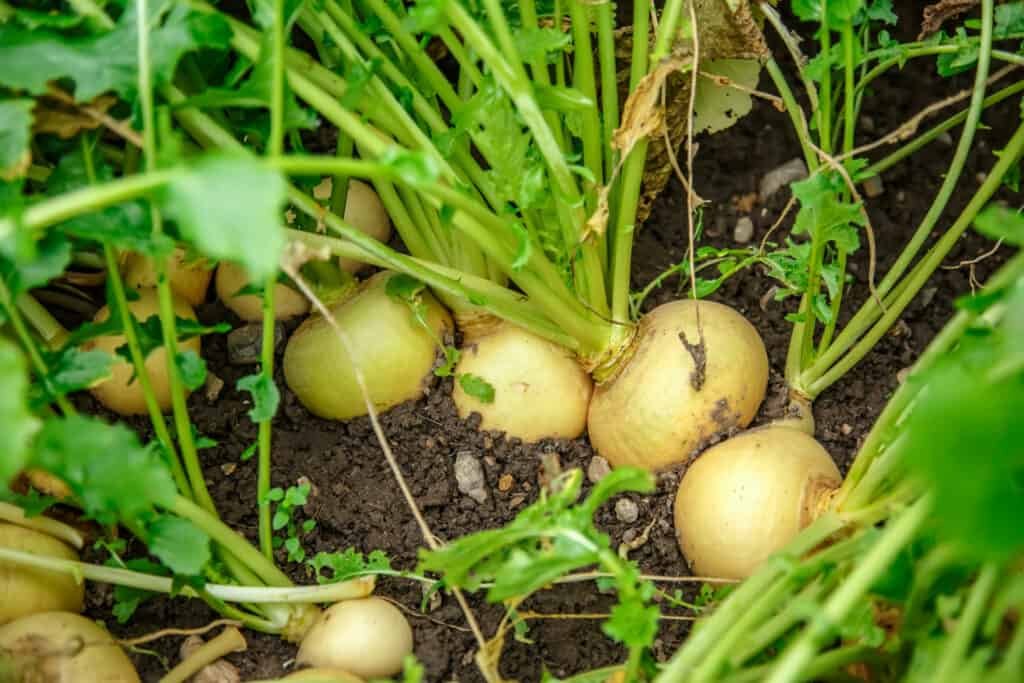
Turnips are a beginner-friendly crop that is fast-growing, hardy, and visually appealing. Here’s why gardeners across the U.S. love turnips:
- Quick harvest: Many varieties mature in 40–60 days.
- Dual-purpose: Both roots and greens are edible.
- Cold-tolerant: Grows well in spring and fall; withstands light frost.
- Compact growth: Ideal for raised beds, container gardens, or small spaces.
- Variety: Purple-topped, golden, and white varieties add color to your garden.
Turnips are also great for succession planting, providing multiple harvests throughout the season.

4. How to Grow Turnips in the U.S.
Turnips thrive in cool, well-drained soil and are one of the easiest vegetables to grow for both beginners and seasoned gardeners.
a. Planting Season
- Spring: Sow 2–4 weeks before the last frost.
- Fall: Plant 8–10 weeks before the first frost for late-season harvest.
Turnips grow best at temperatures between 50°F–70°F, avoiding hot summer months that may cause bolting.
b. Soil and Sunlight Requirements
- Soil: Loose, fertile, well-draining soil.
- pH: Slightly acidic to neutral (6.0–7.5).
- Sunlight: Full sun for best flavor, partial shade in hot climates.
Adding compost or organic fertilizer encourages sweet, tender roots and nutrient-dense greens.
c. Sowing Seeds
- Seed depth: ½ inch
- Spacing: 2–4 inches apart
- Rows: 12–18 inches apart
- Watering: Keep soil evenly moist for optimal germination.
Thinning seedlings ensures proper root development and prevents overcrowding.
5. Caring for Turnips
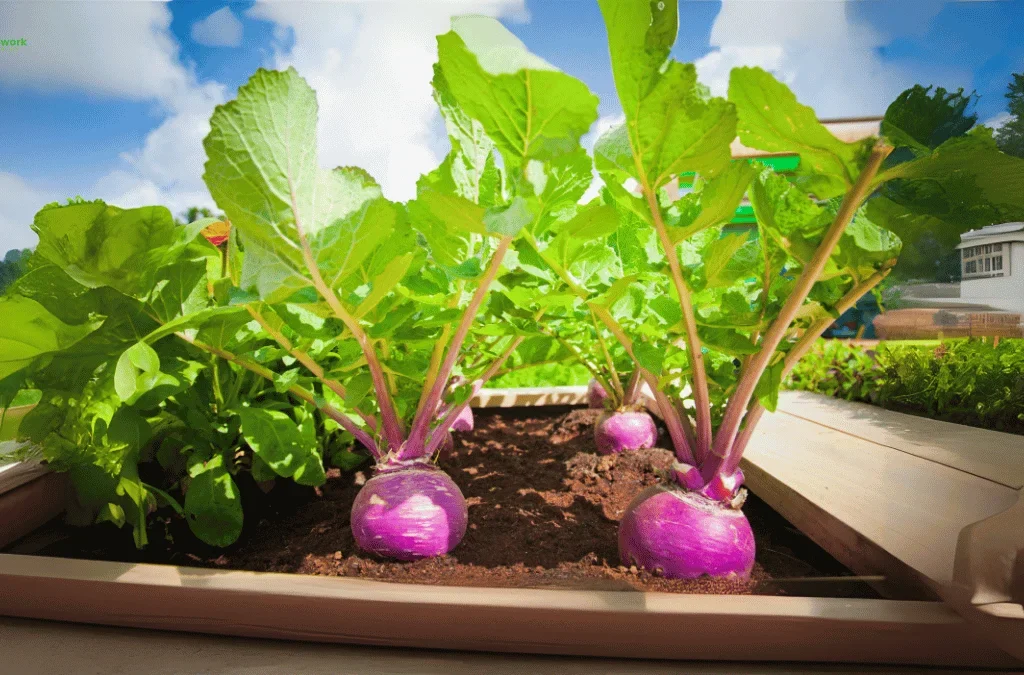
Turnips are low-maintenance, but these tips ensure a healthy harvest:
- Water consistently: Avoid drought stress to prevent tough, woody roots.
- Mulch: Helps retain soil moisture and reduces weeds.
- Fertilize lightly: Avoid excess nitrogen to focus growth on roots rather than leaves.
- Pest management: Monitor for root maggots, flea beetles, and aphids; row covers or organic solutions work well.
Proper care maximizes root size, flavor, and green quality.

6. Harvesting Turnips
Turnips are ready to harvest in 40–60 days, depending on the variety.
Harvesting tips:
- Loosen soil gently with a fork to avoid damaging the roots.
- Pull roots by the base.
- Baby turnips are tender and mildly sweet; larger roots have a stronger, earthier flavor.
Pro Tip: A light frost enhances sweetness by converting starches into natural sugars.
7. Storing and Preserving Turnips
Turnips are versatile and store well for weeks if handled properly:
- Refrigeration: Remove greens and store roots in a plastic bag in the crisper for up to 2–3 weeks.
- Root cellar: Store in damp sand for long-term preservation.
- Pickling: Preserves flavor and adds tang to meals.
- Greens: Sauté or use raw in salads.
Proper storage ensures nutrients, flavor, and texture remain intact.
8. Culinary Uses of Turnips
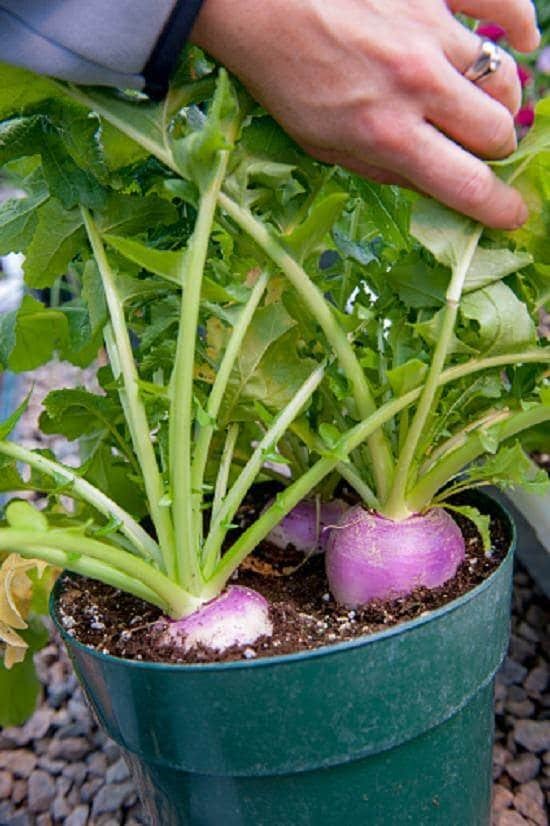
Turnips are highly versatile, fitting into a wide range of American recipes:

a. Raw
- Slice or julienne for salads and slaws.
- Serve with dips as a crunchy snack.
b. Roasted
- Toss with olive oil, garlic, and herbs for a caramelized, flavorful side.
c. Soups and Stews
- Add diced turnips to hearty stews or creamy soups for natural sweetness and texture.
d. Pickled
- Quick-pickle for sandwiches, tacos, or snacks.
e. Greens
- Sauté or stir-fry for a nutrient-rich side dish.
Turnips pair well with potatoes, carrots, onions, garlic, and fresh herbs, making them a versatile ingredient for any meal.
9. Popular Turnip Varieties for American Gardens
Several turnip varieties thrive across U.S. gardens, offering different flavors, colors, and growth habits:
- ‘Purple Top White Globe’: Classic, round turnip with mild flavor.
- ‘Golden Ball’: Sweet, golden flesh perfect for roasting.
- ‘Tokyo Cross’: Fast-growing, mild flavor, ideal for baby turnips.
- ‘Scarlet Queen’: Red-skinned, tender, and crisp.
- ‘Hakurei’ (Salad Turnip): Sweet, smooth, and great for raw eating.
Mixing varieties adds visual appeal and flavor diversity to meals and gardens.
10. Health Benefits of Turnips
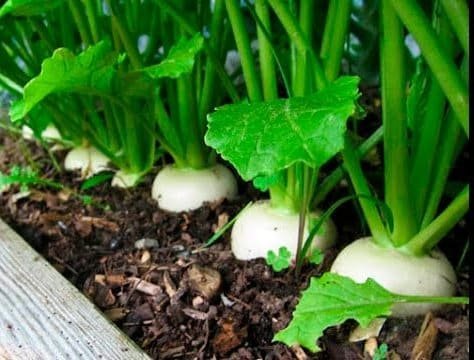
Turnips offer numerous health advantages:
- Immune support: High vitamin C strengthens immunity.
- Digestive health: Fiber promotes regularity and gut health.
- Heart health: Potassium helps regulate blood pressure.
- Bone health: Calcium and magnesium strengthen bones.
- Anti-inflammatory: Antioxidants reduce inflammation and oxidative stress.
Including turnips in your diet is a simple way to boost nutrition and wellness.
11. Sustainability and Home Gardening Benefits
Turnips are eco-friendly and sustainable:
- Compact growth: Perfect for small gardens and container planting.
- Fast-growing: Multiple harvests possible each season.
- Dual-purpose: Edible roots and greens reduce waste.
- Low input: Minimal fertilizer and pesticide needs.
Homegrown turnips provide fresh, nutrient-rich, and sustainable produce for your family.
12. Why Every American Should Grow and Eat Turnips
Turnips are nutritious, versatile, and easy to grow, making them a must-have for American gardeners and kitchens. Their roots and greens provide flavor, color, and essential nutrients for salads, soups, roasted sides, and pickled dishes.
Growing turnips at home ensures fresh, organic produce, reduces grocery costs, and supports sustainable gardening practices. Whether raw, roasted, or pickled, turnips are a tasty, healthful addition to any meal.

Leave A Comment