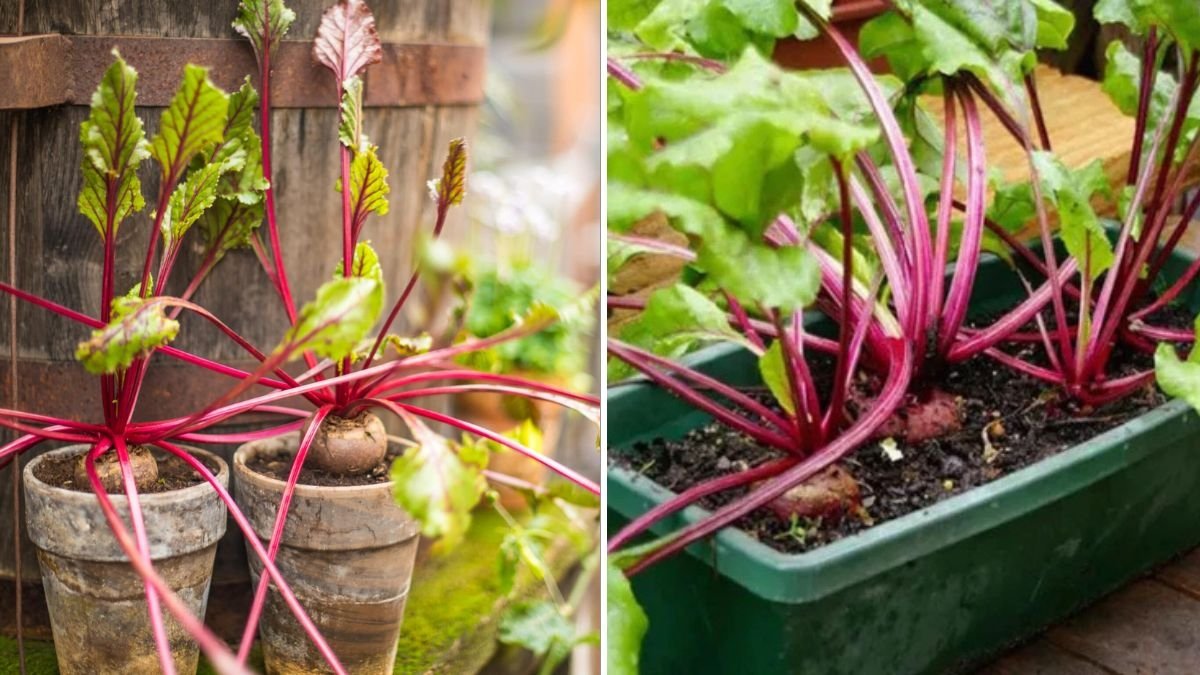
If there’s a vegetable that combines striking color, rich flavor, and remarkable health benefits, it’s the humble beetroot. Known for its deep red-purple hue and earthy sweetness, beetroot has become a superfood favorite in American diets. From smoothies and salads to roasted sides and juices, this versatile root vegetable offers both culinary creativity and nutritional power.
Beyond its flavor, beetroot is packed with vitamins, minerals, and antioxidants that support heart health, digestion, immunity, and athletic performance. It’s easy to grow at home, making it perfect for American gardeners who want fresh, organic produce at their fingertips. In this article, we’ll explore everything you need to know about beetroot, from growing tips and health benefits to delicious recipes and storage advice.
1. What Is Beetroot? A Colorful Root with Ancient Origins
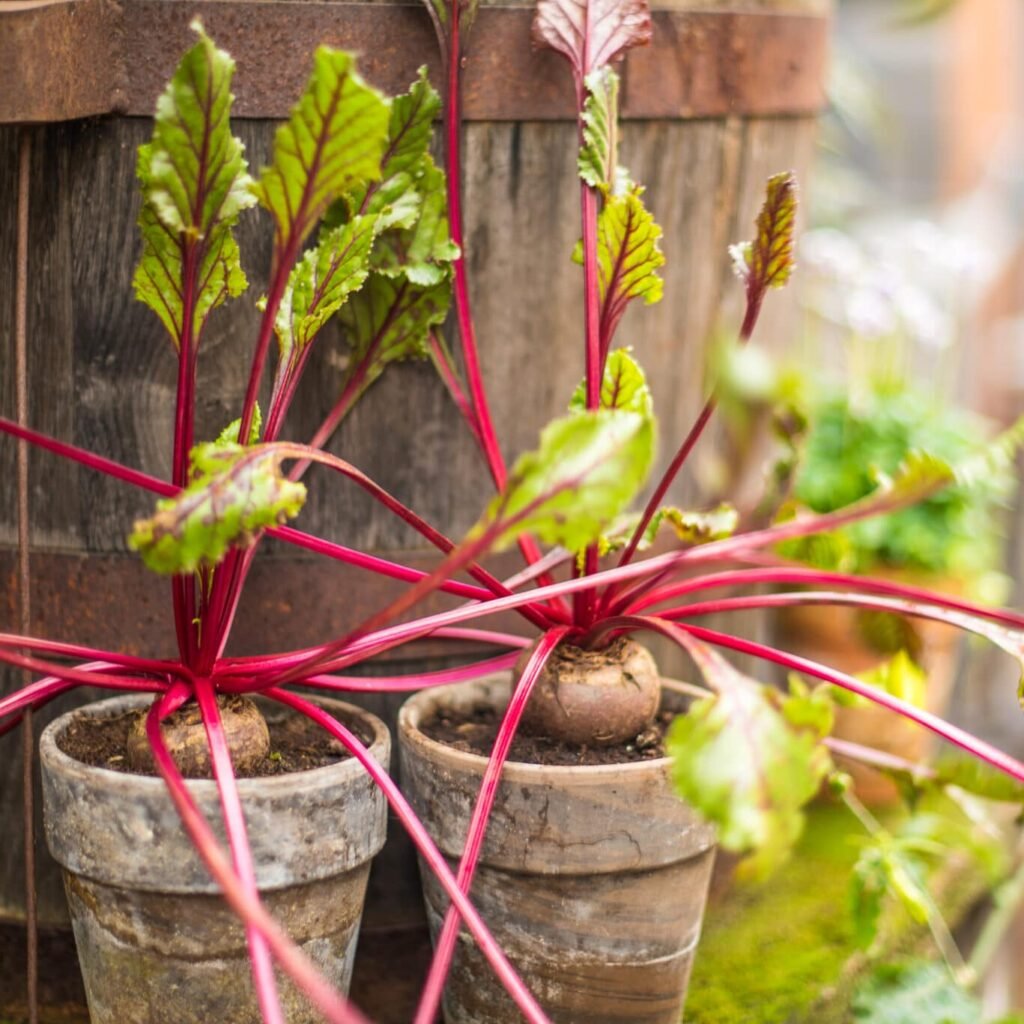
Beetroot (Beta vulgaris) is a biennial root vegetable grown primarily for its edible taproot and tender leaves. Originally cultivated in the Mediterranean region, beets have a long history of use for food and medicine. Today, they’re enjoyed worldwide and are gaining popularity in American kitchens for their earthy flavor, versatility, and superfood qualities.
Botanical profile:
- Scientific name: Beta vulgaris
- Family: Amaranthaceae
- Type: Biennial root vegetable
- Color: Red, golden, and striped (Chioggia)
- USDA Zones: 2–10
Beetroot leaves, or beet greens, are also edible and highly nutritious, often compared to spinach or Swiss chard in flavor and texture.
2. Nutritional Power of Beetroot
Beetroot is low in calories but high in essential nutrients, making it ideal for health-conscious Americans. Its rich color comes from betalains, potent antioxidants that promote overall wellness.

Nutritional highlights (per 100g):
- Calories: 43
- Carbohydrates: 10g
- Fiber: 2.8g
- Vitamin C: 8% of Daily Value (immune support)
- Folate: 20% of Daily Value (DNA synthesis and cell repair)
- Potassium: 9% of Daily Value (supports heart and muscle function)
- Iron: 4% of Daily Value
- Antioxidants: Betalains and nitrates for blood pressure regulation
Health benefits include:
- Heart health: Dietary nitrates improve blood flow and reduce blood pressure.
- Athletic performance: Nitrates can enhance stamina and endurance.
- Detoxification: Betalains support liver function and cellular detox.
- Digestive support: Fiber promotes healthy digestion and gut microbiota.
With such a nutrient profile, beetroot is a superfood worthy of daily consumption.
3. Why Beetroot Is Perfect for American Gardens
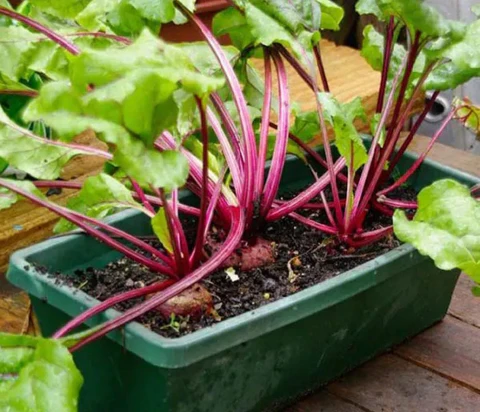
Beetroot is an excellent choice for home gardens due to its adaptability, fast growth, and dual-purpose use (roots and greens). Gardeners across the U.S. love beets because they:
- Grow well in various climates: Cool-season vegetable that tolerates frost.
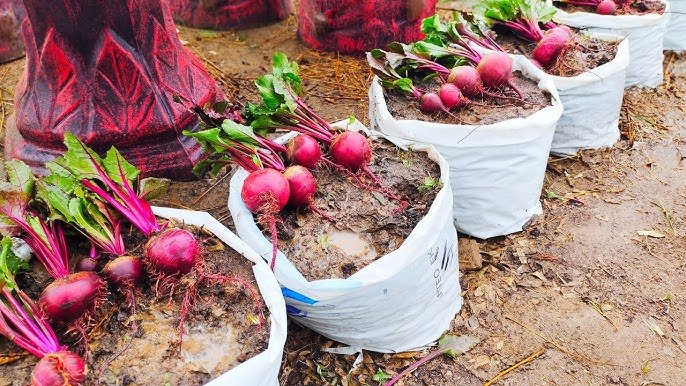
- Are space-efficient: Can be planted densely in raised beds or containers.
- Have a quick harvest: Baby beets can be ready in just 30–40 days.
- Provide dual crops: Both roots and greens are edible.
- Add vibrant color: Bright red, golden, or striped roots enhance garden aesthetics.
Whether you’re a backyard gardener or an urban container grower, beetroot delivers high yield and visual appeal.
4. How to Grow Beetroot in the U.S.
Beetroot is easy to grow for beginners and rewarding for experienced gardeners. Here’s a step-by-step guide for American gardens:

a. Planting Season
- Spring: 2–4 weeks before the last frost.
- Fall: 8–10 weeks before the first frost for a late-season harvest.
Beets prefer cool temperatures (50–70°F) and may bolt in hot summer months.
b. Soil and Sunlight Requirements
- Soil: Loose, well-drained, rich in organic matter. Avoid heavy clay to prevent deformed roots.
- pH: 6.0–7.5 (slightly acidic to neutral).
- Sunlight: Full sun for optimal growth, partial shade in hotter regions.
Adding compost or organic fertilizer promotes sweet, tender roots.
c. Sowing Seeds
- Seed depth: ½ inch
- Spacing: 2–3 inches apart, rows 12–18 inches apart
- Watering: Keep soil consistently moist until seedlings emerge.
Thinning seedlings is essential to allow roots to develop properly.
5. Caring for Beetroot
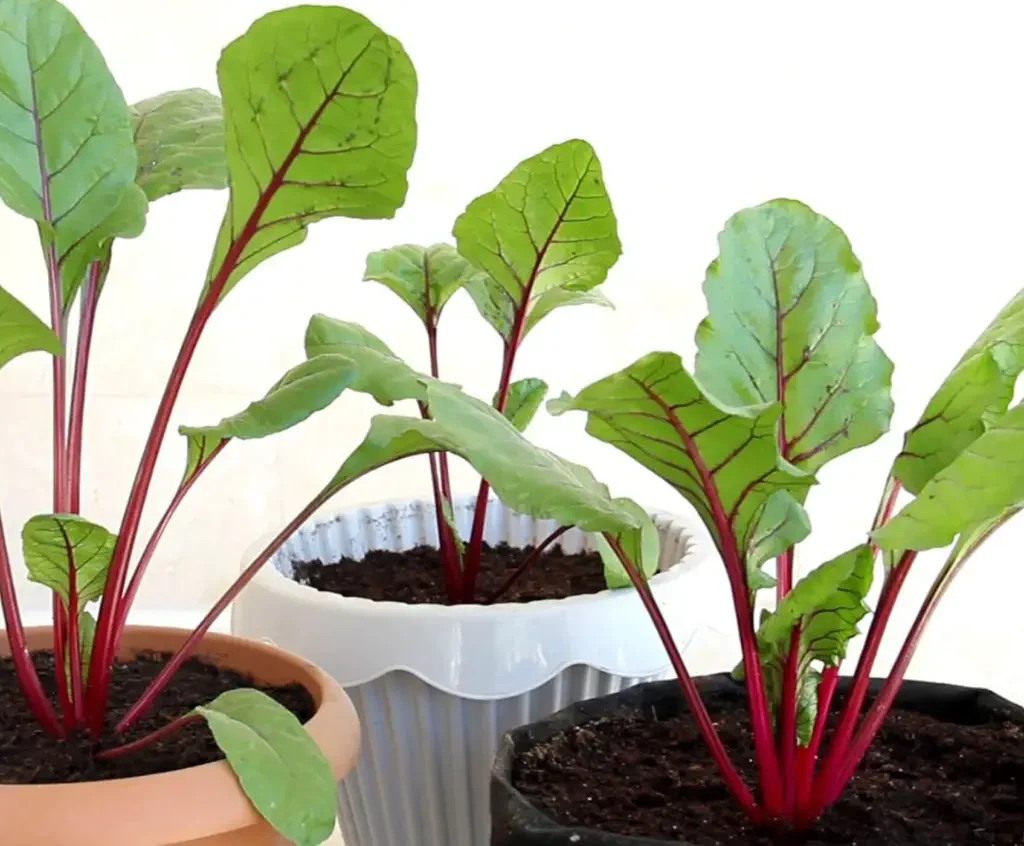
Beetroot requires minimal maintenance, but these tips help ensure a robust harvest:
- Water regularly: Even moisture prevents splitting and bitterness.
- Mulch: Helps retain soil moisture and reduce weeds.
- Fertilize lightly: Avoid excess nitrogen, which encourages leaf growth at the expense of roots.
- Pest management: Watch for leaf miners and aphids; neem oil or row covers are effective.
With proper care, beetroot is resilient and high-yielding, making it ideal for home gardeners.
6. Harvesting Beetroot
Beetroot is ready to harvest when roots reach 1.5–3 inches in diameter, typically 50–70 days after sowing.

Harvesting tips:
- Gently loosen the soil with a fork to avoid damaging the roots.
- Pull roots carefully by the base.
- Harvest baby beets earlier for tender, sweet roots.
Pro Tip: Beetroot roots become sweeter after a light frost, as natural sugars concentrate.
7. Storing and Preserving Beetroot
Beetroot is highly storable, which makes it ideal for long-term use:
- Refrigeration: Store roots in perforated plastic bags for up to 3–4 weeks.
- Root cellar: Keep in damp sand or sawdust for several months.
- Freezing: Blanch roots before freezing for long-term storage.
- Pickling: A popular American method to extend shelf life and add flavor.
Proper storage preserves flavor, texture, and nutrients.
8. Culinary Uses of Beetroot
Beetroot is extremely versatile in American kitchens. Its earthy sweetness pairs well with a wide range of dishes:
a. Raw
- Grate into salads for color and crunch.
- Juice with apples, ginger, or carrots for nutrient-rich beverages.
b. Roasted
- Roast with olive oil, garlic, and herbs for a natural sweetness.
- Combine with potatoes, carrots, and parsnips for a colorful side.
c. Pickled
- Slice and pickle for sandwiches, burgers, and snacks.
d. Soups
- Classic borscht or modern beet soups showcase vibrant color and flavor.
e. Greens
- Sauté beet greens with olive oil and garlic or add to smoothies for added nutrients.
9. Popular Beetroot Varieties for American Gardens
Several varieties of beetroot thrive in U.S. climates, offering different flavors and colors:

- ‘Detroit Dark Red’: Classic deep red, tender, and sweet.
- ‘Golden Beet’: Mild, sweet, and less earthy flavor.
- ‘Chioggia’ (Candy Stripe): Unique red-and-white striped roots.
- ‘Baby Beet Mix’: Fast-growing, colorful mix ideal for salads.
- ‘Albino’ or White Beet: Sweet, mild flavor with striking color contrast.
Planting a mix of colors makes both your garden and your dishes visually stunning.
10. Health Benefits of Beetroot
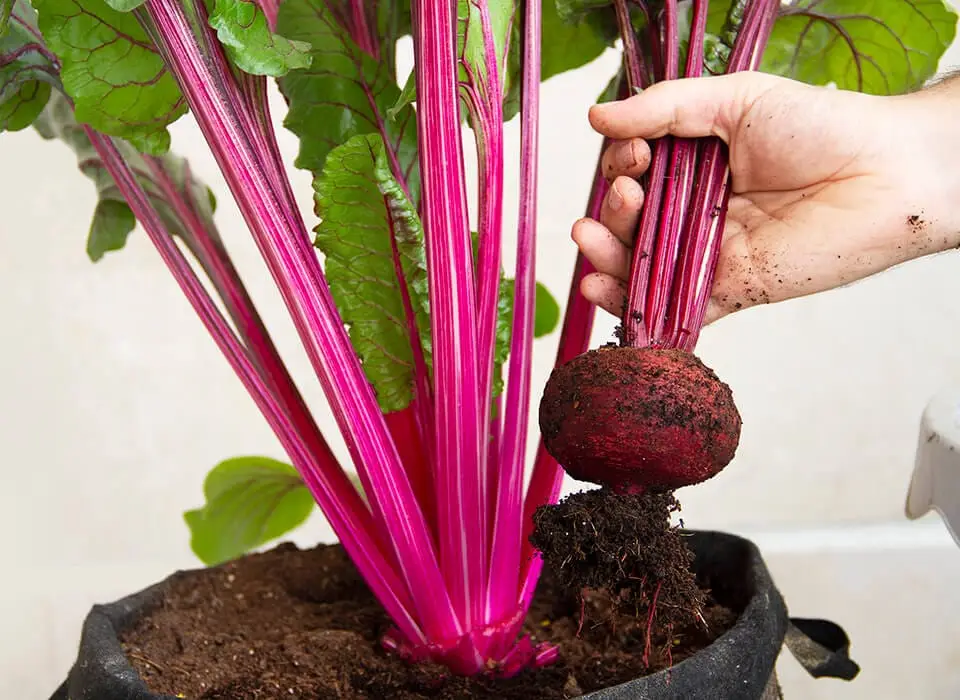
Beetroot is considered a superfood due to its extensive health benefits:
- Supports heart health: Nitrates improve blood flow and reduce blood pressure.
- Boosts stamina: Nitrates enhance athletic performance and oxygen efficiency.
- Detoxification: Betalains support liver detox and cellular health.
- Digestive health: Fiber promotes regularity and gut microbiome health.
- Anti-inflammatory: Antioxidants help reduce inflammation.
Including beetroot in your diet is a simple, flavorful way to support overall wellness.
11. Sustainability and Home Gardening Benefits
Beetroot is an eco-friendly, sustainable crop:
- Compact growth: Fits well in small gardens, raised beds, and containers.
- Fast-growing: Multiple plantings per season increase yield.
- Dual-purpose: Roots and greens both edible, minimizing waste.
- Low chemical input: Can be grown organically with minimal pesticides.
Homegrown beetroot ensures fresh, nutrient-rich, and sustainable produce for your family.
12. Why Every American Should Grow and Eat Beetroot
Beetroot combines vibrant color, sweet earthy flavor, and exceptional nutrition in one small root. Its versatility, ease of cultivation, and health benefits make it ideal for American home gardens and kitchens.

From juices and salads to roasted dishes and soups, beetroot enhances every meal with flavor, texture, and nutrients. Growing your own beets ensures freshness, sustainability, and unmatched taste, making it a must-have vegetable for modern American lifestyles.

Leave A Comment