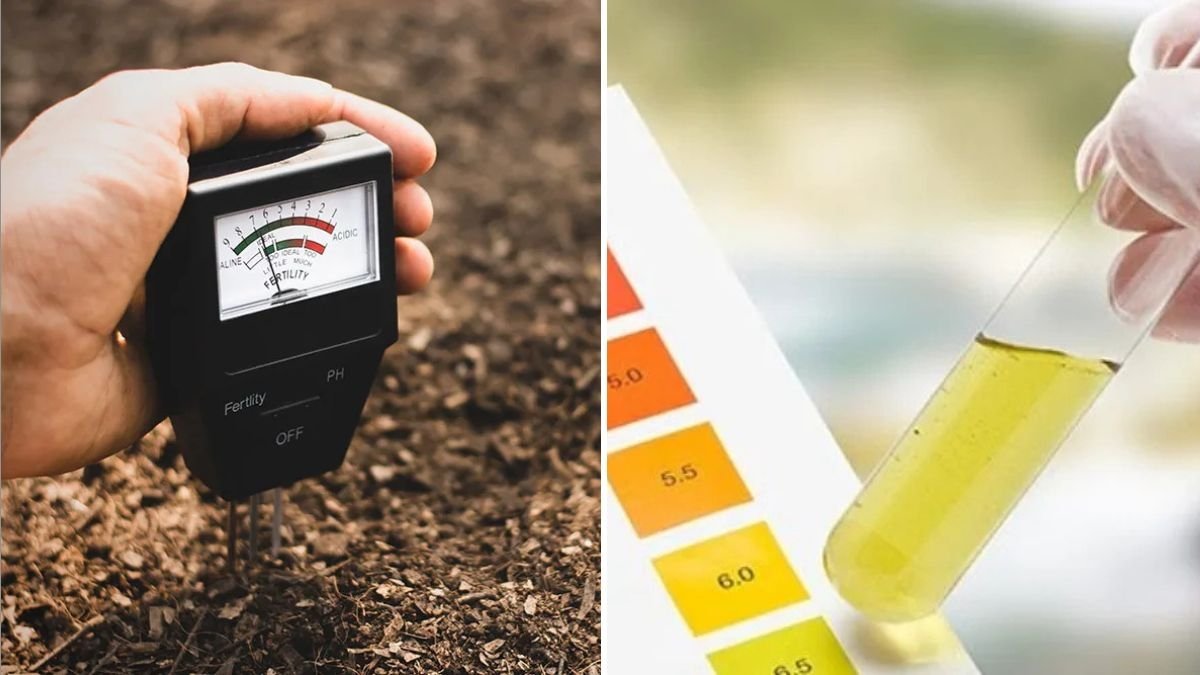
Soil pH plays a crucial role in gardening and plant health. It affects nutrient availability, microbial activity, and overall plant growth. If your soil is too acidic or too alkaline, even well-fertilized plants may struggle to thrive. While chemical treatments exist, balancing soil pH naturally is a safer, sustainable, and long-lasting approach for healthy gardens.
This comprehensive guide will show you how to balance soil pH naturally, including testing methods, amendments, soil management practices, and tips to maintain the ideal environment for plants.
Step 1: Understand Soil pH
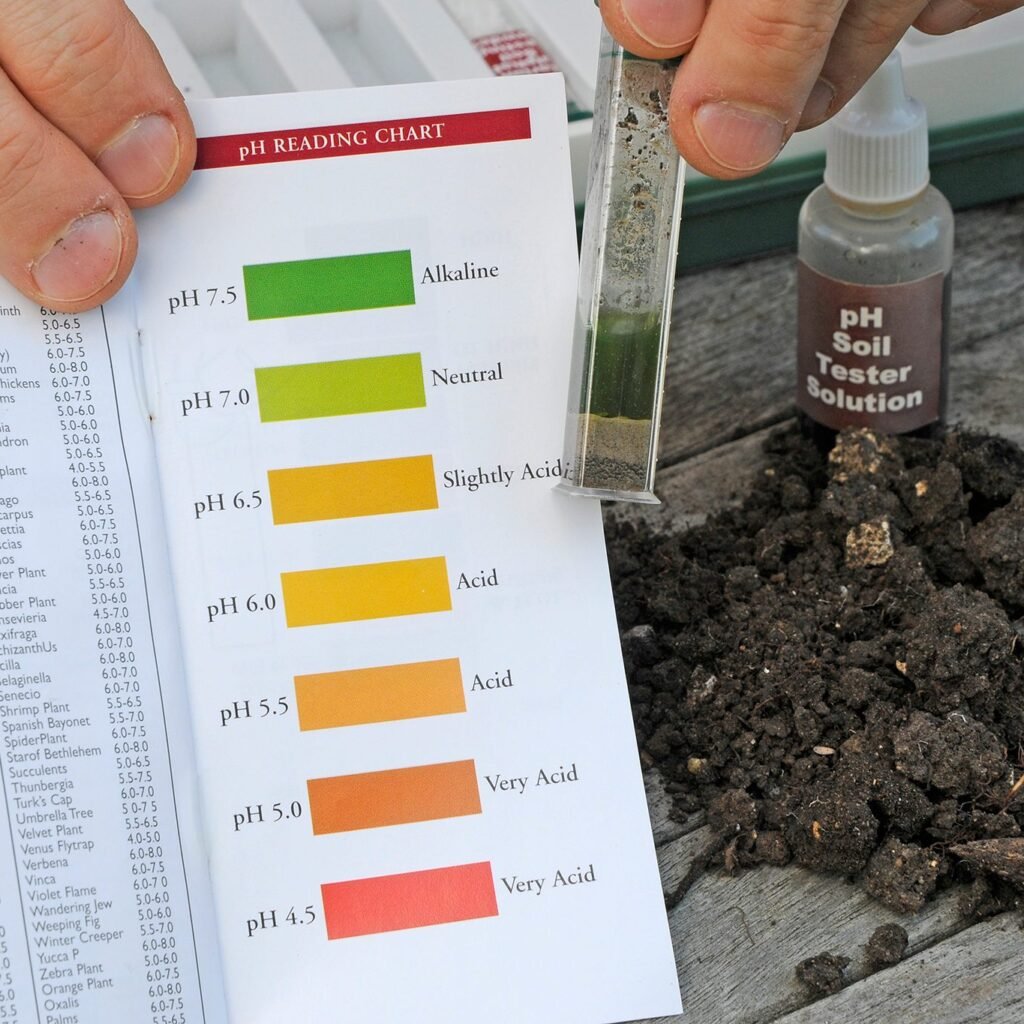
Soil pH measures the acidity or alkalinity of soil on a scale from 0 to 14:
- Acidic Soil: pH below 7
- Neutral Soil: pH around 7
- Alkaline Soil: pH above 7
Most plants thrive in slightly acidic to neutral soil (pH 6–7). Specific plants, such as blueberries, azaleas, and rhododendrons, prefer more acidic soil, while others, like lavender and beets, tolerate slightly alkaline soil.
Tip: Understanding the optimal pH for your plants helps you target adjustments effectively.

Step 2: Test Your Soil pH

Before making changes, determine your soil’s current pH:
- Home Test Kits: Easy-to-use kits provide a general idea of soil pH.
- pH Meter: Provides a digital reading for more precise results.
- Professional Testing: Soil labs offer detailed nutrient and pH analysis.
Tip: Test soil in several locations and at different depths to get an accurate picture of overall conditions.
Step 3: Adjust Acidic Soil Naturally
If your soil is too acidic (pH below 6), you can raise the pH using natural amendments:
1. Agricultural Lime (Calcium Carbonate)
- Most common natural option.
- Slowly neutralizes acidity over time.
- Apply according to soil test recommendations.
2. Wood Ash
- Raises pH and adds potassium, calcium, and trace minerals.
- Use sparingly, as excessive ash can cause over-alkalinity.
3. Eggshells
- Crushed or powdered eggshells provide calcium to neutralize acidity.
- Slowly decomposes, offering long-term benefits.
4. Garden Compost
- Well-composted organic matter can help buffer acidity.
- Adds nutrients and improves soil structure.
Tip: Mix these amendments into the top 6–12 inches of soil for best results. Always retest pH after a few weeks to gauge effectiveness.
Step 4: Adjust Alkaline Soil Naturally
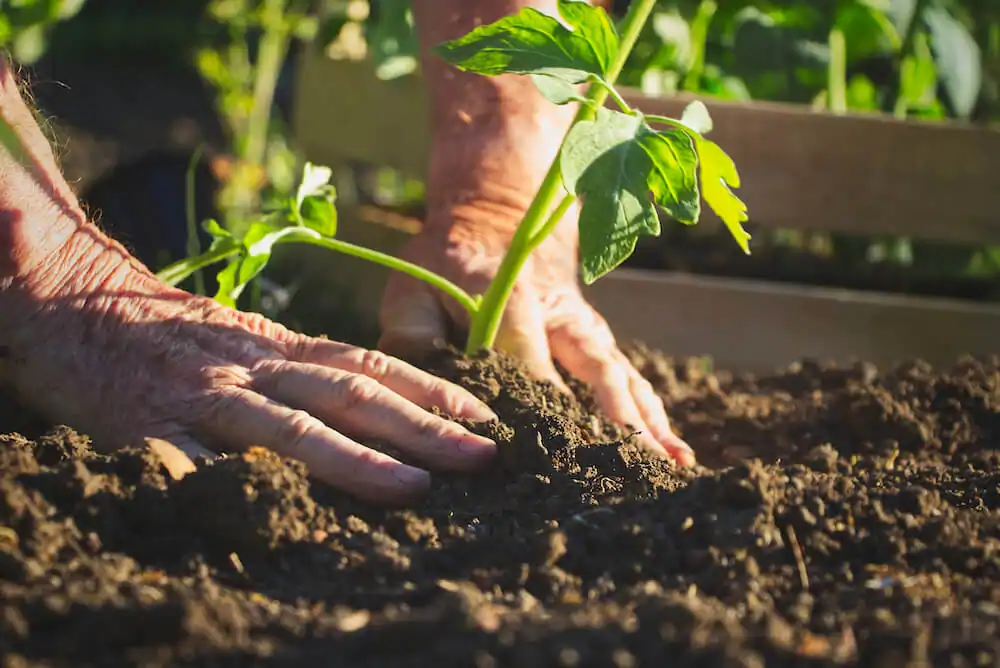
If your soil is too alkaline (pH above 7.5), lower the pH using natural methods:

1. Elemental Sulfur
- Slowly converts to sulfuric acid in soil, reducing pH.
- Apply according to soil type and plant needs.
2. Peat Moss
- Acidic and organic, lowers pH while improving moisture retention.
- Mix into soil or use as a mulch.
3. Pine Needles
- Use as mulch around acid-loving plants.
- Gradually lowers pH as they decompose.
4. Compost with Acidic Material
- Include coffee grounds, citrus peels, or vinegar in compost to create a slightly acidic blend.
Tip: Changes in alkaline soil can take longer, so patience is key. Test periodically and reapply natural amendments as needed.
Step 5: Incorporate Organic Matter
Adding organic matter is one of the most effective ways to balance soil pH naturally:
- Benefits: Improves nutrient retention, aeration, and water-holding capacity.
- Sources: Compost, decomposed leaves, grass clippings, and organic mulch.
- How to Use: Mix thoroughly into soil or layer as mulch around plants.
Tip: Organic matter not only balances pH but supports beneficial soil microbes essential for nutrient absorption.
Step 6: Use Crop Rotation and Cover Crops
Crop rotation and cover crops can help maintain pH naturally:
- Legumes: Fix nitrogen and improve soil fertility without altering pH drastically.
- Cover Crops: Rye, clover, and buckwheat enhance organic matter and buffer soil conditions.
- Rotation: Avoid planting the same crop repeatedly, which can deplete certain nutrients and affect pH.
Tip: Cover crops also prevent erosion and maintain soil structure, aiding long-term pH stability.

Step 7: Mulching and Moisture Management
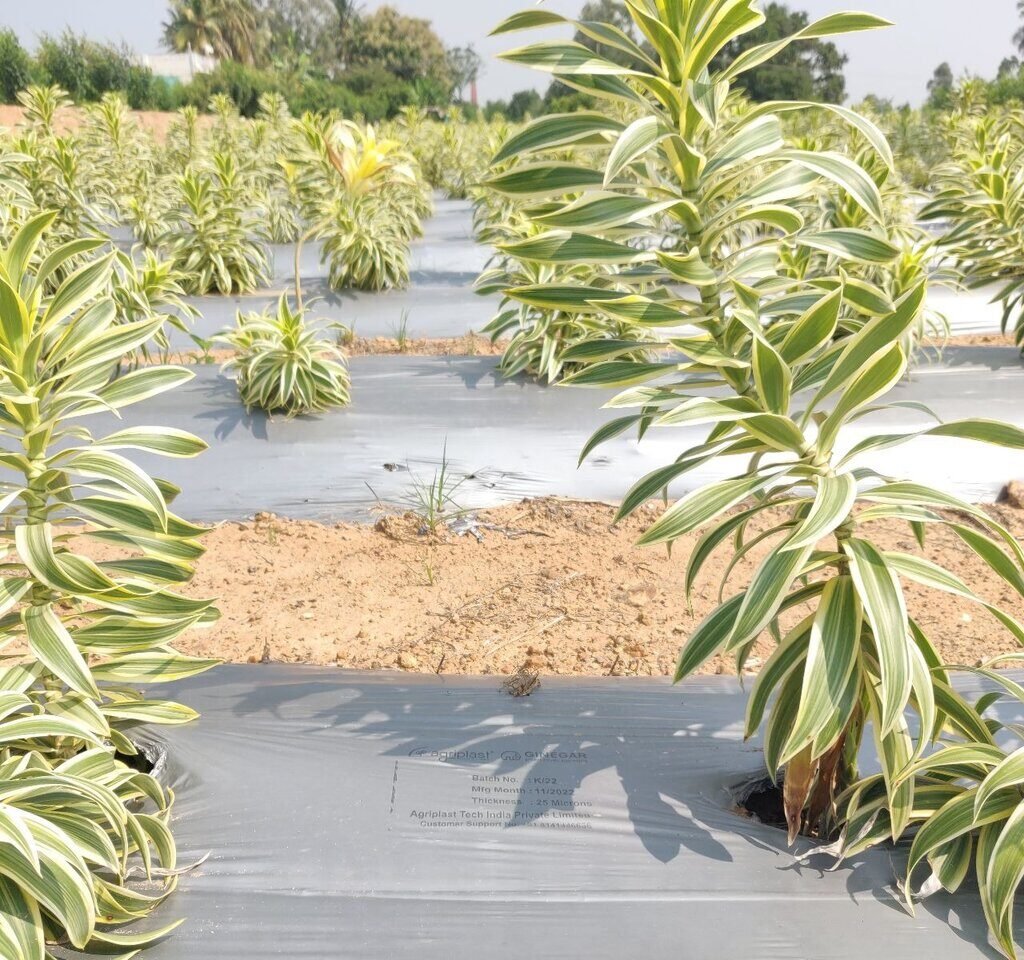
Mulching and proper watering influence soil pH indirectly:
- Mulch decomposes slowly, releasing organic acids or bases depending on the material.
- Pine needles or oak leaves help acidify soil naturally.
- Watering with slightly acidic water (e.g., rainwater) can prevent alkaline buildup.
Tip: Mulching with the right material can complement other natural pH adjustments.
Step 8: Avoid Practices That Alter pH Negatively

Certain gardening practices can unintentionally affect soil pH:
- Excessive chemical fertilizers, especially nitrogen-based, can acidify soil.
- Over-liming or using too much wood ash can make soil too alkaline.
- Poor drainage can increase acidity in some soils due to anaerobic conditions.
Tip: Use natural amendments moderately and monitor soil regularly.
Step 9: Monitor Soil Microbial Health
Beneficial microbes play a key role in nutrient cycling and pH stabilization:

- Compost and organic matter feed microbes.
- Avoid overuse of pesticides and chemical fertilizers that harm soil life.
- A healthy microbial ecosystem helps buffer pH and improves overall soil fertility.
Tip: Worms, bacteria, and fungi thrive in balanced soil and contribute to long-term pH stability.
Step 10: Test and Adjust Periodically
Soil pH is dynamic, and natural methods take time:
- Retest soil every 3–6 months.
- Observe plant health for nutrient deficiencies (yellowing leaves may indicate pH-related nutrient unavailability).
- Adjust amendments gradually based on test results.
Tip: Small, consistent changes are more effective and safer than large, abrupt adjustments.
Step 11: Benefits of Naturally Balanced Soil
- Improved Nutrient Availability: Plants absorb nutrients efficiently.
- Healthy Microbial Life: Encourages beneficial bacteria and fungi.
- Enhanced Growth: Stronger plants, better flowers, and higher yields.
- Sustainable Gardening: Reduces chemical use and environmental impact.
- Long-Term Soil Health: Supports a resilient, productive garden for years.
Tip: Naturally balanced soil benefits both plants and the surrounding ecosystem.
Step 12: Practical Tips for Maintaining Balanced Soil
- Keep detailed records of soil tests, amendments, and plant responses.
- Rotate natural amendments to prevent overaccumulation of any one element.
- Combine multiple natural methods (compost, mulch, crop rotation) for best results.
- Use plants suited to your soil’s natural pH when possible.
Tip: A holistic approach ensures sustainable soil health and reduces the need for corrective measures in the future.

Final Thoughts
Balancing soil pH naturally is essential for thriving plants and sustainable gardening. By understanding soil conditions, testing regularly, using natural amendments, incorporating organic matter, and supporting microbial life, you can maintain ideal pH levels without harmful chemicals.
Natural methods not only improve nutrient availability but also enhance soil structure, moisture retention, and plant resilience. Over time, a consistent, holistic approach to soil management will create a healthy, productive, and eco-friendly garden that thrives season after season.
Remember, patience is key—natural adjustments take time but provide long-lasting benefits for your plants, soil, and the environment.

Leave A Comment