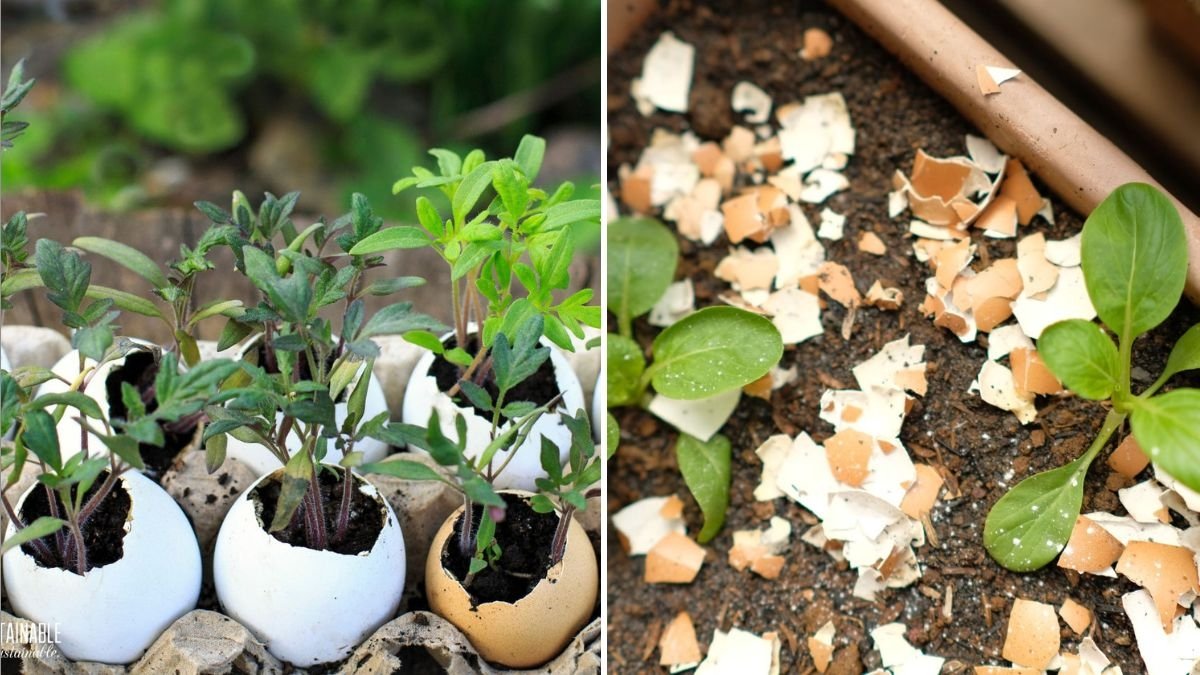
When it comes to gardening, many home gardeners overlook the simplest and most effective natural resources right in their kitchen. One such resource is eggshells. Typically discarded after breakfast, eggshells are actually a powerhouse for plant health. Rich in calcium and trace minerals, they can improve soil fertility, strengthen plant cell walls, and even help deter pests.
This guide will show you how to use eggshells for healthier plants, including preparation methods, soil applications, pest control, composting, and tips to maximize their benefits.
Step 1: Understand the Benefits of Eggshells
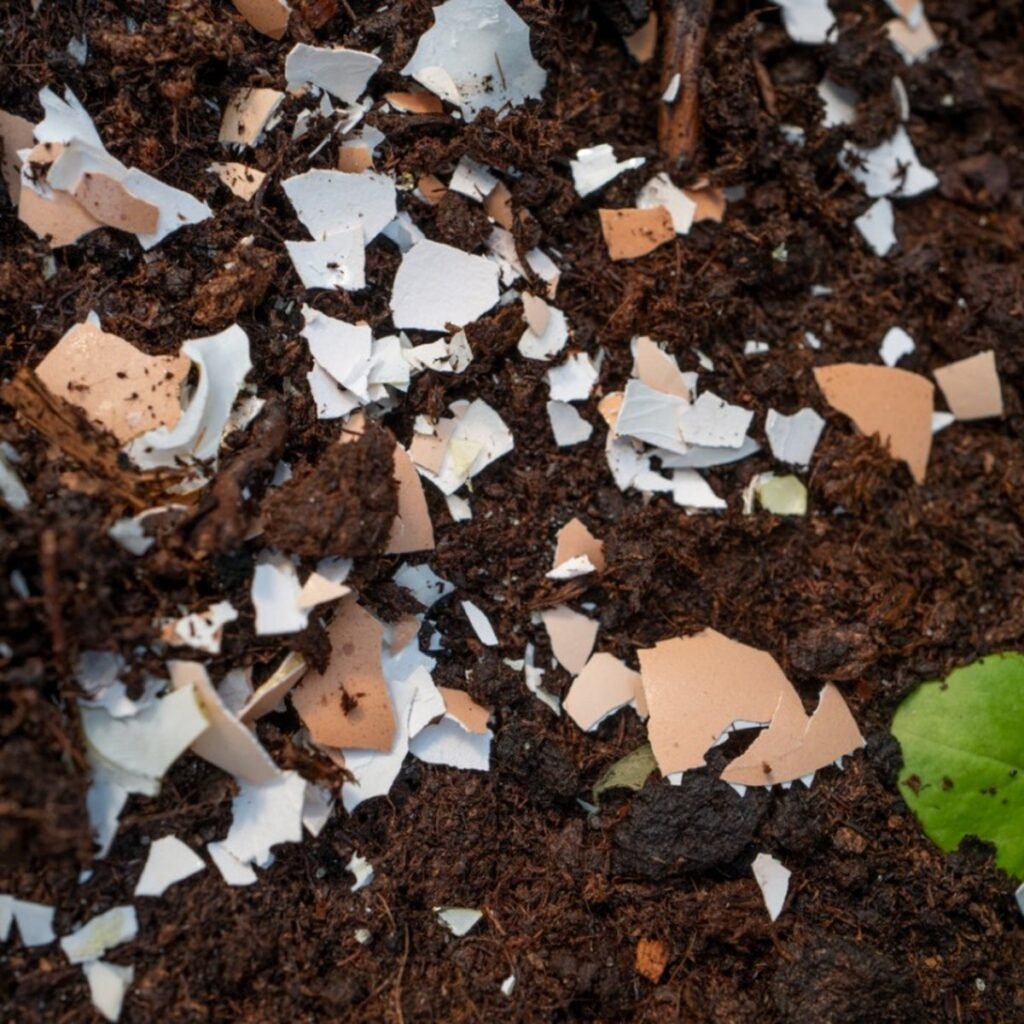
Eggshells provide numerous advantages for your garden:
- Calcium Source: Essential for strong cell walls, which prevent blossom-end rot in tomatoes, peppers, and eggplants.
- Soil Amendment: Improves soil structure and aeration while balancing acidity.
- Pest Deterrent: Crushed shells can deter slugs, snails, and some crawling insects.
- Trace Minerals: Contains potassium, magnesium, and phosphorus for overall plant health.
- Eco-Friendly: Reduces kitchen waste and promotes sustainable gardening.
Tip: Eggshells are most beneficial when properly prepared and applied, rather than just tossed whole into soil.
Step 2: Collect and Clean Eggshells
Proper collection ensures eggshells are safe and effective:

- Rinse eggshells with water to remove leftover egg residue.
- Dry them in the sun or bake at 200°F (90°C) for 10–15 minutes to kill bacteria.
- Store in a container until ready for use.
Tip: Avoid using eggshells from cracked or spoiled eggs to prevent contamination.
Step 3: Prepare Eggshells for Use
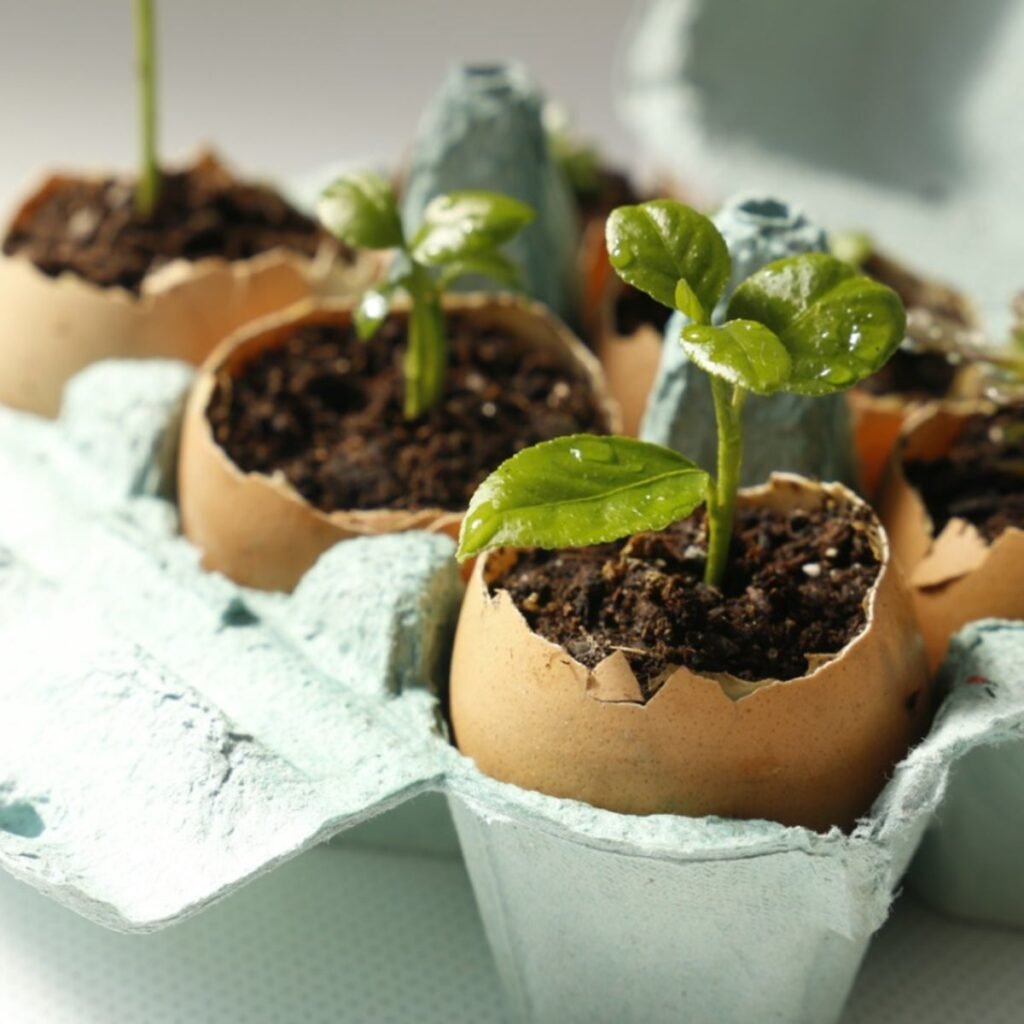
Eggshells can be used in several forms depending on your gardening needs:
1. Crushed Eggshells
- Crush by hand or with a rolling pin into small pieces.
- Can be sprinkled directly around plants as a slow-release calcium source.
2. Powdered Eggshells
- Grind dried shells into a fine powder using a coffee grinder or mortar and pestle.
- Quickens decomposition and absorption by plants.
- Ideal for incorporating into potting soil or compost.
3. Eggshell Tea
- Boil crushed shells in water for 10–15 minutes.
- Let cool and use as a liquid calcium fertilizer.
- Can be applied directly to the base of plants or as a foliar spray.
Tip: Powdered eggshells decompose faster and provide nutrients more efficiently than larger pieces.
Step 4: Use Eggshells in Soil
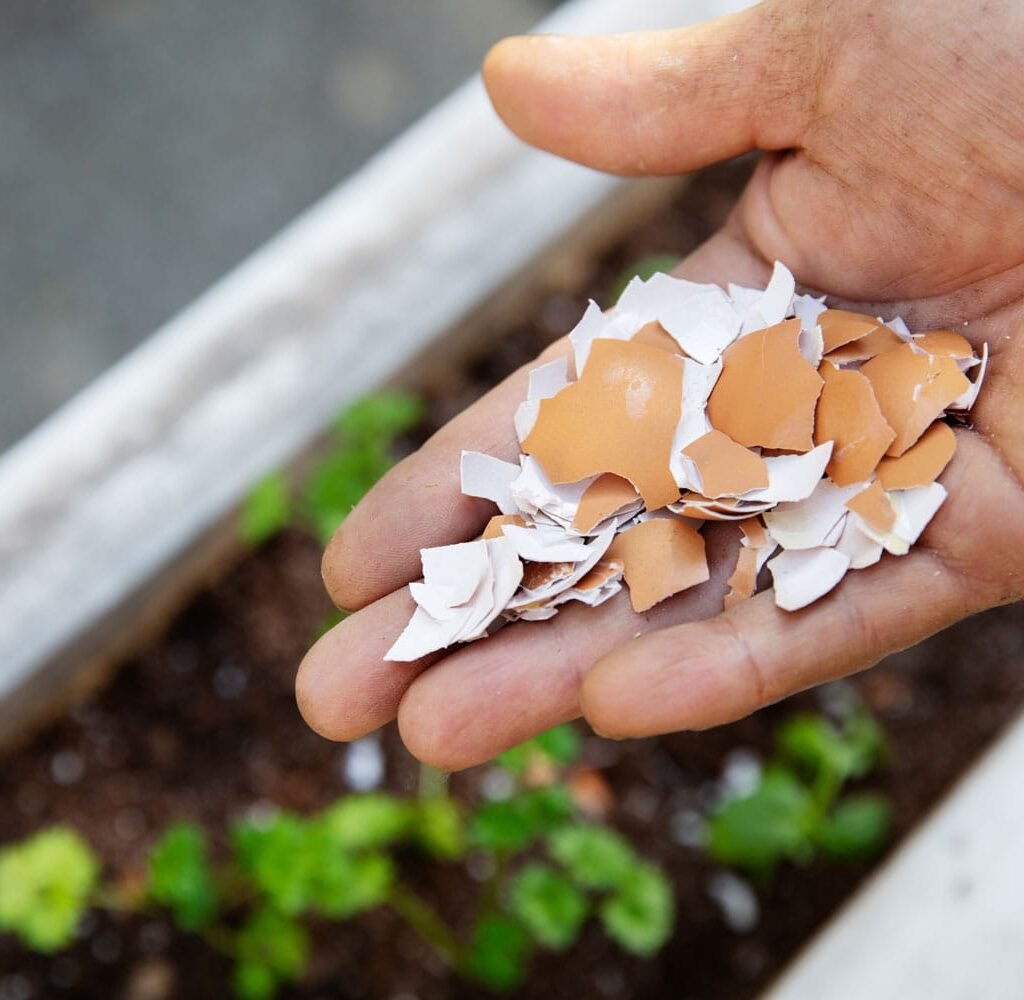
Eggshells improve soil structure and provide essential nutrients:
- Incorporate Into Soil: Mix crushed or powdered shells into the top 2–4 inches of soil before planting.
- For Acidic Soil: Eggshells can slightly raise soil pH, making them beneficial for acid-loving plants in moderation.
- Long-Term Fertilization: Eggshells release calcium slowly, providing sustained nutrition over time.
Tip: Use eggshells in combination with compost or organic matter for a well-balanced soil amendment.

Step 5: Prevent Blossom-End Rot
Blossom-end rot is a common problem in tomatoes, peppers, and eggplants caused by calcium deficiency:
- Crush eggshells finely and mix into the planting hole before transplanting seedlings.
- Apply powdered eggshells as a top dressing throughout the growing season.
- Water plants after applying eggshells to help nutrients penetrate the soil.
Tip: Regular use of eggshells can significantly reduce the incidence of blossom-end rot in susceptible plants.
Step 6: Repel Garden Pests
Eggshells can act as a natural pest deterrent:
- Slugs and Snails: Crush shells into sharp, jagged pieces and scatter around the base of vulnerable plants.
- Crawling Insects: Some insects avoid crawling over rough, abrasive surfaces.
Tip: Reapply after rain, as water can wash away the protective barrier.
Step 7: Enhance Compost
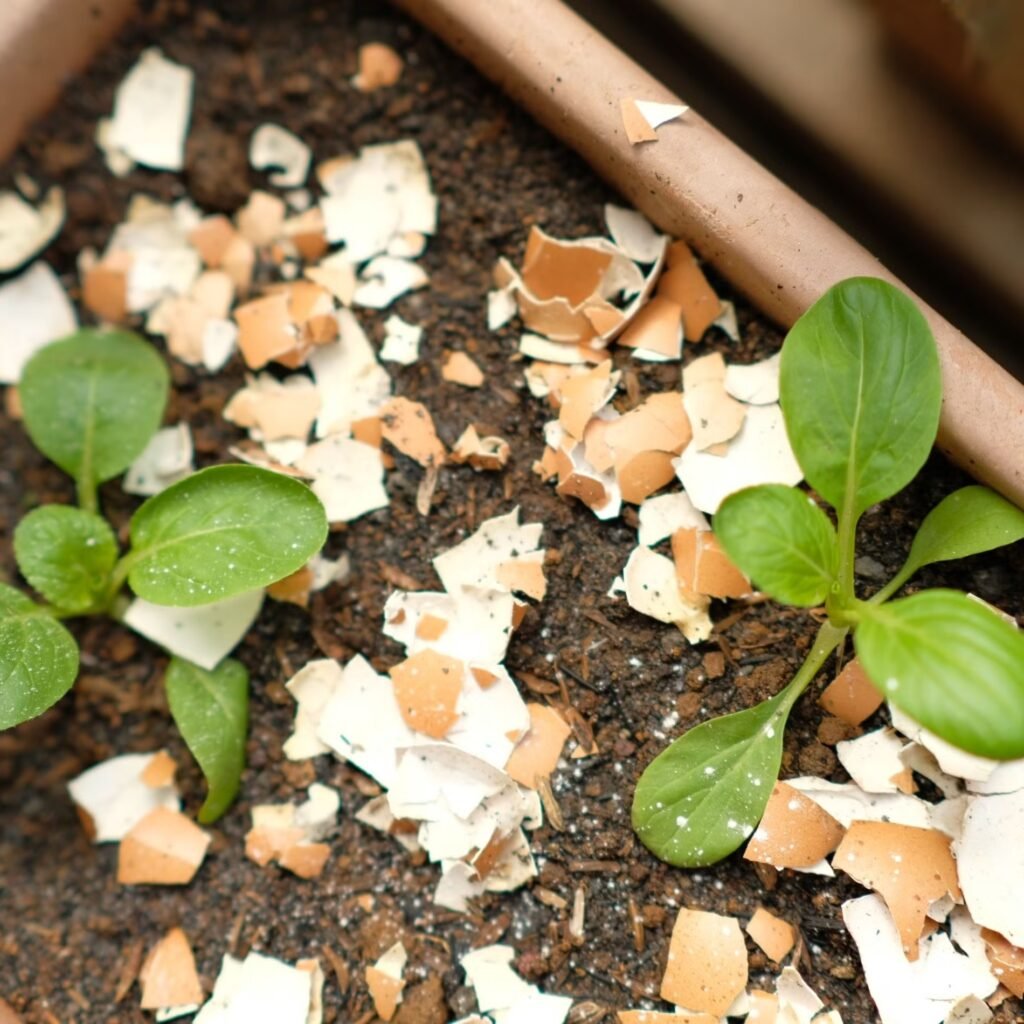
Eggshells are an excellent addition to compost piles:

- Crush shells before adding to speed up decomposition.
- Mix with other “greens” (vegetable scraps, grass clippings) and “browns” (leaves, straw) for a balanced compost.
- Supports microbial activity and enhances nutrient content of finished compost.
Tip: Eggshells not only add calcium but also help balance nitrogen-rich materials in compost.
Step 8: Use Eggshells for Seed Starters
Eggshells themselves can be used as mini biodegradable seedling pots:
- Rinse and dry halves of eggshells.
- Fill with potting soil and plant seeds.
- Once seedlings are ready to transplant, crush the shell gently and plant it along with the seedling.
- The shell adds calcium to the soil as it decomposes.
Tip: Eggshell seed starters are eco-friendly and perfect for small seedlings like herbs and flowers.
Step 9: Combine Eggshells with Other Natural Fertilizers
Eggshells work well in combination with other organic materials:
- Coffee Grounds: Add nitrogen to balance the calcium.
- Banana Peels: Supply potassium for flowering and fruiting.
- Compost Tea: Provide additional nutrients for foliar feeding.
- Wood Ash: Adds potassium and trace minerals, complementing calcium from eggshells.
Tip: Combining multiple organic amendments creates a well-rounded nutrient profile for your plants.

Step 10: Use Eggshells for Indoor Plants
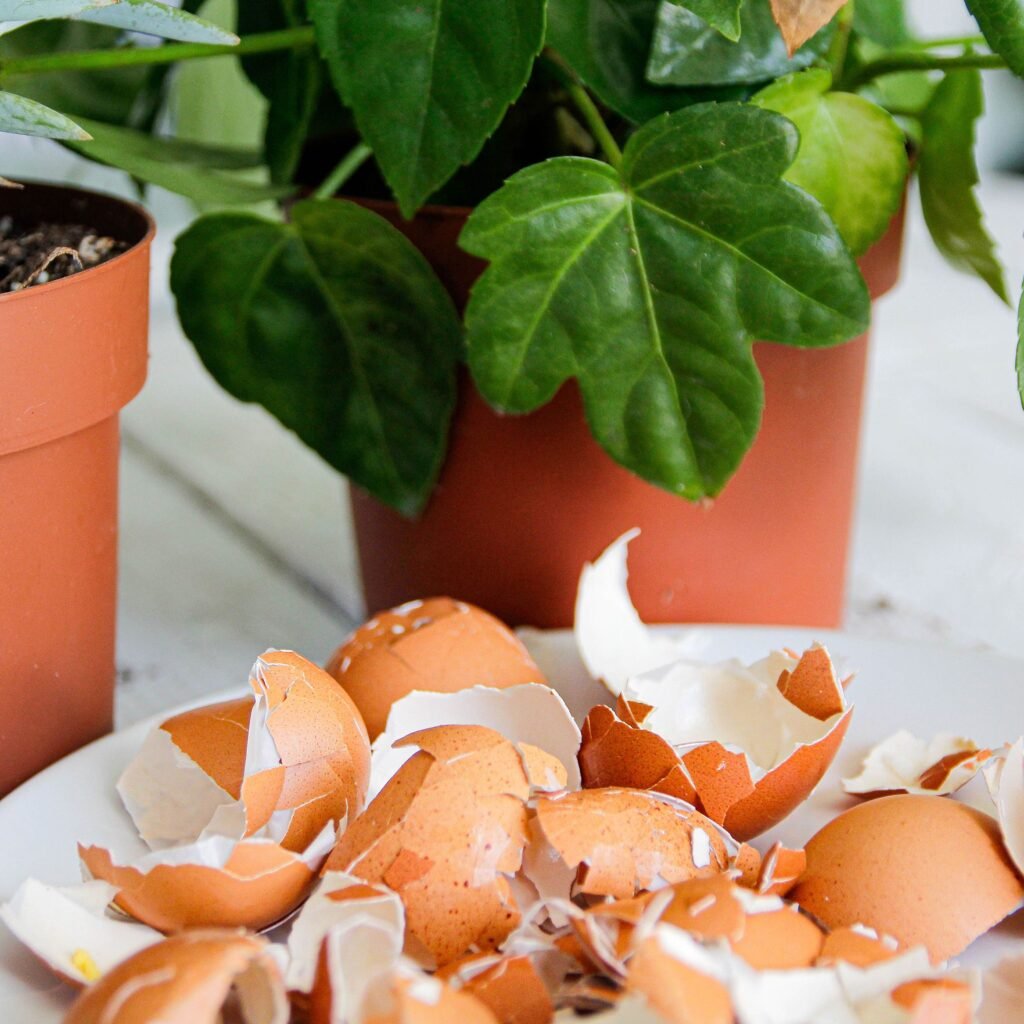
Eggshells aren’t just for outdoor gardens:
- Mix powdered shells into potting soil for houseplants like African violets, ferns, and orchids.
- Sprinkle finely ground shells on the soil surface for slow-release nutrients.
- Use eggshell tea as a liquid fertilizer for potted plants.
Tip: Regular, moderate use promotes healthy growth and vibrant foliage indoors.
Step 11: Avoid Overuse
While eggshells are beneficial, too much can cause problems:
- Excess calcium can interfere with the absorption of other nutrients like magnesium and potassium.
- Large, uncrushed shells take longer to decompose and provide little immediate benefit.
- Powdered shells should be applied gradually to avoid raising soil pH too quickly.
Guideline: Apply eggshells sparingly and consistently, rather than dumping large amounts at once.
Step 12: Creative Gardening Uses for Eggshells
- Mulch: Mix crushed shells with other mulch materials to retain moisture and deter pests.
- Soil Amendment: Work into vegetable beds before planting.
- Compost Booster: Add to compost piles to enhance calcium content.
- Seed Starters: Use halves as biodegradable pots for seedlings.
- Foliar Spray: Use eggshell tea for a gentle nutrient boost.
Tip: Eggshells are versatile, eco-friendly, and cost-effective, making them a gardener’s secret weapon.
Final Thoughts
Eggshells are a simple, natural, and effective tool for healthier plants. Whether you use them as a soil amendment, compost addition, pest deterrent, seed starter, or liquid fertilizer, eggshells can enhance soil fertility, provide essential calcium, and promote strong, vibrant plants.
The key is proper preparation and consistent application. Crushing, drying, or powdering eggshells ensures maximum benefit, while combining them with other organic amendments creates a balanced nutrient environment.
By incorporating eggshells into your gardening routine, you reduce kitchen waste, improve plant health, and contribute to sustainable gardening practices. Over time, these tiny, often-overlooked kitchen scraps can make a big difference in your garden, helping your plants grow stronger, healthier, and more productive.

Leave A Comment