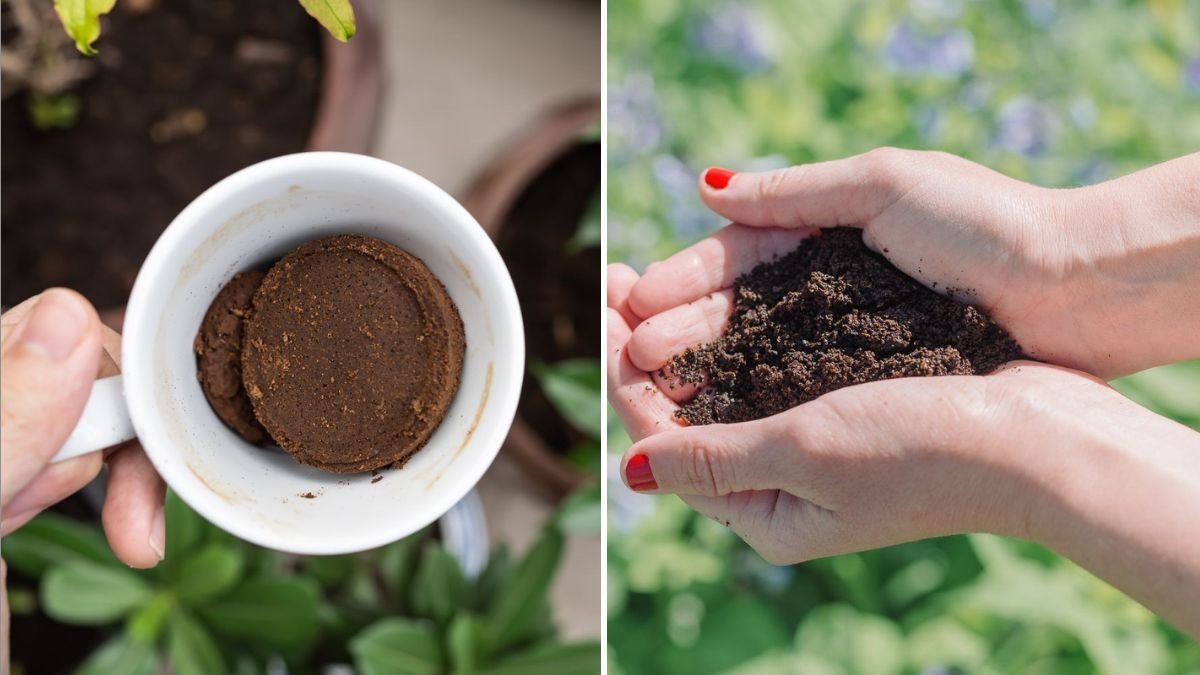
Coffee is a staple in many households, but after brewing a cup of coffee, the spent grounds often end up in the trash. What many gardeners don’t realize is that used coffee grounds are a valuable resource for your garden. Rich in nitrogen, minerals, and organic matter, coffee grounds can improve soil fertility, support plant growth, and even deter pests.
However, using coffee grounds incorrectly can harm plants. This guide will explain how to use coffee grounds in the garden the right way, including preparation methods, application techniques, benefits, and precautions to maximize their effectiveness.
Step 1: Understand the Benefits of Coffee Grounds
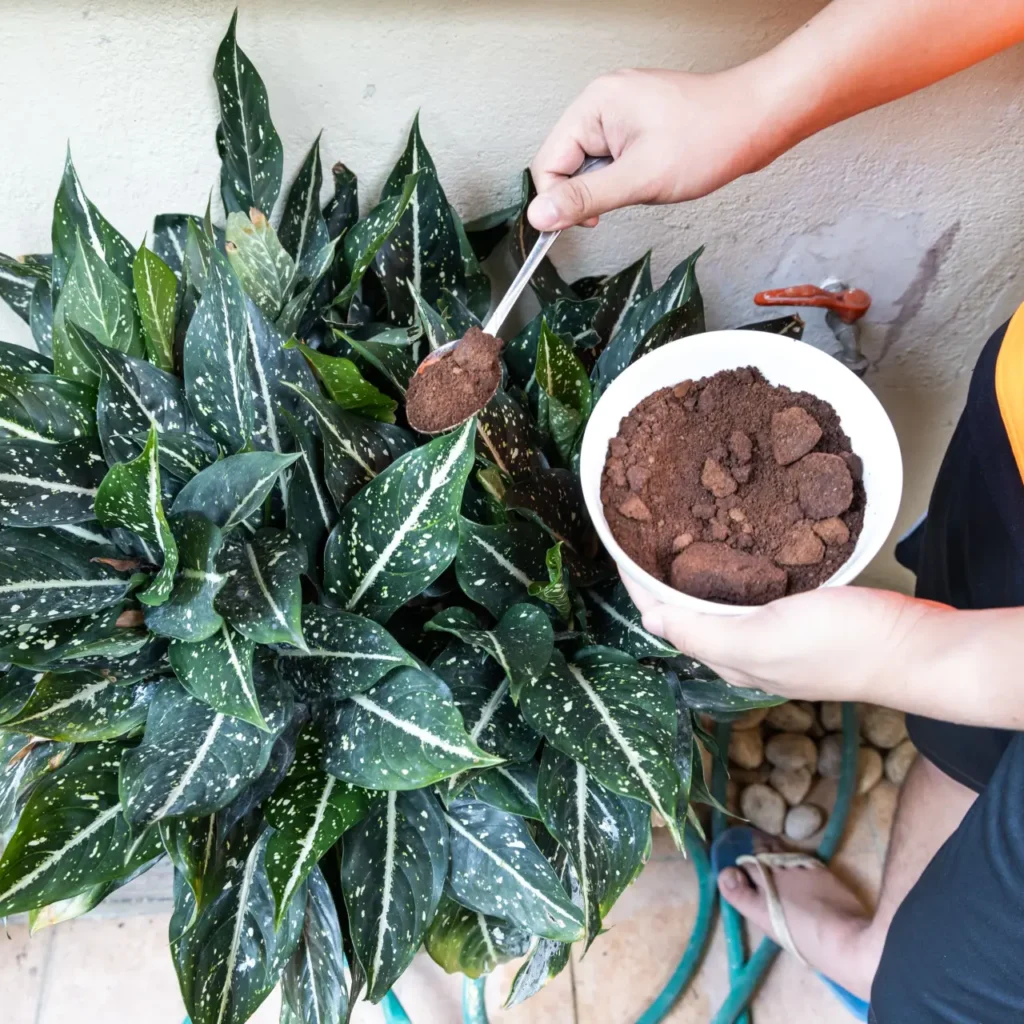
Coffee grounds are nutrient-rich and can benefit your garden in several ways:
- Nitrogen Source: Nitrogen promotes leafy growth and is essential for plant development.
- Organic Matter: Improves soil structure, aeration, and water retention.
- Microbial Activity: Supports beneficial microorganisms in the soil.
- pH Moderation: Slightly acidic coffee grounds can benefit acid-loving plants like azaleas, blueberries, and tomatoes.
- Pest Deterrent: Grounds can help repel slugs, snails, and some insects.
Tip: Always consider your plant type and soil conditions before applying coffee grounds directly.
Step 2: Prepare Coffee Grounds Properly
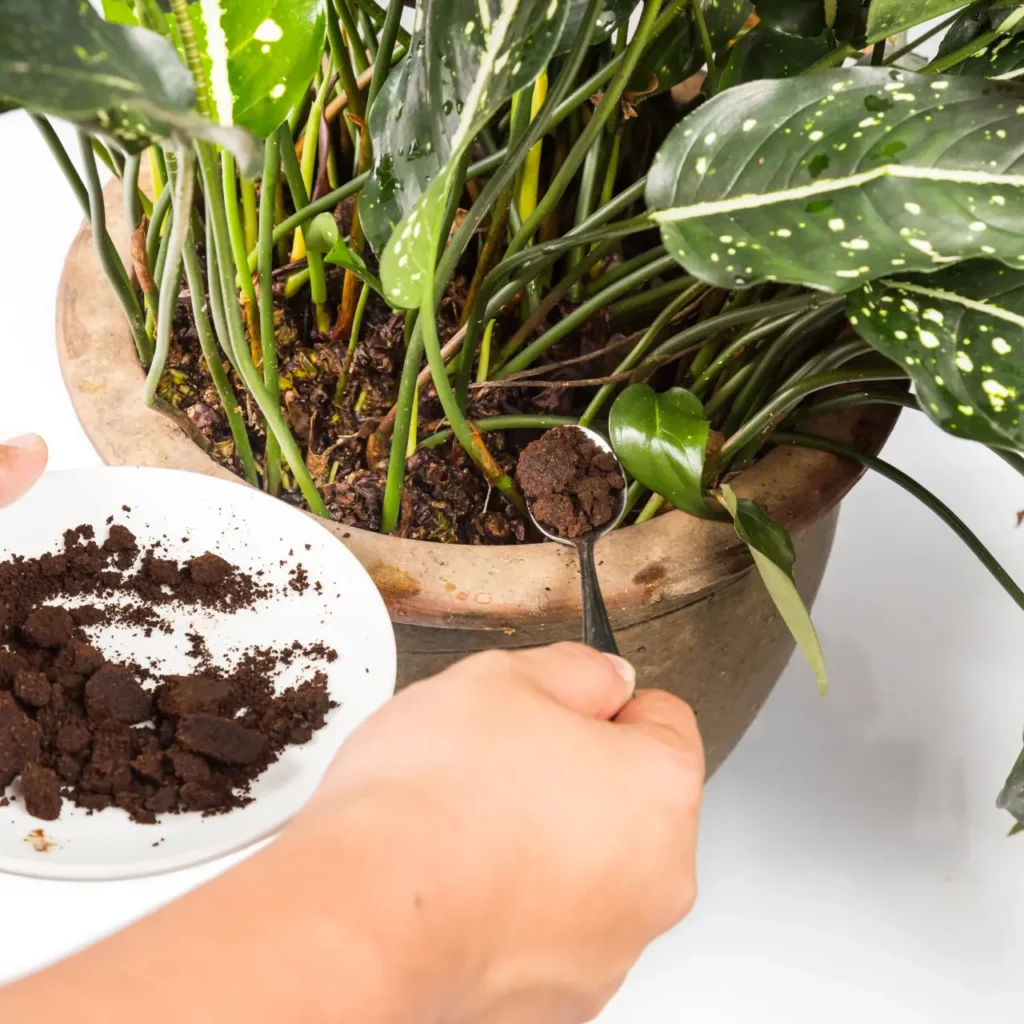
Proper preparation ensures coffee grounds are safe and effective for garden use:

1. Use Spent Coffee Grounds
- Reuse grounds from brewed coffee.
- Dry them in the sun or spread them thinly on newspaper to avoid mold.
2. Avoid Adding Sugar or Cream
- Coffee grounds with added sugar or dairy products can attract pests and mold.
3. Blend with Other Compost Materials
- Mix coffee grounds with leaves, vegetable scraps, and grass clippings for balanced compost.
- Helps prevent nitrogen overload in the soil.
Tip: A balanced compost mixture should have roughly equal parts “greens” (nitrogen-rich) and “browns” (carbon-rich). Coffee grounds count as “greens.”
Step 3: Apply Coffee Grounds Directly to Soil
Coffee grounds can be applied directly in small amounts:
- Sprinkle a thin layer (¼–½ inch) around plants, keeping a small distance from the base to prevent acidity buildup.
- Gently mix into the topsoil to improve aeration.
- Avoid thick layers, as they can compact and form a barrier that prevents water infiltration.
Tip: Use coffee grounds as part of a balanced soil enrichment plan rather than the sole fertilizer.
Step 4: Use Coffee Grounds in Compost
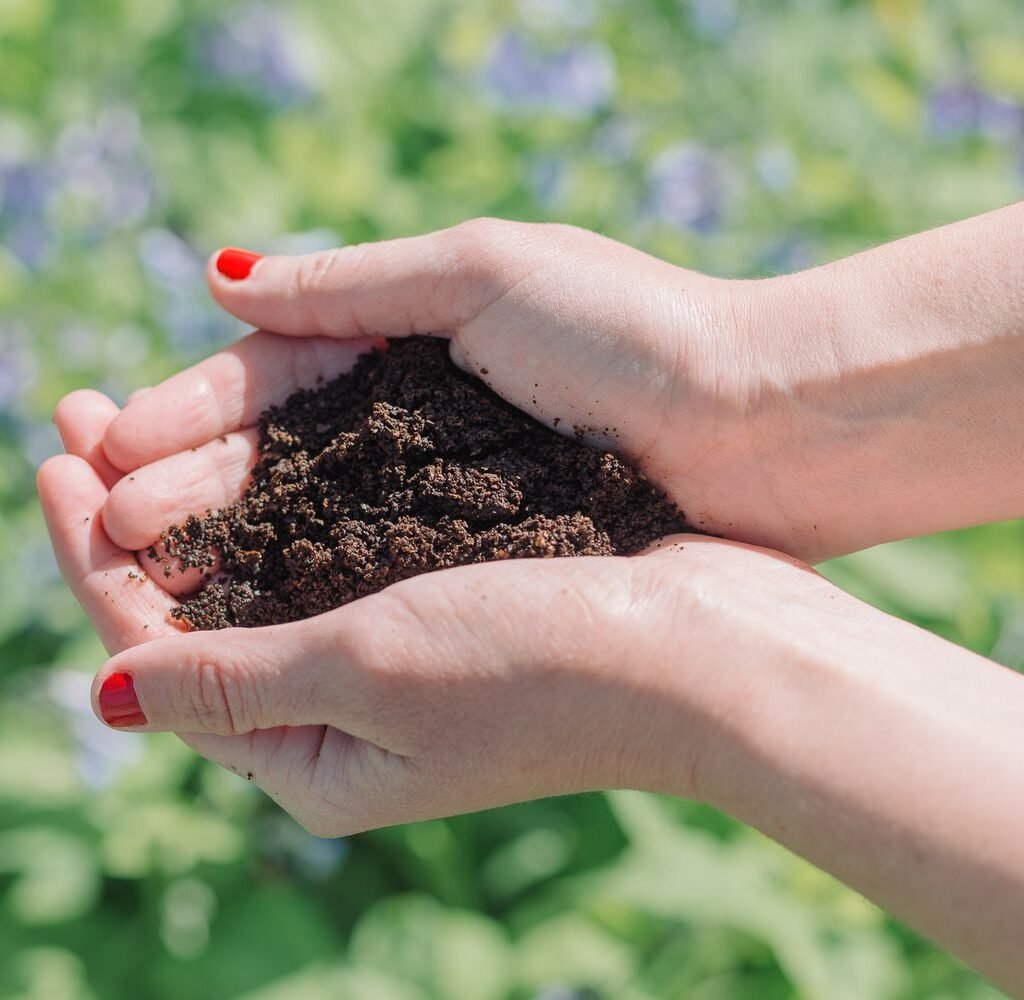
Coffee grounds are excellent for composting:
- Add used coffee grounds to your compost bin or pile.
- Layer with dry materials like shredded leaves, straw, or cardboard to maintain balance.
- Regularly turn the compost to aerate and accelerate decomposition.
Tip: Coffee grounds accelerate microbial activity, making compost richer and faster to produce.

Step 5: Make Liquid Fertilizer (Coffee Ground Tea)
Coffee grounds can also be used to make a nutrient-rich liquid fertilizer:
Steps:
- Place 1–2 cups of used coffee grounds in a bucket.
- Add 2–4 liters of water and stir well.
- Let the mixture steep for 24–48 hours.
- Strain and use the liquid to water your plants.
- Provides a gentle nitrogen boost.
- Can be applied directly to vegetable beds, flowers, and potted plants.
Tip: Use liquid coffee fertilizer sparingly; excessive application can make soil too acidic.
Step 6: Use as Mulch
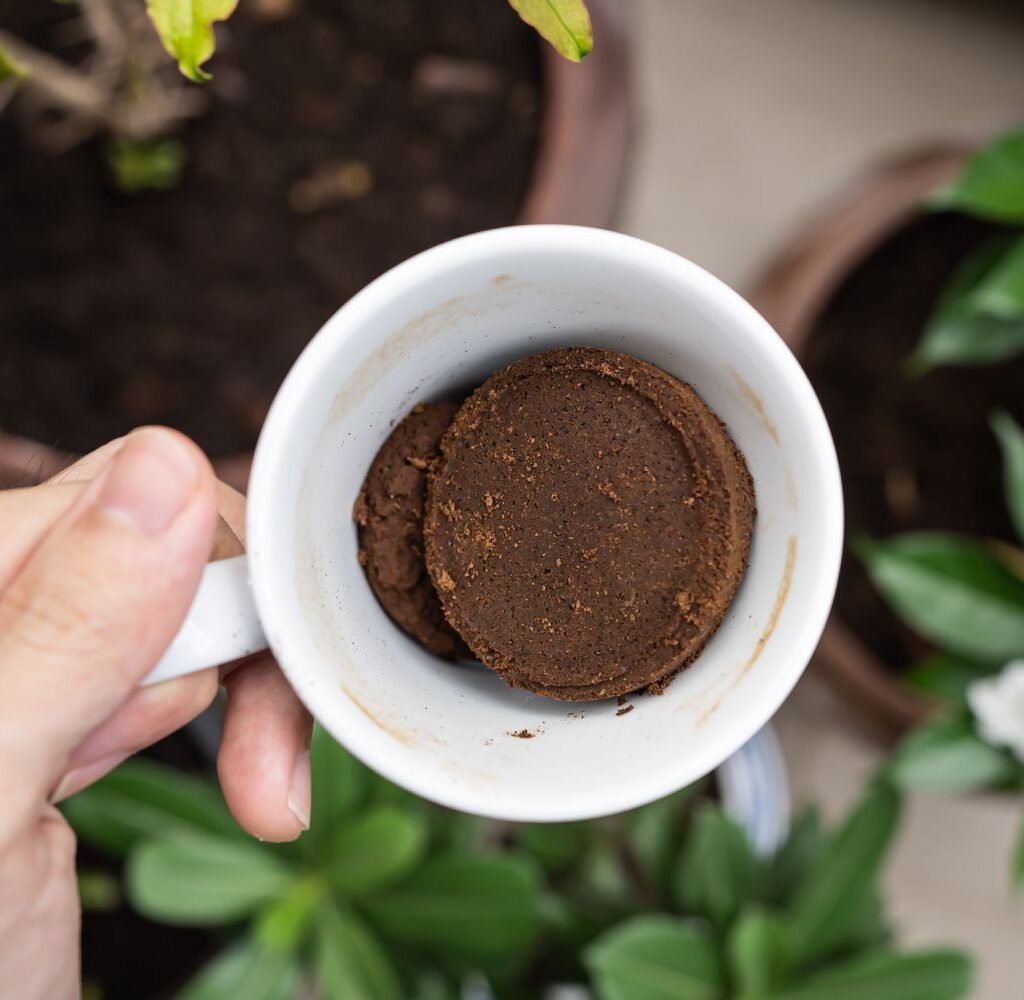
Coffee grounds can be used as a light mulch for garden beds:
- Spread a thin layer around acid-loving plants like blueberries, azaleas, and rhododendrons.
- Mix with other mulch materials to prevent compaction.
- Helps retain moisture, suppress weeds, and gradually release nutrients.
Tip: Avoid using thick layers of pure coffee grounds as mulch, as they can form a crust that repels water.
Step 7: Improve Soil Structure
Coffee grounds improve soil texture, especially in clay or sandy soils:

- Clay Soil: Grounds break up compacted clay, improving drainage and aeration.
- Sandy Soil: Grounds help retain moisture and nutrients, reducing leaching.
Tip: Gently incorporate grounds into soil rather than leaving them on the surface for best results.
Step 8: Repel Pests Naturally
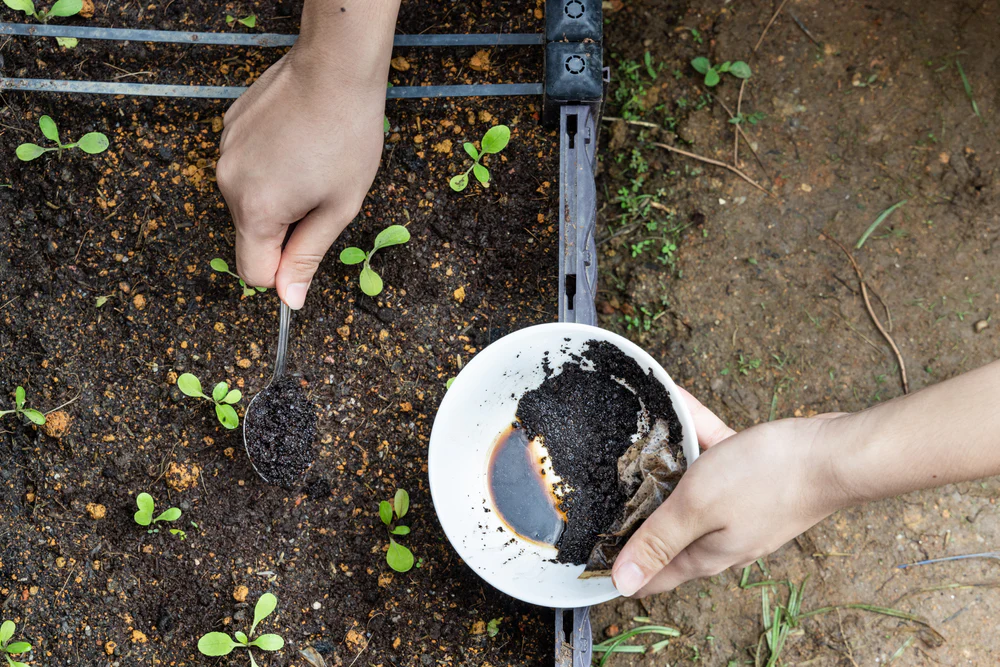
Coffee grounds can deter certain pests naturally:
- Slugs and Snails: Sprinkle a thin line around plants; the texture and caffeine may repel them.
- Some Ants and Cats: Coffee grounds act as a mild deterrent when sprinkled in affected areas.
Tip: Use coffee grounds as part of integrated pest management rather than the only control method.
Step 9: Avoid Overuse
Too much coffee grounds can harm plants:
- High nitrogen levels may burn plant roots.
- Excessive acidity may affect pH-sensitive plants.
- Compacted layers can block water penetration.
Guideline: Use no more than 20% coffee grounds by volume in compost or soil mix. Apply thin layers rather than piles.

Step 10: Benefits of Coffee Grounds in the Garden
- Eco-Friendly: Recycles waste and reduces landfill contributions.
- Nutrient-Rich: Provides nitrogen, phosphorus, and potassium naturally.
- Soil Improvement: Enhances structure, water retention, and microbial activity.
- Pest Management: Helps deter slugs and certain insects.
- Cost-Effective: Free source of nutrients for your garden.
Tip: Regular, moderate use contributes to long-term soil health and plant vigor.
Step 11: Best Plants for Coffee Grounds
Coffee grounds work well for acid-loving and leafy plants:
- Vegetables: Tomatoes, carrots, radishes, and leafy greens.
- Flowers: Azaleas, hydrangeas, camellias, and rhododendrons.
- Fruit Plants: Blueberries, strawberries, and citrus trees.
- Houseplants: African violets, ferns, and orchids.
Tip: Test on a small section first if you’re unsure how a plant will react to coffee grounds.
Step 12: Creative Garden Uses
- Seed Starters: Mix coffee grounds with potting soil for seedlings to provide a gentle nutrient boost.
- Compost Activator: Sprinkle grounds into compost piles to accelerate decomposition.
- Orchid Fertilizer: Mix grounds with orchid bark for slow-release nutrients.
- Top Dressing: Sprinkle around established plants to feed the soil gradually.
Tip: Coffee grounds can also be mixed with eggshells or banana peels for a balanced homemade fertilizer mix.
Final Thoughts
Coffee grounds are a versatile, eco-friendly, and nutrient-rich resource for gardeners. When used correctly, they can:

- Improve soil fertility and structure
- Boost microbial activity
- Provide nutrients for strong, healthy plants
- Help deter common garden pests
The key is moderation and proper application. Incorporating coffee grounds into compost, as a light mulch, or in liquid fertilizer ensures plants benefit without negative side effects.
By integrating coffee grounds into your gardening routine, you can recycle waste, reduce reliance on chemical fertilizers, and create healthier soil. Your garden will flourish with richer, greener plants, more vibrant flowers, and bountiful vegetables—all thanks to a humble cup of coffee.

Leave A Comment