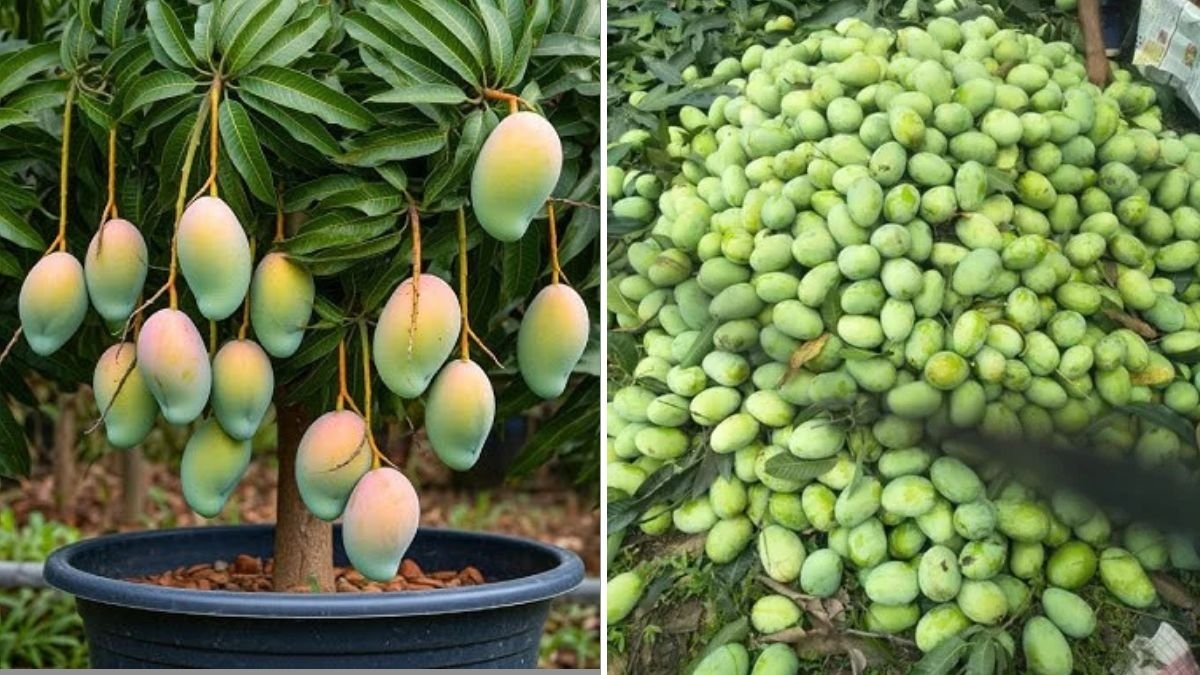
Mangoes — the king of fruits — are loved for their sweet, juicy, and aromatic flavor. Imagine enjoying mangoes from your very own tree, grown right at home! The viral YouTube video “Amazing Mango Tree Propagation: Step-by-Step Guide” shows just how simple it can be to propagate a mango tree and watch it flourish.
Mango propagation is an exciting process that allows gardeners to grow healthy, high-yield trees using seeds, grafting, or air layering. Even beginners can follow this step-by-step method to get a strong start for a fruit-bearing tree.
In this guide, we’ll cover everything from selecting the right mango, preparing seeds, propagation techniques, and care tips, giving you the confidence to grow your own mango paradise at home.
Why Propagate Mango Trees at Home?
Growing mango trees at home is not only rewarding but also highly beneficial:
Fresh fruit supply: Enjoy juicy mangoes without relying on the market.
Control over variety: Grow your favorite cultivar at home.
Cost-effective: Propagation from seeds or grafts is cheaper than buying saplings.
Eco-friendly: Supports biodiversity and greening your surroundings.
Educational: A great project for children and beginner gardeners.
Mango trees are also long-living and low-maintenance once established, making them ideal for home gardening enthusiasts.
Step 1: Choosing the Right Mango Fruit
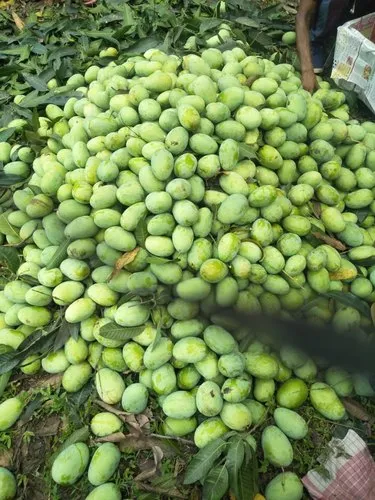
Successful propagation starts with selecting a healthy, ripe mango.
Tips for choosing the best mango:
- Pick a fruit from a disease-free, high-yielding tree.
- Ensure the fruit is fully ripe — slightly soft with a sweet aroma.
- Choose varieties suitable for your region’s climate (Alphonso, Kesar, Himsagar, Dasheri, etc.).
Using a healthy fruit ensures strong, viable seeds, which are essential for robust growth.
Step 2: Extracting and Preparing the Seeds
The mango seed is protected by a hard shell inside the fruit. Here’s how to prepare it:
- Cut the mango carefully and remove the pulp.
- Wash the pulp thoroughly under running water.
- Remove the fibrous husk around the seed without damaging it.
- Let the seed dry for 1–2 days in a shaded area.
Pro Tip: Only use seeds that are fully formed, plump, and free from cracks or mold.
Step 3: Choosing a Propagation Method
Mango trees can be propagated in three main ways:
1. Seed Propagation
- Easiest method for beginners.
- Plant the cleaned seed directly in soil or in a container.
- Takes 3–6 years to bear fruit, but ideal for experimentation and learning.
2. Grafting
- Ensures the new plant produces the same quality fruit as the parent tree.
- Uses a scion (cutting from a mature tree) grafted onto a rootstock.
- Fruit-bearing occurs faster — usually within 2–4 years.
3. Air Layering (Marcottage)
- Produces fruit in 2–3 years.
- Involves making a small incision in a branch, wrapping it with moist soil or moss, and allowing roots to form before cutting and planting.
For beginners, seed propagation is simple, cost-effective, and fun — so we’ll focus on that.
Step 4: Preparing the Planting Medium
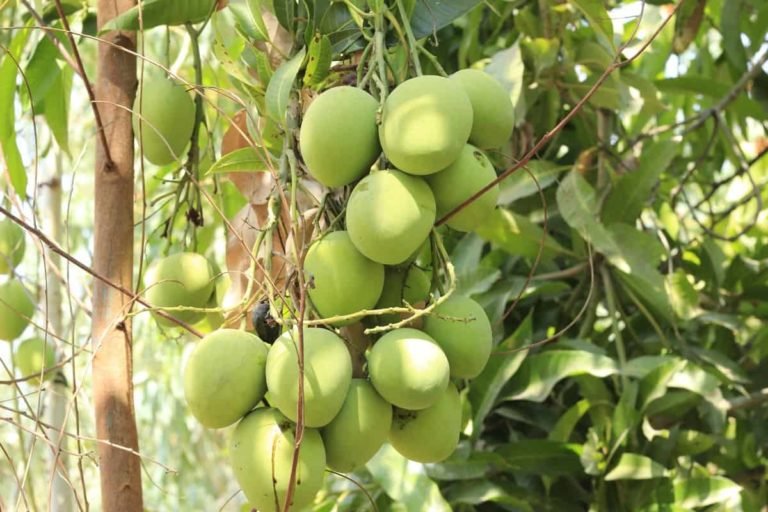
Mango seeds need well-draining, fertile soil to germinate properly.
Ideal soil mix for seed propagation:
- 50% garden soil or topsoil
- 30% compost or well-rotted manure
- 20% coarse sand (for drainage)
Mix thoroughly and fill a pot or container with a depth of at least 12–15 inches to accommodate the seedling roots.
Step 5: Planting the Mango Seed
Planting the seed correctly is crucial for strong germination:
- Soak the seed in water for 24 hours to soften the hard shell.
- Plant it 1–2 inches deep in the prepared soil.
- Cover lightly with soil and water gently.
- Place the pot in a warm, shaded spot for 2–3 weeks until germination occurs.
Pro Tip: Keep the soil consistently moist but not soggy. Overwatering can rot the seed.
Step 6: Caring for the Young Seedling
Once germination occurs, the seedling will start growing small green leaves.
Seedling care tips:
- Sunlight: 4–6 hours of morning sunlight daily. Avoid harsh afternoon sun for young seedlings.
- Watering: Maintain moderate moisture; allow soil to dry slightly between watering.
- Fertilizing: Apply diluted organic liquid fertilizer or compost tea once a month.
At this stage, the seedling is delicate, so handle it gently and protect it from pests or strong winds.
Step 7: Transplanting to Larger Pots or Ground
When the seedling reaches 8–12 inches tall:
- Choose a larger container (20–30 liters) or a permanent ground location.
- Ensure the site receives full sunlight and has well-draining soil.
- Dig a hole slightly larger than the root ball, plant the seedling, and water thoroughly.
Mango trees thrive with ample space, so if planting in the ground, maintain at least 10–12 feet between trees.
Step 8: Fertilization for Growth and Fruit
Mango trees are heavy feeders, especially during the first 2–3 years.
Fertilization schedule:
- Monthly: Use a balanced organic fertilizer (NPK 10:10:10) for young trees.
- During fruiting: Apply potassium-rich fertilizers like wood ash, banana peel powder, or composted manure.
- Foliar spray: Use neem extract or compost tea every 2–3 weeks to improve leaf health and reduce pests.
Proper nutrition ensures strong branches, large leaves, and eventually high fruit yield.
Step 9: Pruning and Training the Tree
Pruning helps develop strong structure and better airflow:
- Remove dead or weak branches regularly.
- Trim the top to encourage lateral growth.
- Maintain a single main stem for young trees until they are established.
This reduces pest infestations and encourages more flowers in the long run.
Step 10: Pest and Disease Management
Mango trees are prone to pests like aphids, mealybugs, and caterpillars, and diseases such as powdery mildew.
Organic management tips:
- Spray neem oil (1 tbsp per liter of water) every 2–3 weeks.
- Remove infected leaves promptly.
- Ensure good air circulation around the tree.
- Use a mix of garlic-chili spray for pests if needed.
Healthy soil and sunlight are the first line of defense against most issues.
Step 11: Flowering and Pollination
Mango trees generally flower in 2–3 years from seed.
- Male and female flowers appear on the same tree (bisexual).
- Bees and other pollinators play a major role in fruit set.
- Hand pollination is possible for better fruit production — gently transfer pollen from male flowers to female flowers using a brush.
Proper care during flowering ensures more flowers convert to fruits.
Step 12: Fruit Development and Harvesting
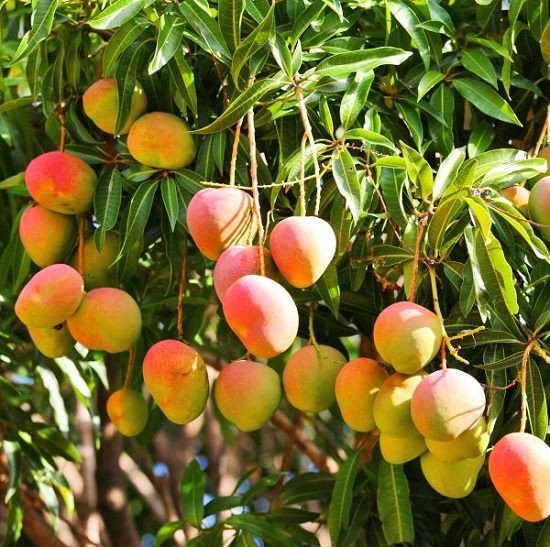
Once fruits start forming:
- Monitor for pests and nutrient deficiencies.
- Ensure regular watering but reduce frequency slightly as fruits mature.
- Harvest fruits when the skin turns slightly yellow or shows the variety-specific color.
Seed-grown mango trees may take 5–8 years to bear significant fruit, while grafted or air-layered trees can fruit in 2–4 years.
Step 13: Benefits of Propagating Mango Trees at Home
Home-grown mango trees offer:
Fresh, chemical-free fruits
Eco-friendly gardening
Cost savings compared to buying grafted plants
Tropical beauty and shade
Learning experience and personal satisfaction
Watching a tiny seed turn into a fruit-bearing tree is both rewarding and educational.
Step 14: Advanced Tips for Successful Propagation
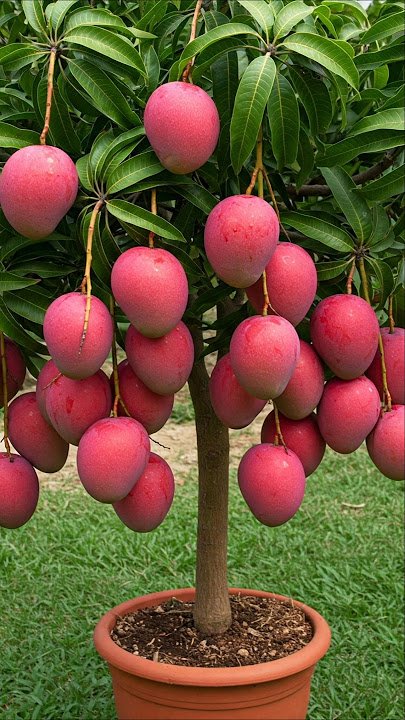
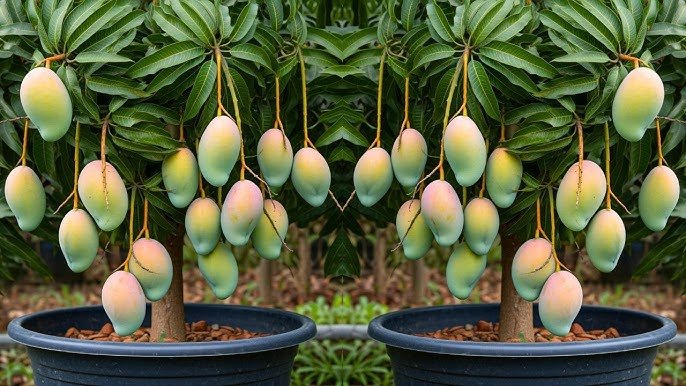
- Use dwarf mango varieties for pots or small spaces.
- Mulch around the base to retain moisture and reduce weeds.
- Rotate containers if growing indoors for even sunlight exposure.
- Thin flowers or fruits if overcrowded — encourages bigger, healthier fruits.
- Regularly inspect roots in containers for signs of crowding; repot if necessary.
Conclusion: Grow Your Own Mango Paradise
Propagating mango trees at home is easier than most people think. With a single ripe fruit, proper seed preparation, and careful nurturing, you can grow a healthy tree that eventually rewards you with sweet, juicy mangoes.
The step-by-step method from “Amazing Mango Tree Propagation: Step-by-Step Guide” ensures beginners can start successfully and eventually enjoy homegrown mangoes year after year.
So next time you enjoy a delicious mango, save those seeds — your tropical fruit paradise is just a seed away!

Leave A Comment