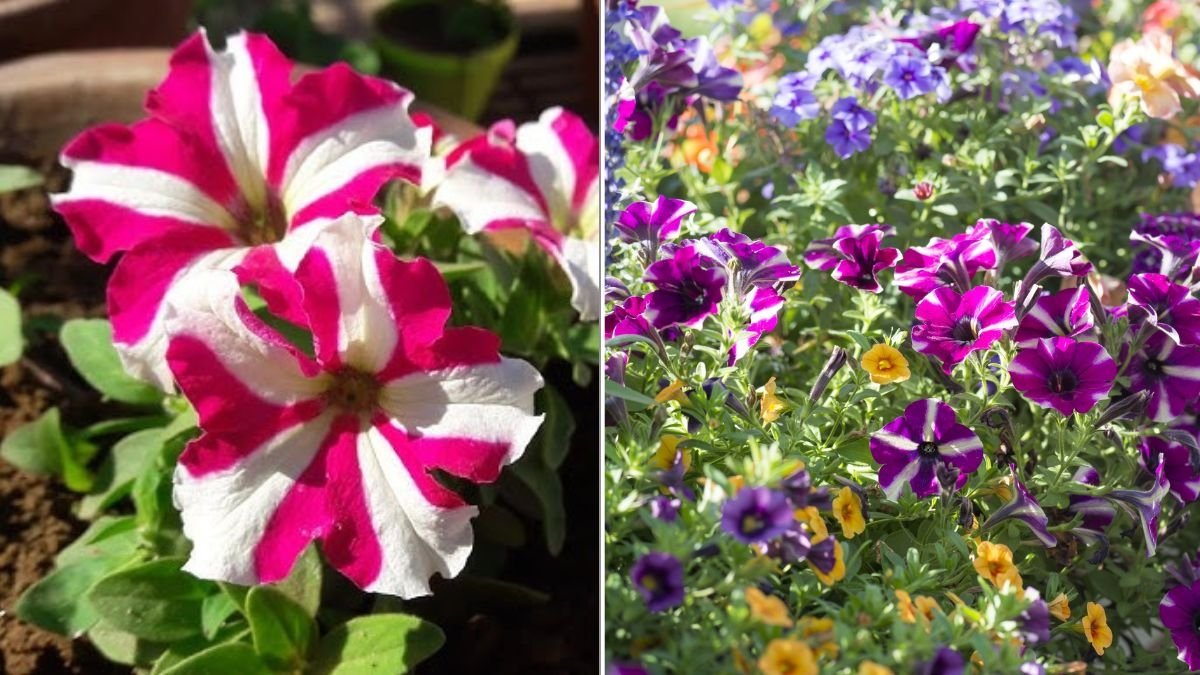
Petunias are among the most beloved summer flowers, known for their vibrant colors, varied patterns, and the cheerful presence they bring to gardens, patios, and hanging baskets. Whether you’re a seasoned gardener or a beginner, there’s nothing more satisfying than a petunia in full bloom, creating a lively, colorful display throughout the season. However, many gardeners struggle to keep their petunias flowering consistently from early summer to late fall. With the right care and attention, you can enjoy petunias that thrive and bloom abundantly all summer long. Here’s a detailed guide to achieving just that.
1. Choose the Right Type of Petunia
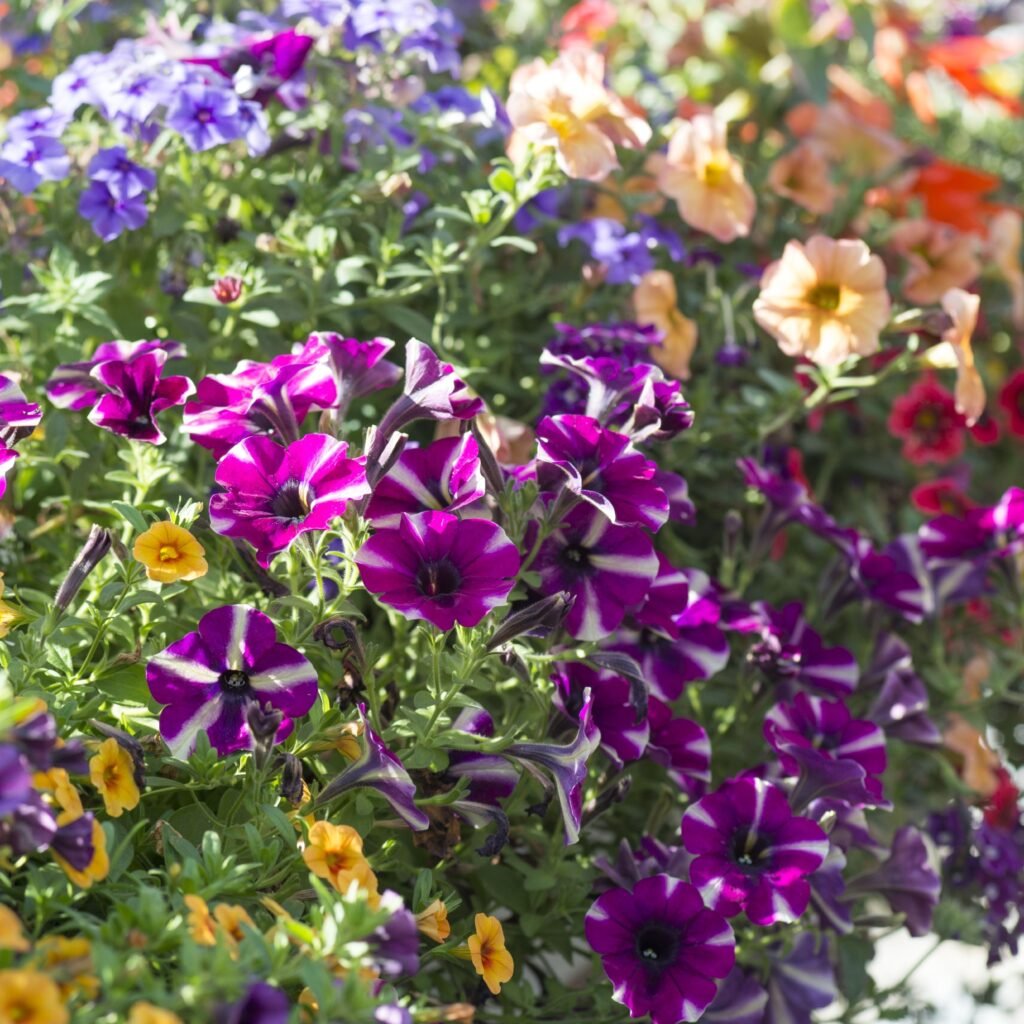
Petunias come in various types, each with unique characteristics. Knowing which type you have—or which to plant—can make a significant difference in bloom longevity:
- Grandiflora Petunias: Known for their large, showy flowers, these are perfect for containers and focal points. They need consistent care and sunlight to bloom continuously.
- Multiflora Petunias: Smaller flowers but more abundant blooms. They are hardy, prolific, and ideal for garden beds.
- Milliflora Petunias: Tiny flowers but extremely resilient. These are perfect for borders or cascading in containers.
- Wave Petunias: The ultimate spreading petunia, great for ground cover and hanging baskets. They are vigorous bloomers with minimal deadheading.
By selecting the type that suits your garden and your maintenance level, you can maximize the likelihood of all-season blooms.
2. Planting Petunias Correctly
Even the most resilient petunia can struggle if not planted properly. Here are key steps to ensure a healthy start:
- Location: Petunias need full sun for at least 6 hours daily. While they tolerate partial shade, bloom production will drop dramatically.
- Soil: Use well-draining soil rich in organic matter. Petunias dislike sitting in soggy soil, which can lead to root rot.
- Spacing: Proper spacing ensures good air circulation, reducing fungal diseases. Typically, plant 12 to 18 inches apart for garden beds and allow some room for spreading in containers.
- Containers: If using pots or hanging baskets, ensure good drainage and select a container large enough for roots to expand. Shallow containers may cause stress and stunt flowering.
3. Watering for Maximum Blooms
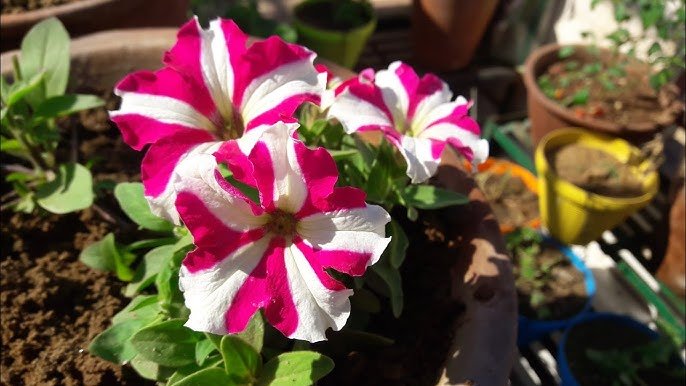
Watering is a critical factor in keeping petunias blooming. They need consistent moisture but cannot tolerate waterlogged soil.

- Frequency: Water deeply when the top inch of soil feels dry. In hot climates or containers, daily watering may be necessary.
- Method: Water at the base of the plant to avoid wetting the foliage, which can lead to fungal diseases.
- Mulching: Applying a thin layer of mulch around garden-bed petunias helps retain soil moisture and keep roots cool.
Tip: Overwatering can be as harmful as under-watering. Check soil moisture regularly and adjust according to weather conditions.
4. Feeding Petunias for Continuous Flowering
Petunias are heavy feeders. Providing the right nutrients ensures they have the energy to produce blooms all season.
- Fertilizer Type: Use a balanced, water-soluble fertilizer or a slow-release granular fertilizer. Look for a formula with a higher phosphorus content (the middle number on fertilizer packaging) to encourage flowering.
- Frequency: For container plants, fertilize every 2–3 weeks. For garden beds, slow-release fertilizers at planting time can be supplemented with monthly liquid feeding.
- Liquid Fertilizer Boost: Every 4–6 weeks, use a bloom-boosting fertilizer high in phosphorus to encourage larger, more vibrant flowers.
Avoid over-fertilizing with nitrogen-heavy fertilizer, as it promotes leaf growth at the expense of flowers.
5. Deadheading: The Key to Continuous Blooms
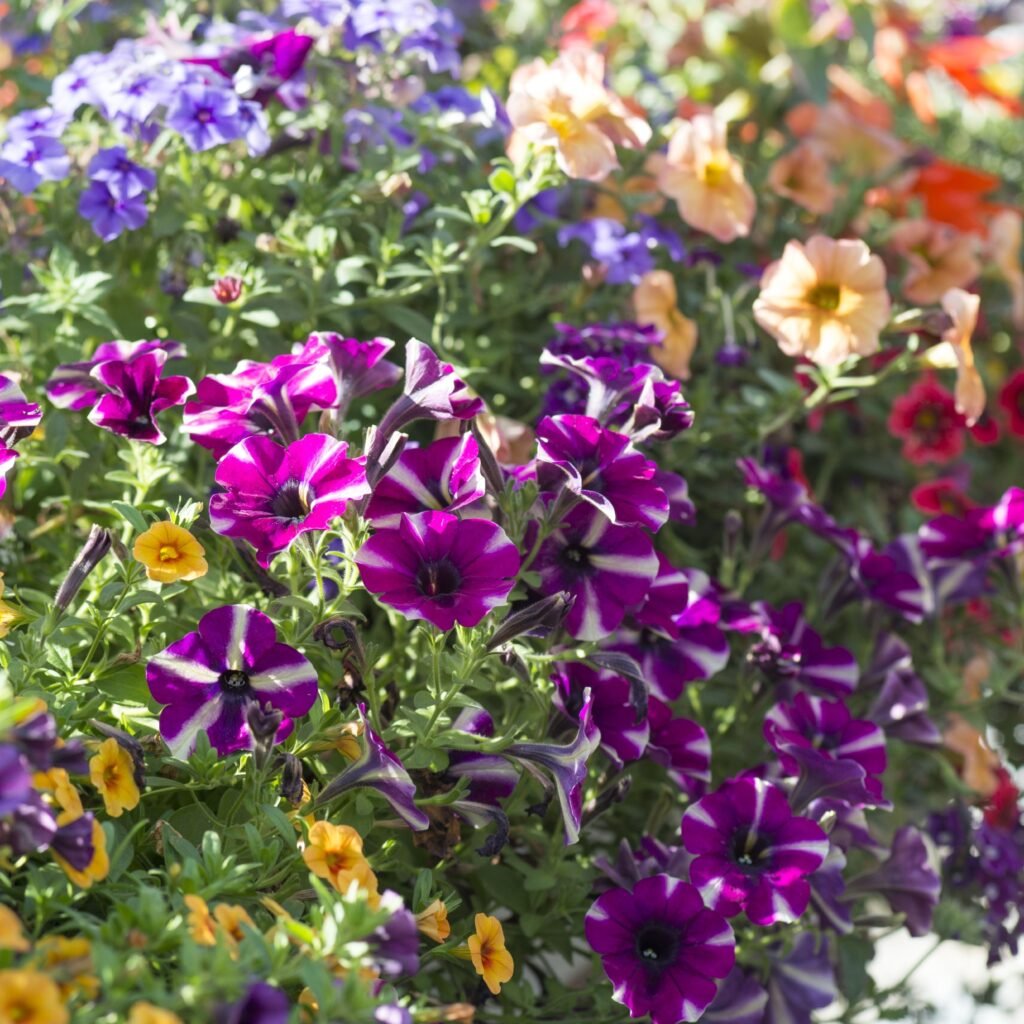
Deadheading, or removing spent flowers, is crucial for petunias. Petunias are programmed to set seeds once a bloom fades. If you don’t remove the spent blooms:
- Energy is diverted to seed production instead of creating new flowers.
- Plants may look untidy and produce fewer blooms.
How to Deadhead:

- Pinch or snip off faded flowers just above the first set of healthy leaves.
- For varieties with smaller blooms, such as milliflora, regular light deadheading encourages a constant display.
Some modern petunia varieties, especially wave types, are self-cleaning and may require less deadheading, but checking regularly still improves bloom quality.
6. Pruning and Pinching
Petunias can become leggy over time, especially in mid to late summer. Pruning encourages compact growth and more blooms.
- Pinching: Early in the season, pinch back growing tips to encourage bushier plants. Remove 1–2 inches of growth from the tips.
- Summer Pruning: If plants start looking straggly, cut back up to one-third of the plant to stimulate new growth and a fresh wave of blooms.
Wave petunias are particularly responsive to trimming; a simple mid-season pruning can revitalize them for an extended blooming period.
7. Pest and Disease Management
Even with perfect care, petunias can fall victim to pests and diseases. Monitoring your plants regularly ensures they stay healthy and bloom continuously.
Common Pests:

- Aphids: Small green insects that suck sap from the plant. Use insecticidal soap or neem oil.
- Caterpillars: Can chew leaves and buds. Handpick or use Bacillus thuringiensis (Bt) as a natural solution.
- Spider Mites: Tiny red or yellow specks that cause leaf yellowing. Spray water regularly to keep humidity high or use insecticidal soap.
Common Diseases:
- Powdery Mildew: White powdery spots on leaves. Improve air circulation and avoid overhead watering.
- Root Rot: Usually caused by poor drainage. Ensure containers and garden beds drain properly.
Healthy plants are more likely to produce continuous blooms, so early intervention is key.
8. Temperature and Sunlight Considerations
Petunias thrive in warm weather but can struggle with extreme heat or insufficient light.
- Heat: Extremely high temperatures may cause blooms to fade quickly. Watering deeply and providing partial afternoon shade in very hot climates can help.
- Sunlight: Consistent full sun encourages maximum flowering. If plants are in partial shade, expect fewer blooms.
For container plants, consider moving them to optimal sunlight exposure as the sun shifts through the summer.
9. Extending Blooming Into Late Summer and Fall
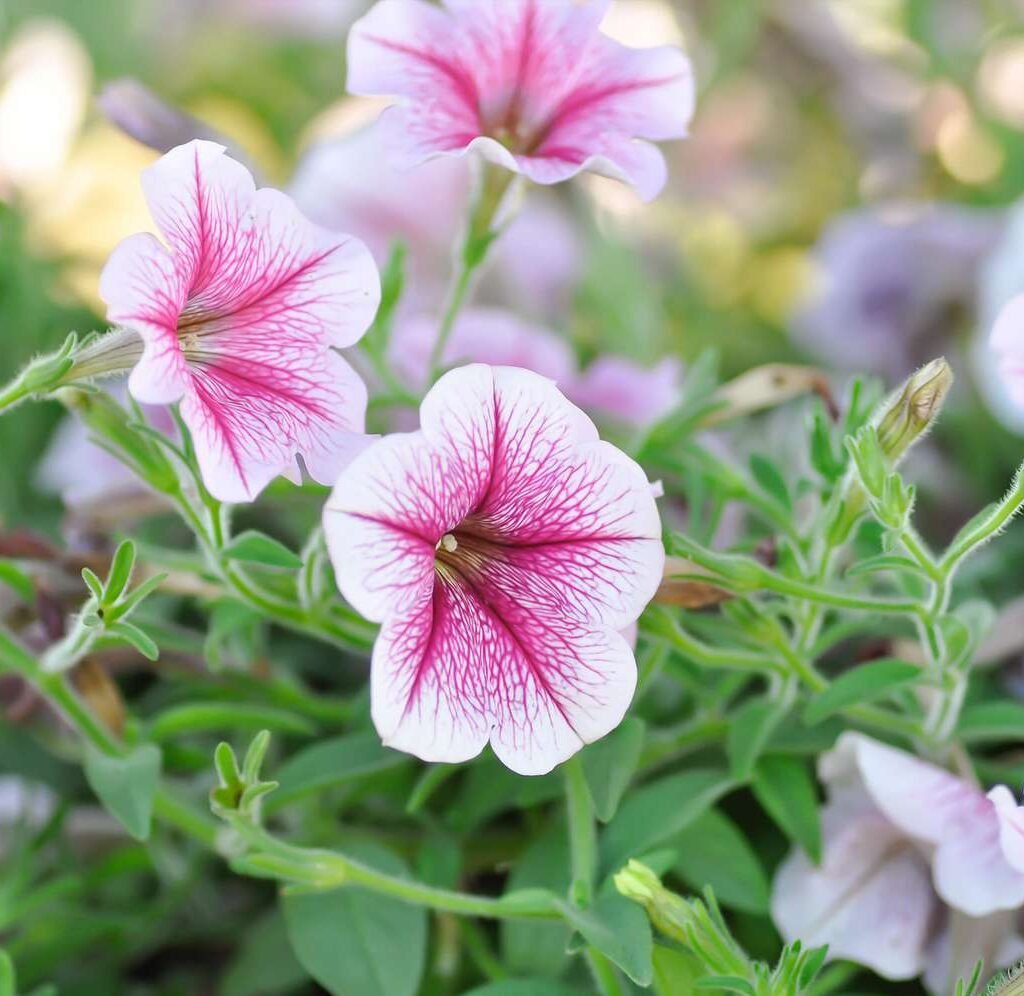
With proper care, petunias can bloom from late spring until frost. Some tips to extend flowering include:

- Regular Deadheading: Continues to encourage new blooms.
- Mid-Season Fertilization: Boost nutrients to revitalize tired plants.
- Re-Potting Containers: For pots, refreshing soil mid-season can replenish nutrients and improve drainage.
- Removing Leggy Growth: Keeps plants tidy and encourages new shoots and flowers.
By following these steps, you can enjoy petunias well into late fall, making them a vibrant garden highlight for months.
10. Companion Planting and Aesthetic Tips
Petunias are versatile and pair beautifully with other plants. Consider these tips for an attractive summer garden:
- Companions: Marigolds, lobelia, and verbena complement petunias in color and growth habit.
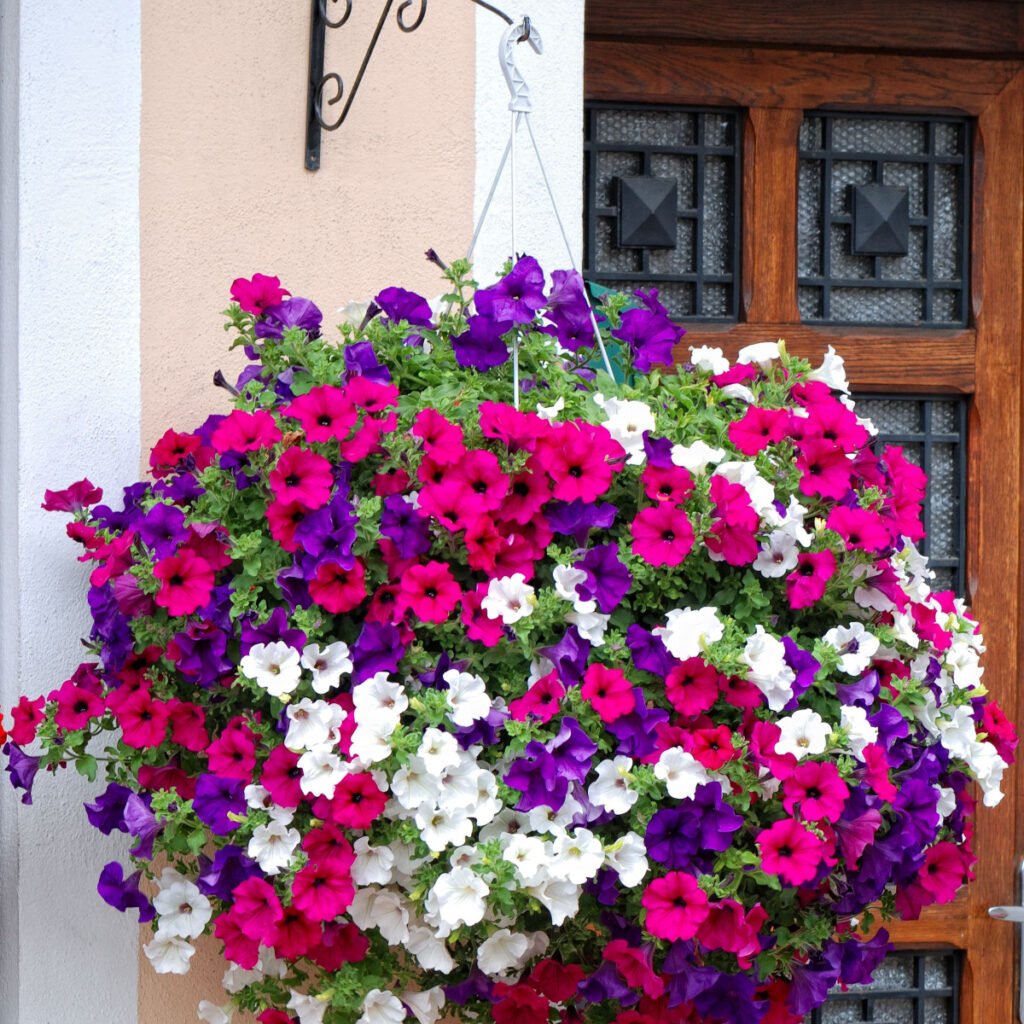
- Layering: Mix trailing petunias in hanging baskets with upright flowers for a dynamic display.
- Color Combinations: Mix bold colors like deep purple and bright red for dramatic effect, or soft pastels for a romantic garden look.
Using these techniques not only enhances bloom longevity but also creates a visually stunning summer garden.
Conclusion
Petunias are one of the most rewarding flowers to grow, offering vibrant color and cheerful energy to any garden space. The secret to keeping them blooming all summer long lies in understanding their needs: selecting the right type, planting correctly, watering consistently, feeding appropriately, deadheading regularly, and pruning when necessary. By monitoring pests and diseases, providing adequate sunlight, and giving occasional care boosts, your petunias will reward you with a stunning, continuous display of flowers from early summer until the first frost.
With patience and attention, your garden can become a breathtaking sea of petunias, a true testament to the beauty of careful gardening. Whether in hanging baskets, containers, or garden beds, these versatile flowers can transform any outdoor space into a vibrant summer paradise.


Leave A Comment