There’s something magical about stepping outside, snipping a few fresh herbs, and adding them straight into your cooking. But if your garden herbs aren’t thriving, sunlight—or the lack of it—could be the culprit. While many herbs adore soaking up the sunshine, others wilt or turn bitter under too much heat.
Knowing which herbs thrive in full sun and which prefer a little shade can make the difference between a lush, fragrant garden and one that struggles to survive. Whether you’re planting in garden beds, raised planters, or sunny windowsills, understanding each herb’s sunlight preference helps you grow stronger, tastier plants all year long.
Let’s explore six sun-loving herbs that bask in the light, and three that prefer some shade—plus expert growing tips to help each one flourish.
What “Full Sun” Really Means
Before we dive into the list, it helps to understand what gardeners mean by full sun.
A full-sun location receives at least 6–8 hours of direct sunlight per day. These spots are ideal for Mediterranean herbs—plants that originated in hot, dry climates and naturally adapted to thrive under intense rays.
Partial shade, on the other hand, means 3–5 hours of direct sunlight (often morning sun and afternoon shade), while full shade gets less than three hours of direct light daily.
Herbs that love the sun usually have:
- Small, waxy, or silvery leaves that conserve moisture.
- Strong essential oils (which intensify in sunlight).
- Deep root systems that tolerate dry soil.
Shade-loving herbs, in contrast, prefer cooler temperatures and moist soil conditions.
6 Herbs That Absolutely Love Full Sun
These herbs thrive where the light is brightest and the soil drains quickly. Give them a warm, sunny spot and they’ll reward you with robust growth and rich, concentrated flavors.
1. Basil (Ocimum basilicum)
Sun needs: 6–8 hours of full sunlight daily
Soil: Well-drained, fertile soil enriched with compost
Water: Keep soil evenly moist but not soggy

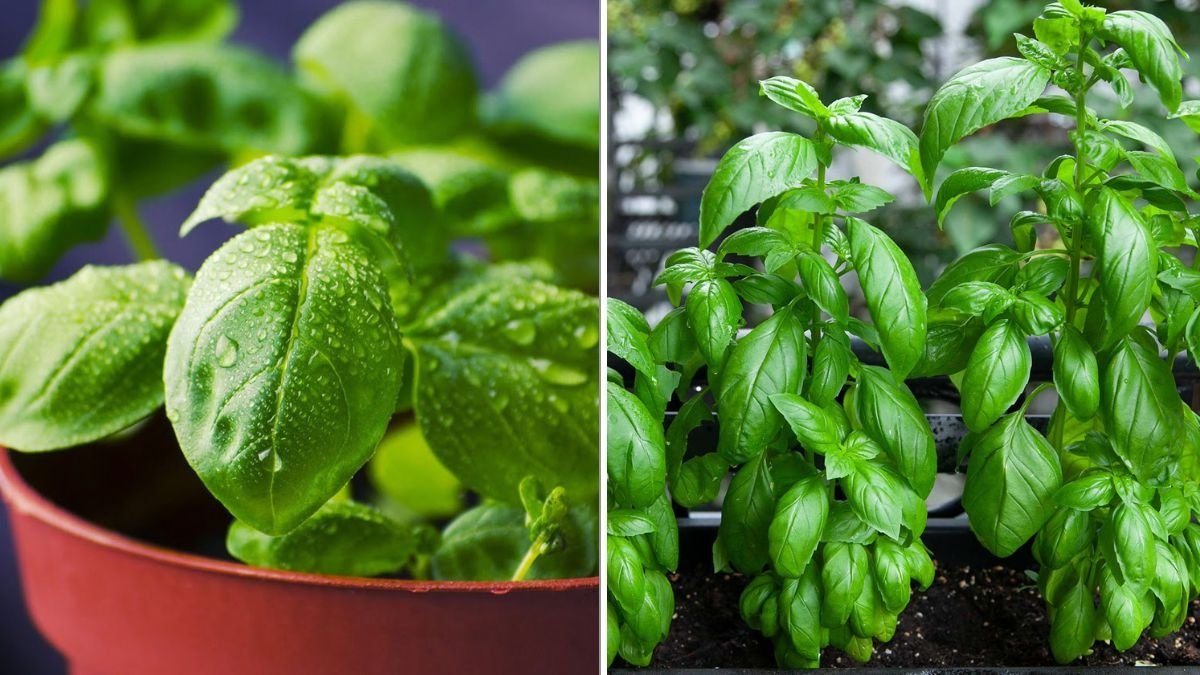
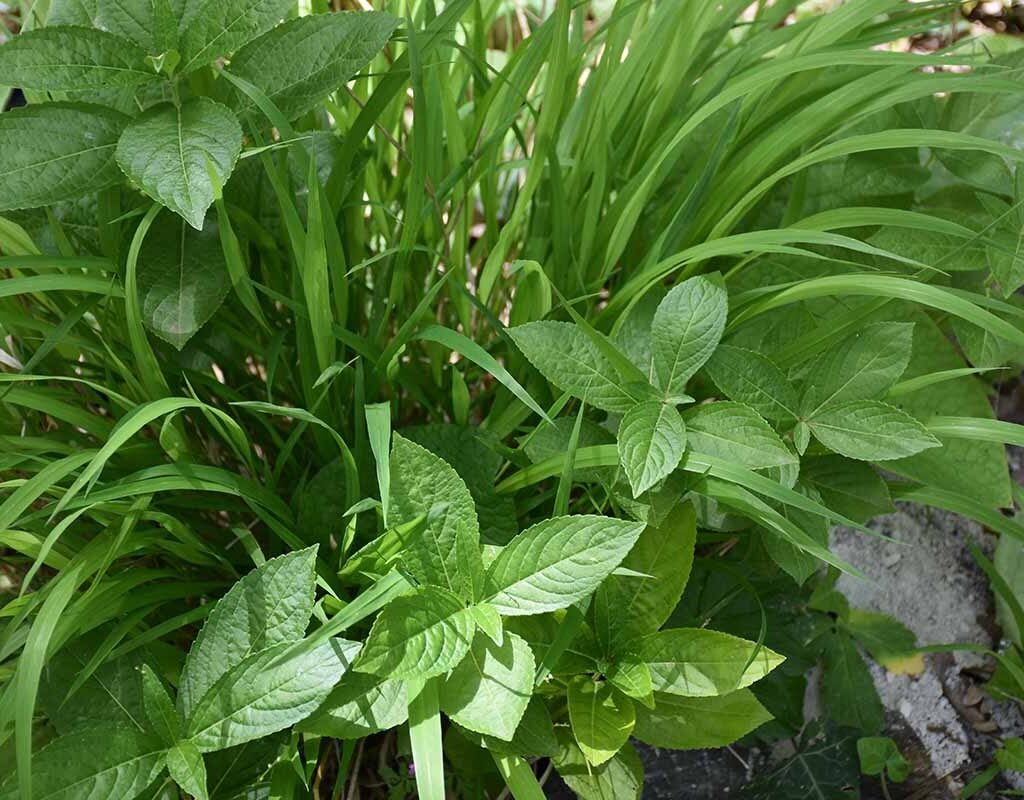
Basil is the poster child for sun-loving herbs. Native to tropical regions, it thrives in warmth and light. If your basil leaves are pale or flavorless, it’s likely not getting enough sun.
Pro tip: Pinch off flower buds as soon as they appear. This encourages bushier growth and keeps the leaves sweet rather than bitter.
Varieties to try:
- Genovese basil – for classic Italian dishes
- Thai basil – spicy and aromatic
- Purple basil – adds stunning color to salads
Sun tip: Basil grown in full sun produces more essential oils, which means deeper aroma and flavor.
2. Rosemary (Rosmarinus officinalis)
Sun needs: 8+ hours of full sun
Soil: Sandy, well-draining soil (avoid soggy spots)
Water: Drought-tolerant once established
Rosemary is a hardy Mediterranean shrub that thrives under hot, dry, sunny conditions. It loves poor, rocky soil and doesn’t tolerate overwatering.
Growing tip: Give rosemary good air circulation and avoid crowding it. In humid regions, this prevents mildew.
Bonus: It’s a natural pest deterrent—its strong scent repels mosquitoes and flies, making it a great patio plant.
If you can’t smell your rosemary from a few feet away, it probably needs more sun.
3. Thyme (Thymus vulgaris)
Sun needs: 6–8 hours of full sun
Soil: Light, well-drained soil (prefers dry conditions)
Water: Moderate to low

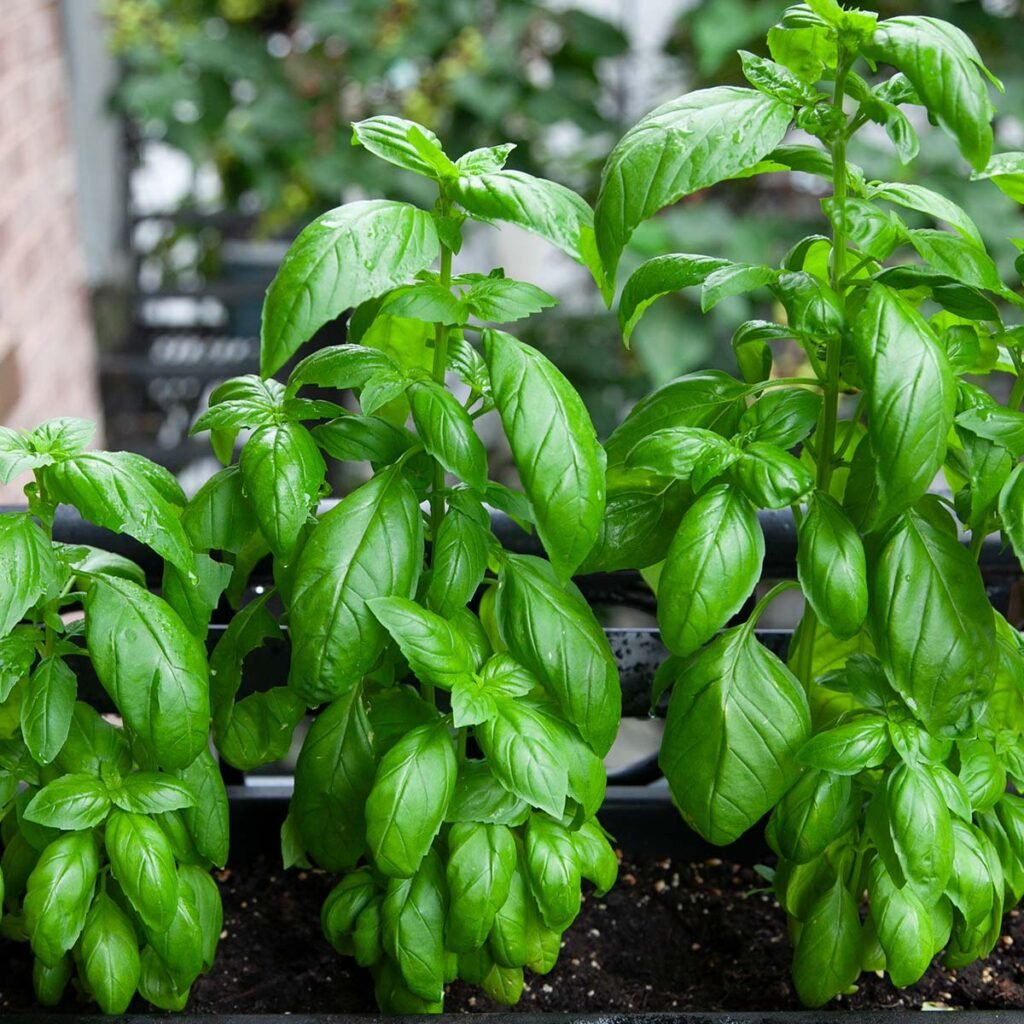
Thyme thrives in conditions that mimic its native Mediterranean hillsides: full sun, dry soil, and little fuss. In fact, too much shade or water can quickly kill it.
Varieties to explore:
- Lemon thyme – citrusy and bright, great with fish
- English thyme – classic for soups and roasts
- Creeping thyme – doubles as a fragrant groundcover
Pro tip: Harvest just before flowering for the most concentrated oils.
4. Oregano (Origanum vulgare)
Sun needs: 6–8 hours of full sun
Soil: Sandy, slightly alkaline soil
Water: Moderate; drought-tolerant once mature
Oregano’s bold flavor intensifies with sunlight. When grown in partial shade, it tends to be milder. Too much water or shade can also make it leggy and weak.
Harvest tip: Cut stems when flower buds start forming—this is when the leaves are most flavorful.
Fun fact: Oregano contains carvacrol, a natural compound that acts as an antimicrobial—one reason it was prized in ancient medicine.
5. Sage (Salvia officinalis)
Sun needs: 6+ hours of direct sunlight
Soil: Well-drained, sandy or loamy soil
Water: Low to moderate; hates soggy roots
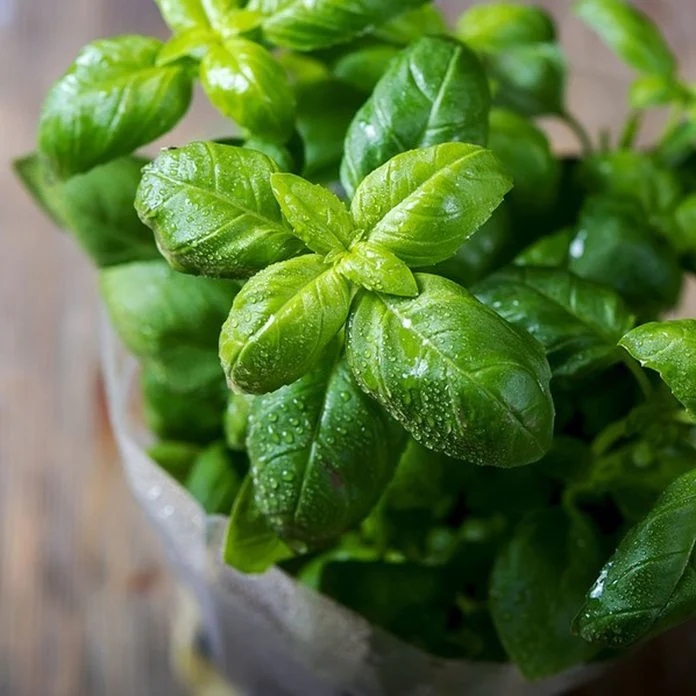
Sage loves the heat but dislikes humidity and overwatering. Its soft, silvery leaves are covered with fine hairs that help reflect sunlight and retain moisture.
Growing tip: Trim sage regularly to keep it from becoming woody. The leaves are best harvested before flowering for peak flavor.

Pair with: Roast vegetables, breads, and butter-based sauces.
Sage blooms beautifully in summer—pollinators love it, too!
6. Lavender (Lavandula angustifolia)
Sun needs: 8+ hours of full sun
Soil: Dry, sandy, alkaline soil
Water: Minimal; drought-resistant once established
Though often used for its fragrance rather than cooking, lavender is a fantastic sun-loving herb for borders, beds, or containers. It thrives where other plants might wilt.
Growing tip: Don’t overfertilize—too much nitrogen leads to lush foliage but fewer blooms.
Bonus: Lavender attracts bees and butterflies while deterring pests like moths and aphids.
In full sun, lavender releases more essential oils, filling your garden with that iconic scent.
3 Herbs That Prefer Partial Shade
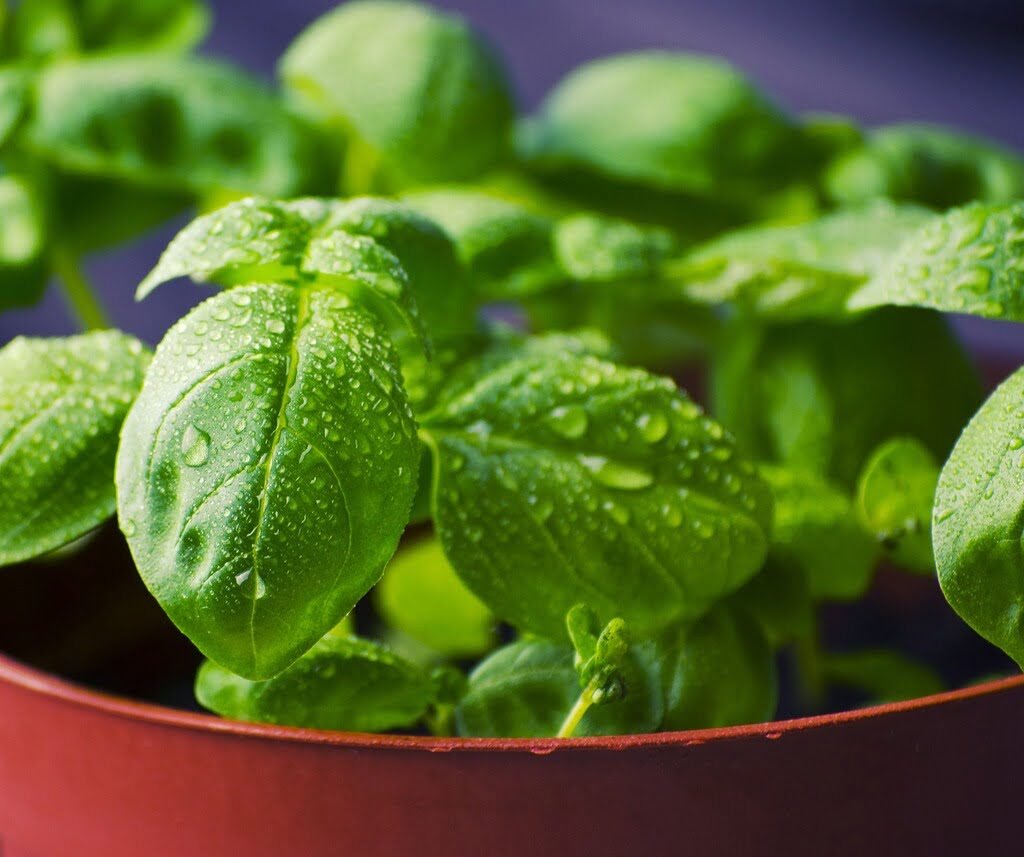
While many herbs love basking in sunlight, a few prefer a cooler environment. Too much sun can cause leaf scorch, wilting, or flavor loss in these shade-loving varieties.
1. Parsley (Petroselinum crispum)
Sun needs: 3–5 hours of sunlight (partial shade ideal in hot regions)
Soil: Moist, fertile soil
Water: Keep consistently damp, not soggy
Parsley tolerates full sun in cooler climates but wilts quickly in hot weather. In warm areas, give it morning sun and afternoon shade.

Growing tip: Harvest outer leaves first to encourage new inner growth.
Varieties:
- Curly parsley – great for garnish
- Flat-leaf (Italian) parsley – stronger flavor for cooking
Too much sun can cause parsley to bolt prematurely, sending up flower stalks instead of tasty leaves.
2. Cilantro (Coriandrum sativum)
Sun needs: 3–4 hours of sunlight; prefers cool, shaded afternoons
Soil: Rich, well-drained soil
Water: Moderate; doesn’t tolerate drought
Cilantro is notoriously fussy about heat—it bolts (flowers and sets seed) quickly in full sun. In hot climates, partial shade helps it last longer and produce lush leaves.
Growing tip: Plant cilantro every 2–3 weeks in summer to maintain a steady harvest.
Bonus: Once it bolts, let it go to seed—you’ll get coriander seeds for cooking and next season’s crop.
3. Mint (Mentha spp.)
Sun needs: 3–5 hours of sunlight; prefers dappled or partial shade
Soil: Moist, rich soil
Water: Keep consistently moist
Mint is one of the easiest herbs to grow—but it spreads fast! In full sun, it can dry out or scorch, especially in warm climates. Partial shade keeps it lush and fragrant.
Growing tip: Grow mint in containers to control its aggressive root system.

Popular varieties:
- Spearmint – classic for drinks and desserts
- Peppermint – stronger flavor, great for teas and baking
Shade-grown mint produces softer leaves and a cooler, smoother taste—perfect for summer cocktails.
Bonus Tips for a Healthy Herb Garden
Whether your herbs love full sun or partial shade, these universal growing principles will help them thrive:
- Ensure proper drainage. Herbs hate sitting in water. Use raised beds or containers with drainage holes.
- Water deeply, not frequently. Allow soil to dry slightly between waterings.
- Harvest regularly. Frequent trimming encourages new, tender growth.
- Feed lightly. Too much fertilizer promotes weak, watery leaves and dilutes flavor.
- Rotate pots seasonally. Move containers to sunnier or shadier spots as the weather changes.
Final Thoughts
The secret to growing flavorful herbs is understanding their sunlight preferences. Sun-lovers like basil, rosemary, thyme, oregano, sage, and lavender thrive under long, warm days and reward you with intense aroma and taste. Shade-seekers like parsley, cilantro, and mint, on the other hand, prefer cooler, gentler light to stay tender and vibrant.
By planting the right herbs in the right places, you’ll create a balanced, thriving herb garden that offers both flavor and fragrance all year round.
So whether your garden basks in full sunlight or enjoys pockets of shade, there’s an herb ready to call it home.

Leave A Comment