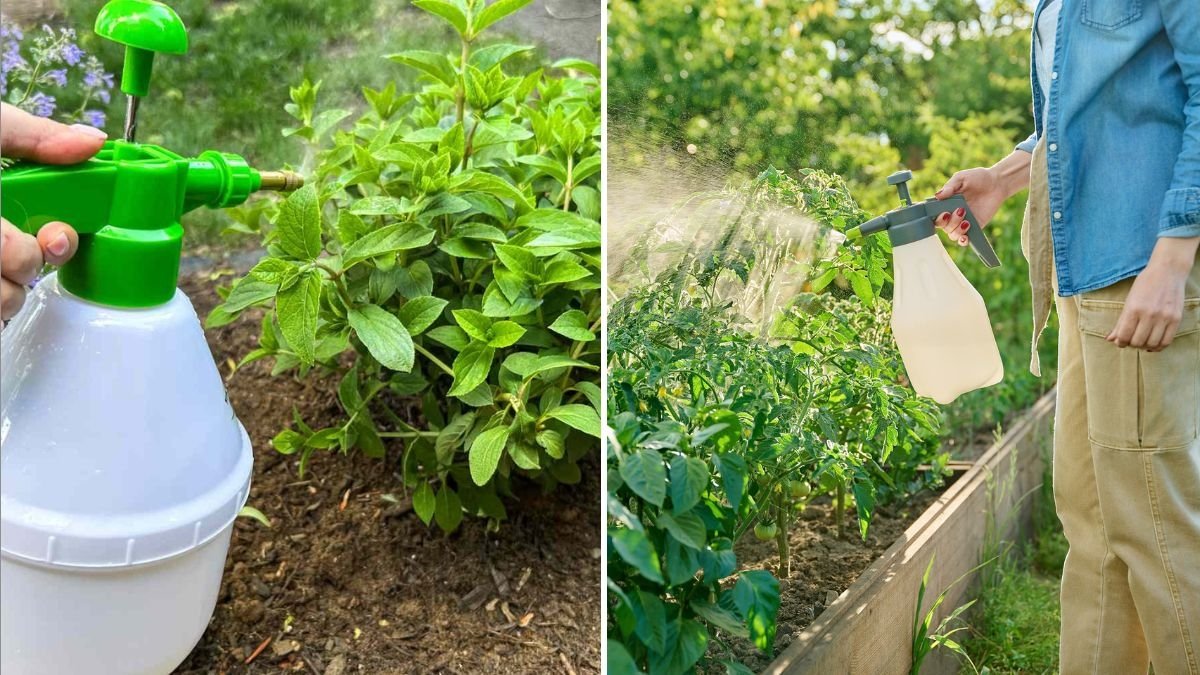
Gardens, whether ornamental, vegetable, or mixed, constantly face pressure from insect pests. Many gardeners prefer solutions that are kinder to the environment, safer for people and beneficial insects, and more sustainable long-term. One of the more popular natural options is garlic-based spray—a homemade or commercial garlic extract sprayed on plants to repel or discourage insects. But how effective is it? When and how should you use it? And what pitfalls must you avoid?
This article explores the background, formulation, application, and practical guidance for using garlic spray to protect your garden from common pests.
1. The Science Behind Garlic as an Insect Repellent
1.1 Active Compounds & Mode of Action
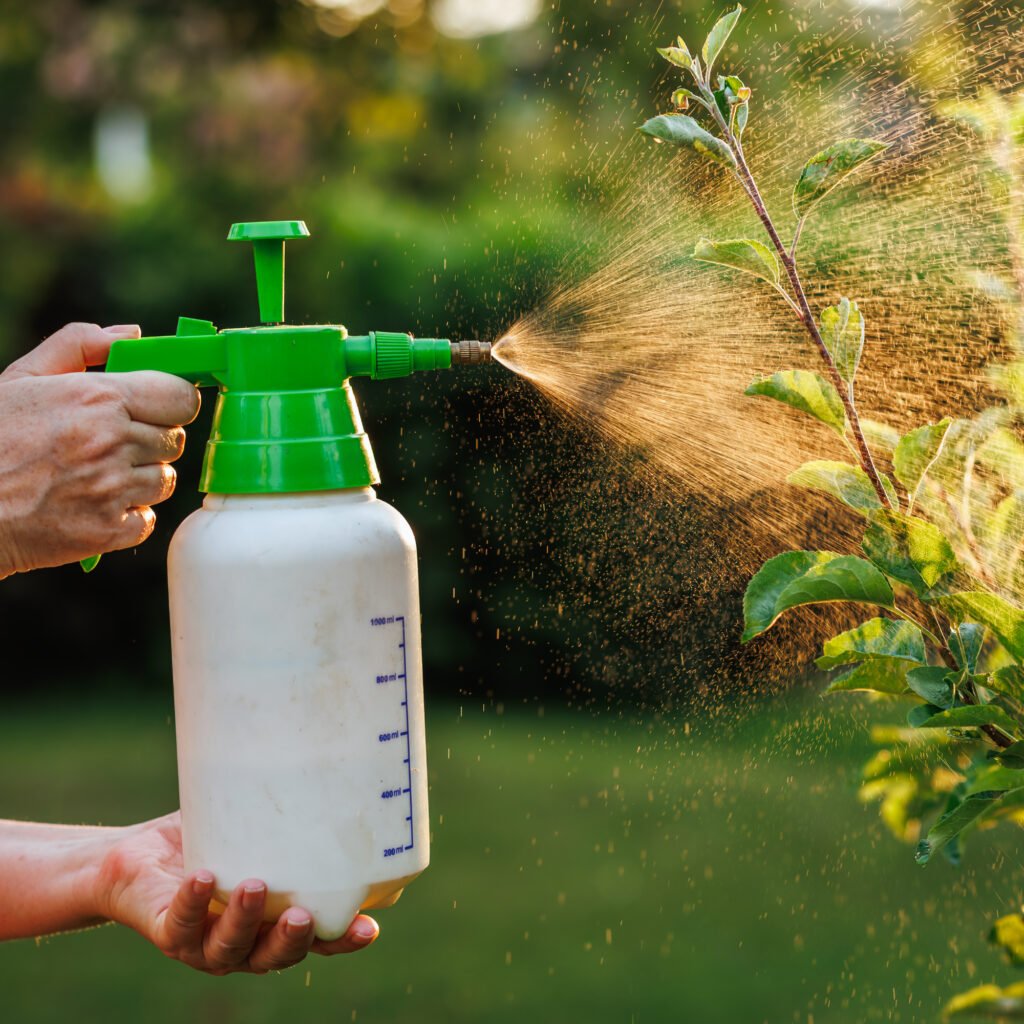
Garlic (Allium sativum) emits sulfur-containing compounds when crushed or soaked. One of the most notable compounds is allicin, which has a strong, penetrating odor. Many insects rely heavily on smell to find host plants. Garlic’s pungent odor can mask or confuse these olfactory cues, deterring insects from feeding or laying eggs on treated plants.

In addition, garlic oils may irritate or interfere with the nervous systems of certain soft-bodied insects, or clog their spiracles (breathing holes), further discouraging them from remaining on the plant.
However, garlic spray is not an insecticide in the traditional sense. It repels rather than kills and is best used as a preventative or supplemental measure, not a solution for heavy infestations.
2. Benefits and Limitations
Benefits:
- Natural and non-toxic: Safe for humans, pets, and many beneficial insects when used correctly.
- Readily available: Can be made using kitchen ingredients.
- Cost-effective: Homemade versions are much cheaper than commercial pesticides.
- Environmentally friendly: Leaves no harmful chemical residue.
Limitations:
- Short-lived: Washes off with rain or irrigation and requires frequent reapplication.
- May cause phytotoxicity: High concentrations can burn plant leaves.
- Inconsistent effectiveness: Varies based on pest type, weather, and application timing.
- Not a cure-all: Does not treat severe or internal pest problems.
3. DIY Garlic Spray Recipes

Basic Garlic Spray Recipe
Ingredients:

- 4–5 garlic cloves
- 1 liter of water
- A few drops of mild dish soap or 1 tablespoon vegetable oil
Instructions:
- Peel and crush the garlic cloves.
- Add them to a liter of warm water and allow to steep overnight.
- Strain the mixture through a fine cloth or sieve to remove solid particles.
- Add dish soap or oil to help the mixture stick to plant surfaces.
- Pour into a spray bottle and use within 3–5 days.
Stronger Version (Optional Add-Ons):
- Add 1 teaspoon of cayenne pepper for extra repelling power.
- Mix in a small amount of vinegar to help with fungal issues.
- For added strength, boil the garlic in water for 10 minutes before steeping.
4. How to Use Garlic Spray Effectively
When to Apply:
- Early morning or late evening is best to avoid leaf burn from sunlight.
- Start spraying at the first sign of pest activity or as a preventative measure.
- Reapply every 5–7 days, or after rainfall.
Where to Apply:
- Spray both the upper and lower surfaces of leaves, stems, and near the base of the plant.
- Focus on areas where pests are commonly seen (e.g., new growth, flower buds).
- Avoid direct spraying of blossoms when pollinators are active.
How Much to Use:
- Use just enough to coat the surface until it begins to drip slightly.
- Don’t over-saturate, as this can stress plants.
Tips:
- Always test spray on a small area first and wait 24 hours to check for leaf damage.
- Shake the spray bottle before each use to mix the oil and water.
5. Pest Targets of Garlic Spray
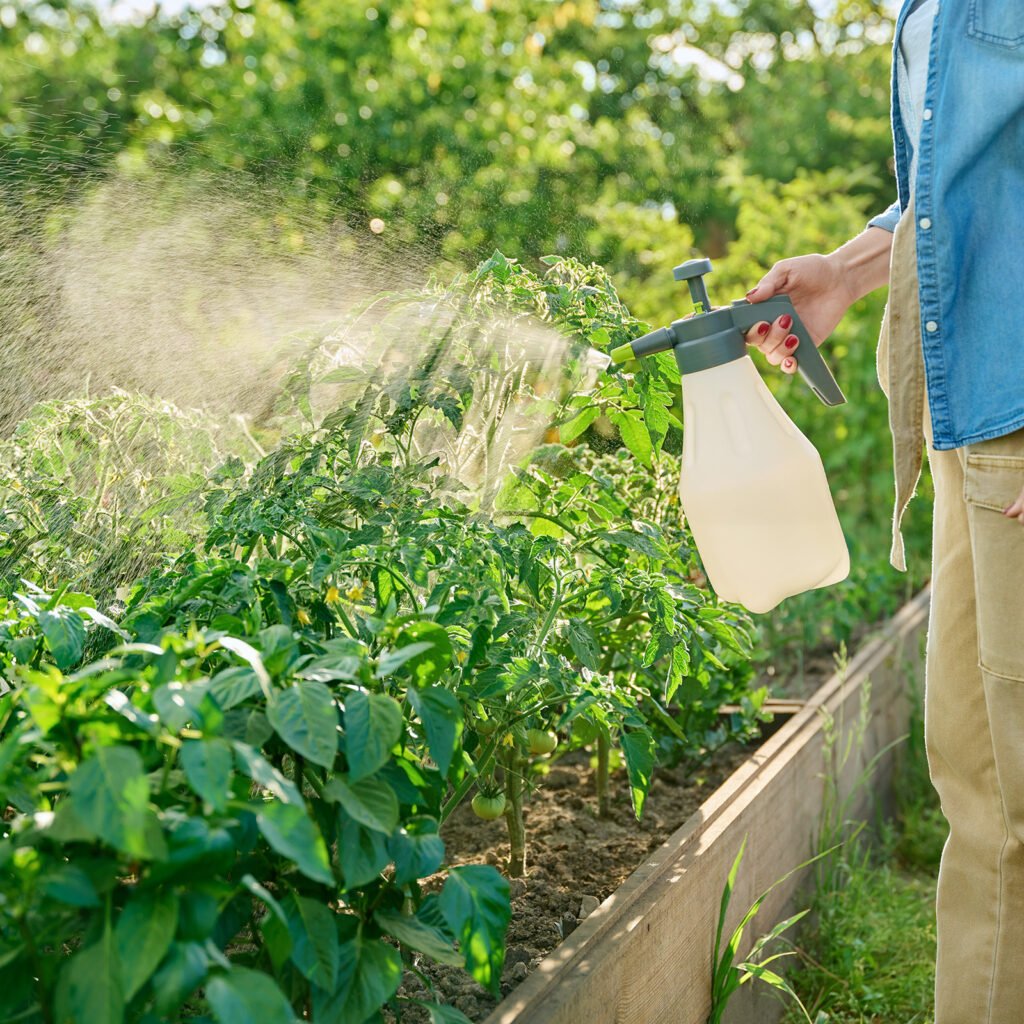
Garlic spray is known to be effective against a variety of pests, especially in the early stages of infestation. Common targets include:
- Aphids
- Whiteflies
- Spider mites
- Cabbage loopers
- Beetles
- Mosquitoes (in surrounding areas)
- Slugs and snails (when sprayed on soil)
While it may not kill pests, it makes the treated area unattractive for feeding or laying eggs.

6. Safety and Storage
For People and Pets:
- Garlic spray is non-toxic but can irritate eyes or skin. Wear gloves and avoid contact with eyes.
- Keep out of reach of children and pets when not in use.
Storage Tips:
- Store homemade garlic spray in the refrigerator to prevent fermentation.
- Use within 3–5 days for best results.
- Commercial garlic sprays usually have preservatives and a longer shelf life.
7. Commercial Garlic Spray Options
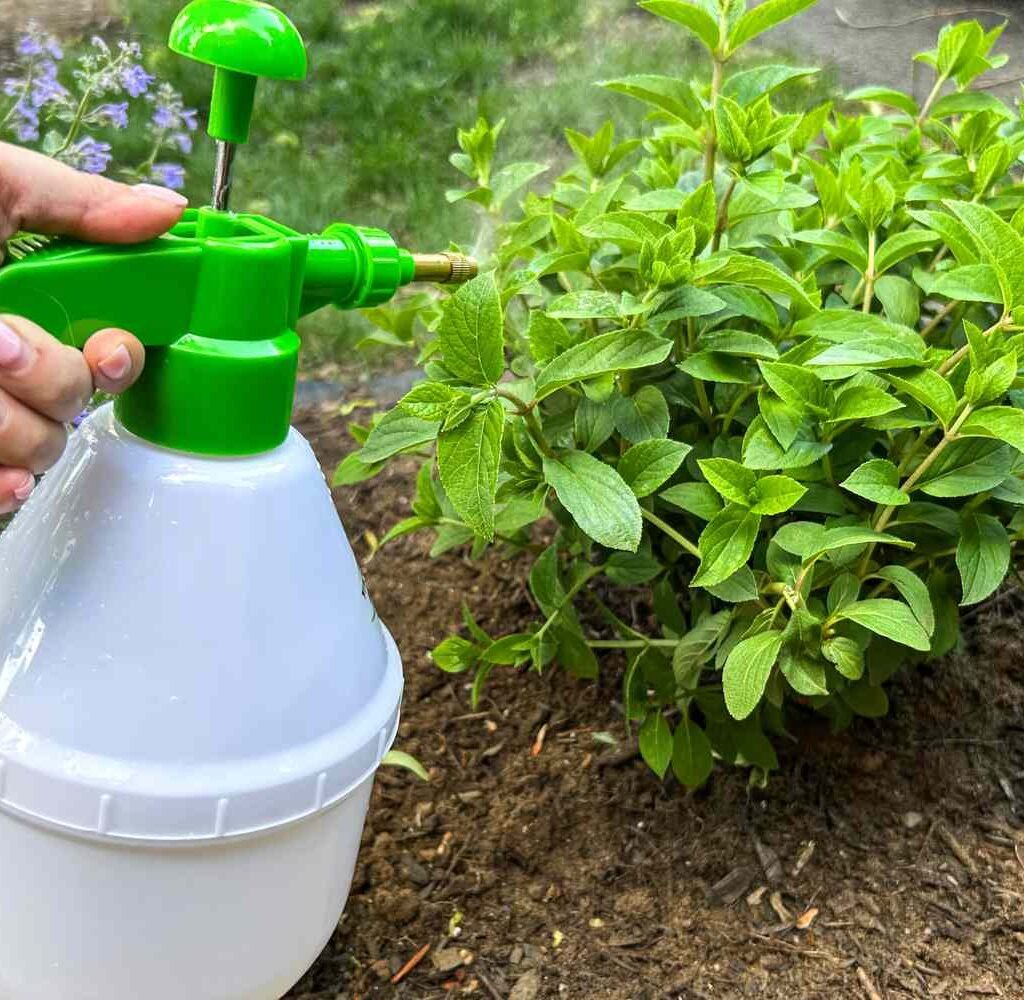
If you prefer a ready-to-use option, commercial garlic-based repellents are available. These are often more concentrated, shelf-stable, and blended with other natural ingredients like citrus or capsicum for added effectiveness. They usually come with specific dilution ratios and safety guidelines.
Advantages of commercial options:
- Longer shelf life
- Standardized strength
- May include additional pest-repelling ingredients
Drawbacks:

- More expensive
- May still require frequent application
8. Integrating Garlic Spray into Garden Pest Management
Garlic spray works best when combined with other natural gardening techniques in an Integrated Pest Management (IPM) strategy:
Cultural Practices:
- Rotate crops and plant pest-repelling companions like marigold or basil.
- Keep garden beds clean and free of decaying material.
- Avoid overwatering and over-fertilizing, which can attract pests.
Mechanical Controls:
- Use physical barriers like row covers or netting.
- Hand-pick visible pests and destroy eggs.
- Prune infested leaves and dispose of them away from the garden.
Biological Controls:
- Encourage natural predators such as ladybugs, lacewings, and birds.
- Avoid using broad-spectrum insecticides that kill beneficial organisms.
Chemical Controls (As a Last Resort):
- Use neem oil or insecticidal soap if garlic spray alone isn’t enough.
- Always apply sparingly and avoid harming pollinators.
9. Sample Garlic Spray Schedule for a Vegetable Garden
| Week | Activity | Garlic Spray Use |
|---|---|---|
| Week 1 | Seedling emergence | Light preventive spray on young leaves |
| Week 2 | Leaf growth begins | Weekly spray under leaves and around stems |
| Week 3 | Signs of pests appear | Increase frequency to every 3–4 days |
| Week 4 | Heavy rain | Reapply after each storm or irrigation |
| Week 5 | Flowering stage | Avoid flowers, continue leaf and stem application |
| Week 6+ | Mid-season | Maintain bi-weekly schedule, monitor pest levels |
10. Final Thoughts and Recommendations
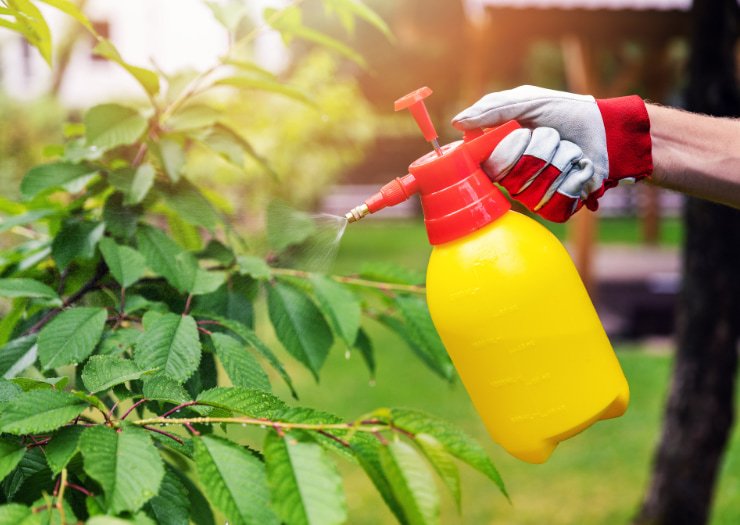
Garlic spray is a powerful, natural repellent that can protect your garden from a wide range of insect pests. It’s affordable, easy to make, and safe for most garden environments when used responsibly.
Key Takeaways:
- Use garlic spray preventatively, not just after pests appear.
- Apply during cooler parts of the day and avoid spraying flowers.
- Combine garlic spray with other organic methods for best results.
- Always test before large-scale application to prevent plant damage.
- Reapply regularly, especially after rain or watering.
While not a cure-all, garlic spray is a valuable addition to your natural pest control arsenal. With consistency and careful use, it can reduce your garden’s pest pressure and help you grow healthier, more productive plants.


Leave A Comment