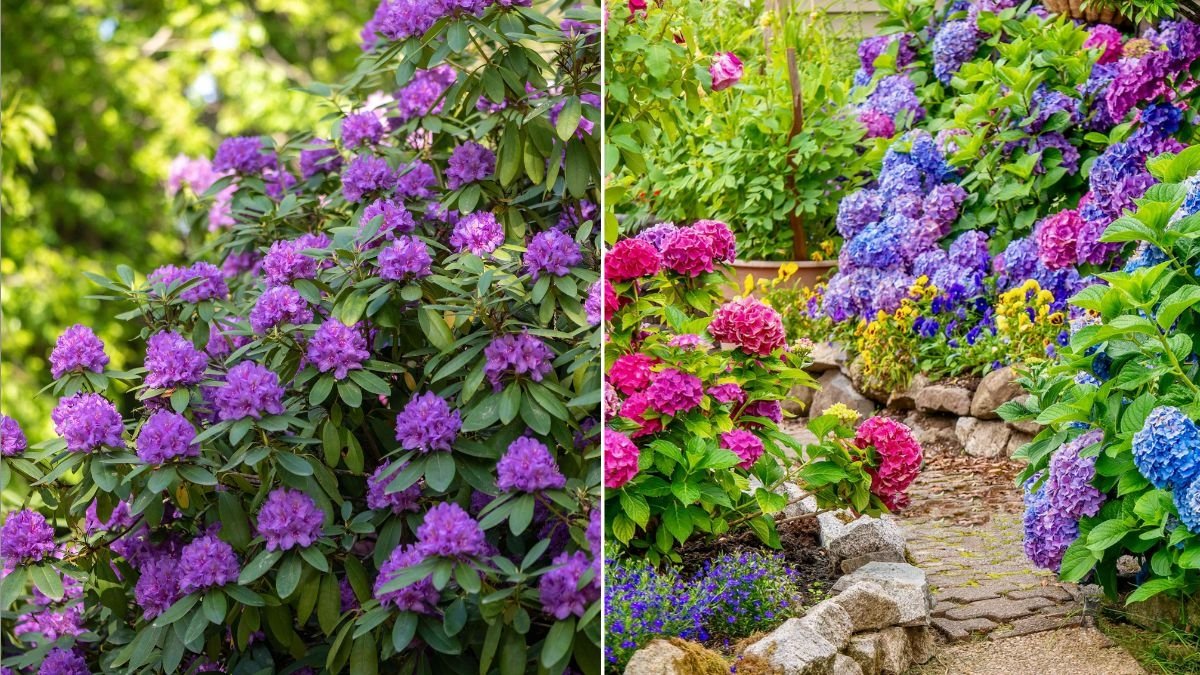
Most gardeners dream of a yard that stays colorful from the first warm days of summer until the cooler evenings of early fall. While annuals and perennials provide bursts of color, shrubs are the backbone of a landscape. They add structure, texture, and long-lasting beauty—and if you choose the right ones, they can keep your garden in bloom all summer long.
Whether you’re designing a low-maintenance border, creating a pollinator haven, or simply adding more vibrant interest to your outdoor space, summer-blooming shrubs are a must-have. Here are seven stunning shrubs that flower all season, along with tips on how to grow them for maximum impact.
1. Butterfly Bush (Buddleja davidii)
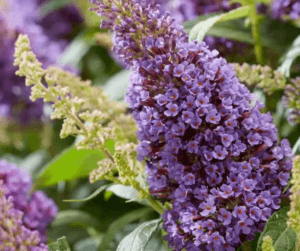
Few shrubs can match the Butterfly Bush when it comes to sheer flower power. Known for its arching stems loaded with long, fragrant clusters of purple, pink, or white blooms, this shrub attracts pollinators by the dozens.
Why It’s Great:
- Attracts butterflies, bees, and hummingbirds.
- Blooms from midsummer to early fall.
- Hardy in zones 5–9, depending on variety.
Care Tips:
- Plant in full sun for best flowering.
- Prune in late winter or early spring to encourage strong new growth.
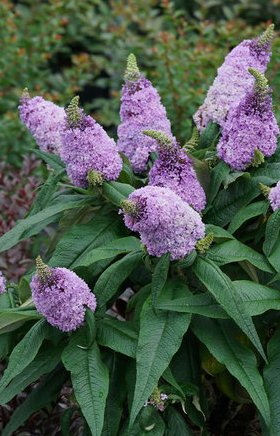
- Avoid invasive varieties; opt for sterile cultivars like ‘Lo & Behold’ or ‘Miss Molly.’
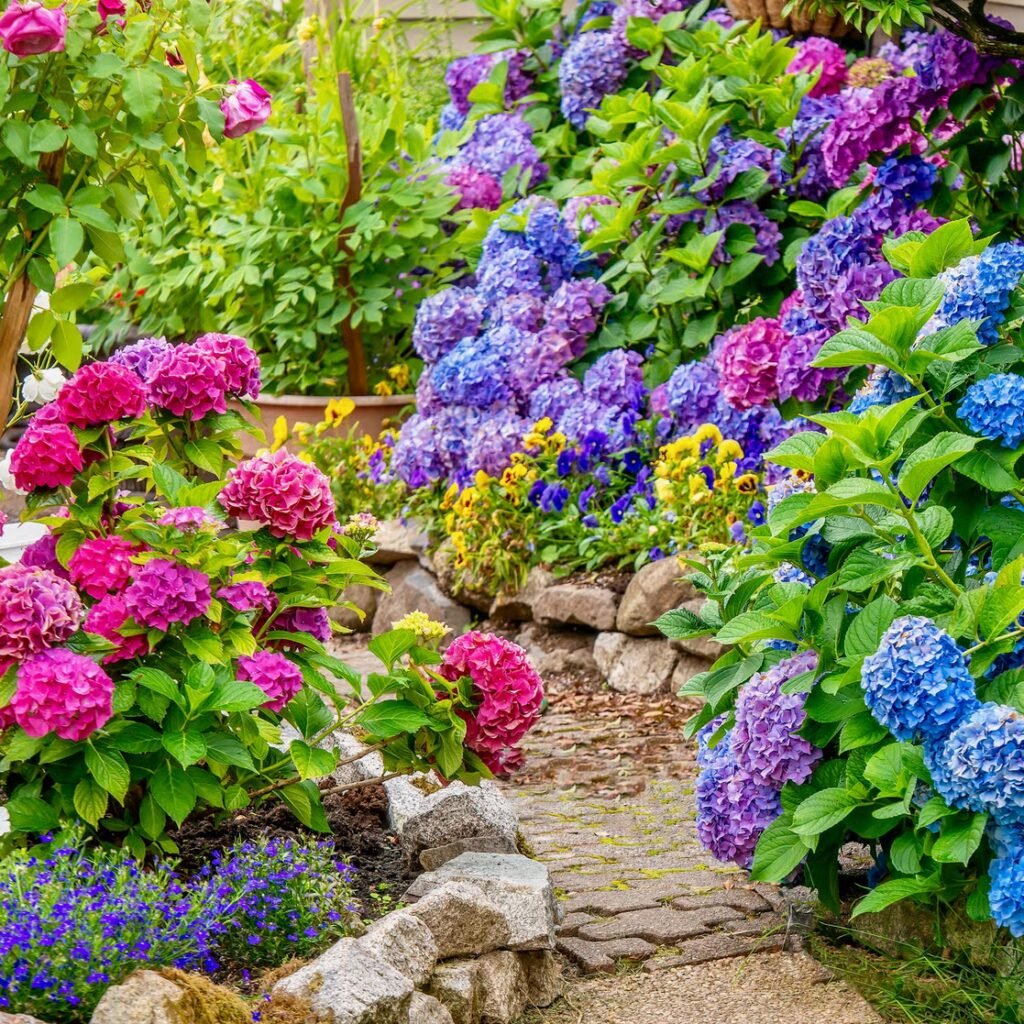
2. Hydrangea (Hydrangea paniculata & Hydrangea macrophylla)
Hydrangeas are beloved for their big, showy flower heads that can last all summer long. While some varieties bloom only briefly, modern cultivars like panicle hydrangeas (‘Limelight,’ ‘Pinky Winky’) and reblooming bigleaf hydrangeas (‘Endless Summer’) flower from early summer through frost.
Why It’s Great:
- Huge blooms that often change color as they mature.
- Reblooming varieties offer months of flowers.
- Works in containers, hedges, or as a focal point.
Care Tips:
- Provide morning sun and afternoon shade in hot climates.
- Keep soil consistently moist but not soggy.
- Use fertilizer formulated for acid-loving plants to boost color and health.
3. Rose of Sharon (Hibiscus syriacus)
This hardy hibiscus shrub delivers tropical flair without the fuss. Its large, hibiscus-like flowers come in shades of pink, purple, white, and red, and bloom profusely from midsummer into fall.
Why It’s Great:
- Nonstop flowers for months.
- Attracts hummingbirds and pollinators.
- Can be trained into a small tree shape or kept as a shrub.
Care Tips:
- Thrives in full sun and well-drained soil.
- Minimal pruning is needed, but trim in early spring to shape.
- Hardy in zones 5–9, making it versatile for many gardens.
4. Spirea (Spiraea japonica)
Spirea is one of the easiest shrubs for long-lasting color. Compact and versatile, spireas produce clusters of small flowers in pink, red, or white that bloom continuously from late spring through summer.
Why It’s Great:
- Extremely low-maintenance.
- Compact varieties fit well in small gardens.
- New foliage often emerges in bright shades of gold or red, adding extra interest.
Care Tips:
- Plant in full sun for best blooms.
- Prune lightly after flowering to encourage rebloom.
- Tolerates a variety of soils and growing conditions.
5. Abelia (Abelia x grandiflora)
Abelia is a lesser-known gem that deserves more love. This semi-evergreen shrub features clusters of fragrant, tubular flowers in shades of white, pink, or lavender. Blooming starts in early summer and can continue into fall.
Why It’s Great:
- Long bloom period and delightful fragrance.
- Glossy foliage adds beauty even when not flowering.
- Attracts bees and butterflies.
Care Tips:
- Prefers full sun to partial shade.
- Prune after flowering to maintain shape.
- Hardy in zones 6–9, though some cultivars tolerate cooler climates.
6. Potentilla (Potentilla fruticosa)
If you’re looking for a tough, drought-tolerant shrub that doesn’t skimp on flowers, Potentilla is a fantastic choice. This hardy plant blooms with small, cheerful flowers—usually yellow, though modern varieties also come in white, pink, and orange—throughout the entire summer.
Why It’s Great:
- Nearly indestructible; thrives in tough conditions.
- Constant bloom cycle all summer.
- Compact size works in borders or as a low hedge.
Care Tips:
- Needs full sun for maximum flowering.
- Cut back old stems in early spring to encourage new growth.
- Hardy in zones 2–6, making it one of the most cold-tolerant summer bloomers.
7. Caryopteris (Bluebeard or Blue Mist Shrub)
Caryopteris is a late-summer star, producing striking clusters of blue flowers from midsummer into early fall. Its aromatic foliage and compact size make it ideal for pollinator gardens or small spaces.
Why It’s Great:
- Gorgeous blue flowers—a rare color in summer landscapes.
- Attracts bees, butterflies, and hummingbirds.
- Compact and low-maintenance.
Care Tips:
- Plant in full sun with well-drained soil.
- Cut back in early spring to encourage vigorous new growth.
- Hardy in zones 5–9, but may die back in colder regions (regrows from roots).
How to Get the Most from Summer-Blooming Shrubs
To maximize color in your yard, think strategically:
- Stagger Bloom Times: Mix early, mid, and late-summer shrubs for continuous color.
- Mix Colors and Textures: Combine large, showy blooms like hydrangeas with smaller clusters like spirea for layered interest.
- Encourage Reblooming: Deadhead or lightly prune after blooms fade to trigger more flowers.
- Use Mulch and Compost: Healthy soil leads to stronger shrubs and longer bloom times.
- Plant for Pollinators: Choose nectar-rich varieties to support bees, butterflies, and hummingbirds.
Final Thoughts
Summer gardens don’t have to fade after spring’s early bursts of color. With the right shrubs, you can enjoy months of continuous blooms, fragrance, and pollinator activity.
From the tropical charm of Rose of Sharon to the hardy toughness of Potentilla, these seven shrubs prove that long-lasting color is possible in any landscape. Add just one or two to your yard, and you’ll notice the difference—not only in beauty but in the lively hum of visiting pollinators all season long.
By choosing shrubs that bloom from early summer into fall, you create a vibrant, low-maintenance garden that keeps delivering long after other plants have faded.

Leave A Comment