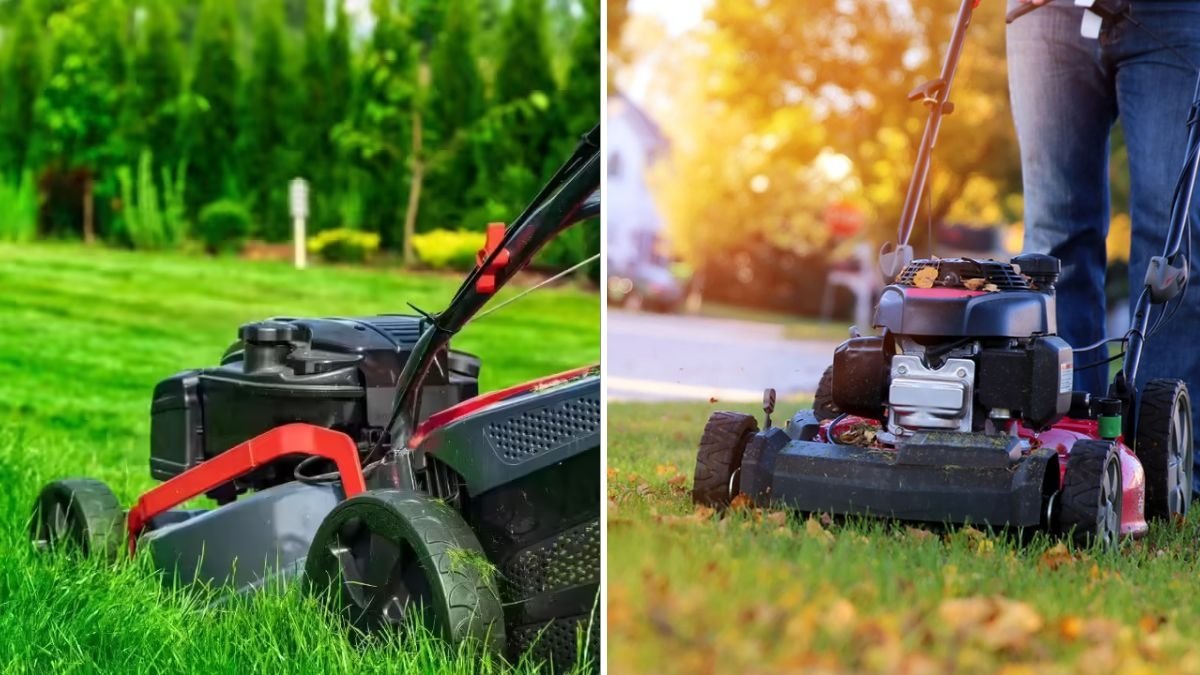
A thick, green lawn isn’t just visually appealing — it reflects the health of your soil and the effectiveness of your care routine. But many homeowners unknowingly make mistakes that set their lawns back. The good news? Most of these errors are easy to fix once you know what they are.
Here are seven of the most common lawn care mistakes — and expert-backed tips to help you correct them fast.

1. Overwatering or Watering Too Often
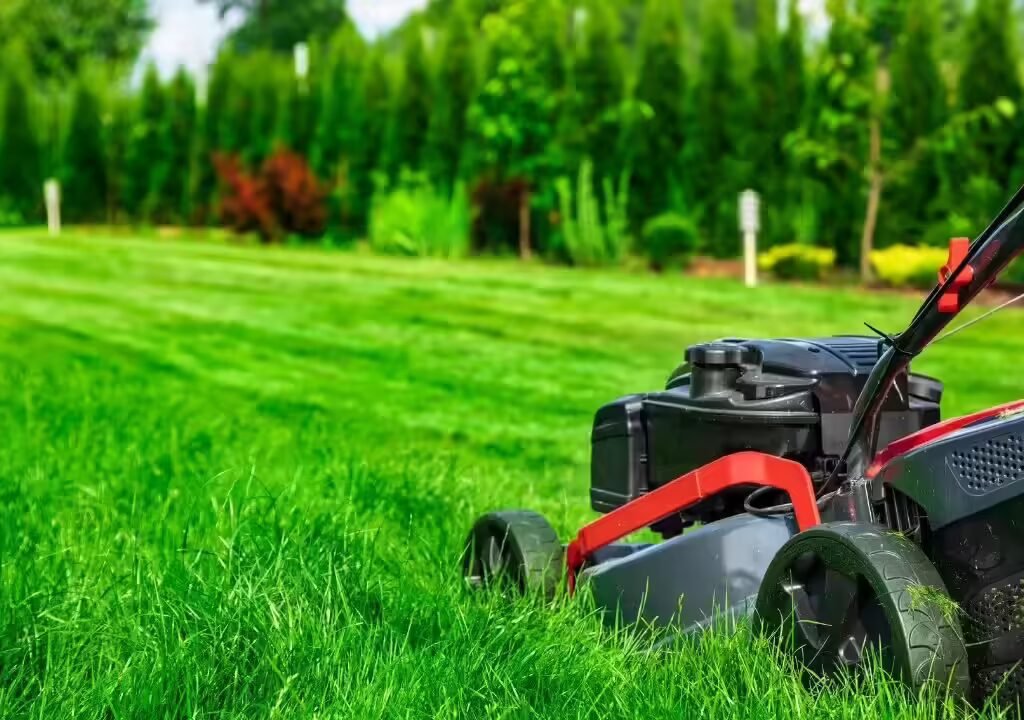
Why It’s a Problem:
Watering feels like a generous act, but too much of a good thing can be harmful. Overwatering saturates the soil, depriving grass roots of oxygen. This weakens root systems, encourages fungal growth, and even leaches essential nutrients out of the soil. Additionally, frequent shallow watering leads to shallow root development, making your lawn more vulnerable to drought.
What to Do Instead:
- Water deeply and infrequently. Aim for 1 to 1.5 inches of water per week (including rainfall).
- Water early in the morning, ideally between 5 and 10 a.m., to reduce evaporation and fungal risks.
- Avoid evening watering, as wet grass overnight increases disease potential.
- Use a rain gauge or empty can to measure how much water your sprinklers are delivering.
2. Cutting Grass Too Short (Scalping)

Why It’s a Problem:
Many people mow their lawns very short to extend the time between mowing sessions. But cutting too much of the grass blade stresses the plant, weakens its root system, and exposes the soil to sunlight, encouraging weeds and drying.

What to Do Instead:
- Follow the “one-third rule” — never remove more than one-third of the grass blade in a single mowing.
- Set your mower to the correct height for your grass type.
- Mow more frequently during fast-growing seasons, and leave the grass slightly taller during drought or heat.
- Sharpen mower blades regularly to avoid ragged cuts that brown quickly.
3. Mowing Wet Grass
Why It’s a Problem:
Mowing wet grass may seem like a time-saver, but it causes uneven cuts, clogs mower decks, and spreads disease. Wet blades bend rather than stand tall, leading to an uneven, messy cut. Plus, wet clippings can clump and smother areas of your lawn.
What to Do Instead:
- Wait for your lawn to dry. Mow once the morning dew has evaporated or after the lawn dries post-rain.
- If absolutely necessary, mow at a slower speed and clean your mower often to prevent buildup.
- Avoid heavy traffic on wet lawns, which can compact the soil and damage roots.
4. Ignoring Soil Health and Compaction
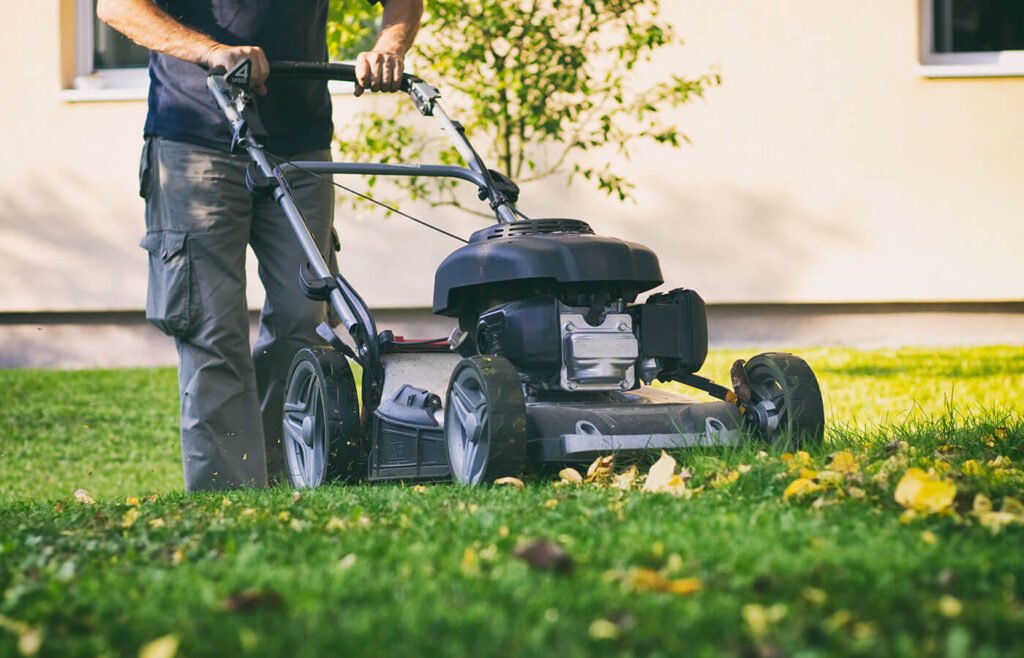
Why It’s a Problem:
Healthy grass starts with healthy soil. Over time, foot traffic, mowing, and weather can compact the soil, limiting air, water, and nutrient flow to grass roots. Grass grown in compacted soil often turns yellow, grows poorly, and becomes susceptible to weeds and pests.

What to Do Instead:
- Aerate your lawn once a year, especially in high-traffic areas or clay-heavy soil. Core aeration removes small plugs of soil, relieving compaction.
- Topdress with compost to naturally improve soil structure.
- Test your soil every 1–2 years to check nutrient levels and pH. Based on results, apply soil amendments like lime or sulfur to correct imbalances.
- Avoid heavy equipment or foot traffic on wet soil, as it leads to further compaction.
5. Misusing Fertilizers and Lawn Chemicals
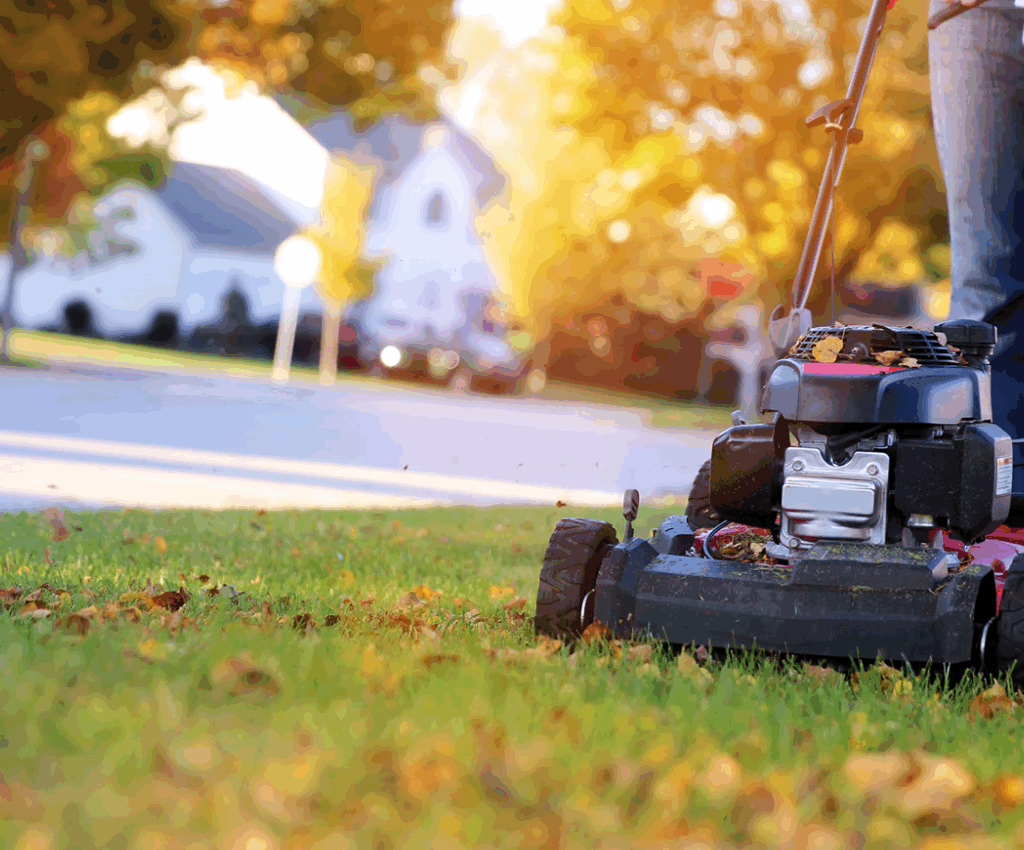
Why It’s a Problem:
Fertilizing incorrectly is one of the most common (and damaging) mistakes. Over-fertilizing can “burn” your grass, causing yellow or brown patches. Applying the wrong product, or applying at the wrong time, often leads to poor results or unintended lawn damage.
What to Do Instead:
- Get a soil test before applying any fertilizer to know exactly what nutrients your lawn needs.
- Use slow-release fertilizers for a steady supply of nutrients.
- Apply at the right time of year, depending on your grass type — cool-season grasses benefit from spring and fall feeding, while warm-season grasses respond best to late spring and summer applications.
- Follow label instructions for all lawn chemicals and never exceed recommended application rates.
6. Failing to Control Weeds and Pests Properly
Why It’s a Problem:
Weeds and pests compete with your grass for water, nutrients, and light. Ignoring these problems — or using the wrong solution — leads to patchy, unhealthy turf. Worse, blanket spraying without identifying the problem can kill beneficial insects or harm your grass.

What to Do Instead:
- Inspect your lawn regularly for signs of trouble — like thinning, yellow patches, or spots that pull up easily (a sign of grubs).
- Identify the problem before treating. Different weeds and pests require specific solutions.
- Use targeted treatments rather than broad-spectrum herbicides or insecticides.
- Prevent problems by keeping your lawn healthy and dense, which naturally crowds out weeds and resists infestations.
7. Ignoring Seasonal Adjustments
Why It’s a Problem:
Lawn care isn’t a one-size-fits-all activity. Many people stick to the same routine year-round, failing to adjust for changes in temperature, rainfall, and growth patterns. For example, fertilizing too late in the season can stimulate growth just before frost, harming your lawn. Similarly, seeding at the wrong time leads to poor germination.
What to Do Instead:
- Know your grass type. Cool-season grasses thrive in spring and fall, while warm-season grasses grow best in summer.
- Adjust mowing height seasonally. Raise your mower during summer to reduce stress and help shade the soil.
- Schedule fertilizing, aerating, and seeding during the active growth phase of your grass type.
- Rake leaves and debris in fall to prevent suffocation and disease buildup over winter.
Bonus Tips for a Thriving Lawn
- Mulch your clippings instead of bagging. They decompose quickly and return nutrients to the soil.
- Edge your lawn to keep it neat and prevent grass from spreading into flower beds.
- Use organic amendments like compost, worm castings, or seaweed extract for long-term soil health.
- Rotate mowing patterns to prevent soil compaction and mower ruts.
- Stay consistent. Lawn care is more about consistent, gentle care than occasional heavy treatments.
Final Thoughts: Small Changes, Big Results
Avoiding these common mistakes can transform a struggling lawn into a vibrant, green oasis. The key is understanding your lawn’s needs, adjusting your practices with the seasons, and focusing on long-term health instead of quick fixes.

Most importantly, be patient. A healthy lawn doesn’t happen overnight — but with the right practices in place, your grass will grow stronger, greener, and more resistant to stress year after year.

Leave A Comment