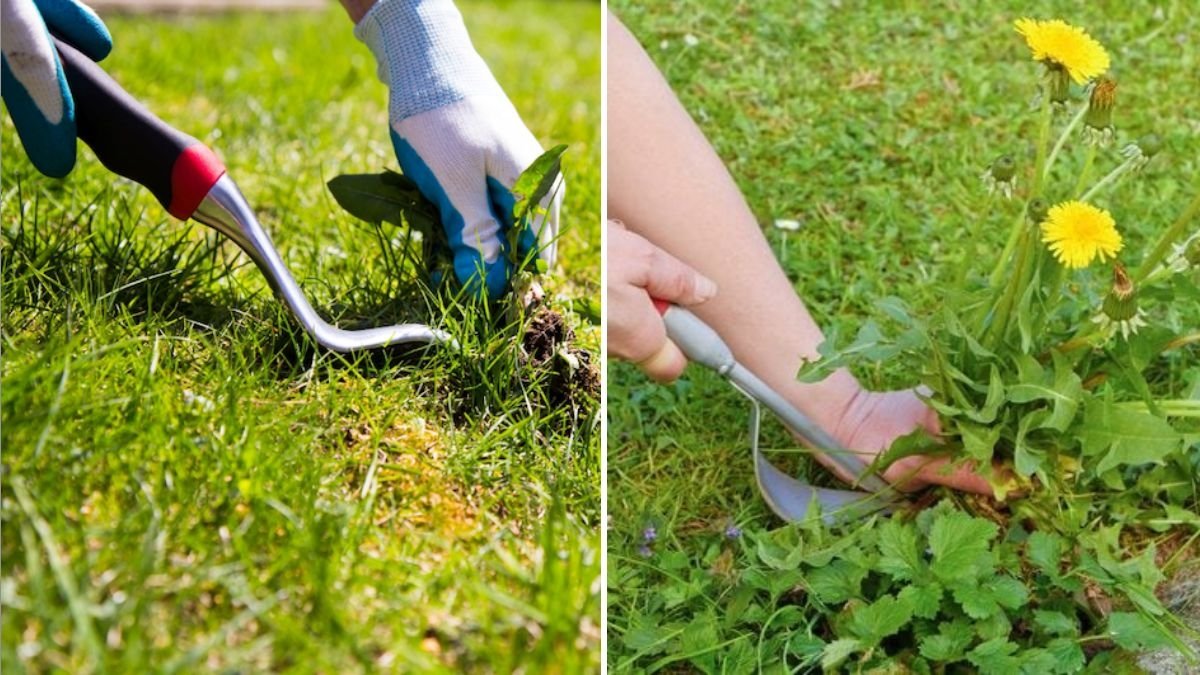
A lush, green lawn free from weeds is the dream of many homeowners. But instead of battling weeds after they sprout, a smarter strategy is to prevent them from appearing in the first place. Weeds are opportunistic—they thrive in weak, thin, or stressed turf. The good news is that with a few proactive measures, you can dramatically reduce the number of weeds before they even take root.
Here are five expert-approved strategies to stop lawn weeds before they become a problem.
1. Build Lawn Density Through Overseeding and Proper Care
Why Lawn Density Matters
The best defense against weeds is a strong, thick lawn. When your grass is dense and healthy, it shades the soil and prevents light from reaching weed seeds. Without light, most weed seeds won’t germinate.
Weeds tend to invade bare patches, thin areas, or lawns that are stressed from drought or improper care. A dense turf creates natural competition, leaving no space for weeds to grow.

How to Increase Lawn Density
- Overseed Thin Areas: Overseeding in the fall or spring (depending on your climate) helps fill in bare spots and thicken your lawn. Choose high-quality grass seed that matches your lawn type.
- Mow Properly: Follow the “one-third rule”—never cut more than one-third of the grass blade at once. This reduces stress on your lawn and helps it stay vigorous.
- Aerate Your Soil: Compacted soil restricts root growth. Aerating your lawn once or twice a year allows air, water, and nutrients to reach the roots, strengthening your turf.
- Feed Your Lawn: Fertilize regularly, based on your grass type and local climate. Well-fed grass grows thick and tall, crowding out potential weed invaders.
By thickening your lawn, you’re building a natural barrier that weeds will struggle to penetrate.
2. Apply Pre-Emergent Herbicides at the Right Time
What Are Pre-Emergents?
Pre-emergent herbicides are designed to stop weed seeds before they sprout. They form a chemical barrier in the soil that inhibits seed germination and root development. They don’t kill existing weeds—they prevent new ones from appearing.
When and How to Apply Them
- Spring Timing: Apply pre-emergent herbicide in early spring, just before soil temperatures reach 55°F (around 13°C)—this is when many weed seeds begin to germinate.
- Fall Application: For cool-season weeds (like winter annuals), a fall application may be necessary.
- Avoid Seeding Conflicts: If you’re also overseeding, check the label carefully—some pre-emergents will prevent grass seed from germinating too.
Pre-emergents are especially effective against annual weeds like crabgrass, foxtail, and spurge. When timed properly, they can reduce weed populations dramatically.
3. Mow High and Leave Clippings
How Mowing Height Affects Weed Growth
Mowing isn’t just about appearances. It plays a major role in weed prevention.

- Mow High: Taller grass provides shade that cools the soil and blocks sunlight from reaching weed seeds. This prevents weeds from germinating.
- Consistent Mowing: Frequent mowing helps maintain a steady turf height. Don’t let grass get too long—this leads to scalping when cut, which damages turf and opens up space for weeds.
- Leave the Clippings: Grass clippings return nitrogen to the soil and act as a light mulch, further suppressing weed seed germination.
Each grass type has an ideal mowing height. For example, cool-season grasses like fescue and Kentucky bluegrass should be mowed at 2.5–4 inches. Warm-season grasses like Bermuda and zoysia prefer slightly lower heights. Know your grass and mow accordingly.
4. Water Deeply but Infrequently
Why Your Watering Schedule Matters
Improper watering is one of the most common lawn care mistakes—and it can encourage weed growth.
- Shallow Watering = Shallow Roots: If you water lightly and often, your grass roots will stay near the surface—right where weed seeds germinate. This weakens turf and encourages weeds.
- Deep Watering Builds Resilience: Watering deeply (about 1 inch per session) trains your grass roots to grow deeper into the soil, making them more drought-resistant and better able to outcompete weeds.
Smart Watering Tips
- Water Early: Water in the early morning to reduce evaporation and prevent fungal disease.
- Use Sprinklers Carefully: Avoid overwatering or creating run-off. Focus on even coverage.
- Adjust for Rainfall: If you get adequate rain, you can cut back on irrigation.
A properly watered lawn is less stressed and more competitive—making it harder for weeds to get a foothold.
5. Monitor, Spot-Treat, and Stay Proactive
Vigilance Is Key
Even with a solid lawn care plan, some weeds may still try to sneak in. The key is early detection and prompt action.

Regular Lawn Inspections
- Walk your lawn every week or two and look for early signs of weed growth.
- Pay close attention to lawn edges, near sidewalks, driveways, and shaded areas where weeds often start.
Spot-Treat as Needed
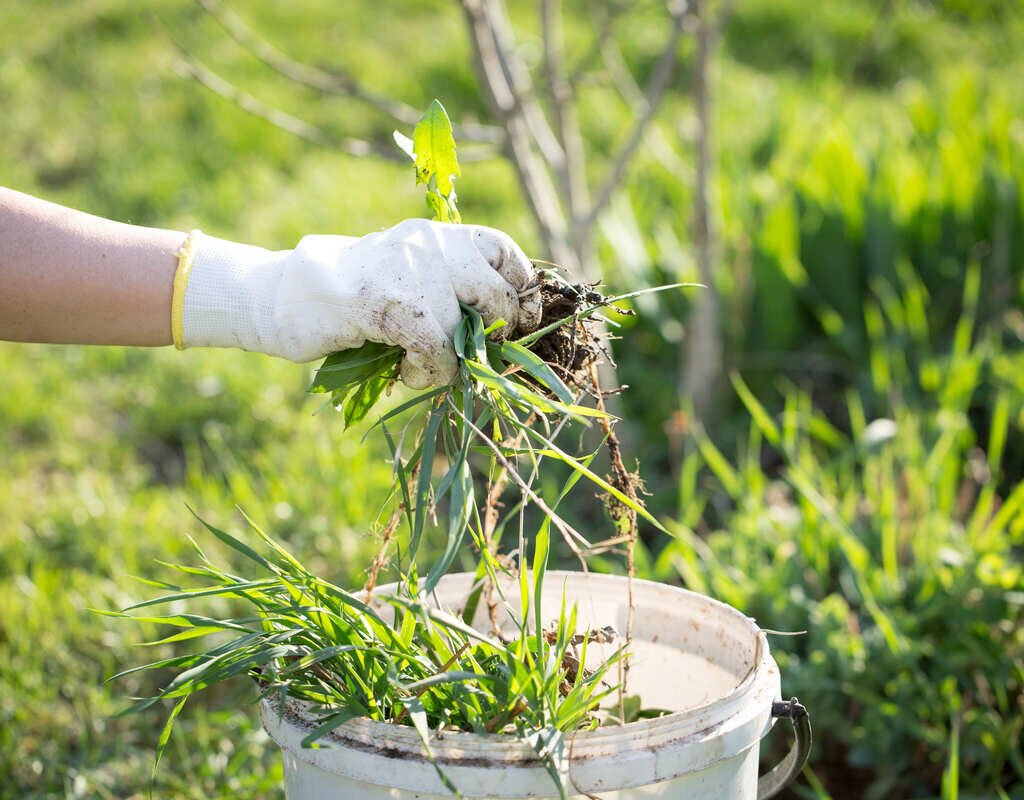
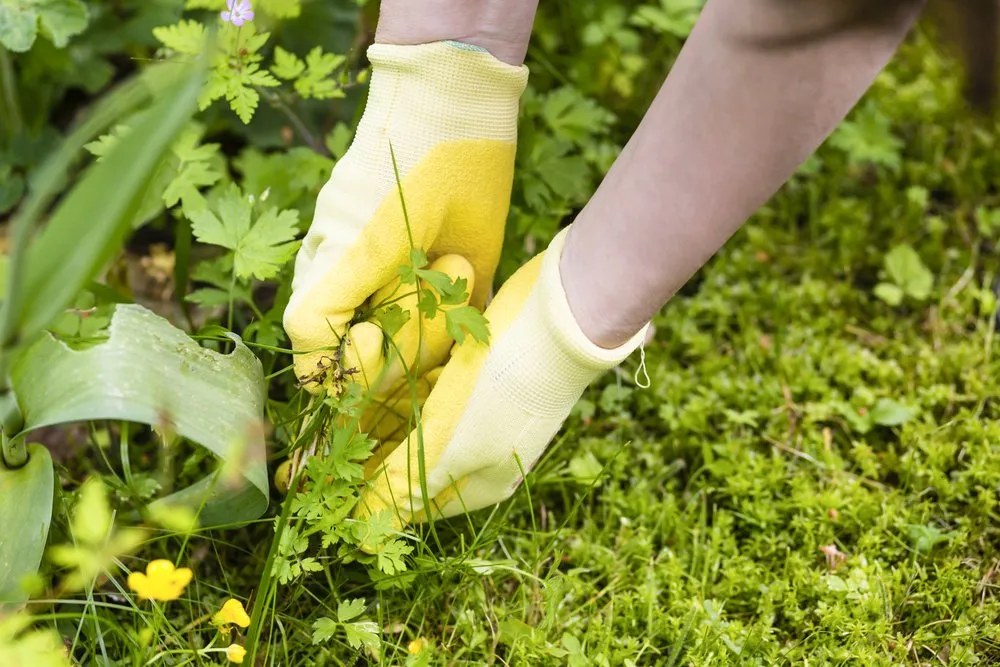
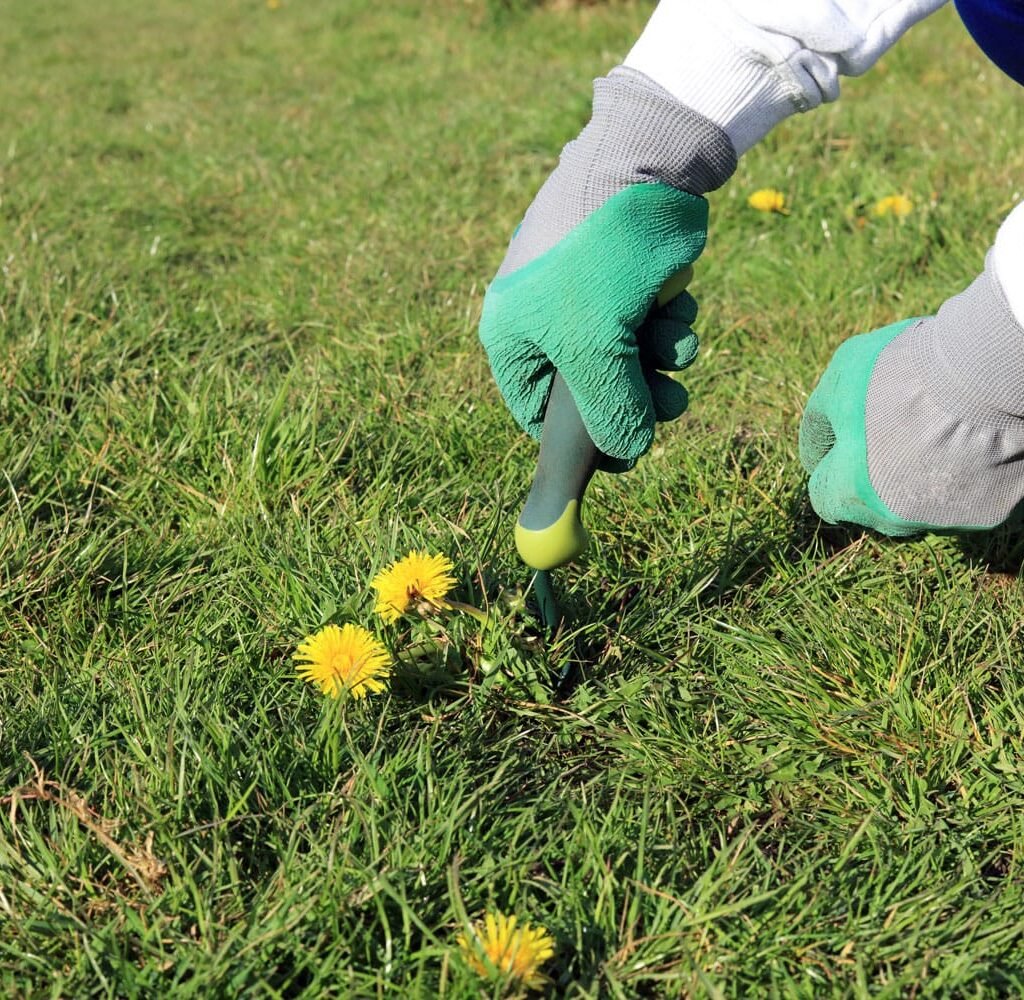
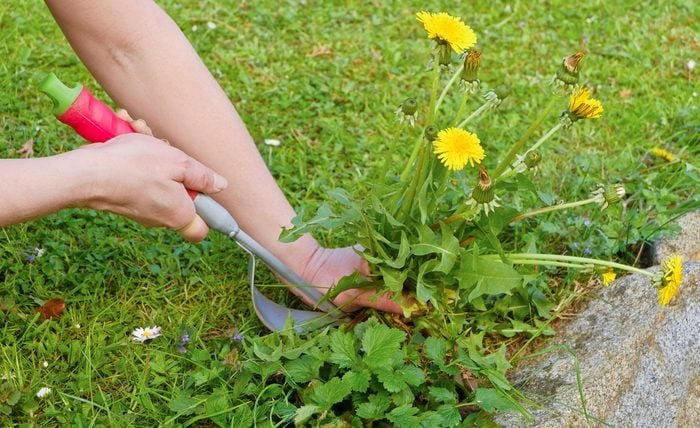
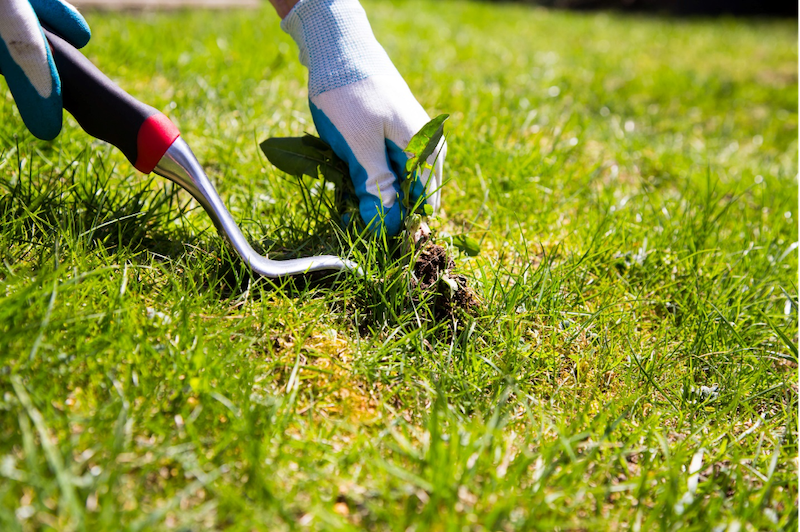
- Hand Pulling: For small areas or isolated weeds, pulling them by hand (with the roots) is often the easiest and most effective solution.
- Selective Herbicides: If you have persistent weed issues like dandelions, clover, or plantain, use a selective post-emergent herbicide that targets weeds without harming your grass.
- Maintain Lawn Edges: Keep the edges of your lawn clean and well-trimmed to prevent invasive weeds from creeping in.
A little effort each week can prevent big problems later in the season.
Bonus Tip: Cover Bare Soil Quickly
Whenever you dig, renovate, or disturb your lawn, be sure to cover the soil as soon as possible. Whether it’s with mulch, seed, or sod—bare ground is an open invitation for weeds.
In garden beds, use landscape fabric or mulch to keep weeds down. In lawns, overseed or patch as soon as possible to prevent weeds from invading those spaces.
Seasonal Lawn Weed Prevention Calendar
Here’s a simplified breakdown of what to do and when:

| Season | Action |
|---|---|
| Spring | Apply pre-emergent, mow high, overseed thin areas, fertilize lightly |
| Summer | Water deeply, mow frequently, inspect regularly, spot-treat weeds |
| Fall | Overseed, fertilize, aerate, apply fall pre-emergent (if needed) |
| Winter | Rake debris, minimize soil disturbance, plan for spring |
Final Thoughts
The best way to deal with weeds is to prevent them from ever showing up. By focusing on lawn density, timely pre-emergent use, proper mowing, deep watering, and early intervention, you can create a lawn that’s naturally resistant to weed invasions.
Remember, a weed-free lawn isn’t achieved overnight. It takes consistent care and attention—but the payoff is worth it. A healthy lawn is not only more beautiful, but it’s also easier and less costly to maintain in the long run.
Start with one or two of these strategies and build from there. Over time, you’ll notice fewer weeds, thicker grass, and a greener, more vibrant lawn that your neighbors will admire—and envy.


Leave A Comment