
There’s something special about walking into a yard that feels alive no matter the season. While many trees lose their leaves in autumn, evergreen trees remain lush and green year-round, adding color, structure, and beauty even in the depths of winter. Whether you’re designing a low-maintenance garden, creating a privacy screen, or just want a splash of green during colder months, evergreens are your best allies.
Here’s a detailed guide to 12 trees that stay green all year long, complete with care tips, landscape uses, and reasons to grow them.
1. Eastern White Pine (Pinus strobus)
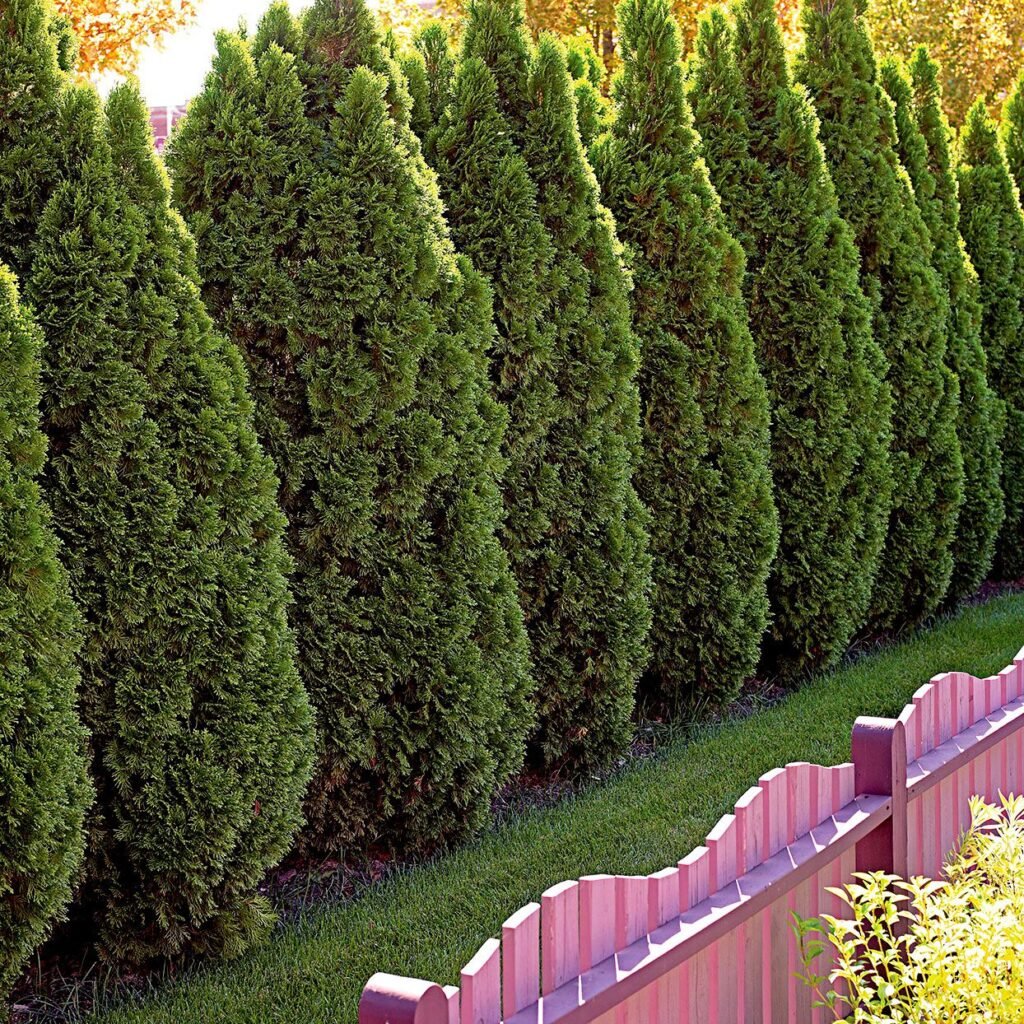
The Eastern White Pine is a classic choice for both large yards and natural landscapes. With its soft, bluish-green needles and tall, graceful form, it provides shade, wind protection, and habitat for wildlife.
- Height: 50–80 feet
- Best for: Large properties, windbreaks, wildlife cover
- Care tip: Prefers well-drained, slightly acidic soil and full sun.
2. Leyland Cypress (Cupressus × leylandii)
One of the fastest-growing evergreen trees, Leyland Cypress is popular for creating privacy hedges or screens. Its dense, feathery foliage grows quickly, making it a go-to for blocking unwanted views.
- Height: 60–70 feet (but can be pruned for hedges)
- Best for: Quick privacy, noise reduction
- Care tip: Needs full sun and regular watering when young.
3. American Holly (Ilex opaca)
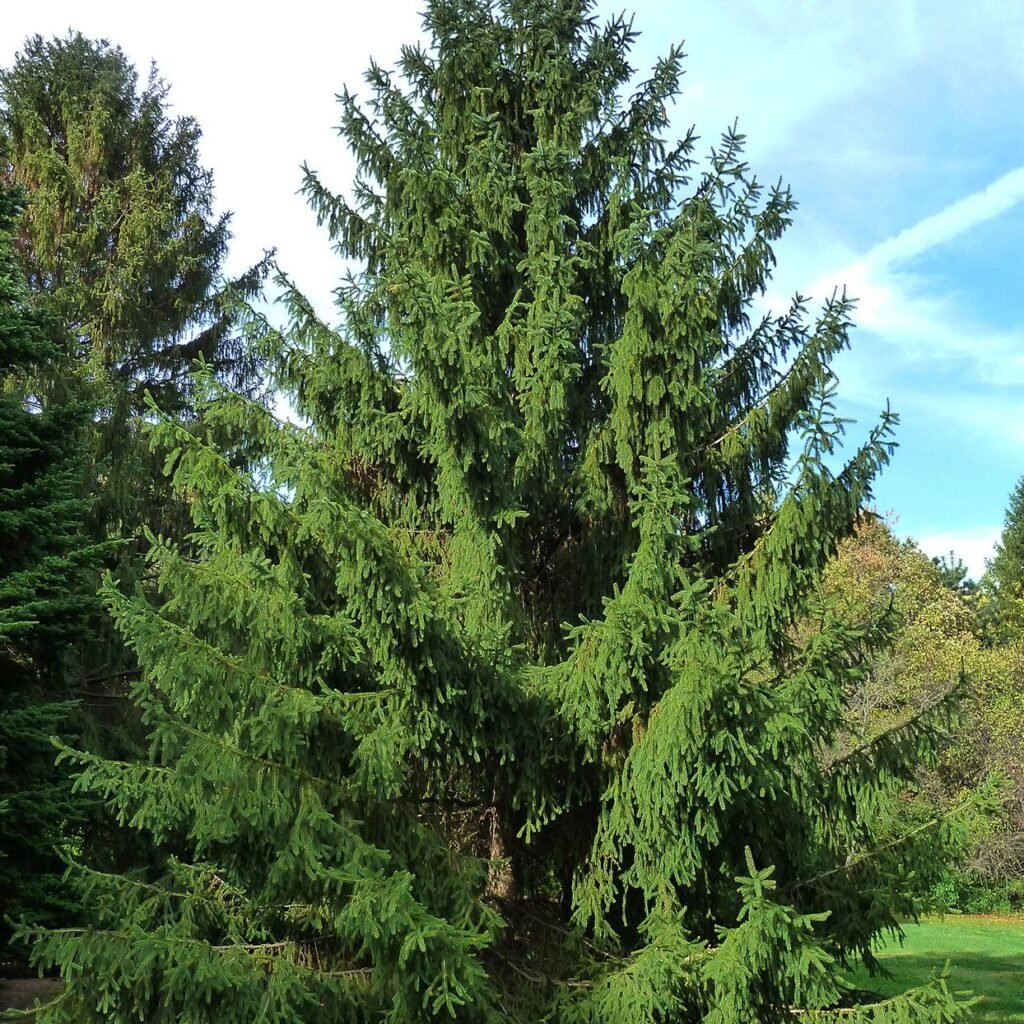
Known for its glossy green leaves and bright red berries, American Holly adds festive cheer to winter landscapes. It’s a slow grower but highly ornamental.
- Height: 15–30 feet
- Best for: Decorative accents, wildlife-friendly yards
- Care tip: Plant a male and female tree nearby for berry production.
4. Southern Magnolia (Magnolia grandiflora)
This iconic Southern tree is admired for its large, glossy leaves and fragrant white blooms. Unlike deciduous magnolias, this variety holds onto its leaves year-round.
- Height: 60–80 feet
- Best for: Statement tree, shade
- Care tip: Thrives in warm, humid climates with rich soil.
5. Blue Spruce (Picea pungens)
The Blue Spruce stands out with its striking silvery-blue needles, making it one of the most decorative evergreens. It’s cold-hardy and often used in landscapes as a focal point.
- Height: 50–75 feet
- Best for: Cold climates, ornamental planting
- Care tip: Needs well-drained soil and full sun; avoid hot, dry regions.
6. Douglas Fir (Pseudotsuga menziesii)
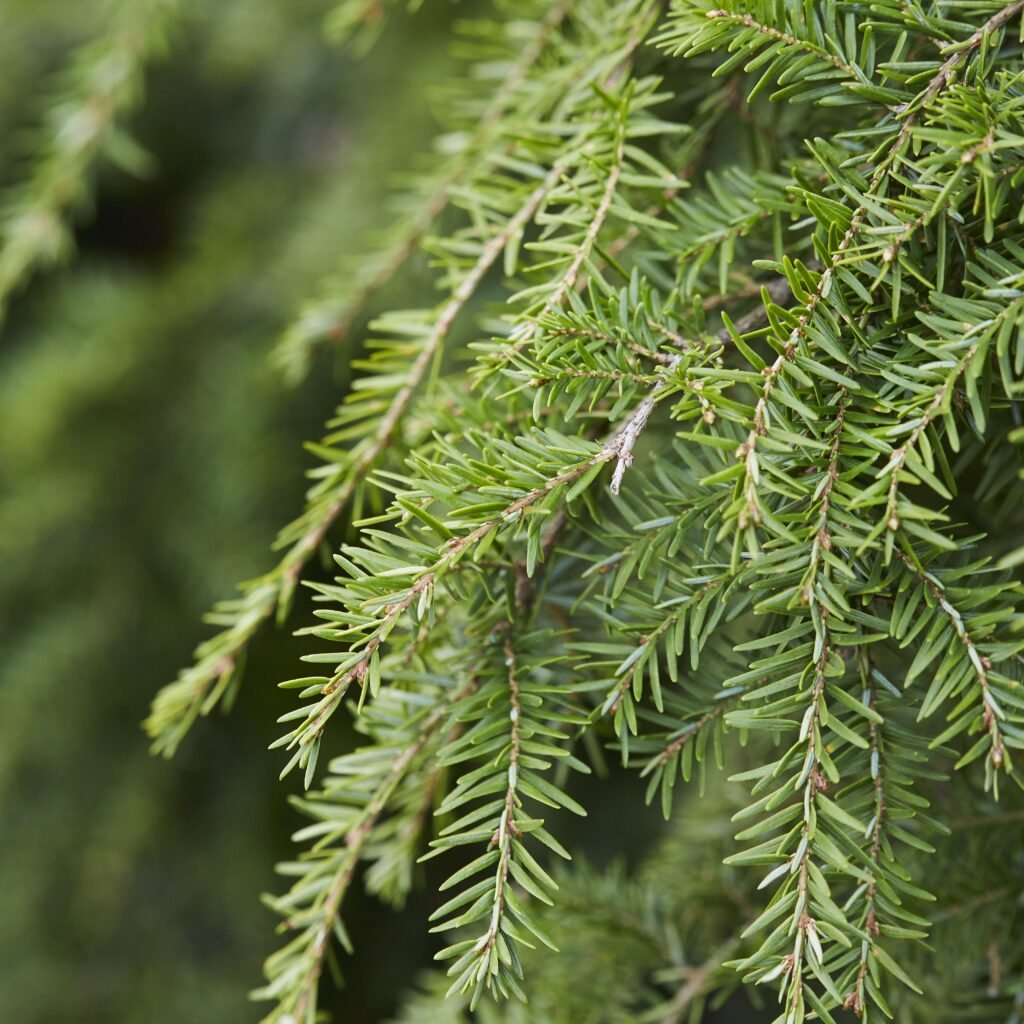
Famous as a Christmas tree, the Douglas Fir also makes a wonderful landscape tree. Its soft needles and upright form add texture and greenery year-round.
- Height: 40–80 feet
- Best for: Large yards, seasonal décor
- Care tip: Grows best in cooler climates with consistent moisture.
7. Arborvitae (Thuja occidentalis)
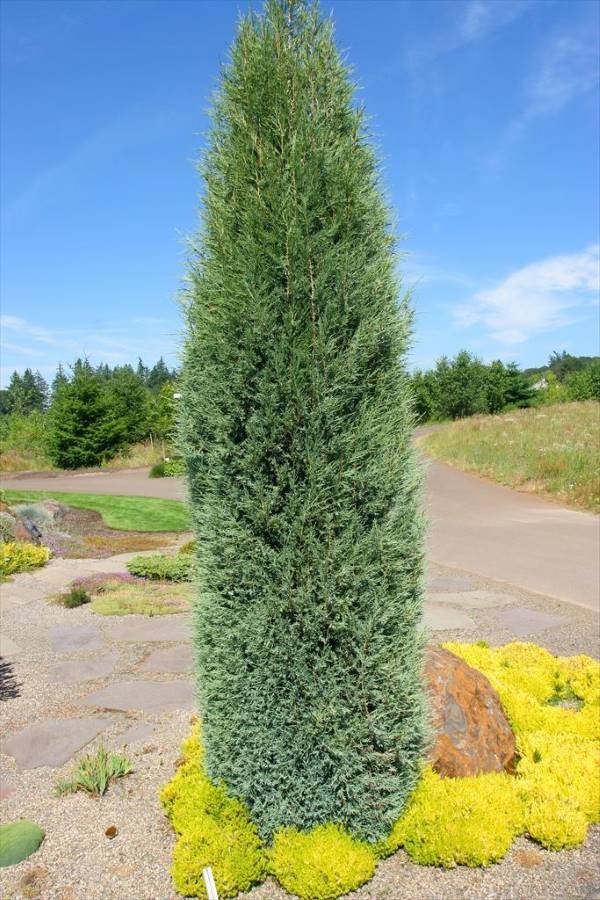
Arborvitae is one of the most popular choices for hedges and privacy screens. With its dense, columnar form, it creates a natural fence while staying green throughout the year.
- Height: 10–30 feet (varies by cultivar)
- Best for: Privacy, borders
- Care tip: Space trees properly to avoid overcrowding and disease.
8. Eucalyptus (Eucalyptus spp.)
For warmer regions, eucalyptus offers fragrant, evergreen foliage. Its silvery leaves and fast growth make it an attractive option for modern landscapes.
- Height: 30–60 feet (varies widely by species)
- Best for: Warm climates, fragrant gardens
- Care tip: Requires well-drained soil and plenty of sun.
9. Italian Cypress (Cupressus sempervirens)
These tall, slender trees bring Mediterranean elegance to any yard. Italian Cypress is ideal for lining driveways or creating a dramatic vertical accent.
- Height: 40–60 feet
- Best for: Formal gardens, architectural accents
- Care tip: Thrives in warm, dry climates with minimal pruning.
10. Live Oak (Quercus virginiana)
Unlike many oaks, Live Oak keeps its leaves year-round in warmer climates. Its sprawling branches and dense canopy make it one of the most majestic evergreen trees in the U.S.
- Height: 40–80 feet
- Best for: Shade, historic-style landscapes
- Care tip: Needs space to spread—avoid small yards.
11. Camphor Tree (Cinnamomum camphora)
Native to Asia but widely grown in warmer parts of the world, the Camphor Tree has glossy leaves and a spicy fragrance when crushed.
- Height: 40–60 feet
- Best for: Shade, aromatic gardens
- Care tip: Plant in frost-free zones; invasive in some regions, so check local regulations.
12. Juniper (Juniperus spp.)
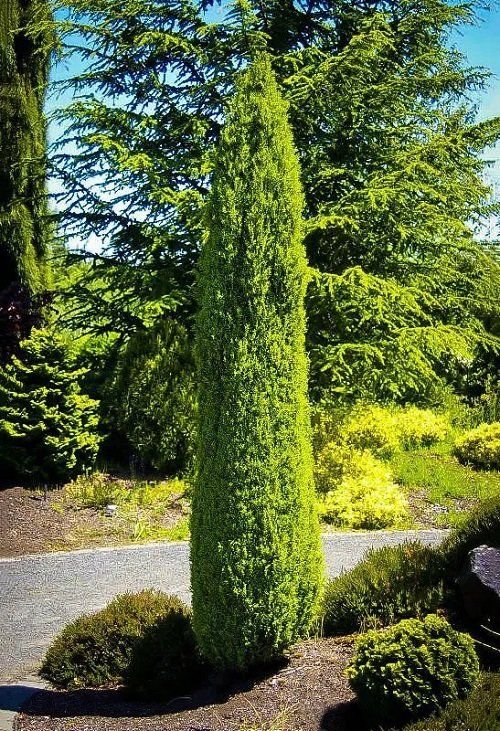
Junipers come in many forms—from tall trees to ground-hugging shrubs—but certain species like Rocky Mountain Juniper or Eastern Red Cedar make excellent evergreen trees.
- Height: 20–50 feet (depending on species)
- Best for: Versatile landscaping, drought-tolerant yards
- Care tip: Extremely hardy and low-maintenance; great for poor soils.
Tips for Growing Evergreen Trees Successfully
- Match the tree to your climate: Some evergreens thrive in cold regions, others in heat. Always check USDA Hardiness Zones.
- Plan for size: Many evergreens grow quite tall and wide—plant with mature size in mind.
- Water wisely: Young trees need consistent watering until established; afterward, most evergreens are fairly drought-tolerant.
- Prune carefully: Shape hedges and remove dead branches, but avoid over-pruning.
- Protect from pests: Keep an eye out for scale, mites, and fungal diseases.
Final Thoughts
Evergreen trees provide beauty, privacy, and a sense of life through every season. From the stately Live Oak to the slender Italian Cypress, there’s an evergreen suited for every yard style and climate. By choosing the right species for your location and caring for them properly, you can enjoy a vibrant green backdrop 365 days a year.

If you’re looking to add year-round charm to your landscape, consider planting one—or several—of these enduring trees. They’ll reward you with shade, color, and character for decades to come.

Leave A Comment