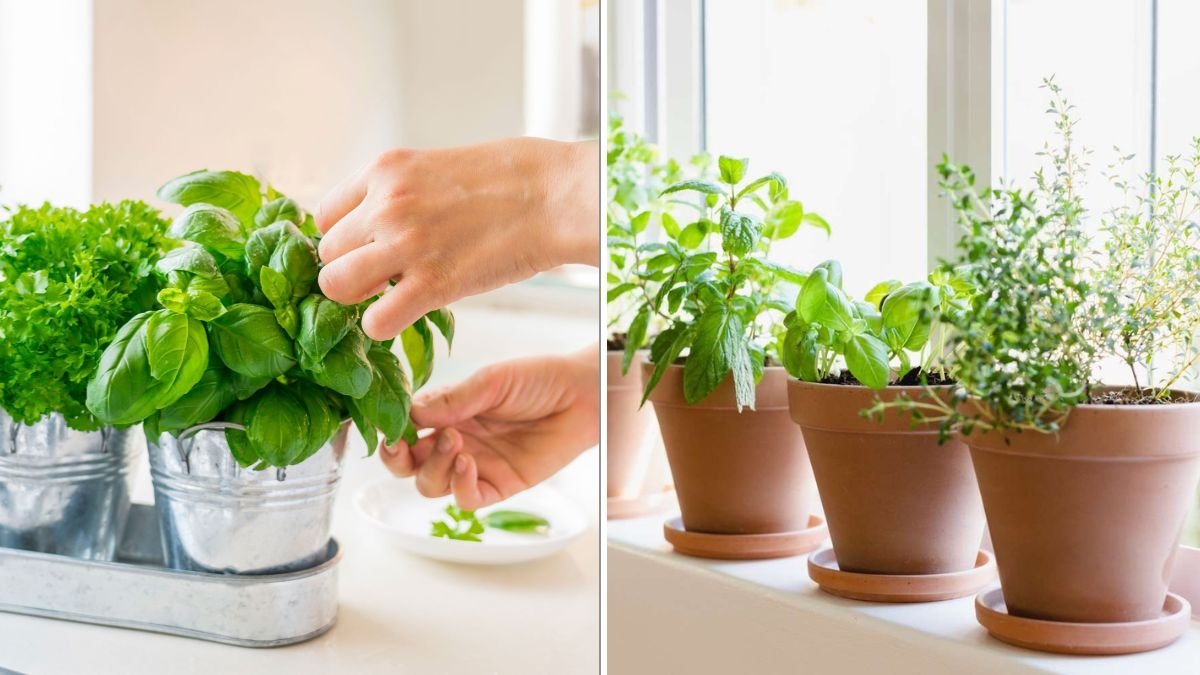
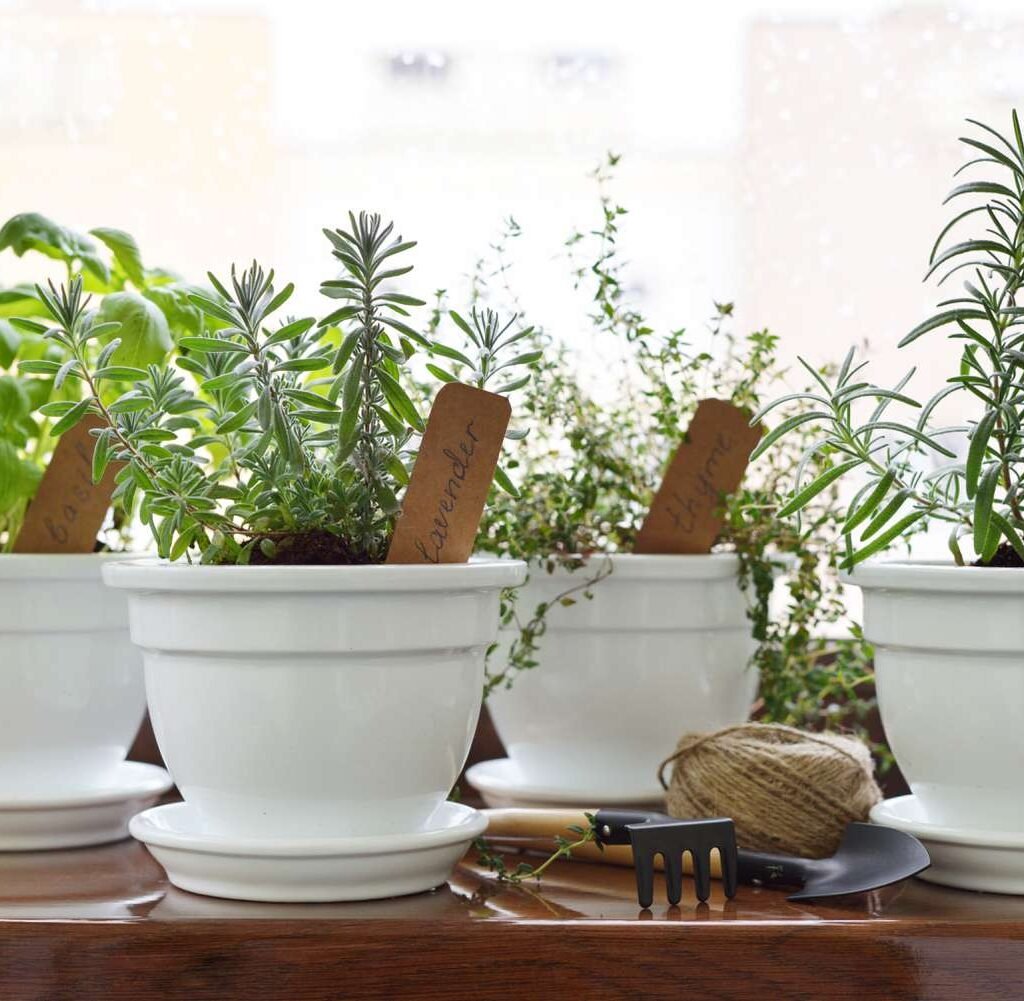
Imagine this: a row of vibrant green herbs basking in sunlight, right on your kitchen windowsill. You reach out, snip a few fresh leaves of basil or thyme, and toss them straight into your cooking — no trip to the grocery store, no wilted bunches in plastic bags.
Growing herbs indoors isn’t just convenient — it’s beautiful, aromatic, and surprisingly easy when you choose the right plants. The secret? Sunlight.
A sunny windowsill can provide just the right environment for many popular culinary herbs. If your window gets at least 6 hours of direct sunlight per day, you can grow a mini herb garden that thrives year-round.
Let’s look at 10 herbs that absolutely love a sunny windowsill, along with expert tips to help them flourish indoors.
What Makes A Windowsill “Sunny Enough”
Before diving into the herbs, let’s understand light requirements.
- Full sun = 6–8 hours of direct sunlight daily.
- Partial sun = 3–5 hours of sunlight.
The best indoor spots are south- or west-facing windows, where plants receive bright light most of the day. If you live in a colder or darker region, you can supplement with LED grow lights to mimic sunlight.
Keep in mind that glass can slightly filter UV rays, so even sun-loving herbs may need occasional rotation or extra light exposure.
1. Basil
Sunlight: 6–8 hours of direct sunlight
Water: Keep soil consistently moist but not soggy
Temperature: 70–80°F (21–27°C)
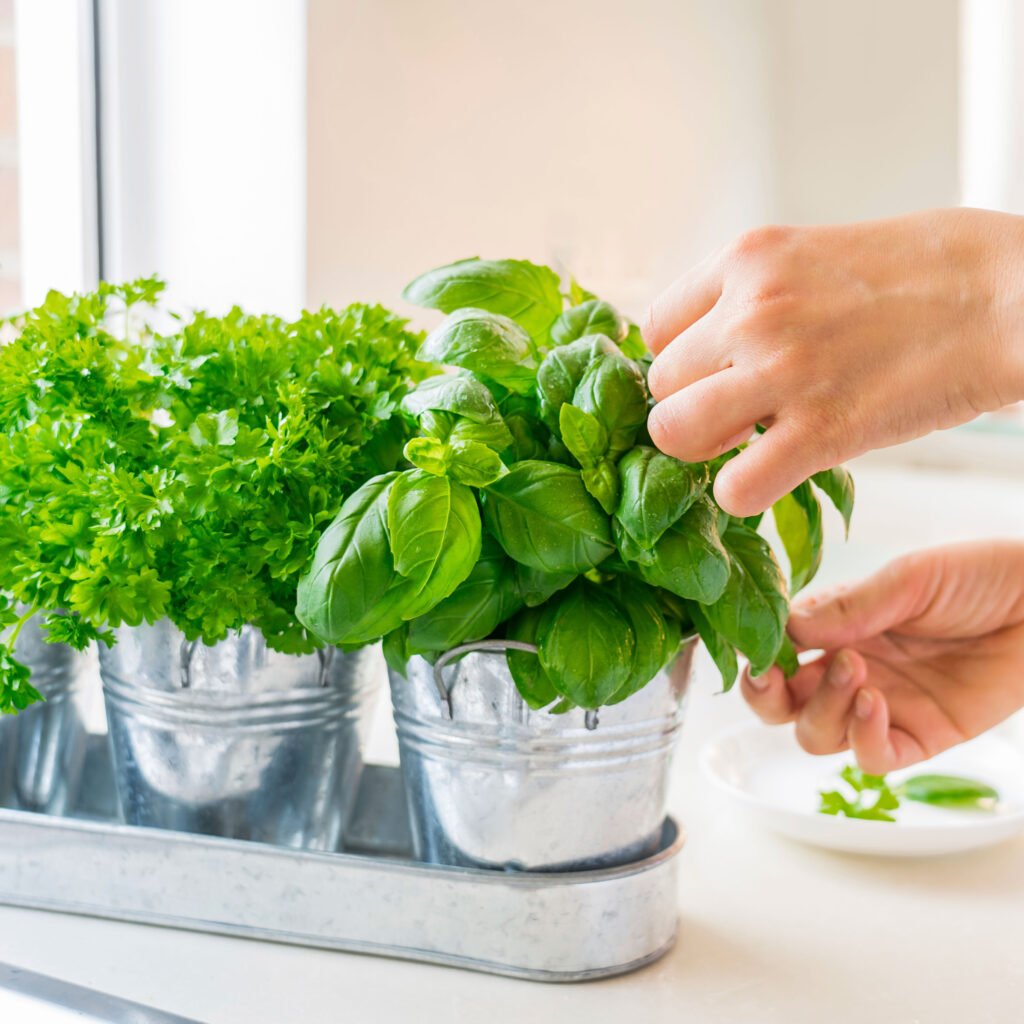
Basil is one of the most popular herbs to grow indoors — and for good reason. It loves warmth and sunlight, making it perfect for a bright windowsill.
Start basil from seed or a small nursery plant in a 6-inch pot with good drainage. Rotate the pot every few days so all sides receive light evenly.
Pro tip: Pinch off the top leaves regularly to encourage bushy growth and prevent flowering, which can make the leaves bitter.
Use it in: Pasta sauces, salads, pesto, or infused oils.
Basil thrives near a kitchen window where it can soak up warmth from cooking and sunlight.

2. Rosemary
Sunlight: 6–8 hours daily
Water: Allow soil to dry slightly between waterings
Temperature: 60–75°F (16–24°C)
Rosemary’s pine-like fragrance and evergreen appearance make it both decorative and practical. It prefers bright light and drier conditions, so a south-facing window is ideal.
Because rosemary’s roots are prone to rot, use a well-draining soil mix (add sand or perlite) and a pot with drainage holes.
Pro tip: Brush your hand gently over the plant daily — the oils released enhance flavor and fragrance while also helping air circulation around the plant.
Use it in: Roasted vegetables, bread, soups, and marinades.
The more sun rosemary gets, the stronger its flavor becomes.
3. Thyme
Sunlight: 6+ hours
Water: Moderate; let soil dry between waterings
Temperature: 65–75°F (18–24°C)
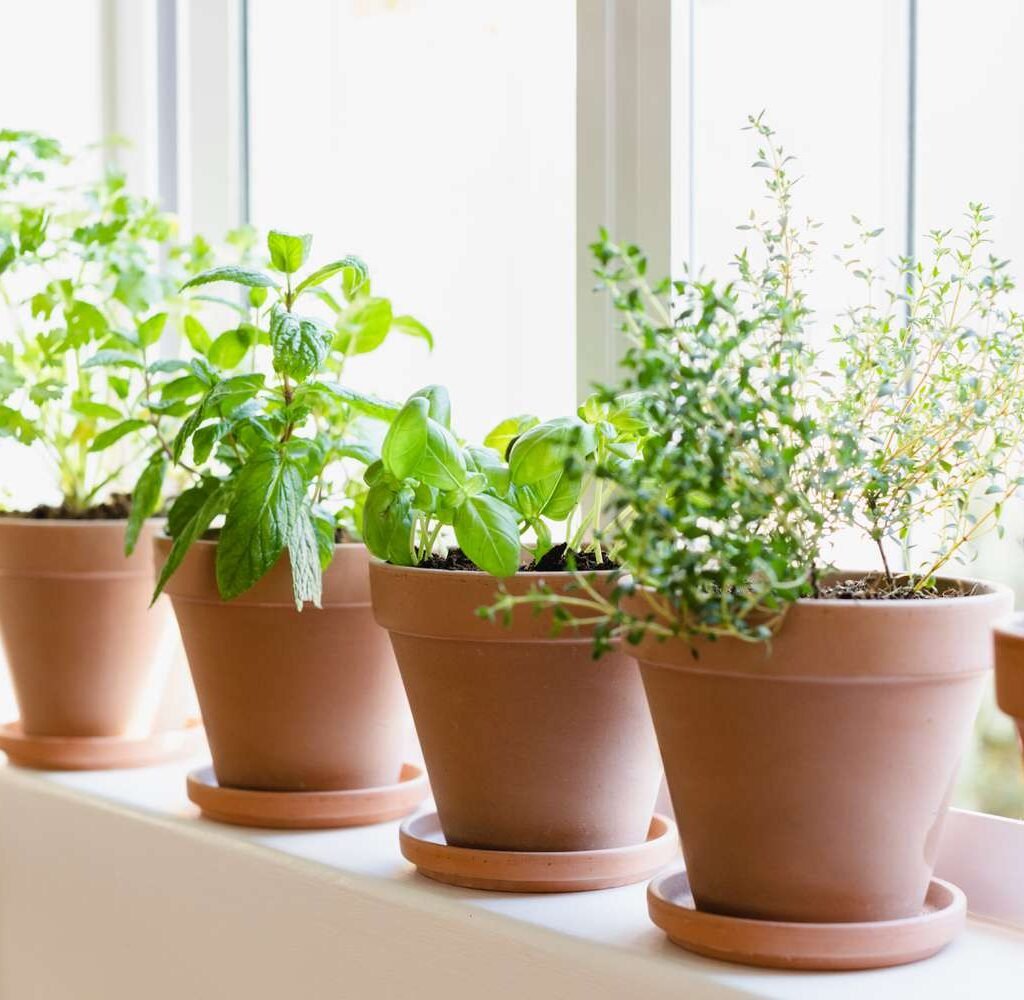
Thyme is one of the most forgiving herbs to grow indoors. It’s compact, drought-tolerant, and loves the dry air typical of heated homes in winter.
Grow thyme from seed, cuttings, or starter plants. Place near a sunny window and prune regularly to encourage dense, bushy growth.
Pro tip: Harvest thyme just before it flowers for maximum flavor.
Use it in: Roasted meats, stews, and vegetable dishes.
Thyme can double as a decorative trailing plant — perfect for hanging planters near windows.
4. Oregano
Sunlight: 6–8 hours of sun
Water: Moderate; don’t overwater
Temperature: 65–80°F (18–27°C)

Native to the Mediterranean, oregano thrives in warmth and bright light. In fact, more sun means more concentrated flavor.
Oregano grows well in shallow containers and pairs beautifully with other Mediterranean herbs like basil and thyme. Trim stems often to promote new growth.
Pro tip: Oregano prefers poor, well-draining soil — don’t overfeed with fertilizer, or the flavor will weaken.
Use it in: Pizza, pasta, and tomato-based sauces.
Oregano’s bold aroma makes your kitchen smell like an Italian restaurant all year long.
5. Chives
Sunlight: 4–6 hours (tolerates less light than most herbs)
Water: Keep soil slightly moist
Temperature: 60–70°F (16–21°C)
If your windowsill doesn’t get full sun all day, chives are the perfect choice. They’re resilient, low-maintenance, and add a mild onion-like flavor to any dish.
Grow from seed or small clumps. Cut leaves close to the base to encourage regrowth.
Pro tip: Trim regularly — older leaves can turn tough.
Use it in: Eggs, soups, baked potatoes, and salads.
Chives also produce beautiful purple flowers that are edible and mildly sweet.
6. Mint
Sunlight: 4–6 hours; prefers morning sun
Water: Keep soil moist but not waterlogged
Temperature: 60–70°F (16–21°C)
Mint is an easy, fast-growing herb that can brighten any windowsill — but be warned: it spreads aggressively! Always grow mint in its own pot to prevent it from overtaking your other herbs.

Keep mint in partial sun, such as an east-facing window, to prevent scorching.
Pro tip: Pinch tips often to prevent leggy growth and encourage a fuller shape.
Use it in: Teas, desserts, and cocktails like mojitos or mint lemonade.
Mint’s fresh scent naturally repels pests and freshens up indoor air.
7. Sage
Sunlight: 6–8 hours daily
Water: Let soil dry between waterings
Temperature: 65–75°F (18–24°C)
Sage is another Mediterranean favorite that thrives in bright light and low humidity. It’s a sturdy herb with soft, velvety leaves that can handle indoor conditions beautifully.
Grow sage from a small cutting or nursery plant rather than seed—it establishes faster.
Pro tip: Avoid overwatering; soggy roots can kill sage. Prune often to keep the plant from getting woody.
Use it in: Stuffing, sauces, and butter-based dishes.
Sage also produces lovely purple blooms if you let it mature indoors.
8. Parsley
Sunlight: 5–6 hours
Water: Keep soil consistently moist
Temperature: 60–75°F (15–24°C)
Parsley grows well indoors when it has enough light and moisture. Flat-leaf (Italian) parsley has a stronger flavor than curly varieties and is often preferred for cooking.
Start from seed (it germinates slowly—soak seeds overnight before planting). Rotate pots often so all sides get sunlight.

Pro tip: Harvest outer leaves first to allow new ones to grow from the center.
Use it in: Soups, salads, sauces, and garnishes.
Parsley brightens up your kitchen with its lush green foliage — and your meals with a burst of freshness.
9. Dill
Sunlight: 6+ hours of sunlight
Water: Keep soil evenly moist
Temperature: 60–70°F (15–21°C)
Dill’s feathery leaves and tangy aroma make it a beautiful addition to a sunny windowsill. It’s a fast-growing annual that thrives in full light but doesn’t like being transplanted, so start it directly in its pot.
Pro tip: Pinch off flower buds to prolong leaf growth. Once dill blooms, the leaves become less flavorful.
Use it in: Pickles, sauces, and seafood dishes.
Dill’s tall, delicate fronds sway beautifully in the sunlight — like a little garden forest on your windowsill.
10. Cilantro
Sunlight: 4–6 hours (morning or indirect sun best)
Water: Moderate; keep soil slightly moist
Temperature: 50–70°F (10–21°C)
Cilantro prefers cooler temperatures, so it’s perfect for a bright but not overly hot windowsill. In too much direct sun, it may bolt (flower) prematurely.
Sow seeds every few weeks for a constant harvest — cilantro grows fast but has a short lifespan.
Pro tip: When it bolts, let some plants go to seed — the seeds are coriander!
Use it in: Salsa, curries, soups, and salads.

Cilantro adds a fresh, citrusy note to your indoor herb collection.
Bonus Tips For A Thriving Windowsill Herb Garden
1. Rotate Pots Regularly
Turn your herb pots every few days so they grow evenly toward the light.
2. Use Well-Draining Soil
Herbs dislike “wet feet.” Use a high-quality potting mix with perlite or sand for drainage.
3. Water Smartly
Check soil moisture before watering. Stick your finger an inch deep—if it feels dry, water thoroughly and allow excess to drain.
4. Feed Occasionally
Use a diluted liquid fertilizer every 4–6 weeks to replenish nutrients, especially for herbs grown long-term in containers.
5. Prune Often
Regular harvesting keeps herbs from becoming leggy and encourages new growth.
6. Supplement Light in Winter
If daylight shortens, use grow lights for 10–12 hours daily to keep herbs strong and flavorful.
Final Thoughts
A sunny windowsill is more than just a ledge — it’s a mini garden waiting to happen. With the right herbs, a bit of light, and consistent care, you can grow an indoor herb garden that’s as beautiful as it is functional.
Basil, rosemary, thyme, oregano, chives, mint, sage, parsley, dill, and cilantro are all herbs that not only survive but thrive in a bright indoor setting. Together, they’ll bring color, fragrance, and fresh flavor to your kitchen year-round.
So grab a few pots, find that perfect sun-drenched spot, and start growing your own little garden of green goodness. You’ll soon discover that the best garnish for any meal is the one you grew yourself.

Leave A Comment