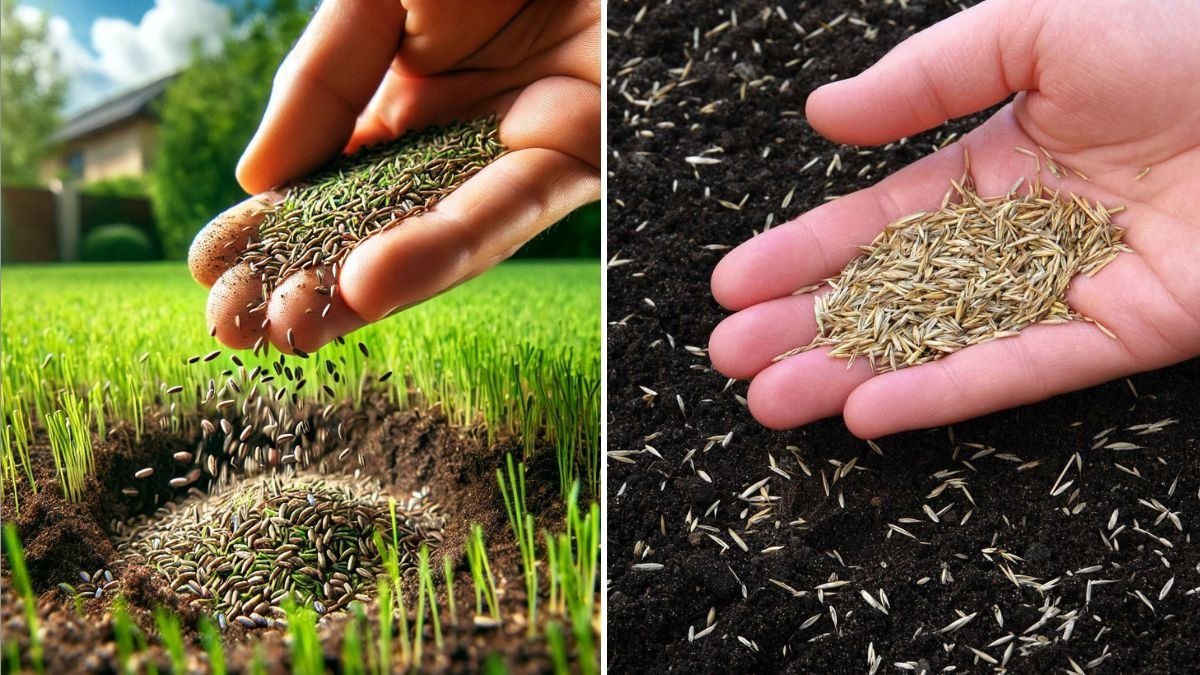
Is your lawn looking thin, patchy, or worn out after the stress of summer? Fall is often the ideal time to breathe new life into your turf by overseeding. Done properly, overseeding helps your lawn recover, build density, and prepare for the next growing season. But to succeed, you have to get the timing, preparation, seed choice, and care just right.
Here’s a comprehensive, step‑by‑step guide to overseeding your lawn this fall — without the guesswork.

Why Fall Is the Best Time to Overseed
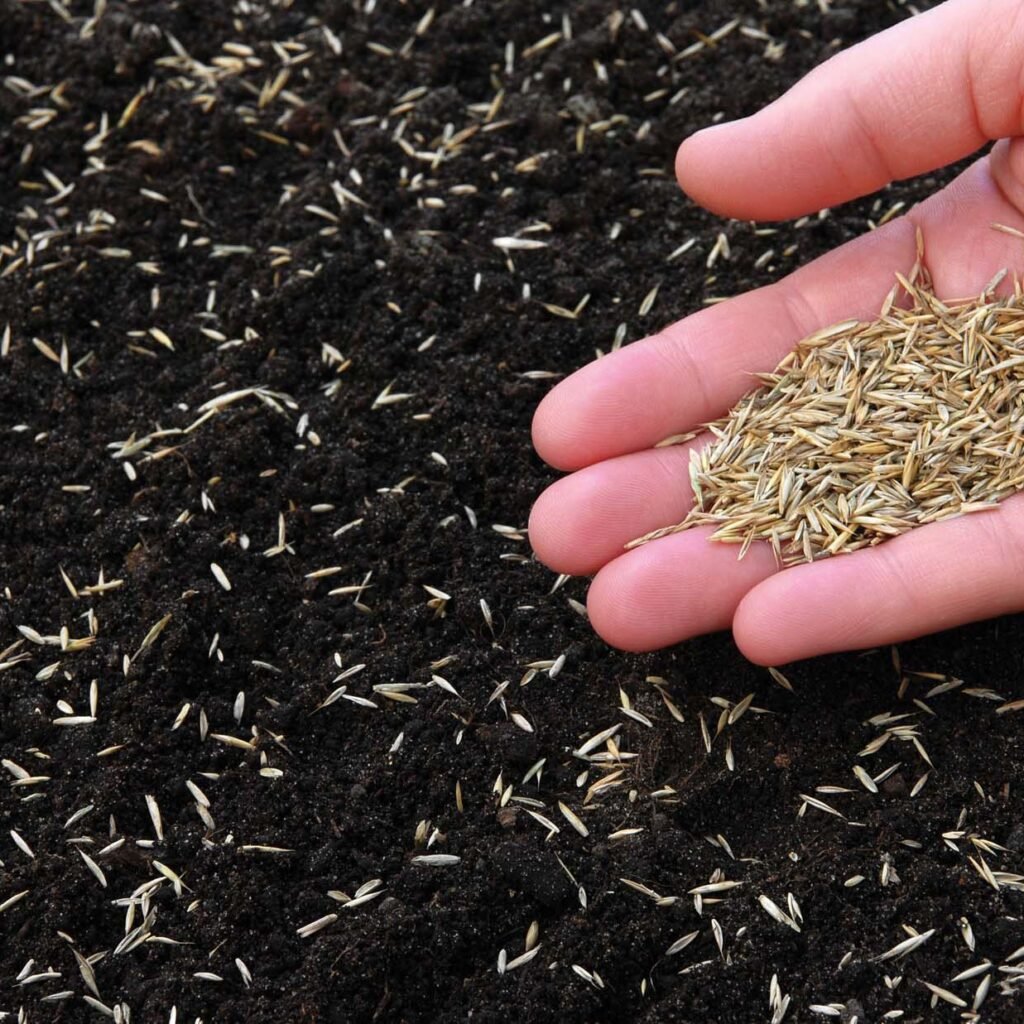
There’s a reason many lawn care experts target fall for overseeding:
- Cooler air + warm soil = ideal conditions
As summer heat fades, daytime temperatures moderate and overnight lows drop. Meanwhile, the soil retains enough warmth from preceding months, which encourages seed germination. This balance of soil warmth and crisp air favors new grass growth. - Less competition from weeds
Much of the weed pressure that plagues lawns in spring and summer wanes in fall. The seeds you sow have a better chance to establish without being crowded out by fast-growing weeds. - More natural moisture
Seasonal rainfall and increased dew help maintain the soil moisture levels that seedlings need. You won’t have to work as hard to water. - A head start before winter
If you sow early enough in fall, your new grass has weeks to root and thicken before frost hits. That strong root base helps it survive winter stress and flourish in spring.
Step 1: Timing Is Key
Overseeding too early or too late can affect results. The best timing depends on your climate and grass type.

- For cool‑season grasses (like fescue, Kentucky bluegrass, or ryegrass), the ideal window is late August through early October, before the first frost.
- For warm‑season grasses, overseeding is less common. If done, it’s usually later in fall using a cool‑season grass as a temporary winter cover.
- Allow at least 4 to 8 weeks before the first hard frost so new grass can establish roots.
- Confirm soil temperatures are suitable for germination (generally between 50–65°F for cool-season grasses).
Step 2: Prepare Your Lawn
Preparation is crucial to give new grass seed the best chance to germinate and thrive.
A. Mow Short & Clear the Surface
- Mow the lawn shorter than usual to help seeds reach the soil.
- Remove grass clippings, leaves, and debris to avoid blocking seed-to-soil contact.
B. Dethatch & Aerate (If Needed)
- If your lawn has a thick thatch layer (more than ½ inch), dethatch to prevent it from blocking seed.
- Core aeration is recommended for compacted soils — it pulls out plugs, allowing air, water, and seed to penetrate more easily.
C. Repair Bare or Thin Spots
- Rake or loosen compacted soil in bare areas.
- Topdress with a light layer of compost or quality topsoil for better germination conditions.
Step 3: Choose the Right Seed and Spread It Correctly
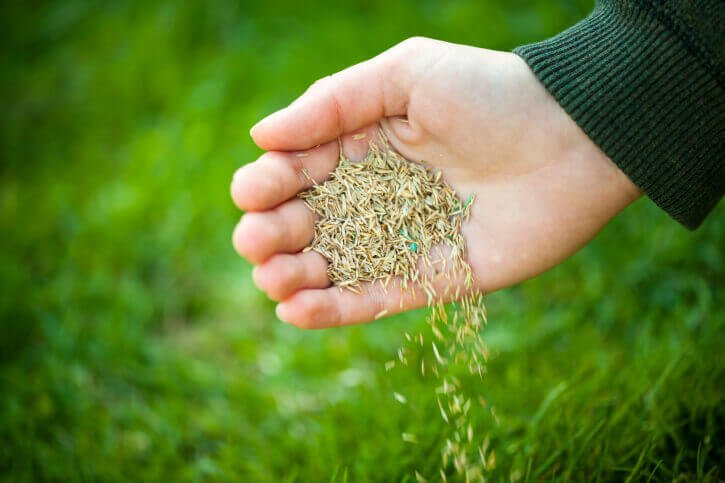
A. Select High-Quality Seed
- Match the seed type to your existing grass or use a blend designed for your region.
- Choose seed with high purity, a strong germination rate, and minimal weed seed.
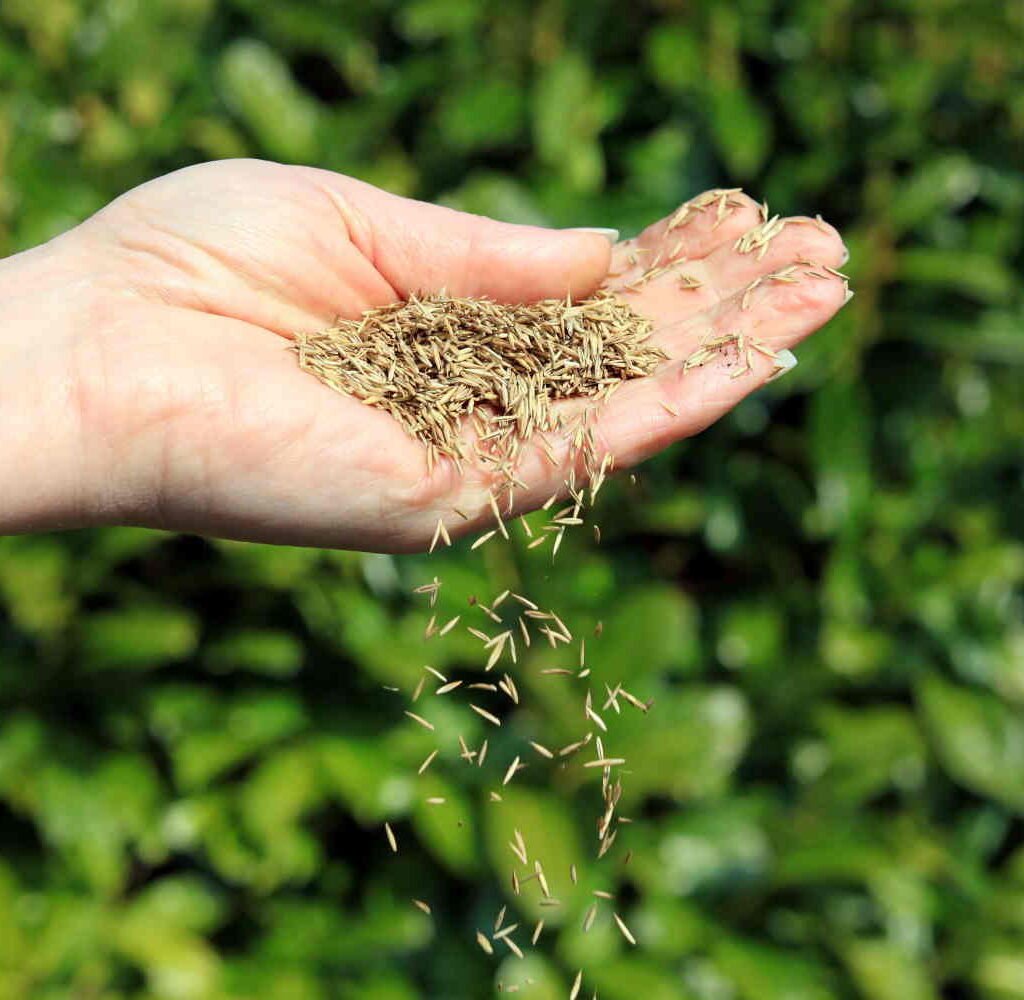
B. Spread Seed Evenly
- Use a broadcast or drop spreader for consistent coverage.
- Spread in two directions (north-south, then east-west) to ensure uniform distribution.
- Follow the recommended seeding rate on the bag — too much causes crowding, too little leaves bare spots.
C. Ensure Good Soil Contact
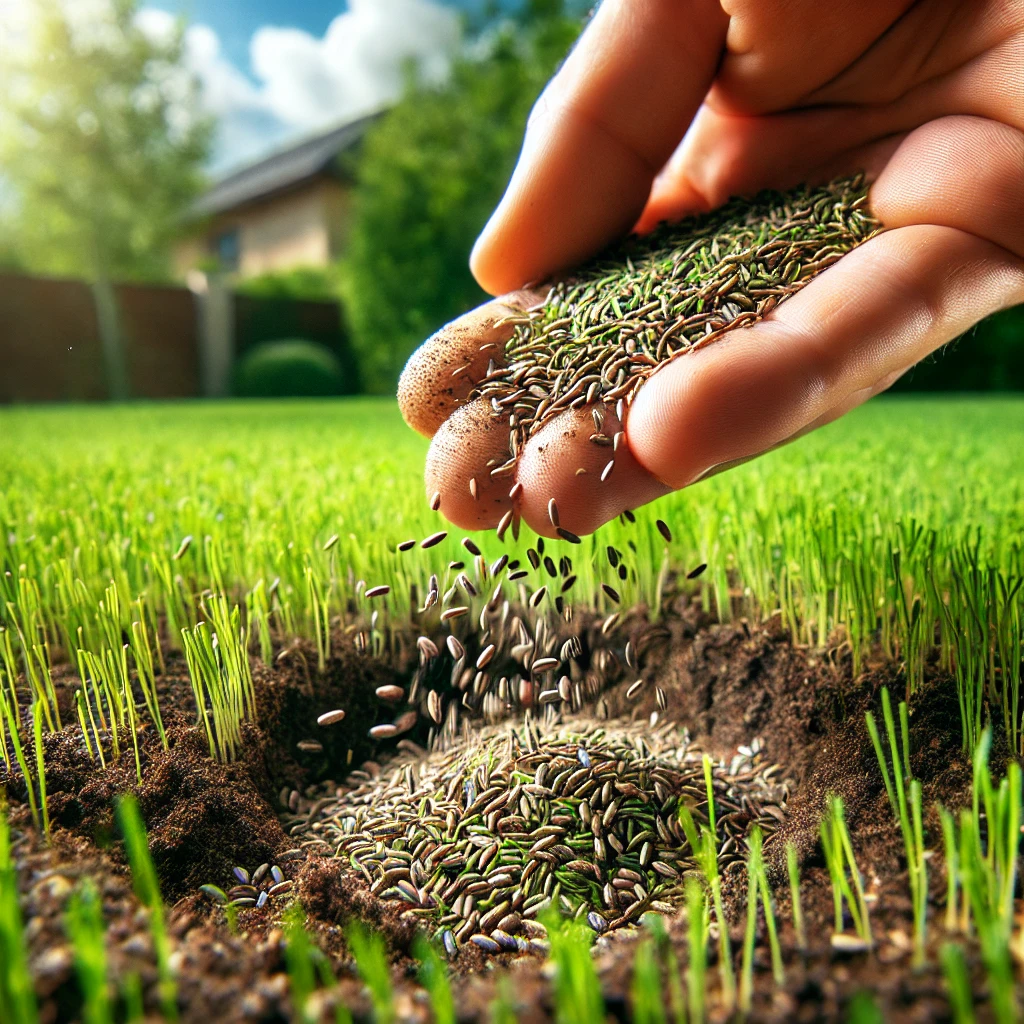
- Lightly rake the surface to work the seed into the topsoil.
- Optionally, use a lawn roller to gently press seed into the soil, but don’t compact it.
D. Apply Starter Fertilizer
- Use a starter fertilizer with phosphorus to encourage root development.
- Avoid weed-and-feed products or herbicides, which can harm new seedlings.
Step 4: Watering and Early Care
A. Keep Soil Moist for Germination
- Water lightly 1–2 times per day to keep the top inch of soil moist during germination.
- Avoid puddling or runoff; a fine mist works best.
B. Transition to Deeper Watering
- After seedlings are 1–2 inches tall, reduce watering frequency but increase duration.
- Water 2–3 times per week to encourage deeper root growth.
C. First Mow and Foot Traffic
- Wait until new grass is 3–4 inches tall before mowing.
- Use sharp blades and cut no more than one-third of the blade height.
- Minimize walking on newly seeded areas during the first few weeks.
Step 5: Ongoing Maintenance
Continue Proper Mowing and Watering
- Maintain a regular mowing schedule, adjusted for growth rate.
- Keep watering consistent, especially during dry spells.
Monitor for Weeds and Pests
- Hand-pull or spot-treat weeds after seedlings are established.
- Avoid applying herbicides until the lawn is at least 6–8 weeks old.
Fertilize as Needed
- Apply a balanced lawn fertilizer 4–6 weeks after overseeding to support continued growth.
Troubleshooting: Common Overseeding Mistakes
Here’s what to avoid if you want successful results:

- Seeding too late — young grass won’t have time to establish before winter.
- Using poor-quality seed — low germination rates and weed contamination can waste your effort.
- Skipping preparation — failing to dethatch, aerate, or rake results in poor seed contact.
- Over or under-watering — consistency is key during germination.
- Walking on new seedlings — this can crush delicate shoots before they root.
- Applying weed control too soon — many herbicides prevent seed from sprouting.
Quick Checklist for Fall Overseeding
- Mow low and bag clippings
- Dethatch or aerate if needed
- Rake bare spots and topdress with soil
- Spread high-quality seed evenly
- Rake lightly for seed-to-soil contact
- Apply starter fertilizer
- Water daily (light, frequent)
- Transition to deep watering after germination
- Wait until 3–4 inches to mow
- Avoid heavy traffic on new grass
Final Thoughts
Overseeding your lawn in the fall is one of the best investments you can make for a thick, green yard. Cooler temperatures, reduced weed pressure, and soil moisture all work together to support seed germination and establishment. But success depends on careful planning, proper preparation, and consistent care after planting.
Stick to this step-by-step approach, and you’ll be rewarded with a revitalized lawn come spring — denser, healthier, and more resilient.


Leave A Comment