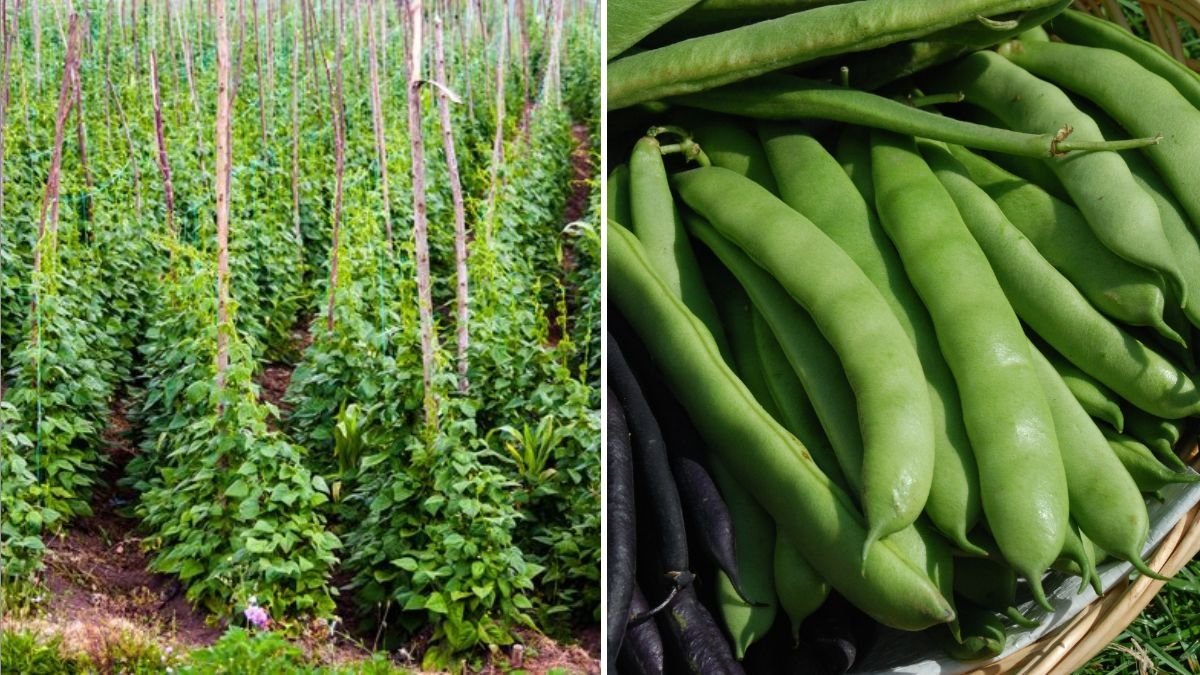
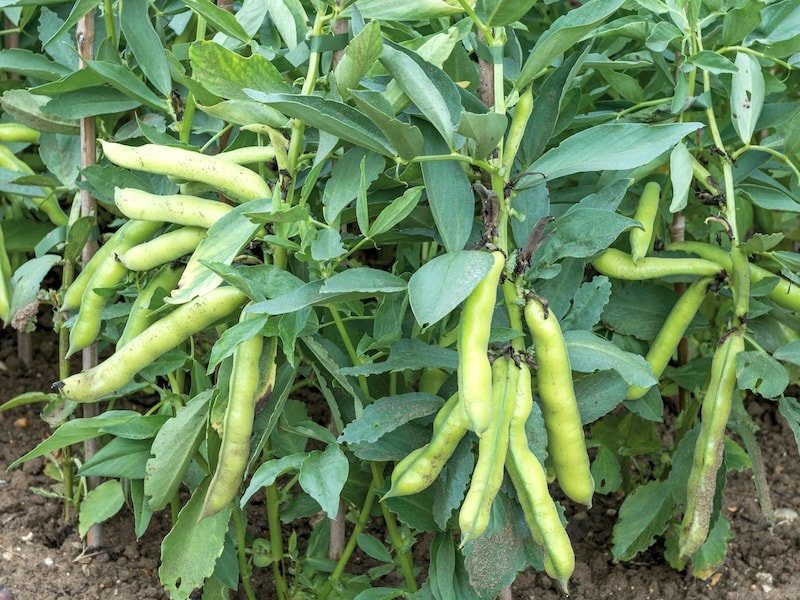
In a nation increasingly embracing plant-based protein and clean-eating culture, one humble legume is poised for a breakout moment: the fava bean (also known as the broad bean). With outstanding nutrition, a delightful texture, and surprising versatility in the kitchen, fava beans are becoming a go-to for health-conscious Americans. This article explores why you should consider adding them to your grocery list, how to pick and prepare them, and some of the tastiest ways to cook them.
Why Fava Beans Deserve “Superfood” Status
Nutrition at a Glance
One cooked cup of fava beans packs a remarkable nutrient punch: about 187 calories, 13 g of plant-based protein, 9 g of fiber, and rich amounts of folate, manganese, copper, phosphorus, magnesium, and iron. They also offer soluble fiber, which supports digestive and heart health, and are virtually free of saturated fat.
Heart and Circulation Perks
Because fava beans are rich in magnesium and potassium, they may help relax blood vessels and support healthy blood pressure. Added soluble fiber contributes to lowering “bad” LDL cholesterol as part of a balanced diet.
Weight-Management and Fullness
With their combination of fiber and protein, fava beans are a smart addition when you want to feel full longer and support lean eating habits without resorting to heavy meat-based proteins.
Immune, Bone, and Blood Health Benefits
- Folate: essential for healthy cell division and especially important for women.
- Manganese and copper: promote bone formation and strength.
- Iron: helps in the fight against anemia, particularly in vegetarian or plant-forward diets.
A Note on Special Considerations
If you have the genetic condition known as G6PD deficiency, consumption of fava beans can trigger “favism,” a type of hemolytic anemia. Also, fava beans contain anti-nutritional factors like vicine and convicine, but processing (soaking and cooking) reduces them significantly.
How to Buy, Prep, and Store Fava Beans
When and Where to Find Them
In the U.S., fresh fava beans are typically seasonal in spring (March through May). You can find them at farmers markets, specialty grocers, or upscale produce stands. Outside of the fresh season, dried or frozen versions are an excellent substitute.
How to Choose the Best Beans
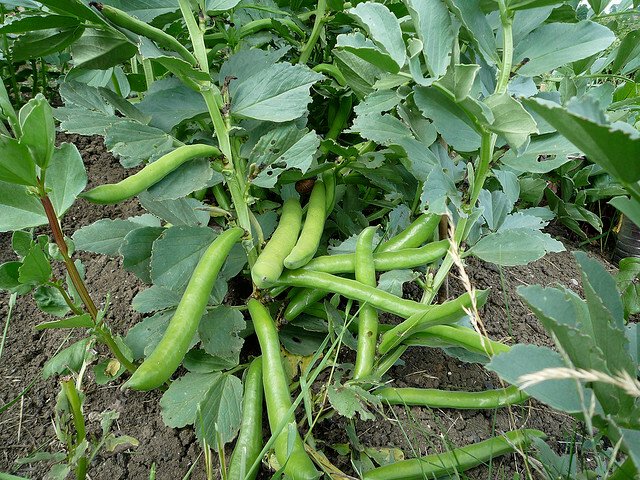
- Look for pods that are firm, deep green, and filled out (not shriveled).
- The beans inside should feel plump. If pods are dry or limp, the beans will likely be tougher.
- For dried fava beans, choose uniform, clean beans from a trusted source.
Preparing Fresh Fava Beans
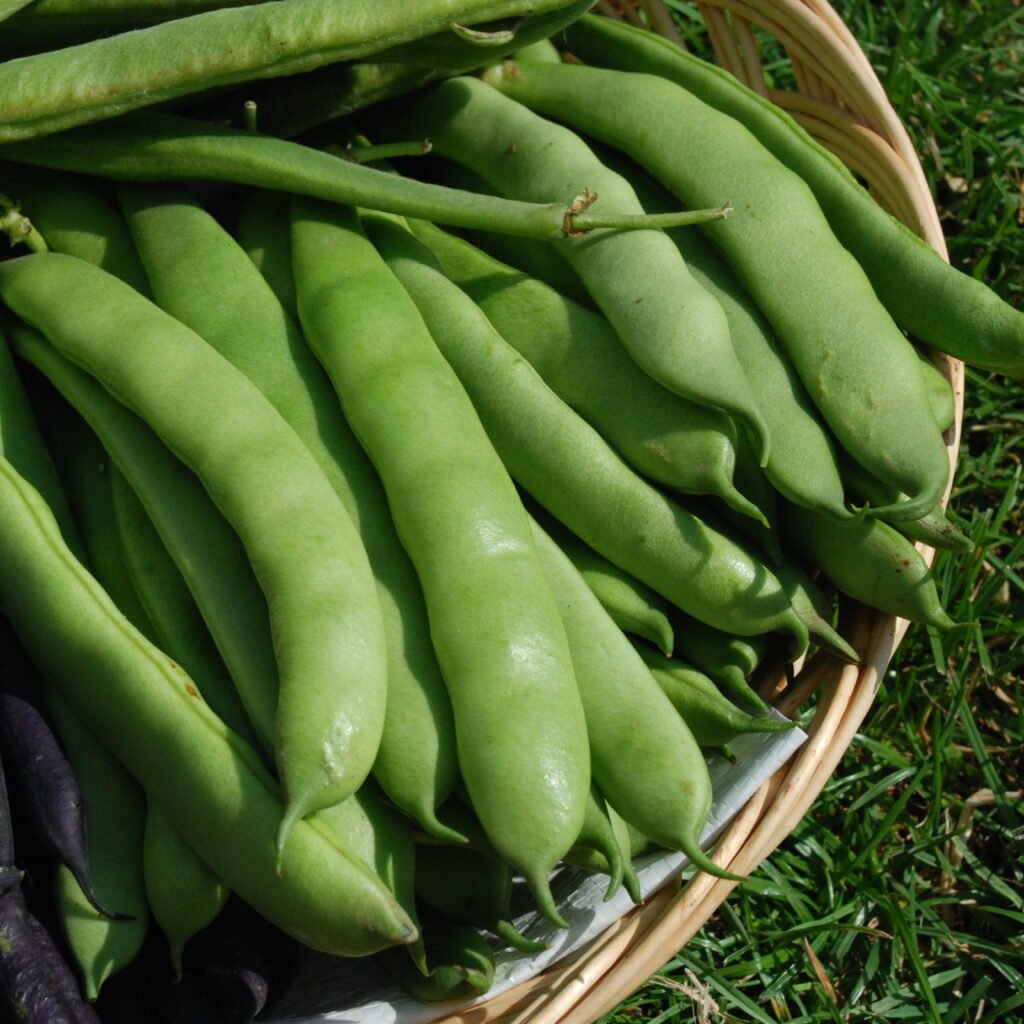
- Shell the beans — remove them from the pods.
- Blanch the shelled beans in salted boiling water for 1–2 minutes, then plunge them into ice water to preserve their bright green color.
- Peel the outer skin of each bean, especially for larger ones. This step, known as “double podding,” reveals the tender, sweet interior.
- Use immediately, or freeze after blanching for later use.
Storage Tips
- Fresh in pods: keep in a paper bag in the refrigerator for up to a week.
- Shelled/blanched: store in a sealed container in the fridge for 3–5 days, or freeze for long-term storage.
- Dried beans: store in a cool, dry place; soak overnight before cooking.
Delicious Ways to Eat Fava Beans
Simple Sides and Salads
These beans shine with minimal adornment. Toss with olive oil, lemon zest, sea salt, and fresh herbs for a vibrant, spring-forward side dish.
Pasta, Risotto, or Grain Bowls
Add blanched, peeled fava beans to pasta with peas, mint, and lemon. They add color, texture, and plant-based protein. You can also fold them into risotto or quinoa bowls for a hearty, nutritious upgrade.
Mashed or Puréed as a Dip
Make a bright green fava-bean mash with garlic, olive oil, and lemon juice. Spread it on toast, pair it with pita chips, or serve as a dip with fresh vegetables. The flavor is rich, nutty, and a little earthy — perfect for appetizers or snacks.
Substitute for Other Beans in Recipes
Use dried fava beans in stews, soups, or vegan entrées. They have a meaty texture and mild flavor that absorbs seasonings beautifully. They work especially well in dishes like Mediterranean stews or Egyptian-style ful medames.
Roast or Grill in the Pod
For a fun twist, try grilling whole fava bean pods. Brush them lightly with olive oil and cook until charred. When you open the pods, the beans inside will have a smoky flavor and a creamy interior — an interactive, crowd-pleasing appetizer.
Why American Foodies Should Get on Board
- Plant-based eating is booming: As more Americans look to cut back on meat and add nutrient-dense alternatives, fava beans fit right in.
- Seasonal excitement: Fresh fava beans signal springtime abundance, making them a culinary celebration of the season.
- Instagram-worthy dishes: Their vivid green color and rustic pods make fava beans naturally photogenic — perfect for sharing your meal creations online.
- Kitchen versatility: From rustic home cooking to upscale restaurant menus, fava beans can adapt to countless dishes.
- Nutritional value: For people seeking high protein and fiber with minimal fat, fava beans are a clean, nutrient-packed choice.
Tips for U.S. Shoppers and Cooks
- Check international or Mediterranean aisles for dried or frozen fava beans when fresh ones aren’t in season.
- Buy extra fresh beans and freeze them after blanching — you’ll have them ready to go all year.
- If peeling seems tedious, start with young, tender beans where the outer skin is still soft and edible.
- Combine fava beans with vitamin-C-rich foods like lemon or bell peppers to improve iron absorption — a smart tip for vegetarians.
- Always cook fava beans thoroughly and introduce them gradually if you’re new to them or have any sensitivities.
Quick Recipe: Lemon-Herb Fava Bean and Quinoa Salad
Ingredients:
- 2 cups shelled and peeled fava beans (blanched)
- 1 cup cooked quinoa
- ½ cup chopped fresh parsley
- ¼ cup finely diced red onion
- 1 lemon (juice and zest)
- 2 tablespoons olive oil
- Salt and pepper to taste
- Optional: ¼ cup crumbled feta or chopped roasted almonds
Instructions:
- Combine quinoa, fava beans, parsley, and red onion in a large bowl.
- Whisk together lemon juice, lemon zest, olive oil, salt, and pepper.
- Pour the dressing over the salad and toss well.
- Add feta or almonds if desired.
- Serve chilled or at room temperature.
This refreshing, protein-rich salad makes an excellent vegetarian main dish or a bright side for grilled meats, fish, or tofu.
Final Thoughts
If you haven’t tried fava beans yet, now is the perfect time. Their exceptional nutrition, spring-fresh flavor, and adaptability make them a standout in the world of plant-based eating. Whether you’re a health-focused eater, a home cook exploring new ingredients, or a foodie chasing vibrant flavors, fava beans deliver on every level.
Yes, they take a little extra effort to shell and peel — but the payoff is worth it. The result is a buttery texture, nutty flavor, and a vibrant green pop that elevates any dish.
So next time you spot those thick green pods at your local farmers market or find dried favas in the grocery store, don’t pass them by. Grab a handful, give them a try, and enjoy one of the world’s most underrated plant-based powerhouses.
Fava beans are ready for America’s table — and for your plate.

Leave A Comment